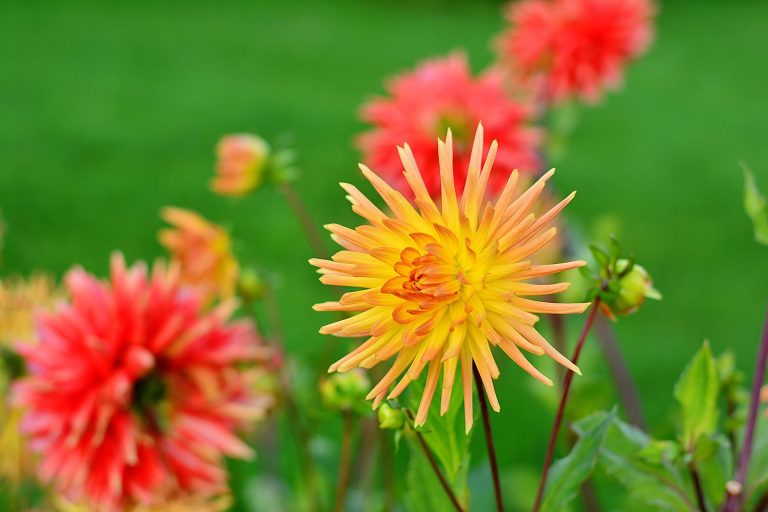
Are Zinnias Deer Resistant? Short answer: Yes, mostly! Zinnias sit pretty solidly in the deer-resistant camp, and after several summers of watching deer stroll right past my zinnia beds to munch on my hostas instead, I can vouch for it from experience. But “deer-resistant” doesn’t mean “deer-proof,” and there are a few conditions worth knowing before you bet your whole cottage garden on them.
Let me walk you through what’s actually going on, which varieties hold up best, and how to stack the odds even further in your favor.
Why Deer Usually Leave Zinnias Alone
Deer are picky eaters, and it mostly comes down to texture and scent. Zinnias have a slightly fuzzy, rough leaf texture and a mild aroma that deer just don’t find appealing. It’s not that zinnias taste bad to them exactly; it’s more that there are tastier options nearby, and deer conserve energy by not bothering with plants that aren’t worth the effort.
I first noticed this the summer I planted Benary’s Giant zinnias near where my deer traffic is heaviest. My hostas got hammered. My zinnias? Not a nibble all season. That was the year I started taking deer resistance seriously as a design principle instead of an afterthought.
| Feature | Answer |
|---|---|
| Deer Resistance | ★★★★☆ High |
| Deer Proof? | No |
| Best for | Sunny borders, cutting gardens, cottage gardens |
| Most Vulnerable | Young seedlings |
| Deer Avoid Because | Rough foliage and mild scent |
When Deer Might Still Snack on Your Zinnias
Here’s the honest caveat: hungry deer, especially in early spring or during a drought when food is scarce, will eat almost anything if they’re desperate enough. Young zinnia seedlings are also more vulnerable than mature plants, since the tender new growth is softer and less aromatic than established foliage.
I learned this the hard way one dry July when a doe and her fawn worked through a fresh flat of seedlings I’d just transplanted. Established zinnias in the same bed were untouched. So the lesson is: protect zinnias while they’re young, and don’t assume resistance means invincibility during lean seasons.
Best Deer Resistant Zinnias for Cottage Gardens
Not all zinnias perform the same in a cottage garden setting, so here are three I’ve grown and trust for both deer resistance and that classic overflowing, romantic look.
Benary’s Giant Series

- Zone: Grown as an annual in all zones (USDA 3–10)
- Size: 30–40 inches tall, 12–18 inches wide
- Bloom time: Early summer through first frost
- Care: Sow directly after your last frost date once soil has warmed, or start indoors 4–6 weeks earlier. Deadhead regularly to keep blooms coming. I do this every few days during peak season. Their biggest issue is powdery mildew in humid stretches, so give them good airflow and water at the base, not overhead. These are my go-to for the back of a cottage border; the stems are sturdy enough for cutting too.
 Buy Benary Giant Zinnias Here
 Buy Benary Giant Zinnias Here
Zinnia elegans Queen Lime Series

- Zone: Annual, all zones
- Size: 24–30 inches tall, 12 inches wide
- Bloom time: Midsummer through fall
- Care: Same sowing timeline as Benary’s Giant. These need consistent deadheading or they’ll slow production noticeably. Watch for Japanese beetles more than mildew with this one; they seem drawn to the softer, muted petal colors. I hand-pick beetles in the early morning when they’re sluggish.
Buy Queen Lime Zinnias Here
Profusion Series

- Zone: Annual, all zones
- Size: 12–18 inches tall, 12–14 inches wide
- Bloom time: Early summer through frost, and genuinely nonstop
- Care: More mildew-resistant than the taller varieties, which makes them a nice choice if your site tends toward humid or shady-adjacent conditions. Minimal deadheading required since they’re largely self-cleaning. I tuck these along the front edge of borders where their compact habit works as a low, tidy line.
Buy Profusion Zinnias Here
Since zinnias are annuals, there’s no division schedule to worry about the way there is with perennials. Instead, think in terms of succession sowing every 3–4 weeks if you want continuous fresh blooms right through fall.
How to Plant Zinnias So Deer Stay Away
 Placement matters almost as much as variety choice. A few things that have worked in my own garden:
- Plant zinnias near the outer edges of beds closest to deer paths, so they act as a first line that deer tend to skip past.
- Pair them with other proven deer-resistant plants to build a wider buffer rather than relying on one species alone. If you want a fuller pillar of options, I’ve put together a whole guide on deer-resistant flowers for your garden that pairs beautifully with zinnias.
- Avoid isolating a few precious zinnias right next to a favorite deer snack like hostas or roses. Deer browsing is often a matter of convenience, and grouping resistant plants together reinforces the message that this bed isn’t worth the stop.
- If you’re building out a full cottage-style bed, zinnias combine wonderfully with cosmos, salvia, and coneflower for that classic overflowing look, I covered some of my favorite combinations in post Flowers That Look Great Together: Classic Cottage Garden Combos if you want more pairing ideas.
Growing and Care Tips for Zinnias
 A few extra notes from my own beds that make a real difference over a season:
- Spacing: Give zinnias good air circulation, 12–18 inches apart depending on variety, since powdery mildew is their most common issue and crowding makes it worse.
- Watering: Water at the soil line rather than overhead. Wet foliage overnight is basically an invitation for fungal problems.
- Deadheading: This is the single biggest lever for more blooms. I go through my beds with snips every few days once flowering ramps up.
- Pruning/pinching: Pinch young plants back when they’re about 6 inches tall to encourage bushier growth and more blooms per plant, rather than one tall single stem.
- Common problems: Powdery mildew (humidity/crowding), Japanese beetles (hand-pick in early morning), and occasional aphids, which usually wash off with a strong spray of water before you need anything stronger.
See my full guide on growing zinnias here: Zinnias 101: Planting, Growing, and Loving Them.
Final Thoughts
After growing zinnias for years, they’ve earned a permanent place in my deer-resistant garden. They’re colorful, easy to grow, attract pollinators, and deer almost always pass them by in favor of something tastier. If deer visit your yard regularly, zinnias are one of the annuals I’d recommend planting with confidence.
FAQ – Are Zinnias Deer Resistant?
Are zinnias 100% deer-proof?
No plant is truly deer-proof, but zinnias are considered deer-resistant, meaning deer typically avoid them in favor of tastier options nearby. Hungry deer during drought or early spring may still test young plants.
Do rabbits eat zinnias too?
Rabbits generally leave mature zinnias alone for similar texture reasons, though young seedlings are more vulnerable to both rabbits and deer until they’re established.
What’s the fastest way to make my zinnias more deer-resistant?
Group them with other resistant plants rather than isolating them, and protect seedlings with temporary fencing or cages until they’re a few inches tall and past the tender stage.
Can I grow zinnias in a shady cottage garden?
Zinnias need at least 6 hours of direct sun to bloom well and resist mildew, so they’re not a great fit for deep shade. The Profusion series tolerates a bit more part-sun than the taller varieties.
How long do zinnias bloom?
With regular deadheading and succession sowing, zinnias will bloom from early summer all the way through the first hard frost.
Do deer eat zinnia seedlings?
Yes. Young zinnia seedlings are much more likely to be browsed than mature plants because their tender leaves are softer and less fuzzy. Once zinnias become established, deer usually lose interest and look for easier meals.
Do deer eat zinnia flowers?
In most gardens, deer leave both the foliage and blooms alone. However, if natural food is scarce or the local deer population is high, they may nibble flowers or buds, especially on young plants.
What flowers can I plant with zinnias to deter deer?
Pair zinnias with other deer-resistant flowers like salvia, lavender, ageratum, cosmos, yarrow, and coneflowers. Planting several deer-resistant species together creates a border that deer are more likely to avoid than a mixed bed filled with their favorite plants.
Should I spray deer repellent on zinnias?
Most established zinnias don’t need deer repellent, but it’s a smart precaution while seedlings are young or during periods of drought when deer become less selective. Reapply repellents after heavy rain for the best protection.
Are all zinnia varieties deer resistant?
Most varieties of Zinnia elegans, including Benary’s Giant, Queen Lime, and many Profusion types, are considered deer resistant. While no variety is completely deer-proof, they all tend to be ignored once they’re established.
Will deer eat zinnias in the fall?
They usually continue to avoid mature zinnias through late summer and fall. However, if other food sources become limited before winter, deer may sample plants they normally ignore.
What attracts deer more than zinnias?
Deer typically prefer plants with soft, tender foliage, including hostas, daylilies, tulips, roses, and impatiens. If these plants are growing nearby, they’re much more likely to become the deer’s first choice.
Do zinnias attract pollinators even if deer avoid them?
Absolutely. Zinnias are among the best annual flowers for attracting butterflies, bees, and other beneficial pollinators. Their bright blooms provide nectar throughout the growing season while remaining relatively unappealing to deer.
Are zinnias a good choice for gardens with heavy deer pressure?
Yes. While no flower is completely deer-proof, zinnias are one of the most dependable annuals for gardens where deer are a frequent problem. I still recommend protecting young seedlings, but mature plants are usually left alone.