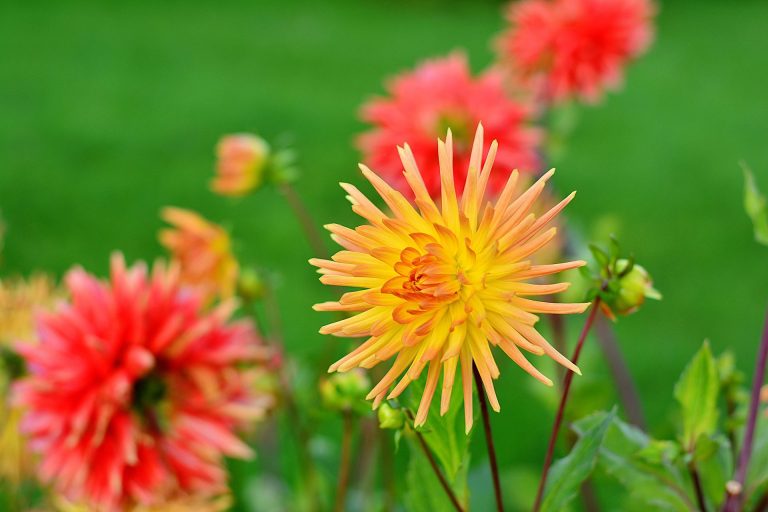
The Bearded Iris season is just beginning where I live, and it’s already shaping up to be spectacular. The first buds are rising, the stalks are stretching tall, and soon those ruffled petals will unfurl in a riot of color. There’s nothing subtle about a bearded iris in full bloom—they demand attention in the best possible way.
With their regal stance and saturated hues, bearded iris know how to take center stage. They don’t just add beauty to a garden, they bring attitude. Whether planted solo or in sweeping drifts, these blooms have a way of making everything around them feel more alive.
If you’re looking to refresh your garden with something bold, sculptural, and unexpectedly easy to grow, bearded iris are ready for their spotlight.
Why Bearded Iris is the Star of the Show

Among flowering perennials, bearded iris is a headliner. Their vivid colors, sword-like foliage, and rhythmic blooming habits make them a standout. Whether nestled among soft ground covers or flanked by stoic shrubs, bearded iris never fade into the background.
Their unique structure—tall stems topped with flamboyant flowers—draws the eye upward. And when they bloom in mass? It’s nothing short of a spectacle.
The Bearded Iris Breakdown

What Makes a Bearded Iris Bearded
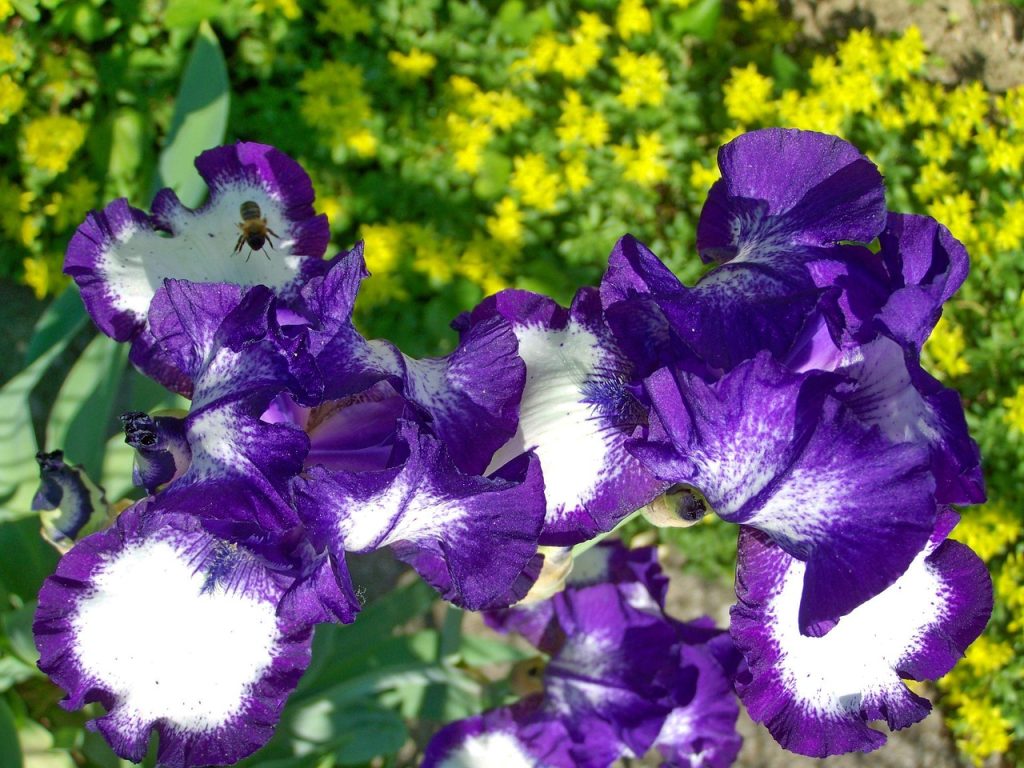
The “beard” refers to the fuzzy, caterpillar-like fringe that sits on each petal, right at the base of the falls. This charming little tuft gives the flower both its name and its flair. It also plays a role in attracting pollinators, acting as a soft landing strip for bees.
Unlike other irises, the bearded variety exudes both grace and grit. The beard gives it texture, complexity, and a slightly whimsical air.
A Quick History of the Bearded Beauty
Bearded iris trace their roots to the Mediterranean, where their regal blooms have been cultivated since ancient times. Egyptians saw them as symbols of power and valor. By the 19th century, European hybridizers were breeding them into a kaleidoscope of color.
Today’s garden varieties owe much to centuries of cross-pollination and passion. They’ve gone from temple gardens to backyard borders without losing an ounce of majesty.
Types of Bearded Iris You’ll Want to Know
Bearded irises come in a range of sizes. The tall bearded iris is the showstopper, often reaching 3 feet in height. There are also intermediate and dwarf varieties, perfect for tighter spaces or layered planting schemes.
Within each type, cultivars offer endless variation—some ruffled, some bi-colored, others with metallic sheens or velvety depth. There’s an iris for every mood and setting. The Eden Brothers have a gorgeous selection to choose from.
Color Explosion
Bold Hues That Wow in Every Garden
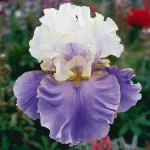

From electric purples to sunlit yellows, bearded iris deliver pigment with punch. Their blooms don’t shy away from saturation—many look like they’ve been dyed in technicolor dreams. Some cultivars glow like molten gold in the morning sun.
Plant them in clusters and the impact is theatrical. They don’t just brighten a space—they command it. Pictured are Purple Mix and Rasputin.
Unusual Shades You Didn’t Know Iris Came In
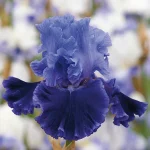
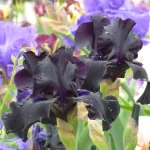 Beyond the common colors, you’ll find bearded iris in hues like smoky gray, icy blue, rusted copper, even inky black. Some varieties blend three or four colors into a single bloom, with gradients and veining worthy of watercolor.
These offbeat shades add intrigue. Plant them to create mystery and mood in otherwise cheerful gardens. Pictured are Cyber Grape and Black Suited.
Mixing and Matching Iris Colors Like a Pro

 A little planning turns your iris bed into a painter’s palette. Pair warm colors like Orange and violet for richness. Combine cool tones like white and lavender for a calming effect. Use contrasting shades for drama.
Don’t forget to mix bloom times, too. Some irises rebloom, extending your color season well beyond spring’s prime. Pictured are Oregon Firestorm and Swingtown.
Designing with Bearded Iris

Where to Plant for Maximum Bloom Impact
Choose a spot with full sun and good drainage—these are iris essentials. Position taller varieties at the back of borders to elevate their presence. Let them rise above smaller perennials and anchor the garden’s design.
Mass plantings create big bloom energy in waves, while solitary specimens can act like punctuation marks in mixed beds.
Pairing Bearded Iris with Companion Plants
Bearded iris thrive alongside low-growing companions like creeping phlox, sedum, and salvia. Their upright leaves contrast beautifully with soft textures and mounding forms.
Avoid crowding with aggressive plants. Give iris breathing room, and they’ll reward you with stronger growth and bolder blooms.
Creating Stunning Borders and Beds
Combine iris with perennials that bloom before or after their peak to keep the bed lively. Add grasses or spiky foliage for visual rhythm. Accent with stones or garden art to frame the blooms with personality.
Planting for Success

When and Where to Plant Bearded Iris
Late summer to early fall is prime planting time. Choose a spot that gets at least six hours of direct sun. Avoid overly rich soil—iris prefer things lean and well-drained. Plant rhizomes just beneath the surface, with the tops peeking out.
Soil Prep Secrets for Stronger Blooms
Amend heavy soils with sand or compost to boost drainage. Avoid manure or overly fertile amendments, which encourage leaf growth at the expense of flowers. A neutral to slightly alkaline pH keeps your iris thriving.
Spacing Tips for That Full Bloom Look
Give each rhizome 12–24 inches of space. Overcrowding leads to weak blooms and poor airflow, which invites disease. Proper spacing also allows each flower to shine, not compete.
Care with Flair
Watering Wisely for Happy Petals
Iris like it dry once established. Overwatering is a common mistake that leads to rot. In dry spells, a deep soak every 10–14 days keeps them content. Water at the base to keep foliage dry and fungal issues at bay.
Feeding Your Iris Without Overdoing It
Skip the heavy nitrogen. Use a low-nitrogen fertilizer in early spring and again after blooming. A balanced 5-10-10 mix encourages flowering, not just foliage. Feed with purpose, not excess.
Mulching Do’s and Don’ts
Mulch lightly to suppress weeds, but avoid covering the rhizomes. They need sunlight and airflow to stay healthy. Use gravel or shredded bark instead of dense organic mulch. In wet climates, skip mulch altogether and focus on drainage.
Seasonal Iris Strategies
Spring Prep for Showstopping Blooms
Remove winter debris and dead leaves early. Apply a spring fertilizer and check for any signs of rot or pests. Clear space around rhizomes to give them sun exposure.
Summer Love and Light Maintenance
Deadhead spent blooms to conserve plant energy. Trim back browning leaves, but let green ones remain for photosynthesis. If rebloomers are in your garden, you might get a second act.
Keep watering moderate and weeds under control.

Fall Division for More Iris Power
Every 3–4 years, divide clumps in late summer. Lift rhizomes, trim foliage, and replant the healthiest sections. This rejuvenates your patch and prevents overcrowding.
Winter Tips to Keep Iris Cozy
Cut foliage down to 6 inches after a hard frost. Remove any dead plant material to discourage overwintering pests. In cold zones, a light straw mulch can add protection—but remove it early in spring. Iris are hardy, but a little winter prep helps them come back even stronger.
Common Iris Mistakes to Avoid

Why Your Bearded Iris Might Not Bloom
Lack of sun, poor drainage, or too much nitrogen are top culprits. Planting rhizomes too deep is another common misstep. If they’re not blooming, they’re trying to tell you something.
The Dangers of Overcrowding
Too many rhizomes in a tight space equals stress, rot, and weak blooms. Divide regularly to keep them vigorous and vibrant. Think of it as giving them room to breathe and shine.
Pest Patrol and Easy Fixes
Watch for iris borers, aphids, and fungal spots. Regular cleanup and well-spaced planting reduce risk. Neem oil or insecticidal soap can manage most infestations naturally. Stay vigilant, not paranoid—most pests can be managed without drama.
Dividing and Multiplying Joy

How to Divide Like a Garden Rockstar
Use a clean spade to lift the clump. Trim the leaves into a fan shape and slice through the rhizomes, keeping only the firmest, healthiest pieces. Replant and water lightly.
When to Split for More Bloom Energy
Late July to early September is best. The plant has finished blooming, and new roots will form before winter. Don’t wait too long, or risk missing the window for next year’s blooms. Dividing is less about cutting and more about renewing.
Sharing Iris Rhizomes with Friends
Pack a few trimmed rhizomes in paper bags with planting instructions. Iris make fabulous pass-along plants. They carry stories, color, and joy from one garden to another.
Iris Through the Years

Keeping Your Iris Looking Fresh Over Time
Remove dead blooms promptly. Thin clumps regularly. Replace aging rhizomes with new divisions. Consistent care means continued bloom brilliance.
How to Revive an Old or Neglected Patch
Start by digging up the entire bed. Discard soft or damaged rhizomes. Amend the soil before replanting. Water lightly and let nature do the rest. Even forgotten iris can bounce back with a little love.
Final Thoughts
Let Your Garden Radiate Big Bloom Energy
Bearded iris are more than beautiful—they’re garden icons. With color, height, and flair, they deliver the full package of bloom brilliance. From borders to pots, they turn every space into a stage.
Final Tips for Growing with Confidence and Joy
Give them sun, space, and a little structure. Divide when needed, water with care, and enjoy the ride. Bearded iris don’t just grow—they glow.
So dig in, plant bold, and let your garden radiate pure, unapologetic bloom energy.
Frequently Asked Questions About Bearded Iris
When is the best time to plant bearded iris?
Late summer to early fall is the ideal window for planting. This gives the rhizomes time to establish roots before winter, setting the stage for vibrant blooms come spring.
How much sun do bearded iris need?
Bearded iris thrive in full sun—at least 6 hours a day. They’ll tolerate light shade, but too little sun can result in poor flowering.
Do bearded iris bloom more than once a year?
Some varieties are rebloomers, offering a second flush of flowers in late summer or fall. Most bloom once in spring, but careful selection can extend your iris season.
Why aren’t my bearded iris blooming?
Common causes include too much shade, over-fertilization (especially nitrogen), overcrowding, or planting the rhizomes too deep. Ensure the rhizome tops are just above the soil surface.
How often should I water bearded iris?
Once established, they prefer to stay on the dry side. Water deeply every 10–14 days during dry spells, and always water at the base to avoid soggy foliage.
Can I grow bearded iris in containers?
Yes! Choose dwarf or intermediate varieties for pots. Use wide, shallow containers with excellent drainage and place them in full sun.
What type of soil do bearded iris prefer?
Well-drained soil is essential. They dislike soggy conditions. Aim for a neutral to slightly alkaline pH and avoid rich or heavy clay unless amended.
Do I need to mulch around bearded iris?
Use mulch sparingly. Avoid covering the rhizomes, as they need sun and air circulation. Gravel or light bark mulch works best—just don’t pile it on.
How do I divide bearded iris?
Lift the rhizomes in late summer, trim the foliage, and replant only the healthy, firm sections. Divide every 3–4 years to prevent overcrowding and reinvigorate blooms.
What pests or diseases affect bearded iris?
Iris borers, aphids, and fungal leaf spots are the most common. Keep the area clean, avoid overhead watering, and treat with neem oil or insecticidal soap if needed.
Do bearded iris attract pollinators?
Yes! The fuzzy beards act as landing pads for bees, making bearded iris both beautiful and beneficial.
How tall do bearded iris grow?
Tall bearded iris can reach up to 3 feet, while intermediate and dwarf varieties stay more compact, making them great for small spaces and containers.
Can bearded iris grow in clay soil?
Only if it’s heavily amended for drainage. Poor drainage leads to rhizome rot. Add compost, sand, or grit to lighten the soil before planting.
What are the most popular bearded iris colors?
Classic purples and yellows are always favorites, but modern hybrids come in everything from inky black to icy blue, fiery orange, and multicolor blends.
How long do bearded iris blooms last?
Each individual bloom lasts around 3 to 5 days, but the plant sends up multiple buds that bloom in succession over 2 to 3 weeks.
Can I grow bearded iris from seed?
It’s possible, but it’s a long process. Most gardeners propagate bearded iris by division for quicker and more reliable results.
Is bearded iris deer resistant?
Yes. Bearded iris are generally deer-resistant thanks to their slightly bitter, toxic foliage.
Do bearded iris need staking?
In most cases, no. However, very tall varieties or those in windy areas might benefit from light staking to keep stalks upright.
How can I keep my iris looking neat after blooming?
Deadhead spent flowers and trim any browning foliage. Keep the area weeded and remove any yellowed or diseased leaves throughout the season.
Can I use bearded iris in floral arrangements?
Absolutely! Their bold form and vibrant colors make them stunning in vases. Cut early in the day when buds are just beginning to open for best vase life.