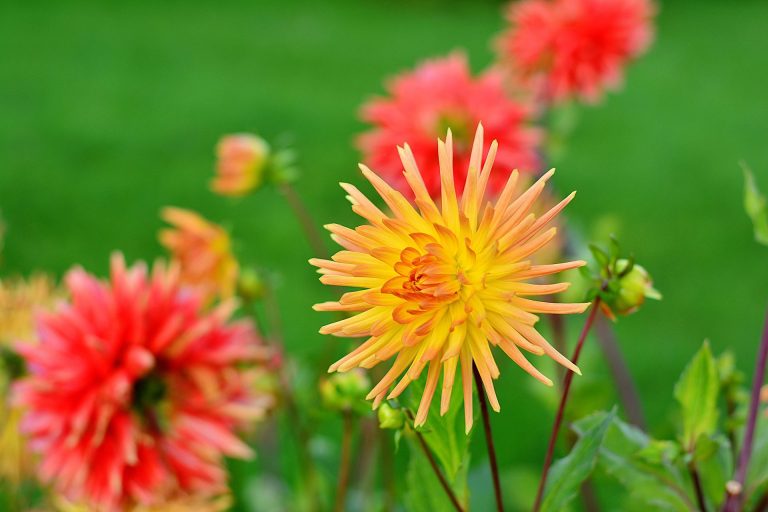
If you’re looking to bring vibrant color to your garden without complicated care, choosing the best annual flowers is the perfect place to start. As a gardener who loves easy-to-grow blooms, I’ve found that annuals are incredibly forgiving, giving you bright flowers all season long with minimal effort. They’re perfect for beginner gardeners who want instant results and a garden that feels alive from spring through fall.
Annuals are also wonderful for filling gaps in your perennial borders. Many reseed themselves, so with a little luck, they’ll return the following year without extra work. In this guide, I’ll share my top seven annuals that are simple to grow, resilient, and beautiful, whether you start from seed or transplant seedlings.
Just What Is an Annual Flower?
An annual flower is a plant that completes its life cycle, from seed to bloom to seed production, all within one growing season. Unlike perennials, which live for multiple years, annuals usually need replanting each year. Some, however, like nasturtiums or larkspur, reseed themselves naturally.
Annuals are also incredible for pollinators. Bees, butterflies, and even hummingbirds love them, which makes them a valuable addition to any garden. Choosing the best annual flowers gives beginner gardeners the chance to create a vibrant, wildlife-friendly space with minimal effort.
How I Choose Annual Flowers
When picking annuals for my garden, I focus on adaptability, low maintenance, and the ability to reseed. I also consider climate, soil type, sunlight, and watering needs. Over the years, I’ve found these factors make all the difference for beginner gardeners who want successful, colorful blooms without frustration.

Cleome: The Spider Flower
Tall and airy, Cleome adds elegance and drama to any garden bed. Its large, fragrant flower clusters thrive in full sun and handle heat and drought beautifully. I grow Cleome “Queen Mix,” which reseeds reliably in my garden each year. Many universities even list it as deer resistant, making it a safe choice for suburban gardens.
Growing Cleome:
Location: Full sun for 6–8 hours daily.
Soil: Well-draining with a pH of 6.0–7.0, enriched with organic matter.
Planting: Sow seeds after frost or start indoors 6–8 weeks early. Plant 1/4 inch deep.
Spacing: 12–18 inches apart for airflow.
Care: Cleome doesn’t need much fertilizer. Avoid overfeeding to prevent excessive foliage
For more tips on growing this vibrant beauty, check out my post Grow Cleome and Watch Your Garden Glow.
🌸 Find Cleome Seeds Here

Cosmos: The Cosmic Beauty
Cosmos are delicate yet resilient, providing vibrant color with minimal fuss. These best annual flowers thrive in various soils, tolerate drought, and often reseed themselves. I love planting Cosmos “Versailles Mix” for a cheerful, low-maintenance display. Washington State University lists Cosmos as a deer-resistant plant.
Growing Cosmos:
Location: Full sun, some light shade is okay.
Soil: Well-drained, enriched with compost or aged manure.
Planting: Sow seeds directly after the last frost, or start indoors 4–6 weeks prior.
Spacing: 12–18 inches apart.
Care: Deadhead spent flowers to extend blooming and avoid over-fertilizing.
For more tips on growing this cheerful beauty, check out my post 10 Stunning Cosmos Flower Varieties You Need to Try
🌸 Find Cosmos Seed Here

Nasturtium: The Edible Flower
Nasturtiums are colorful, carefree, and edible, making them one of my favorite annuals for beginner gardeners. I grow “Alaska” trailing varieties for their bright shades of yellow, cherry, salmon, and crimson. Hummingbirds adore them, and they even add a peppery flavor to salads. The University of Illinois puts Nasturtium on their list of deer resistant plants.
Growing Nasturtiums:
Location: Sun or partial shade.
Soil: Moderately fertile, well-draining.
Planting: Sow seeds 1/2 inch deep after frost, spaced 8–12 inches apart.
Care: Water consistently, deadhead flowers, and avoid over-fertilizing to ensure blooms thrive.
For more tips on growing this yummy flower, check out my post Nasturtium Magic: Colorful Blooms and Edible Treats.
🌸Find Nasturtium Seed Here

Marigold: The Sun-Kissed Flower
Marigolds are classic, sun-loving blooms that are perfect for beginner gardeners. They’re versatile, pest-resistant, and come in countless shades. I even use them to teach children how to grow flowers because they’re so reliable.
Growing Marigolds:
Location: Full sun for best blooms.
Soil: Well-draining and average fertility.
Planting: Sow seeds 1/4 inch deep after frost or start indoors 6–8 weeks early.
Care: Deadhead to prolong blooming, water evenly, and harvest seeds for future planting.
For more tips on growing this classic flower, check out my post Marigold Magic: Brighten Your Garden with These 6 Blooms.
🌸 Find Marigold Seeds Here

Larkspur: The Elegant Bloom
Larkspur is a beautiful, easy-to-grow alternative to delphiniums. Its tall spires and delicate petals add sophistication to any garden. Many larkspur varieties reseed, making them perfect for repeat blooms each year.
Growing Larkspur:
Location: Full sun or partial shade.
Soil: Well-draining and fertile.
Planting: Sow seeds early spring or late fall directly into soil.
Spacing: Thin seedlings to 6–12 inches.
Care: Deadhead to promote continuous blooms and enjoy its elegant presence in your garden.
🌸Find Larkspur Seed Here

Butterfly Milkweed Asclepia: The Monarch Magnet
Butterfly milkweed is bright, low-maintenance, and essential for supporting pollinators like monarch butterflies. Known as Asclepias curassavica, it’s deer-resistant and produces vivid nectar-rich flowers.
Growing Butterfly weed:
Location: Full sun.
Soil: Well-draining and enriched with compost.
Planting: Sow seeds after frost or start indoors 6–8 weeks early.
Care: Keep soil moist, avoid pesticides, and watch butterflies flock to your garden
For more growing tips, see my post How to Grow Milkweed for Monarch Magic in Your Garden.
🌸Find Milkweed Seed Here

Sunflower: The Bright Star
Sunflowers are towering symbols of good cheer and optimism, illuminating gardens with their golden crowns. They’re easy for beginner gardeners, tolerant of various soils, and offer seeds for snacking or future planting. Best of all, there are hundreds of sunflower varieties to choose from!
Growing Sunflowers:
Location: Full sun.
Soil: Well-draining and fertile.
Planting: Sow seeds 1 inch deep after frost, spacing 6–12 inches apart.
Care: Tall varieties may need stakes, water regularly, and harvest seeds when heads mature.
For more details about growing Sunflowers, check out my post How to Grow Sunflowers for Radiant Summer Smiles.
🌸Find Sunflower Seeds Here
Final Thoughts
Planting the best annual flowers gives beginner gardeners instant color, joy, and a sense of accomplishment. From sun-loving marigolds to pollinator-friendly butterflyweed, these annuals are forgiving, rewarding, and perfect for creating a lively garden with minimal effort. By following simple planting and care steps, anyone can grow a flourishing, colorful garden that blooms all season long.
FAQ – Best Annual Flowers For Beginner Gardeners
What are annual flowers, and why are they great for beginners?
Annuals complete their life cycle in one season. They’re forgiving, easy to grow, and provide instant color, making them ideal for beginner gardeners.
Do annual flowers need replanting every year?
Most do, but some, like nasturtiums and larkspur, reseed naturally, returning without extra effort.
What should I consider when selecting annual flowers?
Look at climate, soil, sunlight, and water needs. Choose varieties that are adaptable, reseed, and easy to grow.
How do I grow cleome successfully?
Plant in full sun, prepare well-draining soil, sow seeds after frost, thin seedlings, and avoid over-fertilizing.
What are tips for growing cosmos?
Plant in sunny, well-draining soil. Start indoors or sow directly. Deadhead for longer blooms and avoid over-fertilizing.
How can I grow nasturtiums?
Sow seeds in sun or partial shade, keep soil moist, deadhead blooms, and enjoy edible flowers and leaves.
What’s the best way to grow marigolds?
Plant in full sun with well-drained soil, water evenly, deadhead regularly, and save seeds for next season.
How do I cultivate larkspur?
Sow seeds in early spring or late fall, thin seedlings, plant in sun or partial shade, and deadhead to encourage blooms.
How do I grow butterflyweed?
Plant in full sun with well-drained soil, sow seeds or transplant seedlings, water consistently, and attract pollinators.
What’s the easiest way to grow sunflowers?
Sow seeds after frost in sunny, fertile soil, provide stakes for tall varieties, water regularly, and harvest seeds when mature.