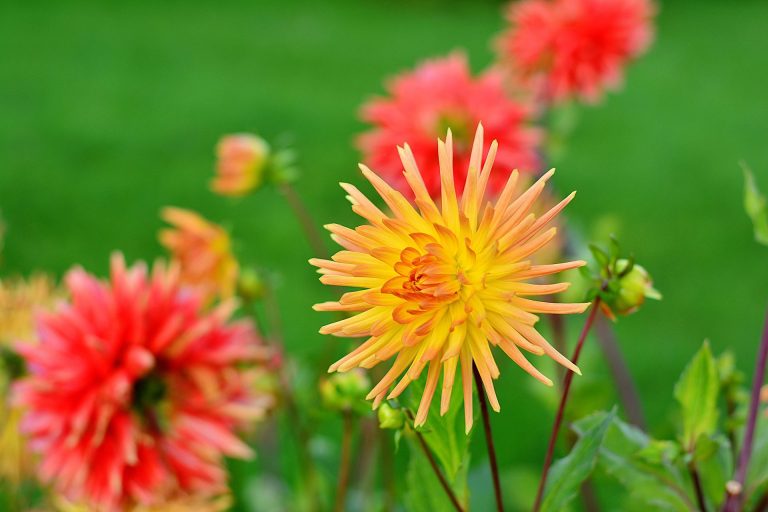
Gardens have the power to transform spaces, turning a plain plot of land into a vibrant canvas bursting with color and life. Annual flowers, with their short but spectacular life cycle, are the ultimate tools in this transformation. They bring immediate gratification, offering a full season of blooms that inject energy and beauty into your garden. And the best part? You don’t need to spend a fortune to create a stunning floral display. With a little planning and the right choices, you can cultivate a garden that looks like a million bucks—without breaking the bank.
Why Annual Flowers are the Ultimate Garden Transformers
Annual flowers are the artists of the garden world, painting every corner with a palette of vivid hues and textures. Unlike perennials, which can take a year or more to mature, annuals give you instant results. From the moment they burst into bloom, these flowers create a spectacle that can transform even the most mundane garden into a masterpiece. They are versatile, adapting to a variety of garden styles and climates, and they offer endless possibilities for creative expression. Whether you’re looking to fill gaps in your borders, brighten up containers, or create a colorful focal point, annuals have you covered.
The Joy of Affordable Gardening: Maximizing Beauty on a Budget
Gardening doesn’t have to be an expensive hobby. In fact, some of the most breathtaking gardens are built on a foundation of smart, budget-conscious choices. Annual flowers are perfect for this kind of gardening because they deliver a high return on investment. With just a small investment in seeds or seedlings, you can fill your garden with color and texture that lasts all season long. Plus, many annuals are self-seeding, meaning they’ll come back year after year, giving you even more bang for your buck. Affordable gardening isn’t just about saving money—it’s about making the most of every dollar and creating a garden that reflects your style and creativity.
Choosing the Right Annuals for Maximum Impact
 Selecting the right annual flowers is key to getting the most out of your garden. It’s not just about picking the prettiest blooms—it’s about choosing plants that will thrive in your specific conditions, complement each other, and provide continuous color throughout the season. When you choose wisely, your garden becomes a living tapestry, with each plant playing its part in the overall design.
Understanding What Bang-for-Your-Buck Really Means
“Bang-for-your-buck” isn’t just about finding the cheapest plants—it’s about value. This means looking for flowers that offer long-lasting blooms, require minimal care, and have the ability to thrive in a variety of conditions. It’s about choosing plants that not only look good but also work hard in your garden, providing benefits like pest control, pollinator attraction, and soil improvement. The right annuals do all this and more, turning your garden into a thriving ecosystem.
The Power of Color: How to Choose Annuals That Pop
Color is one of the most powerful tools in garden design. The right color scheme can create a mood, draw attention to specific areas, and make your garden feel larger or more intimate. When choosing annuals, think about how their colors will interact with each other and with the rest of your garden. Bold, bright colors can create a lively, energetic space, while softer, pastel tones can evoke a sense of calm and tranquility. Don’t be afraid to experiment—mix and match colors to see what combinations speak to you.
Low-Maintenance Lovelies: Why Ease of Care is a Garden Game-Changer
In today’s busy world, low-maintenance gardening is more than just a trend—it’s a necessity. The best bang-for-your-buck annuals are those that don’t require constant attention but still reward you with abundant blooms. Look for varieties that are drought-tolerant, disease-resistant, and capable of thriving in your specific climate. These plants will not only save you time and effort but also ensure that your garden remains beautiful with minimal intervention.
Annual Flower #1: Marigolds

The Golden Glow: Why Marigolds Are a Must-Have in Every Garden
Marigolds are the golden gems of the garden, known for their warm, sunny hues and easy-going nature. These flowers are incredibly versatile, thriving in a wide range of soil types and conditions. Their bright yellow, orange, and red blooms add a splash of color to any garden, making them a popular choice for borders, beds, and containers. But marigolds offer more than just good looks—they’re also tough, resilient plants that can withstand heat and drought, making them a reliable choice for gardeners of all skill levels.
Pest Patrol: How Marigolds Protect Your Garden Naturally
One of the best-kept secrets of marigolds is their natural ability to repel pests. These flowers produce a distinctive scent that deters many common garden pests, including aphids, whiteflies, and nematodes. Planting marigolds alongside your vegetables or other susceptible plants can create a natural barrier that keeps unwanted insects at bay. Plus, they attract beneficial insects like ladybugs and lacewings, which help to control pest populations and keep your garden healthy and thriving.
Endless Blooms: Making the Most of Marigold’s Long Flowering Season
Marigolds are prolific bloomers, providing color from early summer right through to the first frost. To make the most of this long flowering season, deadhead spent blooms regularly to encourage new growth. Marigolds are also excellent self-seeders, meaning they can come back year after year with minimal effort on your part. With a little care and attention, these flowers will reward you with months of continuous color, making them one of the best investments you can make in your garden.
➡️ BUY MARIGOLD SEED HERE
Annual Flower #2: Cleome

Spider Flower Splendor: How Cleome Adds Drama and Height to Your Garden
Cleome, also known as spider flower, is a showstopper in any garden. With its tall, spiky blooms and delicate, airy appearance, cleome adds both drama and elegance to your flower beds. These plants can reach heights of up to six feet, making them ideal for adding vertical interest to your garden. Their unusual flowers, which resemble a spider’s web, create a striking contrast to more traditional garden blooms, giving your garden a unique and eye-catching look.
Pollinator Magnet: Attracting Hummingbirds and Bees with Cleome
Cleome isn’t just beautiful—it’s also a magnet for pollinators. The sweet nectar of its flowers attracts hummingbirds, bees, and butterflies, turning your garden into a buzzing hub of activity. By planting cleome, you’re not only adding beauty to your garden but also supporting the health of your local ecosystem. These plants are particularly attractive to long-tongued pollinators, who are drawn to the tubular shape of cleome’s flowers.
Thriving in Tough Conditions: Why Cleome is a Garden Survivor
One of cleome’s greatest strengths is its ability to thrive in tough conditions. These plants are incredibly drought-tolerant, making them a great choice for gardens that receive full sun or have poor soil. Cleome is also resistant to many common garden pests and diseases, meaning you can enjoy its beauty without the worry of constant maintenance. With its resilience and adaptability, cleome is a true survivor that will continue to bloom beautifully even in less-than-ideal conditions.
➡️ BUY CLEOME SEED HERE
Annual Flower #3: Impatiens

Shady Showstoppers: How Impatiens Bring Color to the Dark Corners of Your Garden
If you’ve got a shady spot in your garden that needs a pop of color, look no further than impatiens. These shade-loving annuals are renowned for their vibrant blooms, which come in a wide range of colors including pink, red, orange, purple, and white. Impatiens are perfect for brightening up dark corners, under trees, or along the north side of your house. Their ability to thrive in low light makes them an invaluable addition to any garden, turning even the gloomiest areas into a riot of color.
A Rainbow of Choices: Exploring the Wide Range of Impatiens Colors
Impatiens are available in an astonishing array of colors, making them one of the most versatile annuals you can plant. Whether you prefer soft pastels or bold, bright hues, there’s an impatiens variety to suit your taste. You can mix and match colors for a playful, eclectic look, or stick to a single shade for a more formal, cohesive display. Whatever your preference, impatiens offer endless possibilities for creative expression in the garden.
Effortless Elegance: Why Impatiens Are the Perfect Low-Maintenance Option
One of the reasons impatiens are so beloved by gardeners is their ease of care. These plants are incredibly low-maintenance, requiring little more than regular watering to keep them looking their best. Impatiens are also self-cleaning, meaning they drop their spent blooms on their own, so you don’t have to worry about deadheading. With their fuss-free nature and ability to thrive in shady conditions, impatiens are the perfect choice for gardeners who want maximum beauty with minimal effort.
➡️ BUY IMPATIENS SEED HERE
Annual Flower #4: Nasturtiums

Nifty Nasturtiums: Beauty and Functionality Rolled into One
Nasturtiums are the epitome of a bang-for-your-buck flower, combining stunning beauty with practical benefits. My Nasturtiums have made my garden look like a tropical oasis! These easy-to-grow annuals produce masses of bright, cheerful blooms in shades of red, orange, and yellow, adding a burst of color to any garden.
But nasturtiums are more than just a pretty face—they’re also highly functional. Their large, round leaves provide excellent ground cover, helping to suppress weeds and conserve soil moisture. Plus, nasturtiums are known for their ability to thrive in poor soil, making them a great choice for challenging garden conditions. I have a seperate post devoted entirely to nasturtiums here.
Edible Elegance: Adding Flavor and Flair with Nasturtiums
One of the unique features of nasturtiums is their edibility. Both the flowers and leaves of nasturtiums are edible, with a peppery flavor similar to watercress. These blooms can be used to add color and flavor to salads, sandwiches, and garnishes, making them a favorite among edible gardeners. Whether you’re looking to create a beautiful, edible landscape or simply want to add a touch of elegance to your culinary creations, nasturtiums are an excellent choice. You can learn more about how to use nasturtium in cooking from the Institute of Culinary Education.
Companion Planting: How Nasturtiums Benefit Your Entire Garden
Nasturtiums are not just beneficial to humans—they’re also great companions for other plants in your garden. These flowers are known to attract beneficial insects like predatory wasps and ladybugs, which help control pest populations. Additionally, nasturtiums can act as a trap crop, drawing pests like aphids away from more vulnerable plants. By planting nasturtiums alongside your vegetables or other garden favorites, you’re enhancing the overall health and resilience of your garden. Their vibrant blooms add visual appeal, while their natural pest-repellent properties make them a valuable ally in maintaining a thriving, organic garden.
➡️ BUY NASTURTIUM SEED HERE
Annual Flower #5: Cosmos

Cosmic Beauty: Delicate Blooms with a Big Impact
Cosmos are the stars of the garden, offering a celestial beauty that’s hard to match. With their dainty, fern-like foliage and large, daisy-like flowers, cosmos bring a touch of whimsy and grace to any garden space. Available in a range of colors from pure white to deep magenta, these flowers seem to float above the garden on their slender, airy stems. Despite their delicate appearance, cosmos are remarkably hardy, thriving in poor soil and under conditions that would challenge less robust plants.
Self-Sowing Wonders: How Cosmos Keep Coming Back Year After Year
One of the most delightful surprises of growing cosmos is their ability to self-sow. At the end of the growing season, these plants drop their seeds, which will naturally germinate the following spring. This means that once you’ve planted cosmos, they’re likely to return year after year, offering a consistent splash of color with minimal effort. By allowing the seeds to fall where they may, you’ll be rewarded with an ever-changing, naturalized display of blooms that feels effortless and enchanting.
The Perfect Cut Flower: Bringing Cosmos Indoors for Fresh Bouquets
Cosmos are not only beautiful in the garden but also make exquisite cut flowers. Their long, elegant stems and vibrant blooms are perfect for creating fresh bouquets that brighten up any room. Cosmos have a long vase life, making them ideal for floral arrangements that last. Whether you’re arranging a simple, single-flower bouquet or mixing them with other blooms, cosmos add a touch of natural elegance and charm to your indoor spaces.
➡️ BUY COSMOS SEED HERE
Designing a Stunning Annual Flower Garden

Creating Color Schemes: Mixing and Matching for Maximum Visual Appeal
Designing a garden with annual flowers is like creating a living piece of art. The key to a stunning display is in the color scheme. By thoughtfully mixing and matching colors, you can create a garden that is harmonious, vibrant, and full of visual interest. Consider using complementary colors for a bold, dynamic look, or choose analogous colors for a more serene, cohesive feel. Don’t be afraid to play with color contrasts and patterns—your garden should reflect your personal style and creativity.
Height and Texture: Using Annuals to Add Depth to Your Garden
In addition to color, height and texture are crucial elements in garden design. Annual flowers come in a variety of shapes and sizes, allowing you to create layers of interest in your garden. Taller plants like cleome can add height and structure, while shorter, bushier plants like impatiens fill in the lower levels. Mixing different textures, from the feathery foliage of cosmos to the broad, rounded leaves of nasturtiums, adds depth and richness to the garden, making it feel more dynamic and engaging.
Container Gardening: The Best Bang-for-Your-Buck Annuals for Pots and Planters
 If space is limited or you’re looking to add color to patios, balconies, or windowsills, container gardening with annuals is the way to go. Many of the best bang-for-your-buck annuals thrive in pots and planters, where they can be easily moved and arranged to suit your needs. Marigolds, impatiens, and nasturtiums are particularly well-suited to container gardening, bringing vibrant color and charm to even the smallest spaces. By choosing compact varieties and mixing trailing plants with upright growers, you can create stunning container displays that rival even the most expansive garden beds.
Caring for Your Annual Flowers
Watering Wisely: Keeping Your Annuals Healthy Without Overdoing It
Watering is one of the most important aspects of caring for annual flowers, but it’s essential to strike the right balance. Overwatering can lead to root rot and other problems, while underwatering can cause your plants to wilt and fail to thrive. The key is to water deeply but less frequently, allowing the soil to dry out slightly between waterings. This encourages the roots to grow deeper, making your plants more resilient to drought and other stresses. Early morning or late afternoon is the best time to water, as it reduces evaporation and gives the plants time to absorb the moisture before the heat of the day.
Feeding for Flourishing: The Best Fertilizers for Vibrant Blooms
Annual flowers are heavy feeders, meaning they require a steady supply of nutrients to produce their best blooms. To keep your flowers looking their best, use a balanced, slow-release fertilizer at the beginning of the growing season, and supplement with liquid feed every few weeks. Organic options like compost tea or fish emulsion can also provide the necessary nutrients while improving soil health. Be mindful of the specific needs of each type of annual, as some may require more or less feeding depending on their growth habits and the conditions in your garden.
Deadheading and Pruning: Simple Tips for Continuous Flowering
Deadheading, or the removal of spent blooms, is a simple yet effective way to encourage your annual flowers to continue blooming throughout the season. By removing old flowers before they set seed, you signal to the plant that it needs to keep producing new blooms, resulting in a more prolific display. In addition to deadheading, occasional pruning of leggy or overgrown plants can help maintain a tidy, attractive garden and promote healthy, vigorous growth. Regularly inspecting your plants and removing any damaged or diseased parts will also help keep your garden looking its best.
Conclusion
The Lasting Impact of Annuals: Transforming Your Garden Year After Year
Annual flowers may only last for a single season, but their impact on your garden is long-lasting. Each year, they bring new colors, new textures, and new opportunities for creativity, allowing you to continually reinvent your garden. With their vibrant blooms and ability to thrive in a variety of conditions, annuals are the perfect choice for gardeners looking to make a big impact without a big investment. By carefully selecting the right varieties and giving them the care they need, you can transform your garden into a stunning, ever-changing tapestry of color and life.
Finding Your Own Best Bang-for-Your-Buck Annuals
Gardening is as much about experimentation as it is about planning. While the flowers mentioned here are some of the best bang-for-your-buck options, every garden is unique. Don’t be afraid to try new varieties, mix different colors, or plant in unconventional spaces. The joy of gardening comes from discovering what works best in your own garden and watching your vision come to life. By experimenting with different annuals, you’ll not only find new favorites but also gain a deeper understanding of what makes your garden special.
FAQ for Transform Your Garden: 5 Best Bang-for-Your-Buck Annual Flowers
What makes annual flowers a good choice for gardeners?
Annual flowers provide immediate results, offering full-season blooms with vibrant colors. They are perfect for transforming a garden quickly and affordably since they grow and bloom within one growing season.
Why are annuals considered budget-friendly?
Annuals are budget-friendly because a small investment in seeds or seedlings can yield a garden full of color and texture for an entire season. Some annuals also self-seed, returning year after year without additional cost.
What does ‘bang-for-your-buck’ mean when it comes to annual flowers?
It’s about value, not just price. The best bang-for-your-buck annuals offer long-lasting blooms, require minimal care, and may provide additional benefits like attracting pollinators or improving soil health.
How can I choose annuals that thrive in my garden?
Select annuals based on your garden’s specific conditions—sunlight, soil type, and climate. Choosing flowers that complement each other in height, texture, and bloom time will maximize visual impact and ensure continuous color.
What are some low-maintenance annuals?
Flowers like marigolds, nasturtiums, and cosmos are known for their ease of care. These varieties are often drought-tolerant, disease-resistant, and require minimal attention, making them great for busy gardeners.
Can I use annual flowers in containers?
Yes! Annuals like marigolds, impatiens, and nasturtiums thrive in pots and planters. They’re ideal for small spaces, adding vibrant color to patios, balconies, and windowsills.
How can I keep my annuals blooming longer?
Regular deadheading (removing spent blooms) encourages more flowers. Additionally, watering wisely and using a balanced fertilizer will keep your annuals healthy and promote continuous flowering.
What are some benefits of nasturtiums beyond their beauty?
Nasturtiums are edible, adding a peppery flavor to salads, and they attract beneficial insects while repelling pests, making them excellent companion plants in vegetable gardens.
Do cosmos return year after year?
Cosmos are self-seeding, meaning they can drop seeds at the end of the season and return the following spring, offering a naturalized look and saving you time and effort.
How can I design a stunning garden with annual flowers?
To create a visually appealing garden, mix and match colors, play with height and texture, and arrange your plants thoughtfully. Experimenting with different combinations can help you discover what works best for your space.