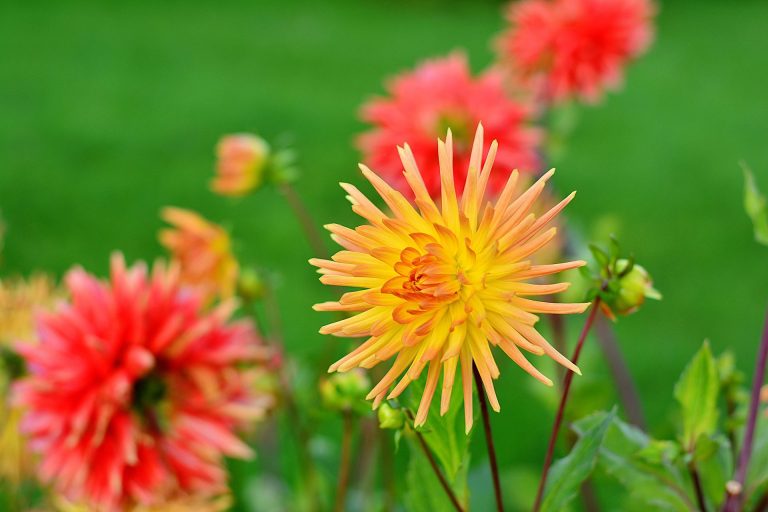
You don’t need a big budget to create something beautiful, just a few smart choices and soon your garden will be bursting with color right outside your door. With a few clever budget garden ideas, you can craft a vibrant, inviting space that feels luxurious without the lavish cost. The secret lies in creativity and resourcefulness, using what you already have, growing what you can, and finding joy in every thrifty bloom.
My Favorite Budget Garden Ideas
Grow It Yourself: The Seed Advantage

I’ve been growing plants from seeds for as long as I can remember. What started as a way to save a little money quickly turned into one of my favorite parts of gardening. There’s something so rewarding about watching tiny seeds wake up and turn into strong, blooming plants that fill the garden with life. It’s a slow kind of magic that never gets old.
If you’ve never started seeds before, you’re in for a treat. A single packet, often less than the price of a coffee, can produce dozens of healthy plants. I always recommend easy starters like marigolds, zinnias, cosmos, and snapdragons for flowers, and lettuce, radishes, and beans for veggies. They sprout quickly and make you feel like a pro right from the start.
And if you’re ready to give it a try, I’ve shared everything I’ve learned over the years in How to Start Flower Seeds Indoors: A Complete 2026 Guide. It’s full of tips to help you grow strong, healthy seedlings without overspending.
And my favorite seed source? Without a doubt: Eden Brothers! They offer one of the largest seed and flower bulb assortments available in the U.S., including fresh flower bulbs for spring and fall planting, flower seeds, vegetable seeds and herb seeds.
Divide and Conquer: Multiply Your Blooms for Free

Perennial plants are the gift that keeps on giving. Many, like daylilies, hostas, and coneflowers, can be divided every few years to stay healthy and will create new plants at no cost. With a sharp spade and a gentle hand, you can turn one clump into several thriving plants in just an afternoon.
Start by digging up the mature plant, teasing apart the roots into smaller sections, and replanting each division in fresh soil. Water thoroughly, and before long, your garden will look fuller and more balanced. And if you’d like a step-by-step walkthrough, I’ve shared my favorite methods (and a few lessons learned) in Divide Perennials to Double Your Flowers This Fall. If you have extras, trade them with friends or neighbor; your perennials will find happy new homes while their plants add fresh color to yours.
Save and Sow: The Art of Seed Saving
 One of the most rewarding budget garden ideas is learning to save seeds from your own plants. It’s simple, sustainable, and helps preserve the varieties you love most. Let your best blooms go to seed, then collect and store them once the pods or seed heads dry. Label envelopes with the plant name and year, and keep them in a cool, dry place until next spring. With each season, you’ll have a growing library of homegrown genetics, beautiful, resilient, and entirely free.
Seed saving not only saves money but also deepens your connection with your garden. Over time, the plants you grow adapt to your soil and climate, becoming stronger and more productive. Whether it’s heirloom tomatoes, zinnias, or marigolds, each seed you save carries a little bit of your garden’s story, a living legacy that keeps on giving, year after year.
If you’d like to learn exactly how I save seed properly, and why this practice is so economical, I’ve covered it in my detailed guide Seed Saving Made Simple. I easily saved $50 in seed costs next year by saving just 5 varieties of flowers that I love to grow. And I saved even more if I had bought them at the local nursery as seedlings!
Creative Containers Without the Cost
 Not every beautiful garden begins with shiny ceramic pots. I found the boots pictured above at the local thrift store for less then a dollar. What a fun way to show off your plants! Some of the most charming container gardens grow in unexpected vessels, old teapots, weathered buckets, chipped bowls, and wooden crates. A bit of imagination turns forgotten household items into rustic showpieces brimming with flowers.
To create cohesion among mismatched containers, paint them in similar tones or wrap them with jute for a unified look. Group them by height or color for visual harmony. Your repurposed planters will not only save money but also tell a story, of creativity sprouting where others might see clutter.
Compost Gold: Feed Your Soil for Free
 Healthy soil is the foundation of every thriving garden, and the best nourishment often comes from your kitchen scraps. Eggshells, vegetable peels, coffee grounds, and fallen leaves, all can be transformed into nutrient-rich compost. Think of it as recycling at its most rewarding.
For the busy or “lazy” gardener, a simple compost pile works wonders. Toss in your green and brown materials, keep them slightly moist, and let time do the rest. Homemade compost improves soil texture, boosts fertility, and reduces the need for pricey fertilizers. It’s pure gold, without the glittering price tag.
Water Wisely: Save Money and Moisture
Smart watering habits can trim your utility bills while keeping your plants thriving. Early morning watering reduces evaporation and ensures roots get the drink they need. Group plants with similar moisture needs, and avoid sprinkling leaves, soak the soil instead.
Collecting rainwater is another savvy move. A simple rain barrel tucked beneath a downspout can supply gallons of free, natural irrigation. If you reuse greywater, ensure it’s free from harsh chemicals. Add a layer of mulch, wood chips, shredded leaves, or straw, to help soil retain moisture, regulate temperature, and keep weeds at bay. Your garden will stay lush while your wallet breathes easier.
Low-Maintenance Plants with High Rewards
 Some plants offer stunning returns with minimal effort. Hardy perennials like black-eyed Susans, sedum, and catmint flourish with little fuss and return faithfully year after year. Drought-tolerant choices, lavender, yarrow, and Russian sage, laugh at dry spells and demand only sunshine and admiration.
Annuals such as cosmos, calendula, and larkspur readily reseed themselves, providing spontaneous splashes of color season after season. Choose varieties suited to your soil and light conditions, and you’ll create a garden that thrives naturally, with beauty that multiplies over time.
Reimagine What You Already Have

Before you rush to buy more plants, take a fresh look at what’s already growing. A simple rearrangement can transform the entire feel of your space. Move sun lovers into brighter spots, shade seekers under leafy canopies, and watch harmony unfold.
Refresh tired corners by relocating thriving plants or adding a pop of color with contrasting foliage. Combining textures, spiky ornamental grasses beside soft, billowy blooms, can renew your garden’s rhythm without spending a cent. Sometimes, all your garden needs is a new perspective.
Join the Garden Community
Gardening is even more delightful when shared. Join local clubs, community gardens, or online plant swap groups where fellow green thumbs exchange seeds, cuttings, and knowledge. These spaces often overflow with generosity and inspiration.
Volunteering in public gardens or plant sales can also earn you free seedlings, and priceless experience. The friendships formed among gardeners often bloom just as beautifully as the flowers themselves. When you share resources and stories, your garden becomes part of a larger, thriving tapestry.
A simple google search for Garden Clubs Near Me or go to the National Garden club for their list of state and regional garden clubs to find a club near you.
Conclusion: A Garden Full of Heart, Not Expense
True beauty in the garden doesn’t come from expensive pots or designer plants, it grows from care, creativity, and persistence. Each seed sown, each divided root, and each compost heap represents your devotion to life’s simplest pleasures.