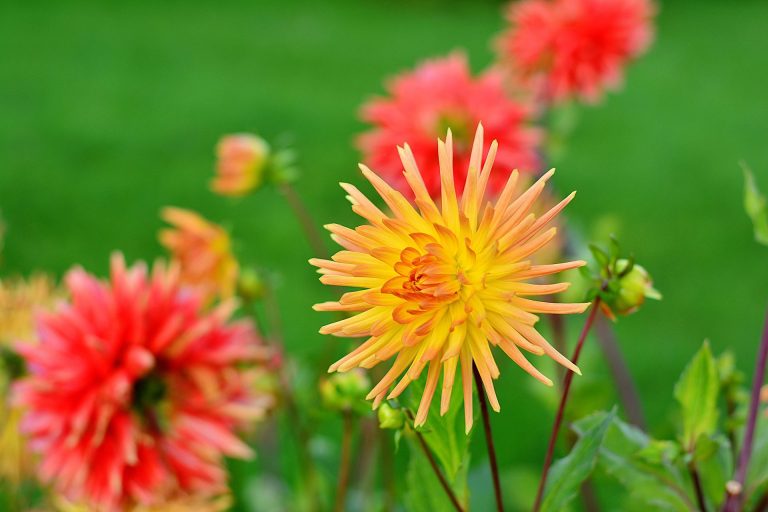
Growing a beautiful flower garden does not require a big budget or a long plant list. Many of the cheapest flowers to grow from seed produce generous blooms in the home garden, reseed freely, and return year after year with very little input. By focusing on just eight reliable varieties, it is possible to create a garden that feels full, colorful, and intentional without overspending. This approach rewards patience, simplifies planning, and builds long-term abundance from a small investment.
Why Growing Flowers From Seed Is the Cheapest Way to Garden
Limiting seed types encourages repetition, which makes beds look fuller and more intentional. Buying fewer packets reduces wasted seed and unused plants that never find a home. Many of these flowers self sow or can be saved easily, stretching your investment beyond a single year. A focused palette also helps new gardeners learn plant habits more quickly.
The 4 Best Cheap Annual Flowers to Grow From Seed
Nasturtium, An Easy and Inexpensive Flower to Grow from Seed
 Nasturtiums thrive in average soil and often bloom better without extra fertilizer. Their round leaves and bright flowers quickly fill empty spaces at the front of beds or along edges. Trailing varieties spill beautifully from containers or raised beds. The edible flowers and leaves make them useful as well as decorative.
 Find Nasturtium Seeds Here

Cleome, A Tall Budget Flower Grown Easily from Seed
 Cleome brings height and airiness without feeling heavy or stiff. It grows quickly from seed and adds vertical interest that makes small gardens feel larger. Once established, cleome often reseeds gently, returning year after year with little effort. Its open form pairs well with both bold and delicate flowers.
Find Cleome Seeds Here
Zinnia, One of the Cheapest Flowers to Grow from Seed
 Zinnias are unmatched for bloom quantity on a tight budget. A single packet can produce dozens of plants that flower nonstop in warm weather. They handle heat well and reward regular cutting with even more blooms. Pollinators flock to them, adding life and movement to the garden.
Find Zinnia Seeds Here
Cosmos, Fast Growing Flowers from Seed for Small Budgets
 Cosmos grow fast and create a soft, flowing look that fills space effortlessly. Their fine foliage allows light to pass through, keeping beds from feeling crowded. They bloom continuously with minimal care once established. Allowing a few plants to go to seed ensures volunteers next season.
Find Cosmos Seeds Here
The 4 Best Cheap Perennial Flowers That Come Back Every Year
Echinacea, A Perennial Flower Worth Growing from Seed
 Echinacea is a long term anchor that grows steadily from seed. While blooms may be lighter the first year, plants gain size and strength with time. They support pollinators in summer and provide seed heads for birds in fall. Once established, they tolerate heat and drought well.
Find Echinacea Seeds Here
Rudbeckia, Reliable Perennial Flowers Grown from Seed
 Rudbeckia offers reliable color with very little maintenance. It fills gaps as it matures and blends easily with annuals while perennials settle in. Plants grown from seed adapt well to their location and often outlast nursery transplants. Their golden flowers extend the garden season into late summer.
Find Rudbeckia Seeds Here
Foxglove, Self Seeding Flowers That Grow Well from Seed
 Foxglove creates early season drama with tall spires covered in bell shaped blooms. Many varieties behave as biennials, focusing on foliage the first year and flowering the next. Allowing plants to drop seed keeps them cycling naturally through the garden. They thrive in partial shade where other flowers struggle.
Find Foxglove Seeds Here
Lupine, A Budget Friendly Perennial to Grow from Seed
 Lupine rewards patience with bold spring color and strong structure. Its deep roots improve soil health by fixing nitrogen. While it may take time to establish, mature plants become standout features. Cooler climates suit lupine best, where they perform reliably year after year.
Find Lupine Seeds Here
Simple Planting Chart for the Eight-Seed Garden
This simple chart shows how each of the eight flowers fits into a planting plan, including sowing method, timing, and bloom season.
| Plant | Type | Planting | Timing | Height | Bloom |
|---|---|---|---|---|---|
| How to grow Nasturtium | Annual | Direct sow | After frost | 10–12 in | Spring–frost |
| How to grow Cleome | Annual | Direct or indoor | After frost | 3–5 ft | Summer–frost |
| How to grow Zinnia | Annual | Direct or indoor | After frost | 12–36 in | Summer–frost |
| How to grow Cosmos | Annual | Direct sow | After frost | 3–6 ft | Summer–frost |
| How to grow Echinacea | Perennial | Indoor or fall sow | Spring or fall | 2–4 ft | Summer |
| How to grow Rudbeckia | Perennial | Direct or indoor | Spring | 2–3 ft | Mid–late summer |
| How to grow Foxglove | Perennial/biennial | Direct or indoor | Spring–early summer | 3–5 ft | Late spring |
| How to grow Lupine | Perennial | Direct sow | Early spring/fall | 2–4 ft | Late spring |
How to Design a Garden Using Cheap Flowers Grown from Seed
Tall growers like cleome, cosmos, foxglove, and lupine belong toward the back or center of beds. Medium height plants such as echinacea and rudbeckia bridge the gap visually. Zinnias and nasturtiums fill lower spaces and soften edges. Repeating the same plants throughout the bed creates rhythm and fullness.
How Eight Seed Types Can Fill an Entire Garden Bed
This garden fits easily into one raised bed, a narrow border, or several large containers. Most seed packets produce far more plants than needed, allowing selective thinning. Slightly closer spacing creates a fuller look while suppressing weeds. Annuals help fill empty spaces while perennials mature.
Direct Sow vs Indoor Starting for Budget Gardeners
Direct sowing saves money and works well for nasturtium, cosmos, cleome, and lupine. Zinnias and rudbeckia can go either way depending on your season length. Starting echinacea and foxglove indoors speeds establishment without requiring expensive equipment. A sunny window and basic trays are often enough. For a more information on starting seeds indoors, see my guide How to Start Flower Seeds Indoors: A Complete 2026 Guide.
How Flowers Grown from Seed Improve Each Year
The first year focuses on fast growing annuals and young perennial growth. By the second season, perennials take up more space and annuals can be used more selectively. Self sowing reduces the need to buy new seed. The garden becomes fuller and easier with each passing year.
Cost Breakdown for Growing Flowers from Seed on a Budget
Most seed packets cost only a few dollars and contain dozens of seeds. The initial investment is small compared to buying mature plants. After the first season, saved seed and returning perennials reduce costs dramatically. Over time, this garden becomes nearly self sustaining.
Frequently Asked Questions About Cheap Flowers to Grow from Seed
Can beginners grow these flowers successfully from seed?
Yes, all eight flowers in this guide are beginner friendly when planted at the right time. Direct sowing works well for most of them, which removes the need for grow lights or special equipment. Clear planting windows and forgiving growth habits make success more likely. Mistakes are easier to recover from with seed grown plants.
What are the cheapest flowers to grow from seed?
Annuals like zinnias, cosmos, and nasturtium are among the cheapest flowers to grow from seed because one packet produces many plants. They grow quickly, bloom heavily, and require minimal care. Many also reseed themselves, reducing future costs. Perennials grown from seed cost less upfront than nursery plants and pay off over time.
Which flowers should be direct sown instead of started indoors?
Nasturtium, cosmos, and lupine perform best when sown directly into the garden. Their roots dislike disturbance and establish more quickly in place. Zinnias and cleome can go either way depending on your season length. Perennials like echinacea and foxglove benefit from indoor starts if you want earlier establishment.
How long does it take for flowers grown from seed to bloom?
Annual flowers usually bloom within eight to twelve weeks after planting. Perennials often focus on root growth the first year and bloom more heavily in later seasons. Some perennials may flower lightly their first year if started early. Patience leads to stronger plants and better long term performance.
Do these flowers come back every year?
Annuals complete their life cycle in one season, but many reseed and return naturally. Perennials like echinacea, rudbeckia, foxglove, and lupine return year after year once established. Allowing some seed heads to mature helps maintain the garden with minimal effort. This reduces future planting costs.
How much space do I need for an eight seed garden?
This planting plan fits into one raised bed, a small border, or several containers. Tall plants go toward the back or center, while shorter flowers fill edges and gaps. Repeating the same plants creates fullness without overcrowding. Even small gardens benefit from this approach.
Is this garden good for pollinators?
Yes, all eight flowers attract bees, butterflies, and beneficial insects. Zinnias, cosmos, echinacea, and rudbeckia are especially valuable nectar sources. A mix of bloom times keeps food available throughout the season. Pollinator activity also improves overall garden health. For further reading about pollinator gardens, see my post Pollinator Garden Plants Bees and Butterflies Love.
Can I save seeds from these flowers?
Most of these flowers produce seeds that are easy to collect and store. Zinnias, cosmos, cleome, and rudbeckia are especially simple for beginners. Saving seed reduces costs even further and adapts plants to your garden conditions. Over time, your garden becomes more self sustaining.
Final Thoughts on Growing Flowers on a Budget from Seed
A beautiful garden does not require endless variety or constant spending. These eight seed types provide color, structure, and longevity with minimal input. Restraint often leads to stronger design and healthier plants. With patience and repetition, a tiny budget can produce truly big blooms.