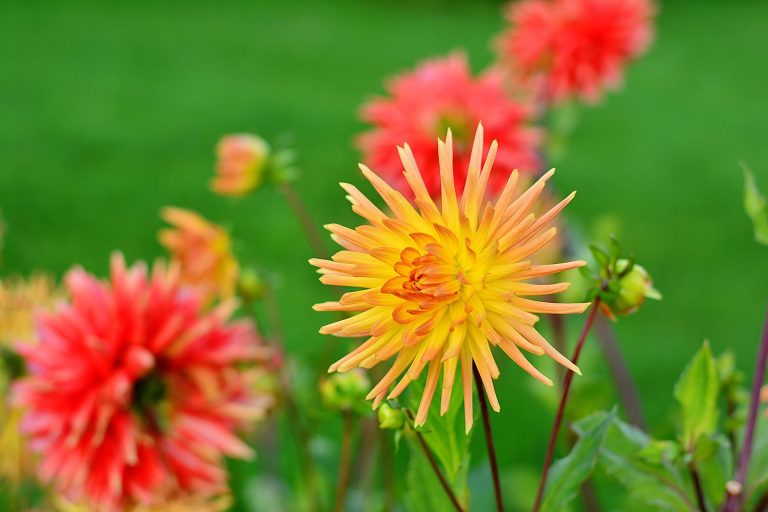
One of the secrets behind every beautiful cottage garden is choosing flowers that make each other look even better. The most memorable borders aren’t random. They’re carefully layered with plants that complement each other in color, height, bloom time, and texture.
In this guide, I’ll share some of my favorite cottage garden flower combinations, along with planting tips and photos from my own garden so you can recreate these timeless pairings.
How to Think About Cottage Flower Pairings
Before diving into specific combos, it helps to understand the underlying logic that makes any pairing succeed.
Color harmony vs. contrast
Soft pastels — blush pinks, lavender, creamy whites — create that dreamy, watercolor mood synonymous with cottage gardens. Bold color punches, like saturated electric blues or burning oranges, inject vivacity and prevent a border from looking washed out. The most satisfying plantings use both: a foundation of harmonious tones with one or two deliberate contrasts to keep the eye moving.
Layering heights
Borrow the thriller/filler/spiller framework from container gardening and apply it to borders. Tall architectural plants command the back or center, medium-height bloomers fill the middle zone, and low-growing or sprawling plants soften edges. Cottage style simply relaxes the rigidity — plants are allowed to lean into each other a little.
Bloom time overlap
A pairing is only as good as its synchronicity. Two gorgeous plants that flower six weeks apart deliver half the impact of two that bloom in joyful unison.
Texture contrast
Pair the feathery with the structural, the airy with the bold. Contrast in form is what gives a planting visual complexity even when the color palette is restrained.
My Classic Cottage Garden Combos
Lupine + Columbine — Vertical Drama Meets Delicate Charm

Why it works
Lupines and columbines are one of my favorite spring combinations because they complement each other so naturally. The tall, colorful spires of lupines add height and structure, while the delicate, nodding flowers of columbines soften the planting with an airy, almost whimsical look. Together they create the relaxed, layered feel that cottage gardens are known for.
I like planting lupines toward the back of the border with columbines weaving through the front. Their different flower shapes and foliage textures help each plant stand out without competing for attention.
Color harmony
Cool shades of lavender, blue, and purple create a timeless cottage garden palette. The lavender-blue columbines in this planting blend beautifully with the deeper violet lupines for a soft, cohesive look. If you prefer something more colorful, try pink lupines with rose-and-white columbines, or pair dark purple lupines with golden-yellow columbines for a striking contrast.
Bloom time compatibility
Both plants bloom in late spring to early summer, making them reliable companions. In my garden, they flower together for several weeks, creating one of the first big displays of the season.
How to plant them together
Plant lupines in the middle or back of the border, spacing them about 18 to 24 inches apart. Tuck columbines in front of and between the lupines, leaving about 12 inches between plants. Allow a few columbines to self-seed if you enjoy a more natural cottage garden look. They often pop up in just the right places.
From My Garden
I’ve found that good drainage makes all the difference with lupines. They struggle in heavy, wet soil, but thrive in loose, well-drained ground. If your lupines aren’t performing well, improving drainage is one of the first things I’d look at.
Delphinium + Cleome — Spires and Spider Flowers in Concert

Why it works
Delphiniums and cleome are one of my favorite combinations for adding height and movement to a cottage garden. The tall, colorful spires of delphiniums provide structure early in the season, while the airy blooms of cleome weave around them without hiding their beauty. The contrast between the bold flower spikes and the delicate spider-like blooms gives the border a full, relaxed look.
What I appreciate most about this pairing is how long it keeps the garden looking colorful. Cleome begins blooming as the delphiniums start to fade, and if I cut my delphiniums back after their first flush, they often reward me with a second round of flowers that overlaps beautifully with the cleome.
Color harmony
Deep blue or purple delphiniums paired with bright pink cleome create a colorful display that always catches the eye. If you prefer a softer look, white cleome planted with pale lavender delphiniums creates a more subtle, elegant combination.
Bloom time compatibility
Delphiniums bloom from early to midsummer, with many varieties producing a second flush after cutting them back. Cleome begins flowering in midsummer and continues until frost, making it an excellent partner for extending color in the border.
How to plant them together
Plant delphiniums toward the back of the border where their tall flower spikes can stand out. Sow cleome after your last frost and allow it to fill in around the delphiniums. Space cleome plants about 18 to 24 inches apart so they have room to develop strong stems and plenty of flowers.
From My Garden
Cleome is one of the easiest annuals to grow once you’ve planted it the first time. I let a few plants go to seed each fall, then simply thin the seedlings in spring. They often appear in just the right places, giving the garden that relaxed cottage garden feel without much effort.
Delphinium + Coreopsis — Cool Blue Meets Blazing Gold

Why it works
Delphinium and coreopsis are one of the happiest flower combinations in my garden. The soft blue flower spikes rising above a blanket of bright yellow blooms create a classic color combination that always catches the eye. Blue and yellow naturally complement each other, making both flowers appear even more vibrant.
I especially like this pairing because the delicate blue delphiniums soften the bold yellow of the coreopsis. Neither plant overpowers the other, and together they create a colorful display that fits perfectly in a cottage garden.
Color harmony
Light blue delphiniums paired with golden-yellow coreopsis create a fresh, cheerful look that works with almost any garden style. If you want more contrast, choose a darker blue delphinium. For a softer palette, pair pale blue delphiniums with buttery yellow varieties like ‘Moonbeam’ coreopsis.
Bloom time compatibility
Belladonna delphiniums usually bloom from late spring into early summer, while coreopsis flowers from early summer well into fall with regular deadheading. Their bloom times overlap nicely, and the coreopsis continues adding color long after the first flush of delphiniums has finished.
How to plant them together
Plant delphiniums toward the middle or back of the border so their tall flower spikes can rise above the surrounding plants. Plant coreopsis in drifts around the base, spacing them about 12 to 18 inches apart. As the coreopsis fills in, it creates a colorful carpet that highlights the taller blooms above.
From My Garden
I’ve learned that good drainage is just as important for coreopsis as it is for delphiniums. Plants growing in wet soil rarely thrive, especially over winter. Since I started planting mine in raised beds with well-drained soil, they’ve returned year after year with very little maintenance.
Pyrethrum + Delphinium — Hot Pink Meets Electric Blue

Why it works
Delphiniums and pyrethrum create one of the brightest displays in a cottage garden. The tall blue flower spikes of the delphinium rise above the cheerful daisy-like blooms of pyrethrum, creating a layered look that’s full of color and texture. The simple flowers of pyrethrum contrast beautifully with the dense flower spikes of delphiniums, allowing each plant to stand out.
I also like how this combination fills the border from top to bottom. The delphiniums provide height while the pyrethrum forms a colorful layer below, making the planting look full without feeling crowded.
Color harmony
Bright pink pyrethrum and deep blue delphiniums create a bold combination that’s hard to miss. If you prefer a softer cottage garden palette, white pyrethrum paired with medium or pale blue delphiniums creates a more relaxed, classic look. Both combinations bring plenty of color to the garden.
Bloom time compatibility
Pyrethrum blooms in late spring to early summer, overlapping nicely with the first flush of delphiniums. After flowering, cut pyrethrum back and it will often reward you with another round of blooms later in the season, especially if your delphiniums produce a second flush.
How to plant them together
Plant delphiniums toward the back of the border and stake them early before the flower spikes become heavy. Grow pyrethrum in groups of three to five plants around the base, spacing them about 12 inches apart. Their fern-like foliage stays attractive throughout the season and helps fill empty spaces between taller plants.
From My Garden
I’ve found that pyrethrum performs best when it’s divided every few years. As the clumps become crowded, flowering slows and the centers can start to die out. I divide mine in early fall and replant the healthiest outer sections. They come back stronger and bloom much more heavily the following season.
Platycodon + Echinacea — Blue Stars Meet Prairie Cones

Why it works
Balloon flower and echinacea make a beautiful midsummer pairing that provides color for weeks. The star-shaped blue blooms of balloon flower stand out against the larger, daisy-like flowers of echinacea, creating plenty of contrast in both color and flower shape. Together they give the border a full, natural cottage garden look without competing for attention.
One thing I especially enjoy about this combination is how long it stays attractive. Both plants bloom through much of the summer, so the display lasts far longer than many early-season perennial pairings.
Color harmony
The cool blue flowers of balloon flower pair beautifully with the rosy pink and purple tones of echinacea. If you have yellow rudbeckia nearby, it adds another layer of color that complements both plants and creates a vibrant late summer border.
Bloom time compatibility
Balloon flower and echinacea bloom at nearly the same time, usually from July through September. Their long flowering season makes them dependable companions that continue providing color well into late summer.
How to plant them together
Plant balloon flowers toward the front or middle of the border, spacing them about 12 inches apart. Position echinacea just behind them, leaving 18 to 24 inches between plants. As they mature, the balloon flowers create a colorful foreground while the taller echinacea adds height and texture behind them.
From My Garden
One thing I’ve learned about balloon flowers is to be patient every spring. They’re one of the last perennials to emerge, and it’s easy to think they didn’t survive the winter. I always mark their location in the fall so I don’t accidentally dig them up while working in the garden. Once they appear, they grow quickly and put on a beautiful display.
Rudbeckia + Asclepias — Golden Summer Meets Blazing Orange

Why it works
Rudbeckia and butterfly weed create a warm, colorful display that shines from midsummer into fall. The bright yellow blooms of rudbeckia pair beautifully with the rich orange flowers of butterfly weed, giving the garden a cheerful look that’s hard to miss. Since both plants bloom at the same time, they create a long-lasting display that’s full of color.
This combination is just as valuable for pollinators as it is for the garden. Bees and butterflies are frequent visitors, and butterfly weed is an important host plant for monarch butterflies. It’s one of those pairings that’s as rewarding for wildlife as it is for the gardener.
Color harmony
The golden-yellow flowers of rudbeckia blend naturally with the deep orange blooms of butterfly weed. Their warm colors create a classic late summer palette that looks right at home in a cottage garden and pairs well with many other summer-blooming perennials.
Bloom time compatibility
Butterfly weed begins blooming in early summer and continues into midsummer, while rudbeckia carries the display well into fall. Together they provide months of color, and after flowering, rudbeckia seed heads continue attracting birds to the garden.
How to plant them together
Plant butterfly weed toward the middle or back of the border where it can remain undisturbed. Space rudbeckia about 18 inches apart in front or around it, planting in groups of three or more for the biggest impact. As the plants mature, they’ll create a colorful drift that’s attractive throughout the growing season.
From My Garden
Butterfly weed teaches patience. It spends its first year developing a deep taproot and may not put on much of a show right away. I’ve learned to leave it where it’s planted because it doesn’t like being moved. Once it’s established, though, it becomes a dependable perennial that returns year after year with very little care.
Lobelia + Goldenrod — Electric Blue Meets Cascading Gold

Why it works
Great blue lobelia and goldenrod create one of my favorite late summer combinations. The deep blue flower spikes of lobelia stand out beautifully against the bright golden blooms of goldenrod, creating a striking display that lasts well into the fall. Since blue and yellow naturally complement each other, both flowers seem even more vibrant when they’re planted together.
I also love the relaxed, natural look these plants create. Instead of planting them in neat rows, let them grow together in loose drifts where they can mingle naturally. The result looks effortless and fits perfectly in a cottage or native garden.
Color harmony
The rich blue flowers of great blue lobelia provide the perfect contrast to goldenrod’s bright yellow blooms. Together they create a colorful display that’s especially eye-catching in late summer when many other flowers are beginning to fade.
Bloom time compatibility
Great blue lobelia blooms from late summer into early fall, overlapping nicely with goldenrod. Their long bloom period makes them one of the best combinations for extending color late in the gardening season while continuing to attract bees and butterflies.
How to plant them together
Plant great blue lobelia in groups of three to five plants near or within drifts of goldenrod. Lobelia appreciates evenly moist soil, while compact goldenrod varieties such as ‘Fireworks’ fit well into cottage garden borders without spreading aggressively. Allow both plants enough space to grow together naturally rather than keeping them separated.
From My Garden
One thing I always like to point out is that goldenrod doesn’t cause seasonal allergies. Many people blame it for hay fever, but ragweed is usually the real culprit because its pollen is carried by the wind. Goldenrod relies on insects for pollination, so its pollen is much heavier and stays where it belongs. It’s a beautiful plant that’s well worth making room for in the garden.
Foxglove + Delphinium — The Quintessential Cottage Pairing

Why it works
If I had to choose one flower combination that captures the look of a classic cottage garden, this would be it. Tall foxgloves and delphiniums create a stunning display of colorful flower spikes that add height, color, and plenty of old-fashioned charm. When planted together, they give the garden a full, layered look that’s both elegant and inviting.
I especially love how these plants fill the back of a border. As more flower spikes open, the planting becomes denser and more colorful, creating the lush cottage garden effect that so many gardeners hope to achieve.
Color harmony
Soft pink foxgloves paired with pale blue delphiniums create one of my favorite cottage garden color combinations. For a bolder look, combine white foxgloves with deep blue or purple delphiniums. Mixing several foxglove colors together also creates a natural, relaxed planting that looks as though it has been growing there for years.
Bloom time compatibility
Foxgloves and delphiniums bloom together in early to midsummer, usually during June and July. After the first flush, cutting back your delphiniums often encourages a second round of flowers later in the season, extending the display.
How to plant them together
Plant both flowers toward the back of the border where their tall flower spikes have room to shine. Position foxgloves slightly in front of the delphiniums, spacing foxgloves about 18 inches apart and delphiniums 24 to 36 inches apart. Stake delphiniums early to keep the flower spikes standing tall through summer storms.
From My Garden
One of the things I enjoy most about growing foxgloves is letting them self-seed. Each spring, I thin the seedlings and move a few into empty spaces around the garden. The volunteers often end up in places I never would have chosen myself, and somehow those unexpected combinations always seem to look the most natural.
Common Cottage Garden Pairing Mistakes
Even beautiful flowers won’t always look their best if they’re paired without a little planning. I’ve made my share of mistakes over the years, and these are the ones I see most often.
Ignoring bloom times
Two gorgeous plants won’t create much of a display if one finishes blooming before the other begins. Before planting, check that their flowering seasons overlap so you can enjoy them together.
Planting tall flowers in front
It’s easy to underestimate how tall plants like delphiniums, foxgloves, and hollyhocks become. Place your tallest flowers toward the back of the border and gradually step down in height toward the front so every plant can be seen.
Pairing plants with different moisture needs
Some flowers thrive in moist soil while others need excellent drainage. Growing them together usually means one plant struggles while the other flourishes. Choose companions with similar growing conditions for the best results.
Using too many bold colors together
A cottage garden should feel colorful, but too many bright flowers competing for attention can look busy instead of charming. I like repeating a few colors throughout the border and using softer shades to tie everything together.
Spacing plants too closely
When plants are young, it’s tempting to squeeze in a few extras. Before long, they’ll compete for sunlight and airflow, making the border look crowded and increasing the chance of disease. Give each plant enough room to mature.
Forgetting to repeat plants
One of the easiest ways to make a cottage garden feel cohesive is to repeat the same flowers or colors throughout the border. Instead of planting one of everything, group plants in drifts or repeat them in several locations to create a more natural, unified look.
Expecting a perfect garden the first year
Cottage gardens improve with time. Perennials need a few seasons to fill in, annuals reseed, and you’ll naturally discover which flower combinations work best in your own garden. Some of my favorite pairings happened because a self-seeded flower appeared in just the right spot.
How to Build Your Own Cottage Garden Combos
 Once you understand the logic, creating your own pairings becomes genuinely enjoyable rather than anxiety-inducing. A simple three-step framework makes it repeatable.
Step one: choose an anchor plant. This is your statement plant — something with strong height, form, or color that defines the character of the combination. Foxglove, delphinium, echinacea, and lobelia all make excellent anchors. The anchor plant sets the mood; everything else responds to it.
Step two: add a contrast. Introduce a plant that differs meaningfully from your anchor in at least two of the four levers: color, height, bloom time, or texture. If your anchor is tall and structural, choose something lower and airy. If it is cool-toned, reach for a warm complement. The contrast is where the visual interest lives.
Step three: fill with texture. Add a third element specifically for visual softness and continuity — feathery foliage, fine-stemmed fillers, or sprawling ground-cover plants. Catmint (Nepeta), lady’s mantle (Alchemilla mollis), or cleome all serve this role beautifully, weaving the composition together and preventing it from looking like a collection of individual plants rather than a unified planting.
This framework, once internalized, becomes instinctive. The process becomes less about following rules and more about listening to what the garden is asking for — which is, ultimately, what separates a good cottage garden from a truly memorable one.
Where to Find Seeds for These Cottage Garden Combos
Many of these cottage garden favorites are easy to grow from seed, and starting them yourself gives you the opportunity to create a fuller, more abundant garden for less. Below are my recommended seed sources for the flowers featured in these combinations.
- Delphinium
- Foxglove
- Lupine
- Echinacea
- Cleome
- Coreopsis
- Balloon Flower
- Columbine
- Pyrethrum
- Rudbeckia
- Milkweed
- Lobelia
- Goldenrod
A Garden That Rewards Experimentation
The greatest gift of a cottage garden is that it does not need to be perfect. Plants spill into each other, self-seeders appear in unexpected places, and beautiful combinations often happen by accident. The best gardens are created through observing what works, moving plants when needed, and trying something new each season.
Many of my favorite combinations came from that same process. Some pairings became instant favorites, while others were quietly rearranged the following spring. That cycle of experimenting and learning is what makes a garden uniquely yours.
Start with one or two combinations from this article, then pay attention to how they perform in your own growing conditions. Over time, you will develop a collection of pairings that feel natural in your garden.
I’d love to hear which flowers have become your favorite companions. Share your combinations in the comments below.
Frequently Asked Questions -Classic Cottage Garden Combos
What flowers look great together in a cottage garden?
Some of the most reliably beautiful cottage garden combinations include foxglove with delphinium, lupine with columbine, and platycodon with echinacea. The key is pairing plants that share bloom time but differ in height, form, or color — a tall, structural plant alongside something airier or lower-growing almost always works. The combos in this guide are all garden-tested and photographed growing together in real conditions.
What is a good combination of flowers for a border?
A reliable formula is to choose one tall anchor plant, one mid-height contrast plant, and one lower filler with interesting texture. For a classic cottage border, try delphinium at the back, pyrethrum in the middle, and coreopsis or catmint at the front edge. This layered approach ensures the border reads well from a distance while rewarding closer inspection with detail and variety.
What flowers go well with echinacea?
Echinacea pairs beautifully with platycodon (balloon flower), rudbeckia, goldenrod, and ornamental grasses. The key is choosing companions that bloom in the same midsummer-to-autumn window and offer textural contrast to echinacea’s bold, domed form. Platycodon in particular is an underrated partner — its clean, star-shaped violet-blue flowers are a striking complement to echinacea’s warm rosy-pink.
What flowers go well with delphinium?
Delphinium is one of the most versatile anchor plants in the cottage garden. It pairs well with foxglove for a classic romantic look, with coreopsis or rudbeckia for bold complementary contrast, with cleome for a long-season display, and with pyrethrum for a vivid, jewel-toned combination. Its height and vertical form mean it works with almost any lower-growing companion — the color you choose determines the mood.
Do lupines and columbines bloom at the same time?
Yes — both are cool-season performers that typically peak in May and June, making them one of the most reliably synchronized spring combos in the cottage garden. Columbine often begins slightly earlier and lupine extends slightly later, which means their combined display can span four to six weeks with good overlap at the peak.
What is the easiest cottage garden flower combination to grow?
Rudbeckia and asclepias (butterfly weed) is one of the most forgiving combinations — both are tough, drought-tolerant once established, largely pest-resistant, and ecologically valuable. They overlap in midsummer bloom, require minimal deadheading, and return reliably year after year. If you are new to cottage gardening and want something that will perform without intensive management, this pairing is an excellent starting point.
Can you mix annuals and perennials in a cottage garden?
Absolutely — in fact, the intermingling of annuals and perennials is one of the defining characteristics of cottage style. Annuals like cleome fill gaps quickly, bloom prolifically, and self-seed for future seasons. Perennials like echinacea, platycodon, and rudbeckia return and expand each year, forming the structural backbone of the border. Growing both together gives you the reliability of perennials with the flexibility and abundance of annuals.
How do I stop my cottage garden combinations from clashing?
The simplest safeguard is to choose a color anchor — one dominant hue that repeats through the border — and build around it. Blue and violet are particularly useful anchors in cottage gardens because they harmonize with almost every other color. If in doubt, introduce white or cream as a buffer between colors that might otherwise fight. Height layering also helps: when plants are at different levels, even bold color contrasts feel intentional rather than chaotic.