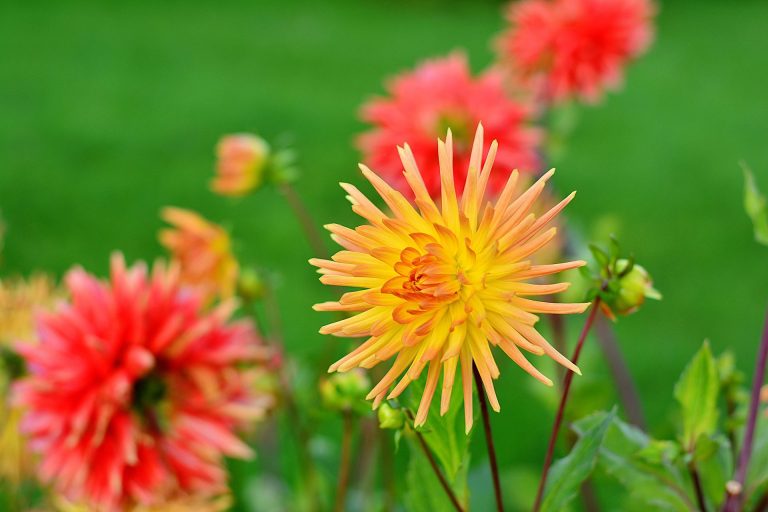
Cosmos come in far more colors, forms, and sizes than the classic pink and white flowers most gardeners picture. From deep burgundy Rubenza to pale yellow Xanthos and frilly Double Click, these are some of the most beautiful cosmos varieties I’ve grown and admired in gardens.
This guide highlights some of the best cosmos flower varieties for home gardeners. From classic pastel blooms to bold, eye catching colors, these selections offer reliable growth, steady flowering, and strong garden presence. Whether you want tall stems for cutting or compact plants for borders, there is a cosmos variety that fits your space.
If you have ever wondered which cosmos are most popular or which varieties are worth planting, this list helps narrow the choices with confidence.
Why Grow Cosmos in Your Garden?
Low Maintenance and High Impact
Cosmos are a dream for those who prefer low-maintenance plants. They flourish in poor soils and require little watering, making them an ideal choice for eco-conscious gardeners. Yet, their impact is anything but minimal—they transform ordinary gardens into dazzling spectacles. Their ability to thrive with little effort allows gardeners to focus on enjoying the beauty rather than toiling over care.
A Pollinator Magnet: Attracting Bees, Butterflies, and Birds

Cosmos flowers are a magnet for beneficial pollinators, drawing bees, butterflies, and even hummingbirds. Their nectar-rich blooms support garden ecosystems, ensuring other plants thrive alongside them. Watching these visitors flit about adds an extra layer of joy to any garden. They create a lively, interactive space that feels alive with the hum of nature.
The Versatility of Cosmos: From Cottage Gardens to Modern Landscapes
Few flowers are as adaptable as cosmos. They blend seamlessly into rustic, cottage-style gardens with their natural, untamed look. In modern landscapes, they add softness and movement, balancing the rigid lines of contemporary designs. Whether filling borders or standing tall in wildflower meadows, cosmos elevate every garden setting they inhabit.
A Glimpse into the Beauty and Versatility of Cosmos
 Cosmos flowers come in an astonishing array of colors and sizes, each variety offering something unique. Their tall, slender stems sway gracefully in the breeze, creating a dynamic visual appeal. Whether planted en masse for dramatic impact or sprinkled throughout a garden for pops of color, they adapt beautifully to your design vision. This versatility is why cosmos have remained a beloved choice across diverse gardening styles for generations.
How to Choose the Right Cosmos Varieties
Understanding Colors, Heights, and Bloom Times
From dwarf varieties that thrive in containers to towering plants that make bold statements, cosmos offer something for everyone. Their bloom times vary, ensuring a continuous display when you mix varieties. With colors ranging from soft pastels to vivid reds, the cosmos flower can complement any garden palette. This diversity ensures there’s a cosmos for every gardener’s taste and style.
The Classics: Tried-and-True Cosmos Varieties
Sensation Mix: The Garden Staple That Never Fails
 This iconic variety is a favorite for a reason. Its mix of pink, white, and magenta flowers creates a cheerful and timeless look. The Sensation Mix grows tall, making it perfect for the back of borders or as a stunning standalone display. Its reliability and prolific blooms make it a go-to choice for both beginners and seasoned gardeners.
Sensation Mix thrives in full sun and well-drained soil, making it an easy-care addition to any garden. These beautiful blooms attract pollinators like bees and butterflies, adding even more life and vibrancy to your outdoor space. Whether you’re looking to create a vibrant cottage garden or a striking backdrop for other flowers, Sensation Mix is sure to impress.
➡️ Find Cosmos Sensation Seeds Here
Sonata Series: Compact and Perfect for Containers
 The Sonata Series offers all the beauty of cosmos in a compact form. These dwarf plants bloom prolifically, making them ideal for patio pots or small gardens. Their tidy growth habit ensures a polished appearance. Despite their smaller size, they pack a punch of color and charm, perfect for enhancing any space. The Sonata Series is also incredibly easy to grow, thriving in full sun and requiring minimal maintenance. These cheerful blooms will continue to flower throughout the season, adding a burst of color and attracting pollinators to your garden or patio.
➡️ Find Cosmos Sonata Seeds Here
.
Vibrant and Unique Cosmos Varieties to Explore
Rubenza: A Bold Burgundy Beauty
 Rubenza commands attention with its deep red blooms that soften into a dusky rose. This variety brings a dramatic flair to any garden bed, standing out among more traditional choices. Its bold hues are perfect for creating a focal point or adding richness to mixed plantings. The striking color contrast of Rubenza makes it an ideal companion for lighter-hued flowers, creating a dynamic and eye-catching display throughout the season.
➡️ Find Cosmos Rubenza Seeds Here
.
Seashells Mix: Delicate Petals with a Unique Twist
 With tubular, fluted petals resembling seashells, this variety adds texture and whimsy. Seashells Mix is a conversation starter, perfect for gardeners seeking something truly unique. Its playful form contrasts beautifully with more traditional blooms, making it a standout in any garden. The blend of soft, pastel shades in Seashells Mix creates a serene and charming atmosphere, enhancing both modern and cottage-style gardens.
➡️ Find Cosmos Seashells Seeds Here
.
Xanthos: The Soft Yellow Cosmos That Steals the Show
 Xanthos is a game-changer with its pale yellow blooms—a rare hue in the cosmos family. Its compact size and delicate color make it a standout for edging and containers. This variety offers a touch of elegance that’s both subtle and striking, fitting effortlessly into any design.
Xanthos pairs beautifully with bolder colors, providing a soft contrast that highlights the vibrancy of other plants. Its graceful appearance and low-maintenance nature make it perfect for gardeners looking to add a unique yet refined touch to their landscapes.
➡️ Find Cosmos Xanthos Seeds Here
Cosmos for the Color Enthusiast
Bright Lights: A Kaleidoscope of Warm Hues
 Bright Lights is a must-have for anyone who loves fiery shades of orange, red, and yellow. Its vibrant colors light up garden beds, creating a cheerful and dynamic display. This variety thrives in full sun, adding warmth and energy to your outdoor space. For gardeners seeking boldness, Bright Lights is an unbeatable choice. With its long-lasting blooms and robust growth, Bright Lights is perfect for creating a show-stopping centerpiece or a striking border in any garden.
➡️ Find Cosmos Bright Lights Seeds Here
.
Double Click Mix: Frilly, Textured Blooms That Add Drama
 The Double Click Mix brings a touch of sophistication with its ruffled, semi-double blooms. Available in shades of pink, white, and crimson, these flowers add depth and texture to any planting scheme. They are a favorite for cutting gardens, as their unique forms make arrangements stand out. With their dramatic flair, these cosmos elevate any garden display. The Double Click Mix’s sturdy stems and long-lasting flowers ensure that its beauty endures, making it a reliable choice for both bouquets and garden beds.
➡️ Find Cosmos Double Click Seeds Here
.
Apricot Lemonade: The Pastel Favorite for Subtle Elegance
 Apricot Lemonade is a soft, dreamy cosmos that charms with its pastel hues. Its apricot-pink petals with pale lemon centers create a delicate, watercolor effect. This variety is perfect for gardeners who want understated beauty that whispers rather than shouts. Pair it with other pastels for a harmonious and elegant look. Apricot Lemonade also thrives in containers and smaller spaces, making it a versatile addition to any garden or patio setting.
.
➡️ Find Cosmos Apricot Lemonade Seeds Here
Cosmos for the Cutting Garden
Purity: A White Cosmos That Elevates Every Arrangement
 Purity is the go-to choice for a timeless and refined cutting garden. Its crisp white blooms on long, slender stems make it a florist’s dream. These flowers add lightness and sophistication to bouquets, pairing beautifully with any other blooms. With Purity in your garden, you’ll always have stunning flowers for arrangements. The strong, straight stems of Purity ensure that the flowers stay upright and look pristine, even in breezy conditions, making them perfect for long-lasting displays.
➡️ Find Cosmos Purity Seeds Here
Fizzy Rose Picotee: A Bi-Colored Delight for Bouquets
 Fizzy Rose Picotee stands out with its white petals edged in rosy pink. This bi-colored cosmos adds charm and interest to both gardens and floral arrangements. Its whimsical appearance makes it a favorite for weddings and special occasions. Whether in the garden or a vase, Fizzy Rose Picotee always impresses. The delicate contrast between the pink edges and white center creates a soft, romantic look, making it an ideal choice for adding a touch of elegance to any setting.
➡️ Find Cosmos Fizzy Rose Picotee Seeds Here
.
Growing and Caring for Cosmos
How to Start Cosmos from Seed: Indoors and Outdoors
Starting cosmos from seed is an easy and rewarding way to bring vibrant, cheerful blooms to your garden. For indoor sowing, start seeds 4–6 weeks before your last expected frost. Fill seed trays with a light, well-draining potting mix, pressing seeds lightly into the surface without covering them—cosmos seeds need light to germinate. Keep the trays in a warm location with temperatures around 70°F and mist them gently to maintain moisture. Germination typically occurs within 7–10 days.
Once seedlings develop their second set of leaves, transplant them into larger pots, and gradually acclimate them to outdoor conditions before planting in your garden after the frost date. For more information on starting seeds indoors, see my post “How to Start Flower Seeds Indoors“.
If you prefer direct sowing, wait until after the danger of frost has passed and the soil has warmed to at least 60°F. Choose a sunny location with well-drained soil, and scatter seeds thinly on the surface, lightly pressing them into the soil. Water gently to keep the area moist until germination occurs, which typically takes 7–10 days. Thin seedlings to about 12–18 inches apart once they are a few inches tall to allow room for their airy foliage and abundant blooms. Direct sowing is perfect for wildflower meadows or casual garden beds, as cosmos quickly establish themselves and flourish with minimal effort.
Whether started indoors for a head start or directly outdoors for simplicity, cosmos seeds grow into resilient plants that reward you with a season-long display of color and charm. Their versatility and ease of care make them a favorite choice for gardeners of all levels.
The Best Soil and Sunlight for Cosmos Success
Cosmos thrive in well-drained soil with moderate fertility, proving they’re not fussy plants. Full sunlight is essential for their prolific blooming, so plant them where they’ll bask in at least six hours of daily sun. Avoid overly rich soil, as it can lead to lush foliage at the expense of blooms. A little neglect works in their favor, making them a gardener’s delight.
Watering and Feeding Tips for Maximum Blooms
While cosmos are drought-tolerant, occasional deep watering during dry spells keeps them looking their best. Overwatering should be avoided, as it can lead to root rot. Feeding is rarely necessary, but a light application of balanced fertilizer early in the season can boost bloom production. Their resilience ensures they thrive even with minimal care.
How to Deadhead and Extend the Blooming Season
Regular deadheading is the key to keeping cosmos flowers blooming from summer through fall. Removing spent flowers encourages the plant to produce more buds, extending its floral display. Leave some seed heads at the end of the season to self-sow for next year. This simple task ensures your garden stays vibrant and alive with color.
Companion Planting with Cosmos
The Perfect Partners for Cosmos in Flower Beds
Cosmos pair beautifully with other flowers like zinnias, marigolds, and dahlias. Their airy foliage provides a soft backdrop for bolder blooms, creating a balanced composition. They also work well with tall grasses, adding movement and texture to garden borders. Together, these companions create a stunning, harmonious display.
Vegetables That Benefit from Cosmos Companionship
Planting cosmos near vegetables like tomatoes and beans brings multiple benefits. Their blooms attract pollinators that boost fruit and vegetable yields. Additionally, cosmos can act as trap plants, drawing pests away from your edibles. This symbiotic relationship makes them a valuable addition to vegetable gardens.
Harvesting and Using Cosmos Flowers

How to Cut and Condition Cosmos for Arrangements
To ensure your cosmos blooms are at their best for arrangements, harvest them in the morning when the flowers are fully open but still fresh. Use sharp scissors or pruners to make clean cuts, and place the stems directly into water to maintain hydration. Removing lower leaves is crucial to prevent rot and keep your arrangements looking fresh and tidy.
For longer-lasting blooms, condition the cosmos stems by using a floral preservative in the water. This simple step extends their vase life, allowing you to enjoy their vibrant colors and delicate charm for several days. With proper care, cosmos flowers make stunning additions to bouquets and brighten any space with ease.
Troubleshooting Cosmos Problems
Common Pests and Diseases to Watch For
While cosmos are generally trouble-free, they can occasionally face pests like aphids and spider mites. Keep an eye out for these tiny invaders and treat infestations with insecticidal soap or neem oil. Diseases like powdery mildew can occur in humid conditions, but proper spacing and airflow minimize the risk. With a little vigilance, your cosmos will stay healthy and thriving.
Tips for Reviving Struggling Cosmos Plants
If your cosmos appear stressed, assess their environment for issues like overwatering or poor sunlight. Trim back leggy or damaged growth to encourage fresh blooms. Adding a layer of mulch can help retain soil moisture during hot weather. With quick intervention, most cosmos plants bounce back and resume their cheerful displays.
Designing with Cosmos in Your Landscape

Cosmos in Wildflower Meadows: Creating a Natural Look
Cosmos are a quintessential choice for wildflower meadows, bringing color and life to naturalized spaces. Their carefree growth habit blends seamlessly with other wildflowers, creating a relaxed, organic look. Planting cosmos in meadows encourages biodiversity, attracting pollinators and beneficial insects.
Border Gardens and Cosmos: Adding Height and Texture
Tall cosmos flower varieties are perfect for adding height and drama to border gardens. Their feathery foliage softens hard edges, while their blooms provide striking visual contrast. Plant them in clusters for impact or mix them with perennials to add texture and movement. In borders, cosmos shine as versatile and elegant additions.
History and Origins of Cosmos
From Mexico to the World: The Journey of Cosmos
Originating in Mexico, cosmos have a rich history deeply rooted in the Americas. Spanish missionaries first cultivated them for their symmetrical blooms, which they saw as a reflection of divine order. Over time, these flowers traveled across continents, becoming a favorite in gardens around the globe. Today, they are a symbol of beauty and resilience, cherished by gardeners everywhere.
The Symbolism of Cosmos in Gardens and Bouquets
The Cosmos flower symbolizes harmony, balance, and tranquility. Their evenly spaced petals and radiant colors evoke feelings of serenity and peace. In floral arrangements, they bring understated elegance, serving as a reminder of the beauty in simplicity. For centuries, cosmos flowers have been gifted as tokens of love, joy, and connection, making them timeless favorites in bouquets.
Conclusion
This year, let your garden bloom with the unmatched charm of cosmos. Experiment with new varieties to discover colors, shapes, and sizes that captivate your imagination. Whether you’re a seasoned gardener or a first-time planter, cosmos promise beauty and joy in abundance.
FAQ – Cosmos Flower Varieties
What are cosmos flowers, and why are they popular?
Cosmos are daisy-like flowers with vibrant hues and feathery foliage, known for their effortless beauty and whimsical charm. They are popular for their long blooming season, low-maintenance care, and ability to thrive in various garden styles.
Where do cosmos originate, and what do they symbolize?
Cosmos originate from Mexico and are cherished worldwide. They symbolize harmony, balance, and tranquility, making them a favorite for gardens and floral arrangements.
What conditions do cosmos need to thrive?
Cosmos prefer well-drained soil and full sunlight, requiring at least six hours of daily sun. They thrive in moderate to poor soil and are drought-tolerant, making them easy to care for.
How can I extend the blooming season of cosmos?
Regular deadheading—removing spent blooms—encourages cosmos to produce new flowers. At the season’s end, leave some seed heads to self-sow for next year’s blooms.
What are the best companion plants for cosmos?
Cosmos pair beautifully with zinnias, marigolds, and dahlias in flower beds. They also work well with vegetables like tomatoes and beans, attracting pollinators and benefiting the garden ecosystem.
Can cosmos be grown in containers?
Yes, compact varieties like the Sonata Series are perfect for containers. They bring vibrant color to patios and small spaces while remaining easy to maintain.
How do I use cosmos in floral arrangements?
Harvest cosmos in the morning when blooms are fresh. Trim lower leaves to prevent rot and place stems in water with floral preservative for longer-lasting arrangements.
Are cosmos beneficial for pollinators?
Absolutely! Cosmos attract bees, butterflies, and hummingbirds, supporting biodiversity and creating a lively, interactive garden space.
Do cosmos require much watering or feeding?
Cosmos are drought-tolerant and require minimal watering, though occasional deep watering during dry spells helps. Fertilizer is rarely needed, as overly rich soil can reduce blooms.
What are some unique cosmos varieties to try?
- Sensation Mix: A cheerful blend of pink, white, and magenta.
- Rubenza: Deep red blooms fading to dusky rose.
- Xanthos: Compact plants with soft yellow flowers.
- Double Click Mix: Ruffled semi-double blooms in dramatic shades.
How can I prevent pests or diseases in cosmos?
Monitor for pests like aphids and spider mites, treating with neem oil if necessary. To avoid powdery mildew, ensure proper spacing and airflow around plants.
Can cosmos be used in wildflower meadows?
Yes, cosmos are perfect for wildflower meadows, blending naturally with other flowers and supporting biodiversity. They create a relaxed, natural aesthetic.