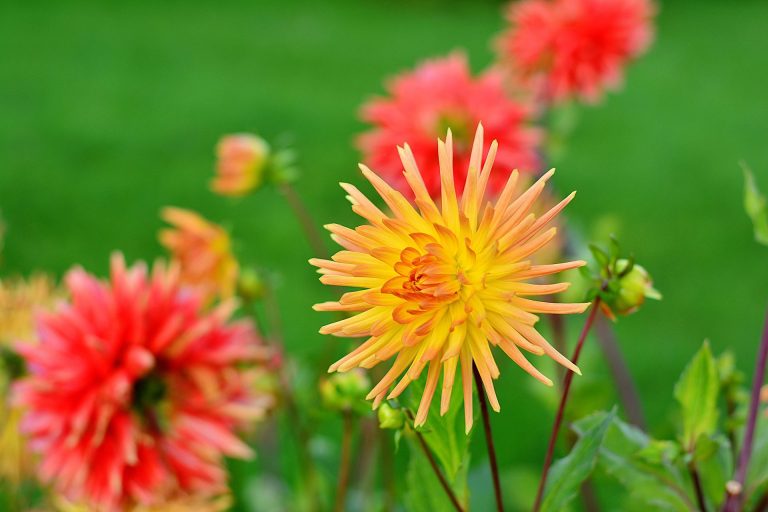
A cottage garden for shade might sound like a contradiction, but it has become one of my favorite parts of my own yard. The east, north, and west sides of my house get real shade from the surrounding trees, and instead of fighting that, I built a garden that leans into it. What I learned over the years is that you do not need a sunny backyard to grow something layered, charming, and just a little overgrown in the best way.
Cottage gardens are known for their sunny, flower-packed borders, but shade opens up a different kind of beauty. Foliage takes center stage, textures become more important, and the plants that thrive here bring their own quiet drama. Hostas, ferns, astilbes, bleeding hearts, and coral bells form the backbone of my shady beds, while annuals like impatiens and coleus fill in color through the season.
The biggest shift in my thinking happened when I stopped trying to force sun lovers into shady corners and started working with the light I actually had. Whether your garden gets a little morning sun, dappled light through the trees, or almost no direct sun at all, you can still build a cottage garden for shade that feels abundant and welcoming. These are the plants I return to again and again in my own beds, and I hope they give you a starting point for yours.
What Makes a Shade Garden Feel Like a Cottage Garden?

A cottage garden is defined as much by how it is planted as by which flowers fill it. The goal is an informal, layered look where plants mingle instead of standing in tidy rows, and that philosophy translates beautifully into shade. In fact, I think foliage does more heavy lifting in a shady cottage garden than it ever does in a sunny border.
Here are the design elements I keep coming back to when I plan a shady bed.
Layers and height matter. I combine tall plants, mid height flowers, and low growing foliage so the eye has somewhere to travel. Informal planting is just as important, so I let plants overlap and soften each other rather than arranging everything on a grid.
Repetition ties a bed together. I repeat a few favorite plants or colors throughout the space, which creates cohesion even when the planting feels loose. I also treat foliage as part of the design rather than filler, and I let suitable plants spill toward the path edges while still leaving room to walk through and maintain the bed.
A cottage garden should feel a little unplanned, but that does not mean it is thrown together. If you want a deeper look at these principles, I cover them in my post on cottage garden design and the ten elements that create the classic look.
My post, Cottage Garden Design: 10 Elements That Create the Classic Look , covers these design principles in greater detail.
Understanding the Different Types of Shade

Before you choose plants for a cottage garden in shade, it helps to understand exactly how much light your space is working with. Shade is not one single condition, and the difference between dappled light and deep shade can make or break your plant choices.
Morning sun with afternoon shade is often the easiest situation for cottage garden plants, since they get direct light without the harshest afternoon heat. Dappled shade, where light filters through tree branches, is ideal for woodland plants, ferns, and many shade tolerant perennials that appreciate a changing pattern of sun and shadow.
Partial shade generally means several hours of direct sun or bright filtered light each day, and many flowering plants perform their best here, especially with consistent soil moisture. Deep shade receives very little direct sun, so I lean on foliage plants rather than heavy bloomers, since even shade tolerant flowers may produce fewer blooms in these conditions.
Dry shade deserves its own mention because it is one of the trickiest situations in a garden. Shade under mature trees is often dry as well as dark, since tree roots compete with everything else for water. A plant that is labeled shade tolerant can still struggle if the soil beneath it stays parched, so pay attention to moisture just as closely as you pay attention to light.
12 Shade-Loving Plants for a Cottage Garden
These are the plants I actually grow on the shadiest sides of my house, the north, east, and west beds. Together they give me flowers, foliage, height, and interest through most of the growing season. Hardiness zones below are general USDA ranges and can shift depending on the specific species or cultivar.
Hosta: Reliable Foliage for a Cottage Garden in Shade

Hostas are hardy in USDA zones 3 through 9 and range from about 6 inches to 4 feet tall, with spreads of 1 to 6 feet depending on the variety. They bloom in summer, though most gardeners grow them for the foliage rather than the flowers.
I consider hostas one of the most useful plants for building a lush shade garden. Their leaves come in green, blue, gold, and variegated combinations, which gives me endless options for contrast and texture throughout a bed.
Plant hostas in well drained soil with consistent moisture, and divide them in spring as new growth emerges or in early fall if needed. Cut back the foliage after it collapses from frost. Slugs and snails are the most common problem, especially in damp gardens, so keep an eye out for chewed leaf edges.
🌿Find Hostas Here
Astilbe: Feathery Summer Flowers for Moist Shade

Astilbe grows in USDA zones 3 through 8 and reaches about 1 to 4 feet tall and 1 to 3 feet wide. It blooms from late spring through summer with soft, feathery plumes in pink, white, red, and lavender.
I love how astilbe looks against broad hosta leaves and delicate ferns. The upright plumes add a completely different texture to the bed and help break up all that rounded foliage.
Astilbe prefers partial shade and rich, consistently moist soil. Divide crowded clumps in spring or early fall, usually every 3 to 5 years as needed, and cut back declining foliage in late fall or early spring. Dry soil is the main issue to watch for, since it can cause browning leaves and disappointing flowers.
🌿Find Astilbe Here
Foxglove: Tall Cottage Garden Spires for Partial Shade

Common foxglove, Digitalis purpurea, is generally grown in USDA zones 4 through 9. It reaches about 2 to 5 feet tall and 1 to 2 feet wide, blooming from late spring through summer.
Foxgloves bring some of the most recognizable cottage garden charm into a shady border. Their tall spires add real height and a slightly wild, old fashioned feeling that I think every cottage garden needs somewhere. Many common foxgloves are biennial, flowering in their second year before setting seed.
Grow foxglove in moist, well drained soil with partial shade or dappled light. Remove spent flower stalks after blooming if you want to limit self seeding, or leave a few in place to encourage new plants. Cut back old foliage once it declines, and remember that foxglove is toxic if eaten, so think carefully about placement around children and pets.
🌿Find Foxglove Here
Bleeding Heart: Romantic Spring Flowers for Shade

Common bleeding heart, Lamprocapnos spectabilis, (formerly Dicentra) is generally hardy in USDA zones 3 through 9 and reaches about 2 to 3 feet tall and wide. It blooms in spring with arching stems of heart shaped flowers.
Bleeding heart feels like a natural fit for a romantic shade garden, and it is one of the first plants I look for every spring. The arching stems bring movement to a bed, and the flowers look especially lovely paired with ferns, hostas, and spring bulbs.
Plant bleeding heart in partial to full shade in moist, well drained soil. The foliage often yellows and goes dormant during hot summer weather, which is completely normal. Divide in early spring or after the foliage dies back in late summer or fall, though division is rarely necessary, and avoid poorly drained soil where root problems can develop.
🌿Find Bleeding Heart Here
Lady’s Mantle: Soft Texture and Chartreuse Color for Shade

Lady’s mantle is generally hardy in USDA zones 3 through 8, depending on the species, and grows about 12 to 18 inches tall and 18 to 24 inches wide. It blooms from late spring through summer with sprays of small chartreuse flowers.
I use lady’s mantle to soften the edges of a path or create a transition between taller plants and the front of a border. The rounded, scalloped foliage catches dew beautifully in the morning, which is a small detail I never get tired of.
Grow lady’s mantle in partial shade with well drained soil and regular moisture. Divide in spring or early fall if the plant becomes crowded, and cut back foliage and flower stems after flowering for a tidier look and less self seeding. Slugs can occasionally damage the leaves in damp conditions.
🌿Find Lady’s Mantle Here
Primrose: Cheerful Early-Spring Color for a Shady Garden

Primroses are generally hardy in USDA zones 4 through 8, depending on species and cultivar, and grow about 6 to 18 inches tall and wide. They bloom in early to mid spring, with some types flowering later in the season.
Primroses are one of my favorite ways to bring cheerful color into a shady bed before most summer perennials have even woken up. Depending on the variety, the flowers can be yellow, pink, red, purple, or white.
Primroses prefer cool, moist, well drained soil and partial shade. Divide established clumps in early fall or right after flowering while the weather is still cool, and remove spent flowers to encourage more blooms. Poor drainage is the main risk here, since it can lead to crown rot.
🌿Find Primrose Here
Impatiens: Long-Lasting Annual Color for Full or Partial Shade

Impatiens are generally grown as annuals in colder climates and reach about 6 to 24 inches tall and wide, depending on the type. They bloom from late spring until frost.
Impatiens are one of the easiest ways to add a generous, reliable pop of summer color to a shady cottage garden. I use them to fill gaps between perennials or to brighten up containers near the porch.
Plant impatiens after the danger of frost has passed, in rich, well drained soil. Keep the soil evenly moist without letting it stay waterlogged, and know that pinching is usually unnecessary, though leggy stems can be trimmed lightly. Watch for downy mildew, which can cause yellowing leaves and sudden plant collapse.
🌿Find Impatiens Here
Coleus: Colorful Foliage for a Shade Cottage Garden

Coleus is generally grown as an annual outside tropical climates and reaches about 1 to 3 feet tall and wide, depending on the variety. It is grown almost entirely for its foliage rather than its flowers.
Coleus earns its place in my shady beds by adding color where flowers simply cannot keep up. The foliage ranges from burgundy to lime green to bronze, and some varieties are patterned with several colors at once.
Plant coleus after frost in rich, well drained soil, and pinch the growing tips regularly to encourage bushier growth. Remove flower spikes if you want the plant to focus its energy on foliage instead. Coleus does not need division, but stem cuttings root easily, and the main issues to watch for are leggy growth, aphids, and root problems from overly wet soil.
🌿Find Coleus Here
Ferns: Lush Texture and Structure for a Woodland-Style Cottage Garden

Hardiness varies by species, but many garden ferns are suitable for USDA zones 3 through 9. Size ranges from about 1 to 5 feet tall and wide depending on type, and ferns do not produce flowers.
Ferns provide the texture that makes a shade garden feel full and layered rather than sparse. Their fronds contrast beautifully with broad hosta leaves and rounded coral bells, and they are especially effective in a woodland style cottage garden.
Choose a fern based on your actual growing conditions, since some prefer consistently moist soil while others tolerate drier shade once established. Divide hardy ferns in spring before new growth expands, and cut back old fronds in late winter or early spring before new fiddleheads emerge. Slugs may damage young fronds early in the season.
🌿Find Ferns Here
Hydrangea: Big Summer Blooms for a Shady Cottage Garden

Hydrangeas are hardy in USDA zones 3 through 9, depending on species and cultivar, and reach about 2 to 8 feet tall and wide depending on type. They bloom from summer into early fall.
Hydrangeas bring exactly the kind of lush, romantic look I want in a cottage garden. Their large flower clusters act as a strong focal point, and their full foliage helps fill in shady corners that might otherwise look bare.
Keep hydrangeas consistently watered, especially during hot, dry weather, and plant them in rich, well drained soil. Pruning depends entirely on the type you are growing, so identify your hydrangea before you cut it back. Bigleaf and oakleaf hydrangeas flower on old wood, while smooth and panicle hydrangeas flower on new wood, and mixing up the timing is the most common mistake I see.
🌿Find Hydrangea Here
Coral Bells: Colorful Leaves and Delicate Flowers for Shade

Coral bells, or Heuchera, are generally hardy in USDA zones 4 through 9, depending on cultivar, and grow about 8 to 18 inches tall and 12 to 24 inches wide. They bloom from late spring through summer.
Coral bells are one of my go to plants for foliage color in a shady bed. Their leaves range from green and silver to burgundy, caramel, and nearly black, and the delicate flower sprays feel like a bonus on top of already gorgeous foliage.
Grow coral bells in partial shade with well drained soil, and avoid planting the crown too deeply, since this can encourage rot. Divide or lift and reset plants in spring every 3 to 4 years if they become crowded or develop a woody center. Remove spent flower stalks after blooming and trim damaged foliage in spring.
🌿Find Coral Bells Here
Great Blue Lobelia: Tall Blue Flowers for Moist Shade

Great Blue Lobelia, Lobelia siphilitica, is generally hardy in USDA zones 3 through 9 and grows about 2 to 4 feet tall and 1 to 2 feet wide. It blooms from mid to late summer, often stretching into early fall.
I reach for Great Blue Lobelia whenever I want vertical interest in a moist, shady bed. Its upright stems and true blue flowers stand out beautifully against pinks, whites, and greens, and it blooms later than many of the other plants on this list.
Plant it in partial shade or dappled light with consistently moist soil. Cut back spent flower stalks after blooming if you want to limit self seeding, or leave some in place to encourage new plants. Divide in spring or early fall if clumps become crowded, and watch for slugs and snails, especially in damp conditions.
🌿Find Great Blue Lobelia Here
Cottage Garden Plant Combinations for Shade

Thinking in combinations rather than individual plants makes it much easier to build a shady cottage garden that feels full and cohesive from the start. Here are four groupings I return to often in my own beds.
A spring shade combination of bleeding heart, primrose, ferns, and coral bells offers early flowers, varied foliage, and a woodland feeling right when the garden is waking up. Primroses brighten the front of the bed from late winter through spring, coral bells contribute colorful foliage, bleeding hearts add graceful arching stems, and ferns fill in the gaps between everything else.
A summer shade combination of astilbe, hosta, coral bells, and hydrangea relies on contrast rather than a single showstopper. Astilbe provides soft flower plumes, hostas contribute bold leaves, coral bells add foliage color, and hydrangeas bring height, creating abundance without asking every plant to bloom at once.
A dry shade combination of coral bells, lady’s mantle, and a fern suited to dry conditions requires more careful plant selection. Choose plants that genuinely tolerate dry shade, improve the soil where practical, and water new plantings consistently while they establish, since areas under mature trees often need extra attention.
A moist shade combination of astilbe, Great Blue Lobelia, hosta, and ferns is well suited to rich, moisture retentive soil. The upright blue flowers of Great Blue Lobelia complement the soft plumes of astilbe, while hostas and ferns create the lush foliage foundation underneath.
How to Make a Shady Cottage Garden Feel Full of Color

When gardeners think about color, they usually think first about flowers, but in a shady cottage garden foliage is just as important. In fact, foliage is often what keeps a bed looking full between bloom periods, which matters a lot in shade where flowering windows can be shorter.
I treat foliage as part of my actual color palette. Hostas, coral bells, coleus, and ferns offer shades of green, burgundy, bronze, silver, and gold, and that variety creates contrast even when nothing is currently in bloom.
Planning for bloom succession keeps the garden interesting from one season to the next. Primroses open the season, followed by bleeding hearts and foxgloves, while astilbes, impatiens, and Great Blue Lobelia carry color through summer and into early fall.
Spring: Primrose → Bleeding Heart → Foxglove
Summer: Astilbe → Impatiens → Hydrangea
Late Summer/Fall: Great Blue Lobelia → Hydrangea → Foliage
Pale flowers do a lot of work in dark corners. White, soft pink, pale yellow, and light lavender blooms stand out beautifully in shade, adding brightness without making the planting feel harsh or out of place.
Combining different textures ties the whole bed together. Large leaves, fine foliage, upright flowers, and mounding plants all contribute to that sense of abundance I look for, with ferns and astilbes adding softness while hostas and coral bells act as stronger visual anchors.
Containers are also worth considering if you want seasonal color in a shady spot or more control over soil and moisture. I use coleus and impatiens in pots near my path and porch whenever I want a quick, reliable boost of color.
A Simple Shade Cottage Garden Planting Recipe

If you want a starting point rather than a blank page, here is a simple recipe I would use for a partially shaded bed with average to moist soil.
Start with 2 to 3 astilbes for soft, upright flower plumes, then add 2 hostas for bold foliage and structure. Include 2 coral bells for foliage color in the lower layers, 1 bleeding heart for spring flowers and romantic arching stems, and 1 to 2 Great Blue Lobelia for late season blue flowers.
Repeat the same plants in small groups rather than planting one of everything you like. That repetition is what makes a cottage garden feel abundant and intentional, even when the overall planting style is informal.
If your garden runs drier, substitute plants suited to those conditions instead of copying a moist shade combination exactly. If you are working with deep shade, lean more heavily on foliage, texture, and a small number of carefully chosen flowering plants.
Frequently Asked Questions About A Cottage Garden for Shade
Can you create a cottage garden in full shade?
Yes, although the plant palette will be different from a sunny cottage garden. Full shade is best approached with foliage plants, woodland perennials, and shade-tolerant flowers that can handle limited direct sunlight. Hostas, ferns, coral bells, and bleeding hearts are useful choices, depending on the conditions.
What is the best flower for a shady cottage garden?
There is no single best flower for every shady garden. Astilbe is a strong choice for moist partial shade, bleeding heart is excellent for spring interest, foxglove adds height, and Great Blue Lobelia is useful for moist areas with late-season color. The right choice depends on light, moisture, soil, and hardiness.
How do you make a shady garden look colorful?
Use foliage color as well as flowers. Coral bells, coleus, hostas, and ferns can provide contrast through leaf color and texture. Add flowering plants with different bloom times, and use pale flowers to brighten darker areas.
Can annuals be used in a shady cottage garden?
Absolutely. Impatiens and coleus are particularly useful for adding seasonal color and filling gaps among perennials. Containers can also make it easier to add flowers to shady areas where you want a little extra color.
What perennials work best for a cottage garden in shade?
Hostas, astilbes, bleeding hearts, coral bells, and ferns are some of the most dependable shade perennials for a cottage garden. Each brings a different combination of foliage, bloom time, and texture to the bed.
How much sun does a shade cottage garden actually need?
Most shade tolerant cottage garden plants do best with some morning sun or dappled light through the day rather than zero direct sun. True deep shade, with very little direct light at all, still supports a garden, but it relies more heavily on foliage than on heavy flowering plants.
How do I add height to a shady cottage garden?
Foxglove, Great Blue Lobelia, and hydrangea are excellent ways to add vertical interest to a shady cottage garden. Placing taller plants toward the back or center of a bed helps create the layered look that defines cottage gardening.
When is the best time to plant a shade cottage garden?
Spring and early fall are generally the best times to plant most shade loving perennials, since the cooler temperatures give roots time to establish before summer heat or winter cold arrives. Annuals like impatiens and coleus should go in after the danger of frost has passed.
Final Thoughts On My Own Cottage Garden for Shade
A cottage garden for shade looks different from the classic sun filled border, but in my experience it can be every bit as inviting. With plants like the ones I grow in my own beds, thoughtful layering, and a willingness to let foliage take center stage, even the shadiest corner of your yard can become a lush, romantic garden full of texture, color, and personality.
If you have a shady spot you have been unsure what to do with, I would start small. Pick one combination from this post, plant it this season, and let it teach you what your specific light and soil actually want. I would love to hear what you end up growing, so feel free to share photos or questions in the comments below