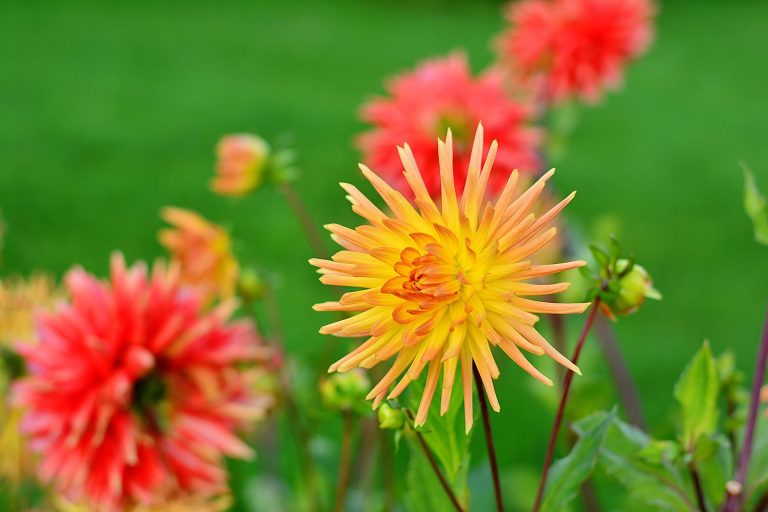
My love affair with the cottage garden began the very first time I stepped into one. I was instantly enchanted by the jumble of colors, the sweet perfume of flowers, and the way every path seemed to invite me in. A cottage garden doesn’t follow strict rules or rigid designs. It feels alive, personal, and beautifully imperfect.
In this complete cottage garden guide, you’ll learn how to design a space filled with abundant blooms, choose the best perennials and annuals, and care for your garden through every season. With simple layout ideas, plant combinations, and practical tips, you can create a cottage garden that feels timeless, welcoming, and uniquely yours.
The Essential Elements of a Cottage Garden
 So, what makes a garden truly “cottage”? Over the years, I’ve noticed certain themes that set this style apart, and they’re as relevant today as they were when this look first charmed English villages.
1. Informal Layouts
Cottage gardens embrace curves, unexpected paths, and cozy nooks. Instead of rigid symmetry, the design feels organic, as if the plants themselves decided where to grow.
2. Abundance and Diversity
To me, abundance is the heart of the style. A cottage garden should feel full—flowers spilling over edges, herbs tucked between roses, and climbers reaching skyward.
3. A Mix of Textures and Colors
I love combining airy cosmos with bold hollyhocks, or pairing soft lamb’s ear with spiky salvia. It’s the contrasts that make the whole picture sing.
4. Personal Touches
Every cottage garden should carry the gardener’s fingerprint. I’ve added vintage birdbaths, flea-market benches, and even a rusty watering can that now overflows with petunias. These little touches make the space feel lived in and loved.
5. Wildlife-Friendly Planting
A true cottage garden hums with life. I choose plants that feed bees, butterflies, and birds, because watching pollinators flit from flower to flower adds a layer of joy that no design alone could bring.
Choosing Plants for Your Cottage Garden
 My approach to plant selection has always been simple: grow what you love, and make sure it thrives in your conditions. That being said, I’ve found certain flowers absolutely shine in a cottage garden.
Perennials for Long-Term Beauty
Perennials are truly the backbone of my cottage garden. They return year after year, offering structure, reliability, and a sense of permanence to all the seasonal changes around them. I love how they create a dependable framework, while still surprising me with subtle variations each season. These are the plants I lean on to build the heart of my garden.
Delphiniums
 There is nothing quite like the tall spires of delphiniums when they come into bloom. Their towering blue, purple, and sometimes even white flowers seem to stop visitors in their tracks. I’ve grown them for years, and though they have a reputation for being a little fussy, I find they reward a bit of care with breathtaking displays. Good soil preparation makes all the difference—delphiniums thrive in rich, well-drained soil and appreciate some staking to keep their impressive height standing tall. In my garden, they mark the height of early summer, adding a vertical element that balances softer, more sprawling blooms. Find more on my experience growing them here: Growing Delphiniums.
💙 Find Delphinium Seeds Here
Lupines
 If I could choose one plant to usher in summer with drama, it would be the lupine. Their bold spikes of color—from deep indigo and purple to soft pinks and creamy whites—always make me smile. They grow best in cooler climates and prefer well-drained soil with a touch of acidity. One thing I’ve learned is that lupines don’t like to be disturbed once planted, so I sow them where I want them to stay. They’re also excellent for pollinators, with bees buzzing around them constantly. Every year, I’m reminded why I take the time to grow them from seed—the payoff in vertical drama is always worth it. Read my guide on How to Grow Lupine from Seed.
💙 Find Lupine Seeds Here
Foxglove (Digitalis)
 Though technically a biennial, foxgloves have earned a permanent spot in my garden. Their tall spires of speckled, bell-shaped flowers lend such a romantic, fairy-tale quality to the borders. I like to let them self-seed, which keeps them popping up in charming, unexpected places year after year. Foxgloves prefer partial shade and moist, well-drained soil, which makes them especially useful for those in-between spots where full-sun perennials might struggle. Few plants say “cottage garden” quite like foxgloves, and I can’t imagine summer without them. Learn more in my post: How to Grow Foxglove.
💙 Find Foxglove Seeds Here
Echinacea and Rudbeckia
 These are the workhorses of my summer garden. Once established, they are tough as nails—standing up to heat, drought, and even poor soil. Echinacea, with its daisy-like purple petals and spiky orange centers, is not only beautiful but also beloved by pollinators and birds. Rudbeckia, or Black-eyed Susans, provide cheerful golden blooms that brighten up the borders well into fall. I plant them together for a long-lasting, low-maintenance display that just keeps giving. They are the kind of plants I never have to fuss over, which makes me love them all the more. You can see more tips in my post on Growing Echinacea.
💙 Find Echinacea Seeds Here
💙 Find Rudbeckia Seeds Here
Hollyhocks
 If there’s one plant that shouts “cottage garden,” it’s hollyhocks. Their towering stalks, often reaching six to eight feet, make the perfect backdrop against fences or walls. They bloom in an array of colors—rich burgundy, soft pastels, or even sunny yellows—and attract hummingbirds like a magnet. Hollyhocks are biennials, but I let them reseed freely, which means I always have new plants coming along. They thrive in full sun and well-drained soil, and while they can be prone to rust, I find the sheer drama they bring to the garden makes them worth the effort. See my full guide here: How to Grow Hollyhock.
💙 Find Hollyhock Seeds Here
Dianthus (Sweet William)
 This fragrant, old-fashioned flower has been loved for generations, and I understand why. With their fringed petals in shades of pink, red, and white, dianthus brings both charm and scent to the garden. They’re excellent as edging plants, lining a path with cheerful clusters of color, and they bloom reliably from late spring into early summer. Dianthus also makes a lovely cut flower, and I often find myself bringing small bouquets inside just to enjoy their spicy-sweet fragrance. Find more on this plant here: Grow Dianthus in the Cottage Garden.
💙 Find Dianthus Seeds Here
Peonies and Primroses
 Few plants capture the lush nostalgia of a cottage garden quite like peonies. Their extravagant blooms, often in shades of blush, cream, and deep red, are the highlight of late spring for me. Peonies are long-lived perennials that ask for patience at first but reward it with decades of beauty. Primroses, on the other hand, bring early spring color, often blooming before much else has awakened in the garden. Their jewel-toned flowers are a cheerful reminder that winter is finally behind us. Together, peonies and primroses bridge the gap between spring and summer in a way that feels timeless.
Each of these perennials brings its own personality to my garden. Planted together, they weave a tapestry of color, scent, and texture that ensures there’s always something beautiful happening from spring through fall.
💙 Find Primrose Seeds Here
💙 Find Peony Plants Here
Annuals for Seasonal Flair

If perennials form the backbone of my garden, then annuals are the sparkling accessories—the confetti I sprinkle through the borders to keep things playful and full of surprise. They may only last one season, but many self-seed so generously that they feel like old friends returning year after year. Annuals are also where I get to experiment, trying new colors and forms without the long-term commitment.
Cosmos
 These airy, delicate flowers are the very definition of generosity. Once they start blooming, they seem to keep going right up until frost. Their feathery foliage adds softness between sturdier plants, while their flowers—available in shades of pink, white, or even chocolate—dance in the breeze. I love that cosmos are so easy to grow from seed; I simply scatter them where I want them, and they take care of the rest. See more varieties in my post: 10 Stunning Cosmos Flower Varieties You Need to Try.
💙 Find Cosmos Seeds Here
Cleome
 Sometimes called “spider flowers,” cleome add a whimsical, architectural flair to the garden. Their tall, spiky blooms in pink, lavender, and white are magnets for butterflies, and they self-seed with abandon. Once you have them, you’ll find new seedlings popping up each year in the most delightful spots. Cleome love the heat and sunshine, making them a reliable choice for midsummer drama. Learn more about them in my post: How to Grow Cleome and Watch Your Garden Glow.
💙 Find Cleome Seeds Here
Nigella (Love-in-a-Mist)
 Nigella is one of those plants that seems to belong in a cottage garden. With its sky-blue flowers surrounded by delicate, lacy foliage, it looks ethereal and romantic. After blooming, it produces decorative seedpods that are just as charming, and they’re wonderful for dried arrangements. Nigella prefers cooler weather, so I sow it early in the season to enjoy its full beauty. Best of all, it self-seeds easily, ensuring it comes back year after year with very little effort. See my post here: Love-in-a-Mist Nigella.
💙 Find Nigella Seeds Here
Bread Seed Poppies
 These are among the most dramatic flowers I grow, with their papery petals in jewel tones and their striking seedpods that follow. The pods themselves are as ornamental as the blooms and add wonderful interest to bouquets. Poppies thrive in full sun and well-drained soil, and while they don’t transplant well, direct sowing them works beautifully. Once established, they self-seed reliably, so I never feel like I’m without them. Learn more here: How to Grow Bread Seed Poppies.
💙 Find Poppy Seeds Here
Nicotiana
 I always make room for nicotiana in my garden. Their star-shaped flowers open in the evening, releasing a sweet fragrance that attracts moths and night pollinators. With varieties ranging from pure white to lime green and even deep crimson, nicotiana adds both color and scent to the late-summer garden. I like to plant them near sitting areas or paths where I can enjoy their perfume as the sun goes down.
These annuals bring a sense of playfulness and lightness to my borders. Whether it’s the romantic mist of nigella, the architectural flair of cleome, or the nonstop blooms of cosmos, I rely on them to fill gaps, add seasonal color, and keep my cottage garden feeling fresh and full of joy.
💙 Find Nicotiana Seeds Here
Biennials for Extra Magic
One thing I’ve learned over the years is that biennials are the unsung heroes of a cottage garden. Foxgloves, hollyhocks, and Sweet William often bloom their best in their second year, adding an element of surprise to the garden’s rhythm. Plant them once, and you’ll enjoy their presence for years as they reseed themselves naturally.
Designing Your Layout Like a Pro
 When I design a cottage garden bed, I think in layers. Tall plants, like hollyhocks and delphiniums, go in the back or along fences. Mid-sized perennials, such as echinacea and phlox, create a middle layer. Then I tuck in low growers like dianthus, lamb’s ear, and creeping thyme along the edges.
Paths are just as important as plants. I prefer winding gravel or mulch paths that curve slightly, so the garden feels like an adventure to explore. If you’re short on space, don’t worry—you can create the same layered look in containers or raised beds. Even a balcony can become a mini cottage garden with hanging baskets and vertical trellises.
Preparing and Improving the Soil

Healthy soil is the foundation of every flourishing cottage garden. I always start with a soil test, and these days, DIY soil kits make it quick and easy. I like the Luster Leaf kit for home testing—it gives me a clear idea of pH and nutrient levels.
Once I know what I’m working with, I enrich the soil with compost. In 2025, I’ve made the switch to peat-free compost, since it’s more sustainable and just as effective. I also add organic matter like leaf mold or well-rotted manure to boost fertility. For heavy clay soils, I mix in coarse sand and compost for better drainage, while sandy soil benefits from extra organic matter to hold moisture.
Seasonal Care for a Thriving Cottage Garden

A cottage garden changes with the seasons, and I love the rituals that come with each one.
Spring: I sow seeds, prune roses, and add compost to give plants a fresh start. This is also when I divide perennials to keep them healthy.
Summer: My main tasks are deep watering, deadheading spent blooms, and staking tall plants before they flop. I also harvest seeds from early bloomers to save for next year.
Fall: I plant bulbs, cut back perennials, and collect more seeds. Fall is also the perfect time to mulch, protecting the soil and conserving moisture for the next season.
Winter: Even when flowers fade, I enjoy the structure of seed heads dusted with frost. I leave many perennials standing for wildlife shelter and winter interest.
Water-Wise and Climate-Smart Cottage Gardening
In recent years, I’ve had to adapt to hotter summers and drier spells. Luckily, a cottage garden is flexible. I’ve added drought-tolerant favorites like gaura, verbena bonariensis, echinops, and sedums. These plants don’t just survive tough conditions—they thrive.
Mulching has become my best friend for conserving moisture, and I’ve installed rain barrels to capture water for dry weeks. Deep watering once or twice a week keeps roots strong, and I avoid shallow sprinkling that only teases the surface. With these simple habits, my garden stays lush even when the weather doesn’t cooperate.
Adding Personal Touches & Cottage Garden Decor
This is where the fun really begins. I’ve filled my garden with vintage finds from flea markets: a weathered bench, a chipped teacup now overflowing with succulents, and a rusty wheelbarrow repurposed as a planter. Birdbaths, obelisks, arches, and stone paths all add charm and give structure to the “beautiful chaos” of the flowers. For some fun DIY ideas check out this article from Making Everyday Beautiful Blog: Thrifty DIY Cottage Garden-Inspired Crafts.
I also love mixing edibles with ornamentals. Herbs like thyme and lavender nestle perfectly among Lobelia, while beans climb alongside morning glories. Not only does it look enchanting, but it also makes the garden more useful.
Welcoming Wildlife into the Garden

Nothing brings me more joy than seeing my cottage garden buzzing with life. Lavender, monarda, and salvia attract bees and butterflies all summer long. Milkweed ensures monarchs always find a welcome stop. Berry bushes feed the birds, and a small birdbath keeps them coming back.
 You can even add an insect hotel in one corner of the garden. It provides shelter for beneficial insects like ladybugs and lacewings, which in turn keep pests under control. By creating a welcoming environment for wildlife, my garden feels truly alive.
🌿
Cottage Garden Ideas for Different Spaces
Not everyone has a sprawling yard, but that shouldn’t stop anyone from enjoying a cottage garden.
- Small Urban Spaces: Use containers, hanging baskets, and vertical trellises to pack in plants without taking up much ground.
- Large Country Gardens: Let paths meander, add archways, and use tall perennials to create dramatic backdrops.
- Modern Cottage Twist: Pair traditional flowers with sleek planters or minimal stonework for a fresh take on the classic style.
No matter the size, the key is abundance, layering, and a mix of plants you love.
Common Mistakes to Avoid

Over the years, I’ve made my share of mistakes—and learned from them! Here are a few to sidestep:
- Overcrowding too quickly. Start with a plan for bloom times and heights, so one plant doesn’t smother another.
- Forgetting paths. If you can’t walk through your garden comfortably, you won’t enjoy it as much.
- Ignoring bloom succession. Mix early, mid, and late-season plants so there’s always something in flower.
Inspiring Cottage Garden Plant Combinations

Some of my favorite combinations that always draw compliments:
- Delphiniums and Bread Poppies.
- Hollyhocks with cosmos.
- Lavender with lamb’s ear.
- Balloon Flower with echinacea and rudbeckia.
These mixes offer texture, fragrance, and color in waves throughout the season.
Cottage Gardening Trends in 2026

I’ve noticed some fun new directions for cottage gardening:
- Chaos gardening: scattering seeds freely and letting nature decide the design. (Read my article Embrace the Madness of Chaos Gardening here.)
- Sustainability: peat-free compost, rainwater harvesting, and zero pesticides.
- Edible integration: weaving vegetables and herbs into flower beds.
- Tech support: using garden planning apps to map out plant pairings and bloom successions.
Final Thoughts: Bring Your Cottage Garden Dream to Life
For me, a cottage garden is more than a style of planting—it’s a way of life. It’s about embracing abundance, welcoming wildlife, and adding little touches of personality that make the space uniquely yours. Whether you’re planting hollyhocks in a country yard or cosmos in balcony pots, the magic is the same.
So why wait? Choose a few plants you love, carve out a small corner, and begin your journey into the enchanting world of cottage gardening. I promise, once you start, you’ll be hooked.
FAQ – Creating Your Own Cottage Garden
What is the best time to plant a cottage garden?
Spring and fall are ideal for planting, as the weather is cooler and rainfall helps establish plants.
Can I mix vegetables with flowers in a cottage garden?
Absolutely! In fact, mixing edibles with ornamentals is one of the hallmarks of traditional cottage gardens.
How long does it take for a cottage garden to mature?
In my experience, it takes about three years for a cottage garden to truly hit its stride, but you’ll enjoy beauty from the very first season.
Do cottage gardens work in hot or dry climates?
Yes! Choose drought-tolerant plants, mulch heavily, and water deeply. You’ll be amazed how lush a cottage garden can look even in challenging climates.
What is cottage gardening all about?
Cottage gardening is a playful and spontaneous style where you have the freedom to decide and create without strict rules. It celebrates the beauty of nature and invites a harmonious relationship between humans and the environment.
Are cottage gardens difficult to maintain?
No, cottage gardens are designed to be low-maintenance. The beds are densely packed, minimizing unwanted weeds, and the plants chosen are often easy to grow, including perennials that return each year and self-seeding annuals.
Can I create a cottage garden in a small space?
Absolutely! Cottage gardens can be adapted to various sizes, from grand landscapes to small urban spaces. The key is to embrace the informal and spontaneous design principles.
What are the characteristics of cottage gardens?
Cottage gardens are known for their informal layouts, abundance of plants, diverse color palettes, historical roots, and the incorporation of both perennials for long-term structure and annuals for seasonal bursts of color. Focal points and features to attract wildlife are also very common.
How can I personalize my cottage garden?
Personalization is key in cottage gardens. You can add decorative elements, vintage items, or DIY crafts to infuse your unique personality into the space. The design is entirely up to your preferences.
What plants are recommended for cottage gardens?
The choice of plants is flexible. For long-term appeal, consider perennials like Delphiniums, Lupines, Foxglove, and Hollyhocks. For seasonal flair, use annuals like Cleome, Cosmos, Larkspur, and Nicotiana. Choose plants based on your preferences and garden conditions.
How do I prepare the soil for a cottage garden?
Soil preparation involves assessing its pH and nutrient levels, clearing the area of debris, loosening the soil to at least 12 inches, adding organic matter like compost, adjusting pH if necessary, and ensuring proper drainage.
How do I care for my cottage garden throughout the seasons?
Maintain your garden by watering deeply, choosing drought-resistant plants if needed, and regularly pruning and deadheading to encourage continuous blooms. Regular care ensures the long-term well-being of your cottage garden.
Are there specific rules for designing cottage gardens?
No strict rules apply. The design is open to your creativity. You can add personal touches, focal points, and vintage accents to enhance the aesthetics of your cottage garden. Enjoy the freedom to create a garden that reflects your unique style.