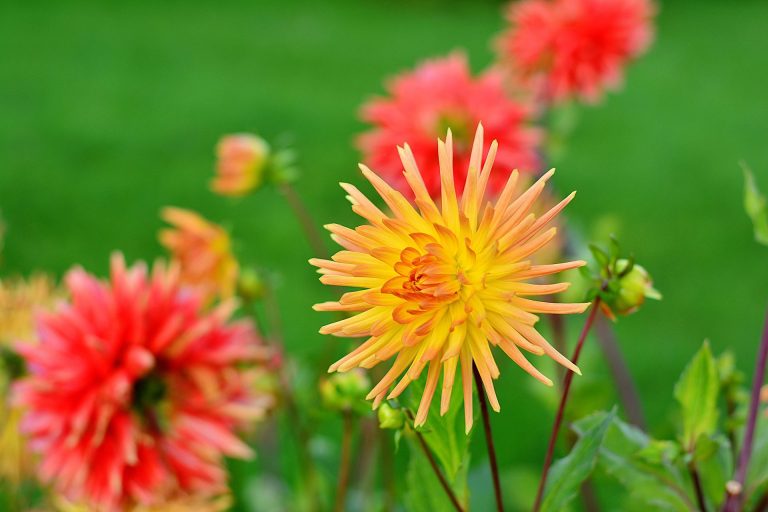
A memory garden is a thoughtfully designed space created to honor loved ones, mark meaningful life moments, or offer a place for quiet reflection. These gardens blend symbolism, plants, and personal touches to create a peaceful retreat that holds lasting emotional value.
A memory garden can commemorate a person, a pet, or a significant chapter of life, offering comfort through beauty and routine care.
What Is a Memory Garden?
A memory garden is designed with intention rather than aesthetics alone. Each plant, path, or garden feature carries meaning, whether tied to a person, a memory, or a feeling you want to preserve.
Unlike traditional gardens, memory gardens often prioritize calm colors, gentle movement, fragrance, and seasonal rhythm. They are meant to be experienced slowly and revisited often.
The Power of a Memory Garden to Honor Loved Ones
Why Memory Gardens Provide Comfort and Healing
In times of loss or reflection, nature has a unique way of soothing the heart. A memory garden transforms grief into growth, providing a quiet space to process emotions. The act of planting and nurturing a garden mirrors the healing journey, where each bloom becomes a testament to love and resilience.

A Space for Reflection and Celebration
A memory garden is a celebration of life. Here, you can commemorate milestones, recall cherished moments, or simply bask in the beauty of nature. It becomes a living, breathing tribute that celebrates the essence of someone special.
How to Create a Memory Garden

Selecting plants with symbolism
Flowers carry profound meanings. Roses symbolize love, lilies embody purity, and forget-me-nots and poppies stand for remembrance. Select blooms that resonate with your emotions, creating a vivid tapestry of beauty and sentiment. Here’s a list of flowers and their symbolic meanings, often used to convey specific emotions, values, or memories:
Flowers Symbolizing Love and Romance

Roses: Love, passion, and devotion (red); friendship and joy (yellow); purity and innocence (white); gratitude and admiration (pink). The New York Botanical Gardens has a guide for growing roses here.
Tulips: Deep love and perfect happiness.
Carnations: Fascination and affection (pink); admiration (red); remembrance (white).
Flowers Symbolizing Remembrance and Grief
Forget-Me-Nots: True love and remembrance.
Poppies: Consolation, sacrifice, and remembrance of the fallen. For information about growing poppies, see my post: Grow Poppies For A Garden Full of Joy.
Chrysanthemums: Loyalty, honor, and memorializing the deceased (in many cultures).
Flowers Symbolizing Purity and Renewal
Lilies: Purity, renewal, and spiritual growth (white); motherhood and passion (orange).
Daffodils: New beginnings, rebirth, and hope.
Snowdrops: Hope and consolation during challenging times.
Flowers Symbolizing Friendship and Joy

Sunflowers: Adoration, loyalty, and positivity. You can learn more about growing Sunflowers from my post: How to Grow Sunflowers.
Asters: Love, patience, and wisdom.
Zinnias: Friendship and lasting affection.
Flowers Symbolizing Courage and Strength
Gladiolus: Strength of character, honor, and faithfulness.
Marigolds: Resilience, strength, and warmth. You can learn more about growing Marigolds from my guide Marigold Magic.
Irises: Valor and wisdom.
Flowers Symbolizing Peace and Serenity
Lavender: Tranquility, devotion, and calmness. For more information on growing Lavender, see my post Fill Your Yard with Fragrance.
Bluebells: Humility and gratitude.
Hollyhock: Peace and harmony. For more information on growing Hollyhocks, see my post: Easy Steps to Grow Hollyhock.
Flowers Symbolizing Eternal Life and Immortality

Everlastings (Helichrysum): Immortality and enduring memories.
Violet: Faithfulness, and in some traditions, immortality. Also, spiritual enlightenment and eternity.
Baby’s Breath: Everlasting love and innocence.
Flowers Symbolizing Gratitude and Appreciation
Peonies: Honor, romance, and gratitude.
Hydrangeas: Thankfulness and heartfelt emotions.
Sweet Peas: Gratitude and blissful pleasure.
Flowers Symbolizing Forgiveness and Healing
Magnolias: Dignity, perseverance, and healing.
Primroses: Love, courage, and the act of remembering.
Echinacea: Healing, strength, and protection. For more information on growing Echinacea, see my post Growing Echinacea: From Seeds to Stunning Flowers.
This list highlights how flowers can speak a language of their own, perfect for conveying emotions in memory gardens, ceremonies, or daily life.
Choosing a Meaningful Location
Finding a Serene Spot in Your Yard
The location sets the tone for your memory garden. Choose a spot that invites tranquility—a tucked-away corner, a shaded nook, or a sunny patch with a gentle breeze. Let it be a space that feels naturally comforting and aligned with your intentions.
Factors to Consider: Sunlight, Accessibility, and Privacy
Sunlight is vital for your plants to thrive, so assess how much light your chosen area receives. Ensure the space is accessible for visits, yet private enough to foster intimate moments of reflection. A balance of practicality and sentimentality is key.
Designing the Heart of Your Memory Garden

Creating a Vision That Reflects Your Loved One’s Spirit
Every garden tells a story, and your memory garden should echo the personality and passions of the person it honors. Did they love vibrant flowers or serene greenery? Infuse the garden with elements that speak to their unique spirit, creating a space that feels deeply personal.
Incorporating Meaningful Themes or Symbols
Symbols like butterflies, hearts, or specific colors can add layers of meaning to your garden. Use stepping stones engraved with quotes, bird feeders to attract life, or sculptures that evoke cherished memories. These details weave emotion into the design.
Adding Functional Elements

Benches and Seating Areas for Quiet Reflection
A comfortable bench invites you to linger in your garden. Choose natural materials like wood or stone to blend seamlessly with the surroundings. This is your space to sit, reflect, and immerse yourself in cherished memories.
The Calming Sound of Fountains and Streams
Water has a soothing effect, making fountains or streams a perfect addition. The gentle trickle of water fosters peace, creating a meditative atmosphere where worries fade.
Wind Chimes or Bells for Peaceful Sounds

Wind chimes or bells add a melodic element to your garden. Each soft note carried by the wind becomes a gentle reminder of love and serenity.
The Timeless Impact of a Memory Garden
A memory garden grows beyond a physical space—it nurtures the heart and preserves cherished moments. Its beauty lies in its ability to comfort and inspire, offering a haven for healing and connection.
Creating a Lasting Tribute Full of Love and Peace
By cultivating a memory garden, you create a living tribute that celebrates life and love. It’s a place where memories flourish and where the spirit of those you honor lingers, offering peace and solace for years to come.
FAQ – A Memory Garden
What Is a Memory Garden?
A memory garden is a thoughtfully planted space created to honor a loved one, a meaningful life event, or a cherished memory. It combines plants, layout, and personal touches that encourage reflection, comfort, and connection. Memory gardens can be large landscapes or small, intimate corners of an existing garden.
How Do You Create a Memory Garden?
Start by choosing a quiet location that feels peaceful and easy to visit. Select plants with personal meaning, soothing colors, or seasonal blooms that mark the passage of time. Adding elements like a bench, stepping stone, or engraved marker can help anchor the space emotionally.
What Plants Are Best for a Memory Garden?
Perennials, flowering shrubs, and plants with long bloom periods work especially well because they return year after year. Favorites include lavender, roses, calendula, coneflowers, and ornamental grasses. Choose plants that thrive in your climate so the garden remains low stress and comforting rather than demanding.
Is a Memory Garden Only for Grief or Loss?
No, memory gardens are not limited to honoring loss. Many gardeners create them to celebrate milestones, honor family traditions, or remember joyful seasons of life. The meaning comes from intention, not from sorrow alone.