
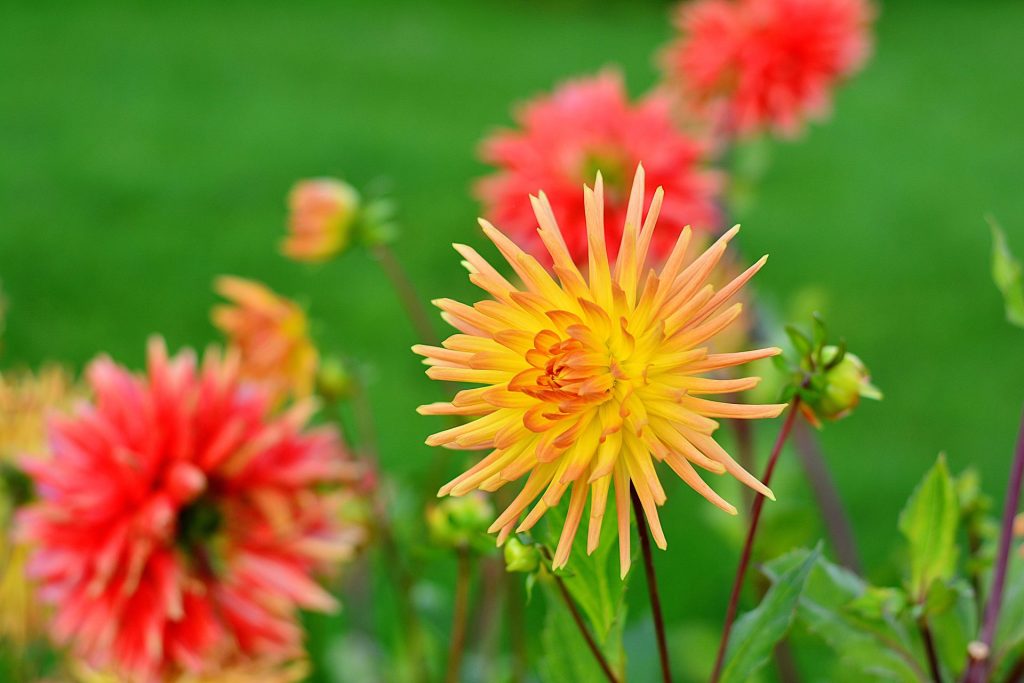
How Do You Dig Dahlia Tubers Without Damaging Them?
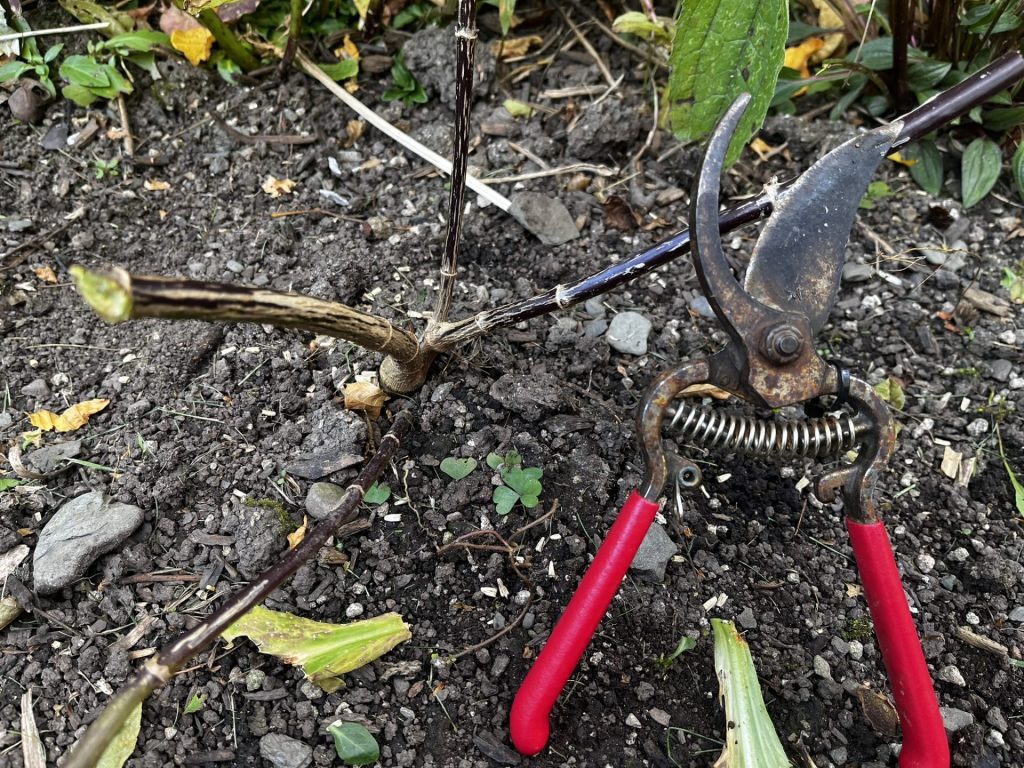 This is the step where most tubers get hurt, so slow down.
Step 1: Cut the stems. Use pruners or loppers to cut each stem down to about 4 to 6 inches above the soil. Dahlia stems are hollow, and leaving a short stub gives you a handle for lifting.
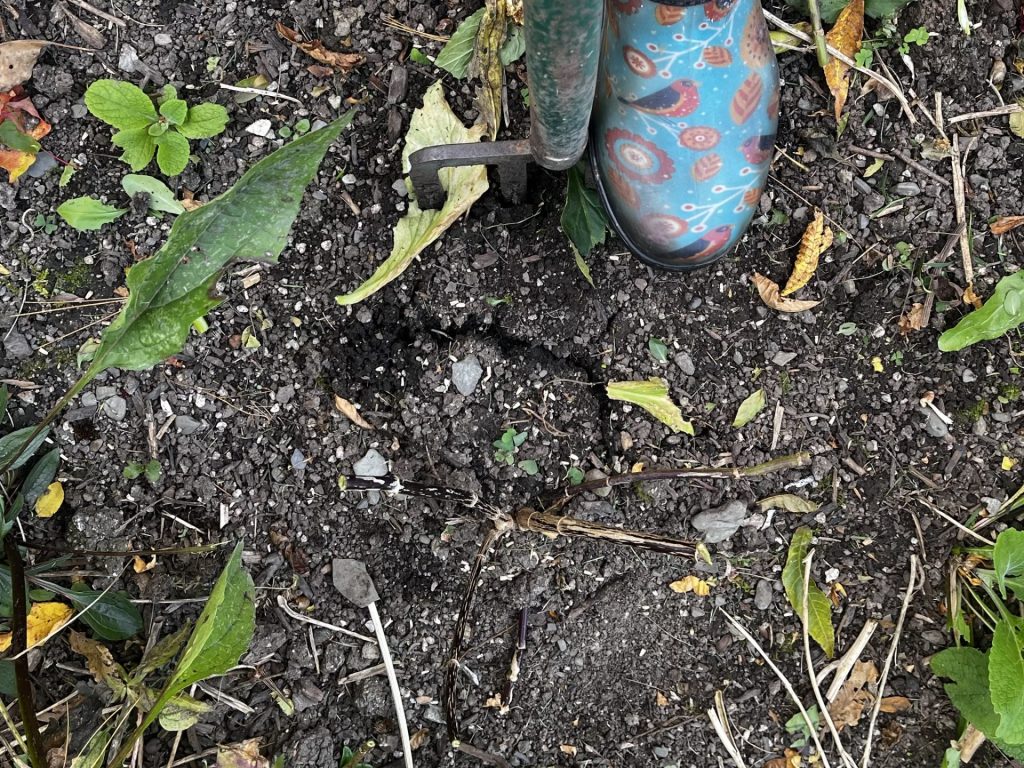
Step 2: Loosen the soil. Push your fork into the ground about 10 to 12 inches out from the stem, not right beside it. Dahlia tubers spread wider than you expect, and the necks are fragile. Work your way around the clump, loosening the soil as you go.
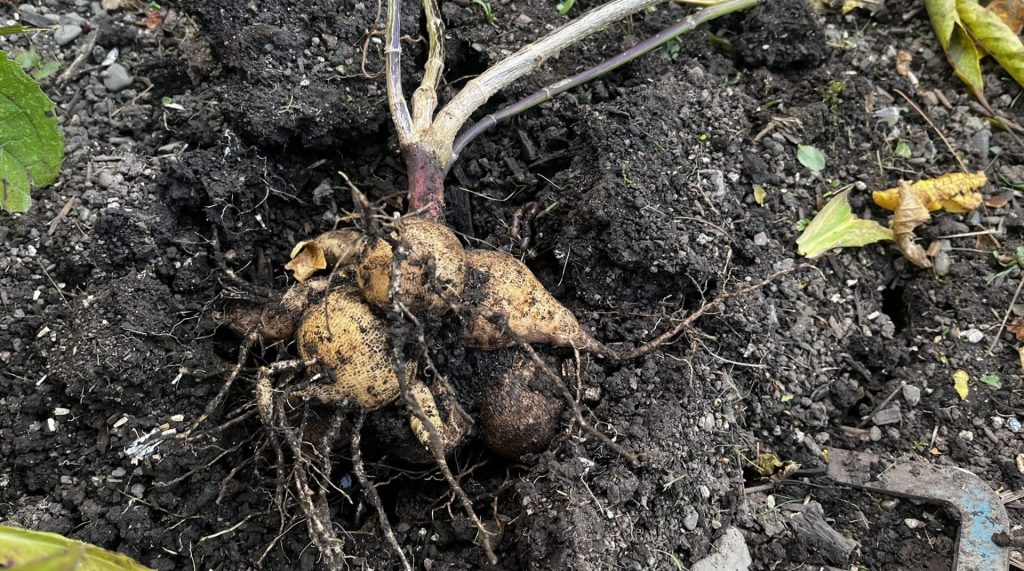
Step 3: Lift gently. Once the clump feels loose, pry up from underneath and lift it out. Do not yank on the stem. The neck connects the tuber to the crown, where new shoots develop. If it breaks away without a viable eye, that tuber cannot grow into a new plant.
Step 4: Shake off the excess soil. Knock off the big clumps of dirt, but do not scrub the tubers hard. Thin skin tears easily.
🌿
Should You Wash Dahlia Tubers?
This is one of those questions where experienced growers disagree, and I have done it both ways.
I lean toward a gentle rinse. A quick spray with the hose removes clinging soil so I can see what I am working with: any rot, any damage, any pest trouble. Clean tubers also make it easier to spot the eyes later. The key is that they must dry thoroughly afterward.
If your soil is heavy clay like mine can be, rinsing helps a lot. If you are working with light, sandy soil, you can often skip it and simply brush the soil away once it dries.
Whichever you choose, never leave wet tubers sitting in a closed container. Moisture is what starts rot.
How to Cure Dahlia Tubers Before Storage
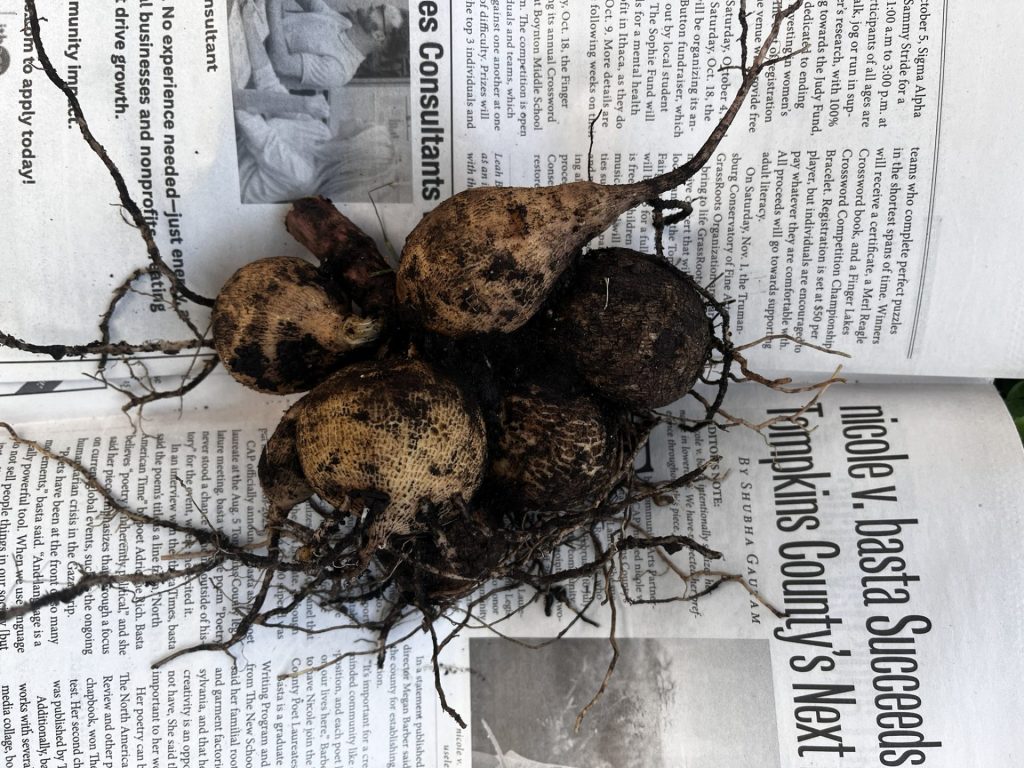 Curing is the quiet step that many people skip, and I think it makes the biggest difference in storage success.
Set the clumps upside down on newspaper or cardboard in a dry, sheltered, frost-free spot like a garage, covered porch, or basement. Turning them upside down lets the hollow stems drain so water does not pool in the crown. I recommend a well-ventilated, frost-free location and drying until the surface is dry to the touch. The time varies with temperature, humidity, and how thoroughly the clumps were washed. You want the skins to dry and feel a bit leathery, but you do not want the tubers to shrivel.
A humid, cool autumn day calls for more drying time. A warm, dry room means you should check sooner so they do not over-dry.
Should You Divide Tubers in Fall or Spring?
You can do either, and I have had success with both. I now divide most of my dahlias in spring, and here is why.
In fall, the eyes (the small growth points near the neck where new shoots form) are hard to see. In spring, as the clumps start to wake up, the eyes swell and become obvious, so you can be certain each division has at least one. A tuber without an eye will not sprout, no matter how healthy it looks.
That said, fall division has an advantage: it produces smaller pieces that are easier to pack, and you can discard obviously damaged tubers right away. If you have a large number of plants, dividing in fall might save you a crunch later.
If you divide in spring, store the clump whole. If you divide in fall, make sure every piece has a section of the crown with an eye, plus a healthy tuber. Use a clean, sharp knife, and wipe it between varieties if you are concerned about spreading disease.
How Do You Store Dahlia Tubers for Winter?
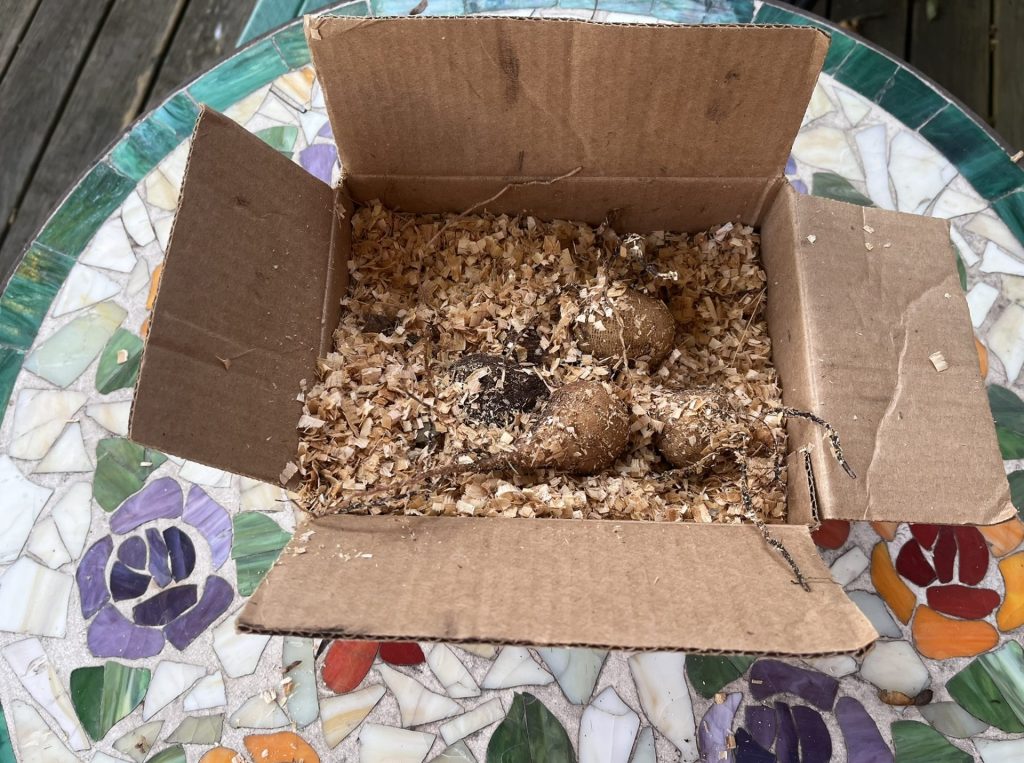 The goal is simple: keep the tubers cool, dark, and just barely damp, so they stay plump without rotting or drying out.
Choose a spot. The ideal storage temperature is around 40 to 50°F. An unheated basement, a cool closet, or an insulated garage that stays above freezing all work. The temperature should remain consistently cool and above freezing. Avoid anywhere that dips below freezing or gets warm enough to trigger early sprouting.
Choose a container. Cardboard boxes, wooden crates, and plastic totes with holes or a cracked lid all work. You want a little airflow.
Choose a packing material. Several materials work well:
Vermiculite: Lightweight, clean, and holds moisture evenly. It’s the easiest method.
Peat moss or coco coir: Works well, though keep it only slightly damp.
Wood shavings or sawdust: Fine, as long as they are not from treated wood.
Shredded paper: A budget option, that’s worked for me in the past.
Nest the tubers in the material so they are not touching each other, and cover them lightly. Tubers should be surrounded, not buried in soggy fill. The packing material should feel barely damp, never wet.
Some growers wrap clumps in plastic wrap instead. It works, but I find it harder to monitor for problems, so I stick with boxes.
If you would like more detailed guidance on preparing your tubers for winter, the American Dahlia Society has an excellent guide to digging, dividing, and storing dahlia tubers.
How to Check Dahlia Tubers During Winter Storage
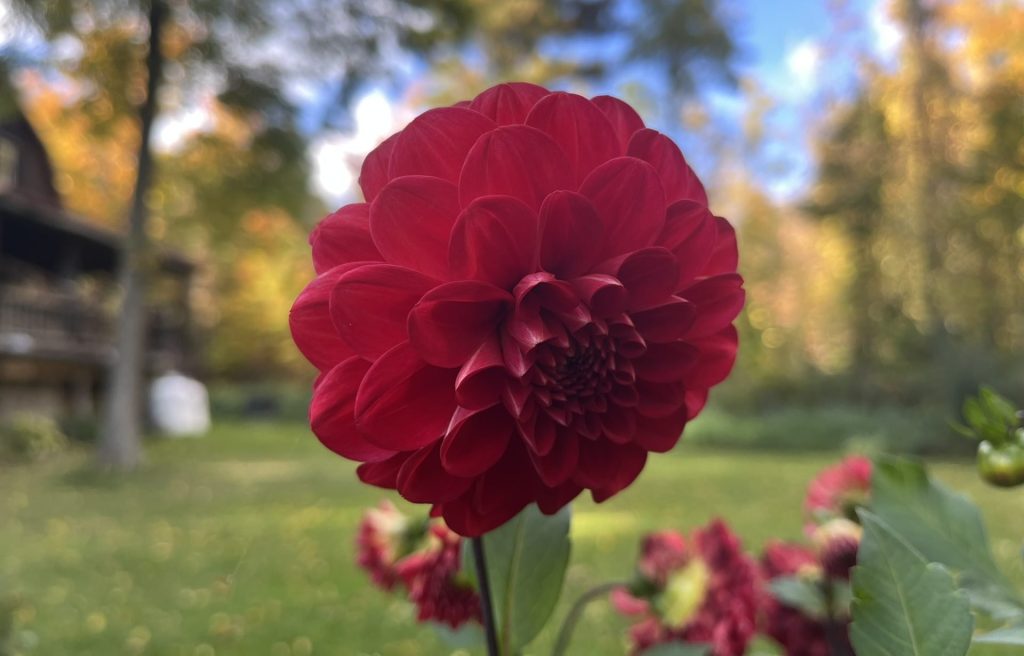 Do not pack them away and forget them. I check mine about once a month.
Here is what to look for:
Shriveling or wrinkling: The tubers are drying out. Check the tubers and packing material first. If they are drying out, lightly moisten the packing material, not the tubers themselves, and reassess the storage conditions. If you see mold or soft spots, reduce excess moisture and improve airflow.
Soft spots or mold: Remove the affected tuber right away. Cut away small rotten areas with a clean knife and let the cut surface dry before returning the tuber to storage. Toss anything that is mostly mushy.
Early sprouting: Your storage area is too warm. Move the boxes somewhere cooler.
Catching a problem in January is the difference between losing one tuber and losing the whole box.
5 Dahlia Tuber Storage Mistakes to Avoid
Here are the ones I see most often, and a few I have made myself:
Digging too early, before the plant has finished pulling energy into the tubers.
Skipping labels, then guessing which variety is which.
Storing tubers wet, which is the fastest road to rot.
Storing them too warm, which triggers premature sprouting.
Forgetting to check them until spring, when it is too late to rescue anything.
When Do You Replant Dahlias in Spring?
Wait until the danger of frost has passed and the soil has warmed, ideally to around 60°F. In zone 5, that is typically mid to late May. Dahlias are tender, and one late frost can undo a lot of work.
If you want an earlier start, you can pot up divided tubers indoors about 4 to 6 weeks before your last frost date, then transplant after the weather settles. This gives you blooms earlier in the season.
For planting depth and spacing, see my post The Magic of Growing Dahlias: A Journey to Spectacular Blooms.
FAQ- Digging and Storing Dahlia Tubers
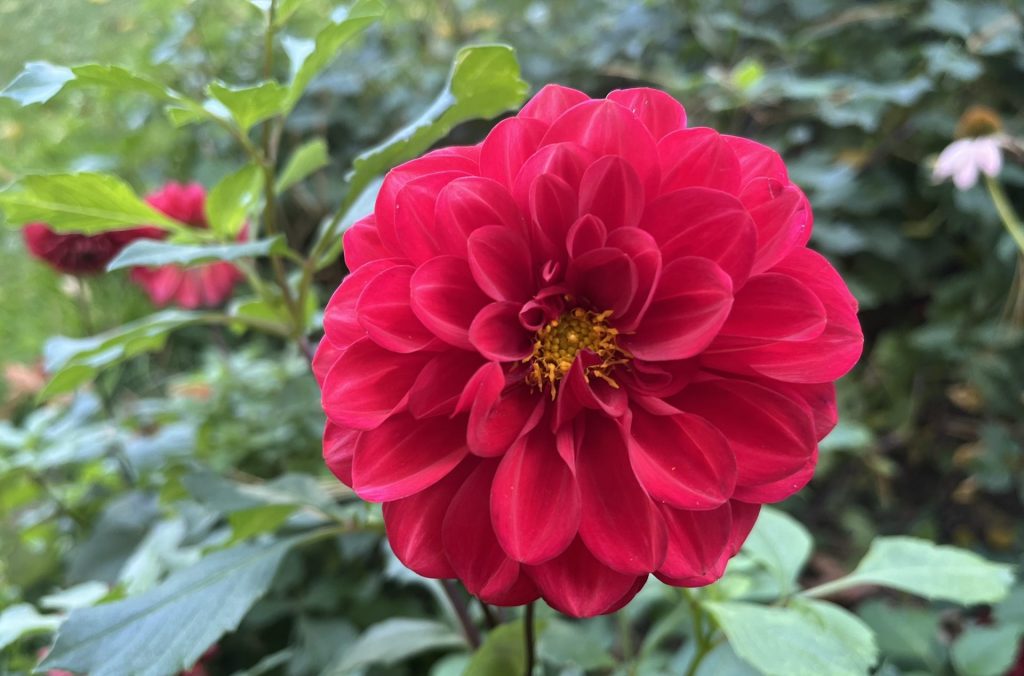
Do I have to dig up dahlias every year?
In zones 8 to 10, you can leave them in the ground with a layer of mulch. In zone 7, it is a gamble that depends on your drainage and winter. In zone 5 and colder, yes, I dig them every year.
Can I leave dahlias in the ground in zone 5?
I would not. Even with heavy mulch, wet winter soil tends to rot the tubers, and hard freezes finish the job. Digging is far more reliable.
How long after frost should I dig dahlias?
I wait about one to two weeks after a hard frost has blackened the foliage. If a deep freeze is forecast, dig sooner.
Can I store dahlia tubers in the refrigerator?
Some growers do, but I prefer a cool basement or garage. Refrigerator storage can be difficult to manage, especially with limited airflow and fluctuating moisture.
What if my tubers shrivel in storage?
They are losing moisture. Lightly mist the packing material and make sure your storage space is not too dry. Mildly shriveled tubers often recover and grow fine, but heavily shriveled ones may not.
Why did my stored tubers rot?
The usual causes are storing them while still wet, packing them in material that is too damp, or poor air circulation. Next season, cure longer and use drier packing material.
Do I need to divide dahlia tubers?
Not every year, but dividing keeps plants vigorous and gives you extra plants to share or expand your beds. Each division needs at least one eye.
Can I dig dahlias before frost?
Yes, if you have to, such as when a hard freeze is forecast. It is not ideal, though, because the tubers may not be fully mature.
Final Thoughts
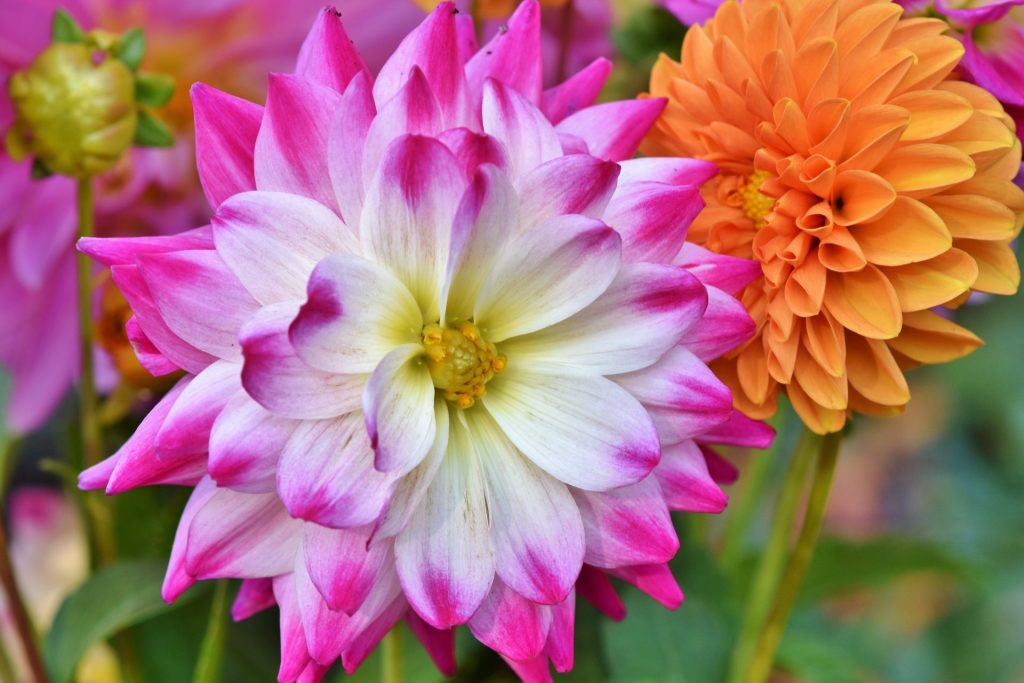 Saving dahlia tubers is one of those fall jobs that makes next summer’s garden even more rewarding. A little care now means you can bring those favorite varieties back for another season of beautiful blooms. Label each clump, keep the tubers cool through winter, and check on them regularly. Come spring, you’ll be glad you saved them.


