I’ve never been a huge fan of mulch. I use it sparingly in my own garden because I’ve found it can create hiding places for slugs, earwigs, and other pests that I would rather not encourage. That said, I understand why so many gardeners love it. Mulch suppresses weeds, helps retain moisture, and gives garden beds a tidy, finished appearance.
If you’ve noticed more slugs after applying mulch, you’re not imagining things. While mulch doesn’t create slugs, it often provides the cool, damp shelter they need to thrive.
Why Do Slugs Love Mulch?
Slugs have one major challenge in life: staying moist. Their soft bodies dry out quickly when exposed to direct sun, wind, and heat. During the day, they spend most of their time hiding in cool, damp locations and emerge after dark to feed.
Fresh mulch provides exactly the kind of shelter slugs seek. Whether you use shredded bark, wood chips, straw, or leaf mulch, the material creates a protective layer that stays cooler and wetter than bare soil. Beneath the mulch, slugs can hide safely during the day and move out to feed at night.
This is especially noticeable after rainy weather when the mulch remains damp for days. In many gardens, the mulch layer becomes the perfect slug hotel.
Why Slug Damage Often Appears Right After Mulching
 Many gardeners assume the mulch somehow attracted slugs from neighboring yards. In reality, the slugs were probably already present.
Before mulching, slugs may have been hiding under rocks, boards, weeds, or dense plant growth. When a fresh layer of mulch is added, they suddenly gain a much larger protected habitat. Their population may not have increased overnight, but their activity becomes more noticeable.
Fresh mulch can also encourage the growth of fungi and microorganisms that are part of a slug’s natural diet. Combined with cooler temperatures and higher moisture levels, the conditions become ideal for feeding and reproduction.
Why I Use Mulch Sparingly
Over the years, I’ve noticed a pattern. The garden areas with the thickest mulch layers often have the most slug activity. When I pull back the mulch on a damp morning, it’s common to find slugs hiding underneath.
That doesn’t mean mulch is bad. It simply means it’s creating habitat, and sometimes that habitat benefits pests as much as it benefits plants.
Today, I tend to use thinner layers and reserve mulch for areas where weed pressure is especially high. In densely planted cottage garden beds, I often let the plants themselves act as a living mulch by shading the soil and crowding out weeds.
Which Types of Mulch Attract the Most Slugs?
 Almost any organic mulch can provide shelter for slugs, but some materials tend to stay damp longer than others.
Shredded leaves, compost-rich mulches, and straw often hold moisture exceptionally well. These materials can create dense layers where slugs remain hidden throughout the day.
Wood chips and coarse bark mulch may dry out faster on the surface, but they can still provide plenty of shelter underneath. No mulch is completely slug-proof, although coarse materials sometimes create less favorable conditions than fine-textured mulches.
The amount of moisture in your garden often matters more than the specific mulch type.
Is Mulch Still Worth Using?
That depends on your gardening style.
Personally, I prefer using mulch only where it serves a specific purpose. In some beds, I would rather spend a little extra time weeding than create conditions that encourage slugs and other garden pests. I also enjoy the more natural look of plants filling in and covering the soil themselves.
Many gardeners feel differently. A fresh layer of mulch can dramatically reduce weed growth, help conserve moisture during dry spells, and give flower beds a clean, manicured appearance. If you have a large garden, those benefits can be hard to ignore.
The key is understanding that mulch comes with both advantages and disadvantages. Slug problems are one of the tradeoffs worth considering.
How to Mulch Without Creating a Slug Problem
 A few simple changes can make a significant difference.
Avoid Excessively Thick Layers
More mulch is not always better. Thick layers create deeper, cooler hiding places that slugs love.
For most flower gardens, a layer of 2 to 3 inches is sufficient. This provides weed suppression and moisture retention without creating an overly damp environment.
Keep Mulch Away From Plant Stems
Many gardeners pile mulch directly against plant stems and crowns. This creates shaded, moist areas where slugs can hide during the day before feeding on nearby foliage.
Leave a small gap around the base of each plant to improve air circulation and reduce hiding places.
Water Early in the Day
Evening watering often leaves the garden damp throughout the night, which is exactly when slugs are most active.
Watering in the morning allows excess moisture to evaporate before nighttime arrives. The garden remains healthier and less attractive to slugs.
Clean Up Garden Debris
Mulch combined with piles of dead leaves, spent flowers, and plant debris creates even more shelter for slugs.
Regular cleanup removes many of the places where slugs hide and lay eggs.
Natural Ways to Reduce Slug Populations
 If slugs are already causing damage, several natural control methods can help.
Hand-picking remains one of the most effective solutions for small gardens. Visit the garden after sunset or early in the morning and remove any slugs you find.
Encouraging natural predators can also help. Ground beetles, toads, birds, and some snake species all feed on slugs and contribute to natural pest control.
Iron phosphate slug bait is another option that many gardeners use when populations become difficult to manage. It is generally considered safer for pets and wildlife than older slug bait products.
Most successful gardeners use several methods together rather than relying on a single solution.
Signs Slugs Are Hiding in Your Mulch
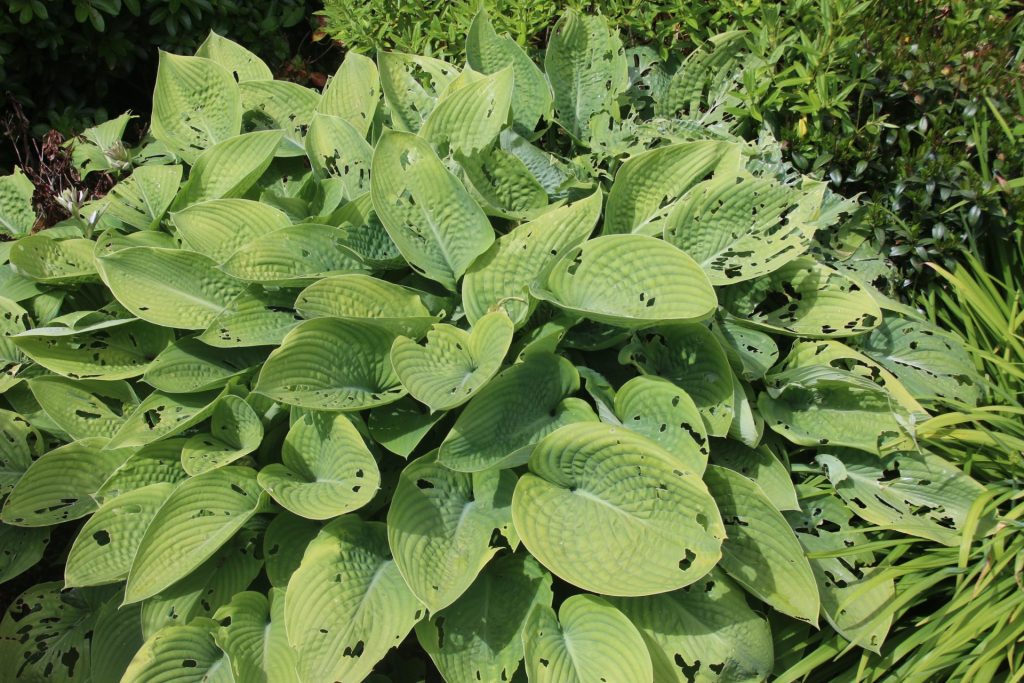 If you’re unsure whether slugs are the source of your plant damage, look for a few common clues.
Irregular holes in leaves are one of the most obvious signs. Unlike many insect pests, slugs often create ragged openings rather than neat, round holes.
Silvery slime trails on leaves, mulch, containers, or pathways are another giveaway. You may also find damaged seedlings that appear healthy one day and heavily chewed the next.
Checking beneath the mulch in the early morning often reveals slugs resting before the heat of the day arrives.
Related Articles
For more help managing common garden pests, read:
How to Get Rid of Japanese Beetles Naturally Without Harming Pollinators
Voles vs Moles vs Chipmunks: How to Tell Who’s Wrecking Your Garden
Frequently Asked Questions
Does mulch cause slug infestations?
Mulch does not create slugs, but it provides favorable conditions that help existing slug populations survive and thrive.
What mulch attracts the fewest slugs?
Coarse wood chips and bark mulch may be slightly less attractive because they often dry more quickly on the surface. However, slugs can still shelter underneath them.
Should I stop mulching if I have slugs?
In most cases, no. The benefits of mulch generally outweigh the drawbacks. Instead, focus on watering practices, mulch depth, and slug control measures.
Why are my hostas covered with slugs after mulching?
Hostas are one of the favorite foods of slugs. When mulch provides nearby shelter, slugs can easily travel short distances to feed on hosta leaves at night.
When are slugs most active?
Slugs are typically most active during cool, damp conditions, especially at night, after rainfall, and during periods of high humidity.
Can I garden without mulch?
Absolutely. Many cottage gardeners use dense plantings, ground covers, compost, and regular weeding instead of relying heavily on mulch. While this approach requires a bit more maintenance, it can reduce some of the damp hiding places that slugs prefer.