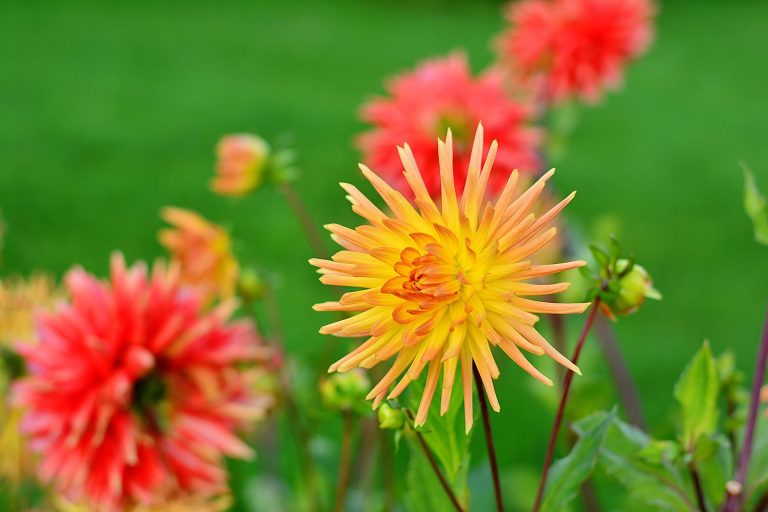
Keeping your garden safe for dogs doesn’t mean sacrificing beauty. These dog-friendly flowers are non-toxic, hardy, and easy to grow, making them perfect for any garden. From perennials to annuals, this list covers blooms that you and your furry friends can enjoy together. Whether you want color, fragrance, or low-maintenance options, these plants let your garden thrive safely.
| Plant | Type | Zones | Sun | Bloom Time | Dog Safe? |
|---|---|---|---|---|---|
| PERENNIALS | |||||
| Roses | Perennial | 3-9 | Full to part sun | Late spring-fall | ✓ Yes |
| Coneflower (Echinacea) | Perennial | 3-9 | Full to part sun | Midsummer-fall | ✓ Yes |
| Snapdragons | Perennial (zones 7-11) Annual elsewhere | 7-11 | Full sun | Spring-early summer | ✓ Yes |
| Shasta Daisy | Perennial | 4-9 | Full sun | Early-midsummer | ✓ Yes |
| Coral Bells (Heuchera) | Perennial | 3-9 | Part to full shade | Late spring-midsummer | ✓ Yes |
| Bee Balm (Monarda) | Perennial | 3-9 | Full to part sun | Midsummer | ✓ Yes |
| ANNUALS | |||||
| Petunias | Annual | 2-11 | Full sun | Spring-first frost | ✓ Yes |
| Zinnias | Annual | 2-11 | Full sun | Summer-first frost | ✓ Yes |
| Marigolds | Annual | 2-11 | Full sun | Summer-first frost | ✓ Yes |
| Sunflowers | Annual | 2-11 | Full sun | Midsummer-fall | ✓ Yes |
| GROUND COVERS AND SHRUBS | |||||
| Thyme | Perennial | 4-9 | Full sun | Early summer | ✓ Yes |
| Lavender | Perennial | 5-9 | Full sun | Early-midsummer | ✓ Yes |
| Dogwood | Tree/Shrub | 5-9 | Full to part sun | Spring | ✓ Yes |
| AVOID – TOXIC TO DOGS | |||||
| Foxglove | Biennial | 4-8 | Part shade | Late spring-summer | ✗ No |
| Hydrangea | Shrub | 3-9 | Part sun | Summer-fall | ✗ No |
| Azalea | Shrub | 4-9 | Part sun | Spring | ✗ No |
| Daffodil | Perennial bulb | 3-9 | Full to part sun | Early spring | ✗ No |
| Oleander | Shrub | 8-11 | Full sun | Summer-fall | ✗ No |
Always verify plant safety with your veterinarian. Source: ASPCA Toxic and Non-Toxic Plants
🌿Also Planning Around Deer or Pests?🌿
If you’re planning your garden from scratch, these guides will save you time and help you avoid common mistakes:
What Makes a Flower Safe for Dogs?

Dog safe flowers are non-toxic to pets, meaning if your pup nibbles on leaves or petals, they won’t experience serious health issues. These plants are free of harmful compounds like alkaloids, glycosides, or saponins that can upset digestion.
While even safe flowers can cause mild stomach upset if eaten in large amounts, they won’t lead to poisoning. For peace of mind, always double-check before adding new plants—and stick with flowers known to be harmless.
Setting Boundaries
Raised beds do more than protect fragile plants. They also create a clear visual boundary for dogs. All of my flower beds are raised, and I’ve found that the added definition makes it easier to teach dogs to stay out of the garden.
Toxic vs. Non-Toxic Plants for Dogs
Not all blooms are created equal, especially when it comes to canine companions. While some plants may seem harmless, certain flowers can be deadly if ingested. To avoid accidental poisoning, familiarize yourself with toxic plants and their non-toxic counterparts. When in doubt, opt for known safe choices that won’t endanger your dog.
Toxic flowers to avoid: lilies, azaleas, foxglove, oleander, daffodils, hydrangeas. Even a small amount can cause serious problems. I have a full guide here in my post Common Garden Flowers Toxic To Dogs.
Safe flowers for dogs: roses, snapdragons, coneflowers, zinnias, sunflowers, lavender. These add color and structure while keeping your dog out of danger.
Top Dog Friendly Perennial Flowers for Your Garden

Perennials return year after year, making them the backbone of a safe, low-maintenance garden. Here are some of the best non-toxic flowers for dogs that thrive season after season.
Always verify plant safety with your veterinarian. Source: ASPCA Toxic and Non-Toxic Plants

Roses
Timeless Blooms that are Safe for Dogs
Roses, with their iconic beauty and fragrance, are a perfect addition to any pup-safe garden. While their thorns might need consideration, their petals and leaves are completely harmless to dogs. Plus, they come in a variety of colors and shapes, offering endless design possibilities.


Coneflowers (Echinacea)
Hardy, Long-Lasting, and Dog-Friendly Flowers
Known for their resilience and ability to thrive in a variety of climates, coneflowers bring both beauty and safety to your garden. Their bold, purple petals add a striking element, while their toughness ensures they can withstand the occasional curious nibble or paw swipe from your pup. They’re completely dog safe -making them a top choice for low-maintenance, pet-friendly landscaping. Learn more about how to grow Echinacea here.

Snapdragons
Fun, Bright Flowers Safe for Playful Paws
Snapdragons are playful and whimsical, just like your dog. These dog friendly flowers are completely non-toxic, so curious pups can sniff or brush past them without worry. They tolerate cooler weather and bloom over a long season. Learn more about how to grow Snapdragons here.

Shasta Daisies
Cheerful, Resilient, and Perfectly Safe
Nothing says summer like a daisy. Shasta daisies brighten borders with their sunny white petals and golden centers. They’re resilient, reliable, and safe for dogs, making them a perfect fit for family-friendly landscapes.

Coral Bells (Heuchera)
Vibrant Foliage and Flowers Your Dog Can Roam Around
Coral bells add color with both foliage and flowers, offering hues from lime green to deep burgundy. They thrive in shade and are non-toxic to dogs, so you can safely use them to brighten woodland edges or shady corners.

Bee Balm
Attractive to Pollinators, Harmless to Dogs
Bee Balm is a vibrant, pollinator-friendly flower that brings bees and butterflies to your garden without putting your dog at risk. Its bright colors and unique, spiky blooms add texture to your design, all while being perfectly safe for pets. Learn more about how to grow Bee Balm here.
Annual and Seasonal Dog Friendly Blooms
 Annuals are perfect for seasonal color, containers, and filling gaps in perennial beds. These dog safe flowers keep things bright all summer.

Petunias
Soft Petals and Zero Risk for Dogs
Petunias are a soft, velvety bloom that graces many gardens throughout the warmer months. Their wide array of colors and cascading growth habit make them a delightful addition, and they’re entirely safe for your dog to sniff, explore, and even taste.

Zinnias
Bold and Safe for Pets
If you’re looking for vibrant, easy-to-grow blooms, zinnias are a fantastic choice. These long-lasting annuals come in a rainbow of colors, offering a pop of joy to any garden. And since they’re non-toxic to dogs, you can let your pup roam freely without concern.

Marigolds
Bright, Bold Blooms Safe for Curious Noses
Marigolds bring a golden warmth to gardens, often blooming until the first frost. Their bold color and pleasant scent make them a favorite among gardeners, and their safety for dogs ensures they can be enjoyed by all members of the household.

Sunflowers
Towering Beauties and Dog Friendly
Sunflowers are iconic for their towering height and bright, sun-like faces. Their seeds are even a healthy snack for both humans and dogs alike, making them a versatile addition to a dog-friendly garden.
Choosing Dog-Safe Ground Covers and Shrubs

Thyme
A Fragrant Ground Cover Safe for Your Dog
Thyme not only adds a wonderful aroma to your garden, but it’s also a hardy ground cover that poses no harm to your pup. Its low-growing nature makes it ideal for filling gaps between pathways or planting in larger areas where your dog might stroll. Plus, its evergreen foliage ensures your garden stays lively year-round.

Lavender
Calming, Aromatic, and Dog-Friendly
Known for its soothing fragrance, lavender offers a dual purpose in your dog-friendly garden. While it helps calm your pup with its calming scent, it also attracts pollinators, adding a touch of life to your garden. Thankfully, it’s non-toxic to dogs, making it a perfect addition to any pup-safe space.

Dogwood
Perfect for Shade and Safe for Dogs
If you’re looking to add structure and shade to your garden, dogwood trees are an excellent choice. They’re not only beautiful with their distinctive bark and bright berries, but they’re also completely safe for dogs to brush up against or explore.
Designing a Pup-Safe Garden

Creating Safe Play Zones in Your Garden
Dogs need space to run, play, and explore. By designating specific areas for them to roam and incorporating dog-friendly flowers, you can create a garden that encourages activity without sacrificing beauty.
Incorporating Dog-Friendly Pathways and Borders
Adding pathways and raised beds to your garden not only protects delicate plants from doggy paws but also provides a clear route for your pup to explore. Use natural, non-toxic materials for edging to maintain a safe, pet-friendly environment.
Using Raised Beds to Protect Delicate Plants
Raised beds are an excellent way to protect fragile plants while still allowing your dog to enjoy the garden. By elevating delicate blooms, you reduce the risk of accidental tramples or digs while keeping your garden neat and organized. All of my flower beds are raised and I do believe it helps set a boundary for my dogs.
Pet-Safe Mulch and Ground Cover Options
Why You Should Avoid Cocoa Mulch
Cocoa mulch, while effective for moisture retention and aesthetics, contains theobromine—the same compound found in chocolate—which can be toxic to dogs if ingested. It’s crucial to avoid using this type of mulch in a pet-friendly garden, no matter how appealing it may look.
Best Mulch Types for Your Dog-Friendly Garden
Opt for alternatives such as pine, cedar, or untreated wood chips, which are both safe and functional for your dog-friendly garden. Not only do these materials keep your plants healthy by retaining moisture, but they also eliminate any danger to curious dogs who love to dig or chew.
Maintaining a Dog-Friendly Garden
Fertilizers and Pesticides to Avoid for Pet Safety
Chemical fertilizers and pesticides might be great for plant growth, but they can be harmful to dogs. Ingredients like insecticides, herbicides, and fungicides can cause everything from mild digestive upset to serious illness if your dog comes into contact with them. Choose organic, pet-safe alternatives to keep both your plants and pets healthy.
Natural Pest Control Methods that are Safe for Pets
To avoid the dangers of chemicals, consider natural pest control options like neem oil, diatomaceous earth, or companion planting with pest-repelling herbs like mint or basil. These methods are not only safe for your pup but also eco-friendly, making your garden a more sustainable space.
Watering Tips to Keep Both Plants and Pets Happy
 Hydration is essential for both your plants and your dog. Be mindful of when and how you water your garden—early morning or late evening is best to avoid both plant and dog overheating. If you use sprinklers, make sure your dog can play safely in the water without worrying about chemical residues.
Training Your Dog to Respect Your Garden
Tips for Encouraging Good Behavior in Your Pup
Creating a harmonious garden with a playful dog requires a little training. Teach your dog to stay within designated areas by using positive reinforcement techniques. Offering treats and praise when they respect garden boundaries will help reinforce good behavior over time.
Using Barriers and Borders Without Sacrificing Style
Sometimes, even the best-behaved dogs need a little guidance. Stylish garden borders or low fencing can help protect your more delicate blooms without disrupting the visual flow of your garden. Choose natural materials like bamboo or wood to keep things looking organic and pet-friendly.
Designing Pet-Safe Garden Styles
Cottage Garden Charm with Dog-Safe Blooms
A whimsical cottage garden brimming with roses, coneflowers, and snapdragons offers a charming, dog-safe retreat for both you and your furry companion. These traditional blooms bring a rustic, enchanting feel while ensuring your garden is free from harmful plants.
Modern Minimalist Gardens for Dog Owners
For a more contemporary look, consider using dog-safe plants like lavender and ornamental grasses to create a sleek, minimalist garden. Incorporate clean lines, raised beds, and strategic plant groupings to achieve a polished, modern feel while keeping your garden safe for pets.
Dog-Friendly Gardening for Small Spaces

Maximizing Safety and Beauty in Limited Space
Small gardens don’t mean you have to compromise on safety or style. By carefully selecting compact, dog-friendly plants and utilizing vertical gardening techniques, you can create a safe, stunning retreat for you and your pup, even in the smallest of spaces.
Urban Gardening Tips for Pet Owners
In urban environments, container gardens or rooftop spaces can still accommodate dog-safe flowers and shrubs. Use raised beds and secure pots to ensure plants stay protected from playful paws, and create small shaded areas for your dog to rest during sunny days.
Common Mistakes to Avoid in Dog-Friendly Gardening
Toxic Plants to Watch Out For
Even with the best intentions, some toxic plants can sneak into your garden. Plants like foxglove, oleander, and hydrangeas should be avoided at all costs. Always double-check the toxicity of new plants before adding them to your pup-safe garden. For a complete list of poisonous plants see this post from Cooperative Extension here.
Garden Products That Could Harm Your Dog
It’s not just plants that can be harmful—fertilizers, pesticides, and even certain garden tools can pose a danger to your dog. Steer clear of products with harsh chemicals, and choose organic, pet-safe alternatives to keep your garden and your dog healthy.
Why Dog Friendly Flowers Matter for Pet Owners
 Gardens are wonderful for pets—they offer a space to explore, sniff, and bask in the sun. But many common garden plants can pose a serious risk to your dog’s health. From mild stomach upset to life-threatening toxicity, a single nibble on the wrong leaf could lead to an emergency vet visit. Choosing dog friendly flowers eliminates worry and allows you to enjoy your garden without constantly hovering over your pup.
Balancing Beauty and Safety in Your Outdoor Space
It’s easy to assume that pet-safe plants might compromise on beauty, but that couldn’t be further from the truth. There is a vast selection of stunning blooms that not only enhance your garden’s aesthetic but also ensure that your pup can wander freely without worry. The trick is to select dog friendly flower varieties that are both hardy and non-toxic, creating a balance between beauty and safety that everyone can enjoy.
Final Thoughts
Creating a pup-safe garden means choosing flowers that are both beautiful and harmless. With this list of dog friendly flowers, you can enjoy vibrant beds filled with roses, zinnias, lavender, nasturtiums, and more—all while knowing your dog is safe to explore.
A garden should be a sanctuary for every member of the family, including the four-legged ones. By selecting non-toxic flowers for dogs, you’re building a space full of color, joy, and peace of mind.
FAQ: Dog-Friendly Flowers and Gardens
Why should I choose dog-friendly flowers for my garden?
Dog-friendly flowers ensure that your furry friend can explore, sniff, and play safely without the risk of toxic plant ingestion. Many common garden plants can be harmful to dogs, so selecting non-toxic blooms provides a worry-free outdoor space for both you and your pet.
What makes a flower safe for dogs?
A dog-safe flower is non-toxic and free from harmful compounds like alkaloids, glycosides, or saponins that can upset a dog’s digestive system. These flowers pose no risk if your pup nibbles on them.
What are some dog-friendly perennial flowers?
Great choices for perennial flowers that are safe for dogs include:
- Roses – Beautiful and safe, though their thorns require caution.
- Coneflowers (Echinacea) – Hardy and long-lasting.
- Snapdragons – Bright and playful blooms.
- Shasta Daisies – Cheerful and resilient.
- Coral Bells (Heuchera) – Vibrant foliage and safe flowers.
- Bee Balm – Pollinator-friendly and pet-safe.
What about annual dog-friendly flowers?
Some excellent seasonal blooms include:
- Petunias – Soft petals and completely non-toxic.
- Zinnias – Vibrant and long-lasting.
- Marigolds – Bold, bright flowers that are safe for dogs.
- Sunflowers – Harmless and loved by pollinators.
How can I design a dog-friendly garden?
- Create designated play zones where your dog can roam freely.
- Use raised beds to protect delicate plants.
- Incorporate dog-safe pathways with non-toxic materials.
- Choose durable, non-toxic ground covers like thyme or lavender.
What mulch is safe for dogs?
Avoid cocoa mulch, as it contains theobromine, which is toxic to dogs. Instead, opt for pet-safe alternatives like pine, cedar, or untreated wood chips.
How can I prevent my dog from trampling my flowers?
Using raised beds, garden borders, and clear pathways can help guide your dog away from delicate plants. Training with positive reinforcement also encourages good garden behavior.
Are there any toxic plants I should avoid?
Yes, some plants can be dangerous for dogs, including:
- Lilies
- Azaleas
- Foxgloves
- Oleander
- Hydrangeas
Always check plant toxicity before adding new flowers to your garden.
What natural pest control methods are safe for dogs?
Instead of chemical pesticides, use pet-safe options like:
- Neem oil
- Diatomaceous earth
- Companion planting with pest-repelling herbs like basil and mint
What are some good ground cover plants for a dog-friendly garden?
- Thyme – Fragrant, hardy, and safe for dogs.
- Clover – Soft and resilient.
- Creeping Jenny – A non-toxic, lush option for shaded areas.
How can I train my dog to respect my garden?
- Use positive reinforcement and rewards to establish boundaries.
- Provide designated digging areas with soft soil or a sandbox.
- Install decorative fences or barriers to protect delicate plants.
What are common mistakes to avoid when creating a dog-friendly garden?
- Planting toxic flowers without realizing their danger.
- Using harmful chemicals in fertilizers or pesticides.
- Choosing unsafe mulch like cocoa mulch.
- Not providing designated paths or play areas for your dog.
Are marigolds safe for dogs?
Yes, marigolds (Tagetes) are considered non-toxic to dogs by the ASPCA. That said, eating a large quantity of petals or foliage can cause mild stomach upset or skin irritation in sensitive dogs. In normal garden amounts they’re a safe, worry-free choice.
Is lavender safe for dogs?
Lavender plants are generally safe for dogs in the garden — the ASPCA lists lavender as non-toxic. However, concentrated lavender essential oil is a different story and should be kept away from pets. As a garden plant, lavender is a great dog-friendly choice that also deters rabbits and attracts pollinators.
Are zinnias safe for dogs?
Yes, zinnias are non-toxic to dogs and one of the easiest dog-safe annuals to grow. Their coarse, hairy foliage means most dogs don’t bother chewing them anyway — making them a practical and colorful addition to a pet-friendly garden.
Are sunflowers safe for dogs?
Yes, sunflowers are completely non-toxic to dogs. The seeds are even a healthy occasional snack. Just be mindful of sunflower seed shells in large quantities, which can cause digestive upset if swallowed whole.
Are roses safe for dogs?
Rose petals and leaves are non-toxic to dogs. The main concern is thorns, which can scratch paws or mouths if a dog chews on the canes. Miniature or thornless rose varieties are ideal if you have a dog that likes to investigate everything up close.
Are petunias safe for dogs?
Yes, petunias are non-toxic to dogs and cats. They’re one of the safest annuals you can plant in a pet-friendly garden, with no known harmful compounds in any part of the plant.
What should I do if my dog eats a toxic plant?
Contact your veterinarian or the ASPCA Animal Poison Control Center at 888-426-4435 immediately. Don’t wait for symptoms to appear — early treatment is always more effective. If possible, take a photo of the plant or bring a sample with you to the vet.