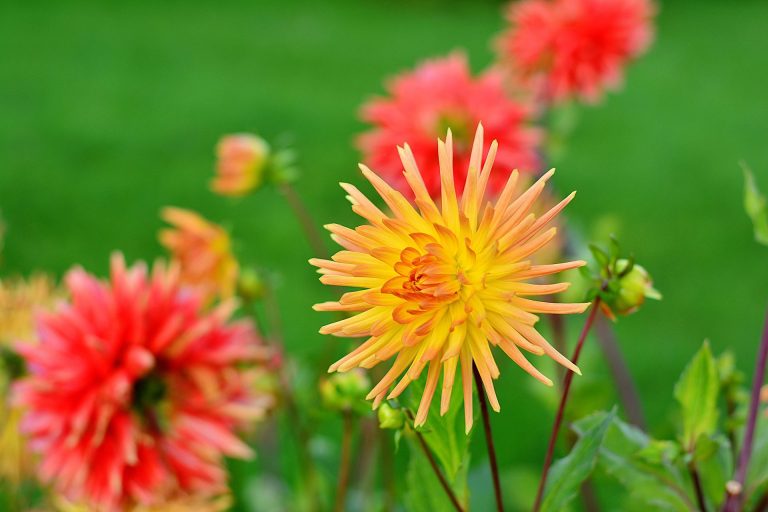
My very first adventure into farming began with growing and selling dried flowers at the local farmers market. What started as a small project blossomed into a true passion. I loved watching each flower go from a tiny seedling to a beautifully dried bloom, perfect for bouquets and wreaths. The joy of creating something with my hands and sharing it with the community was incredibly rewarding. Every weekend at the market, I’d chat with customers about the varieties I grew, learning from their stories and experiences while building my own connection to the land.
Why Dried Flowers Are Making a Comeback
The resurgence of dried flowers is more than just a trend; it’s a revival steeped in history and a reflection of contemporary values. Once popular in Victorian times for their sentimental significance, dried flowers are now cherished for their beauty and practicality. This renaissance can be attributed to a growing awareness of sustainability and eco-conscious living. As more people prioritize environmental impact, dried flowers emerge as the perfect solution—long-lasting, biodegradable, and a delightful way to capture the essence of nature.
The Timeless Appeal of Dried Bouquets and Wreaths
 Dried bouquets and wreaths encapsulate the essence of nature in a form that defies the constraints of time. The intricate shapes and hues of various flowers, when preserved, create a stunning visual tapestry. Whether displayed as a centerpiece or adorning a front door, these arrangements evoke warmth and nostalgia. Their versatility allows for seasonal adaptations, ensuring that the charm of dried flowers graces homes throughout the year. In essence, they serve as a beautiful reminder of nature’s fleeting beauty, forever captured in their elegant forms.
Choosing the Best Flowers for Drying
Top Flower Varieties That Dry Beautifully
Not all flowers are created equal when it comes to drying. Some varieties retain their beauty and structure remarkably well. Here’s a list of some of the best flowers to grow for drying, complete with growing tips:
Statice (Limonium sinuatum)
 Statice, with its vibrant, papery petals, is a favorite for drying. These hardy annuals thrive in full sun and well-drained soil. Start seeds indoors about 6-8 weeks before the last frost, or sow directly outdoors after the danger of frost has passed. Once established, they are drought-tolerant and can bloom from early summer to fall. Harvest statice when the flowers are fully open and vibrant for the best drying results.
➡️ BUY STATICE SEED HERE
Strawflower (Helichrysum bracteatum)
 Strawflowers are renowned for their stunning colors and durability. These annuals prefer full sun and well-drained soil. Sow seeds directly in the garden after the last frost, or start indoors for an earlier bloom. Water regularly but allow the soil to dry out between watering. Harvest the flowers when they are in bloom but not fully open, cutting the stems long to accommodate arrangements. Strawflowers retain their shape beautifully when dried.
➡️ BUY STRAWFLOWER SEED HERE
Lavender (Lavandula)
 Lavender is not only beloved for its fragrance but also for its timeless beauty when dried. This perennial thrives in full sun and well-drained soil, making it ideal for low-water gardens. Plant seeds or cuttings in spring, ensuring good airflow to prevent fungal diseases. Harvest lavender when the buds are just starting to open for the best scent and color retention. Hang bundles upside down in a dark, dry place to dry.
➡️ BUY LAVENDER SEED HERE
Eucalyptus (Eucalyptus spp.)
 Eucalyptus adds texture and fragrance to dried arrangements. These evergreen trees and shrubs prefer full sun and well-drained soil. Plant seedlings or young plants in spring, ensuring ample space for growth. The leaves maintain their rich color when dried, making them a popular choice for wreaths and bouquets.
➡️ BUY EUCALYPTUS SEED HERE
Hydrangea (Hydrangea macrophylla)
 Hydrangeas are a staple in dried arrangements, known for their large, fluffy blooms. These shrubs thrive in partial shade to full sun, with a preference for rich, well-drained soil. Prune in early spring for robust blooms. Harvest hydrangeas in late summer when the flowers are fully open. To dry, simply remove the leaves and place the blooms in a vase without water, allowing them to dry naturally.
➡️ BUY HYDRANGEAS HERE
Yarrow (Achillea millefolium)
 Yarrow is a hardy perennial that offers delicate flowers in various colors. It grows well in poor, well-drained soil and full sun. Directly sow seeds in spring or divide established plants in the fall. Yarrow is a prolific bloomer, providing cut flowers throughout summer. Harvest when the blooms are vibrant, and hang them upside down to dry for stunning arrangements.
➡️ BUY YARROW SEED HERE
Gomphrena (Gomphrena globosa)
 Gomphrena, with its globe-shaped blooms, adds a playful touch to dried arrangements. These cheerful annuals thrive in full sun and are drought-tolerant, making them low-maintenance companions. Start seeds indoors 8-10 weeks before the last frost or sow directly outdoors in late spring. The flowers dry beautifully, maintaining their vibrant colors. Harvest gomphrena when the blooms are fully open for the best results.
➡️ BUY GOMPHRENA SEED HERE
The Benefits of Using Dried Flowers
Long-Lasting Beauty: Why Dried Flowers Outshine Fresh
One of the most enchanting qualities of dried flowers is their longevity. Unlike fresh blooms that wilt within days, dried flowers retain their shape, color, and beauty for months, if not years. This enduring appeal makes them not only a cost-effective choice but also a more sustainable option. Imagine having a bouquet that continues to inspire joy and admiration long after its fresh counterpart has faded away!
Sustainable Décor: Eco-Friendly Benefits of Dried Flowers
Dried flowers are champions of sustainability. Their production involves minimal resources compared to fresh flowers, which often require substantial water and transportation costs. By choosing dried flowers, you’re not only reducing waste but also supporting a cycle of conservation. Additionally, many dried flower suppliers prioritize ethical sourcing, ensuring that their blooms come from sustainable farms. In an era where eco-consciousness reigns supreme, dried flowers present an elegant solution to traditional floral décor.
Versatile Design: Endless Creative Possibilities
 The design potential of dried flowers is virtually limitless. From luxurious bouquets that grace wedding tables to charming wreaths that adorn seasonal celebrations, dried flowers inspire creativity in countless ways. Their myriad textures and colors invite experimentation, allowing crafters to mix and match to create stunning displays. Dried flowers can seamlessly fit into various design aesthetics—from bohemian to rustic chic—making them an invaluable addition to any home.
The Drying Process: A Step-by-Step Guide
How to Pick Flowers at the Perfect Stage for Drying
Timing is everything when it comes to drying flowers. To achieve the best results, pick blooms at their peak—when they are fully open yet still firm. This stage ensures that the flowers retain their vibrancy and structure throughout the drying process. It’s best to avoid flowers that are overripe, as they tend to wilt more quickly. A gentle touch and keen eye can make all the difference, leading to stunning dried creations.
Air Drying vs. Pressing: Which Method is Best?
 Two primary methods for drying flowers—air drying and pressing—offer distinct results. Air drying is perfect for bouquets and stems, allowing flowers to retain their natural shape and size. Conversely, pressing is ideal for flat flowers and foliage, perfect for embellishing cards or artwork. Each technique has its merits, and the choice ultimately depends on the desired aesthetic for your dried creations.
How to Hang and Dry Flowers for the Best Results
To air dry flowers effectively, start by bundling stems together with twine or rubber bands. Hang them upside down in a dark, dry, and well-ventilated area to prevent color fading. This position helps preserve the natural shape and length of the flowers, resulting in a more visually appealing final product. Leave them to dry for 1-3 weeks, checking periodically for dryness. When the petals feel papery and the stems snap easily, they are ready for use!
Tips for Pressing Flowers Successfully
To press flowers, choose a heavy book or a flower press, and place blooms between sheets of parchment paper. Ensure the flowers are not overlapping for an even press. Stack more books on top for added weight and leave them undisturbed for 2-4 weeks. Once dried, carefully remove the flowers and store them in a cool, dry place until ready to use.
Creative Ideas for Using Dried Flowers
Stunning Dried Flower Bouquets for All Occasions
Dried flower bouquets are perfect for weddings, anniversaries, or simply as a statement piece in your home. Mix various dried flowers for a lush, textured arrangement or keep it simple with a single variety. Consider adding seasonal accents like pinecones or feathers for added interest.
Wreaths and Garlands: Seasonal Decor Made Simple

Dried flower wreaths and garlands like the beauties pictured above from Plenty of Posies in Newfield, NY add charm to any space, from festive front doors to cozy interiors. Use a base of grapevine or wire to create your wreath, securing dried flowers with floral wire or hot glue. Experiment with different shapes and sizes for unique designs. Seasonal touches—think eucalyptus in winter or sunflowers in summer—can keep your decor fresh year-round.
Unique Home Accents: Wall Art and Centerpieces
Transform dried flowers into captivating wall art by framing pressed blooms in shadow boxes or creating a floral collage. Dried flowers can also elevate centerpieces; arrange them in vintage jars or ceramic vases for a rustic touch. Whether displayed alone or as part of a mixed arrangement, dried flowers bring warmth and character to any setting.
Caring for Dried Flowers: Ensuring Longevity
To prolong the beauty of dried flowers, keep them out of direct sunlight to prevent color fading. Dust them gently with a soft brush or cloth to maintain their appearance. Avoid placing them in humid areas, as moisture can cause deterioration. With a little care, your dried floral creations can remain stunning for years to come.
Conclusion
Dried flowers offer a unique way to connect with nature and infuse your home with lasting beauty. Whether creating enchanting bouquets, whimsical wreaths, or stunning wall art, the possibilities are endless. As you embark on your journey with dried flowers, embrace the creativity and sustainability they represent. With every bloom, you’re not just preserving beauty; you’re crafting memories that will endure, reminding us of the ephemeral wonder of nature.
Frequently Asked Questions – Growing Dried Flowers
What are the benefits of using dried flowers over fresh ones?
Dried flowers last much longer than fresh blooms, retaining their beauty for months or even years. They require no water and are perfect for low-maintenance décor while being cost-effective and sustainable.
What flowers dry best for bouquets and wreaths?
Some of the best flowers for drying include Statice, Strawflower, Lavender, Eucalyptus, Hydrangea, Yarrow, Gomphrena, and Nigella. Each variety offers vibrant colors and shapes that maintain well when dried.
How do you pick flowers at the right stage for drying?
Pick flowers at their peak, when they are fully open but still firm. Avoid overripe blooms as they tend to wilt faster. Timing is crucial to ensure they maintain their structure and color when dried.
What’s the best method for drying flowers—air drying or pressing?
It depends on the final look you want. Air drying works best for keeping flowers’ natural shapes and creating bouquets, while pressing flattens flowers, ideal for cards or framed art.
How can I air-dry flowers at home?
Bundle the flowers with twine, hang them upside down in a dark, dry, well-ventilated area, and let them dry for 1-3 weeks. Check for dryness when the petals are papery and stems snap easily.
How can I preserve the color of dried flowers?
To maintain vibrant colors, keep your drying flowers out of direct sunlight and in a dark, dry space. Silica gel can also help preserve color in flowers that tend to fade.
What seasonal flowers can I dry throughout the year?
Spring and summer offer great choices like Yarrow, Statice, and Strawflower. In fall, Hydrangeas and Eucalyptus are perfect. Lavender can be harvested in mid-summer and used year-round.
Can I create wreaths using dried flowers?
Absolutely! Dried flower wreaths are a beautiful seasonal décor option. Use a grapevine or wire base, and secure dried flowers with floral wire or hot glue to create your own stunning wreath.
How do I care for my dried flower arrangements?
Keep them away from direct sunlight to prevent fading, and dust them gently with a soft cloth or brush. Avoid moisture to ensure they last as long as possible.