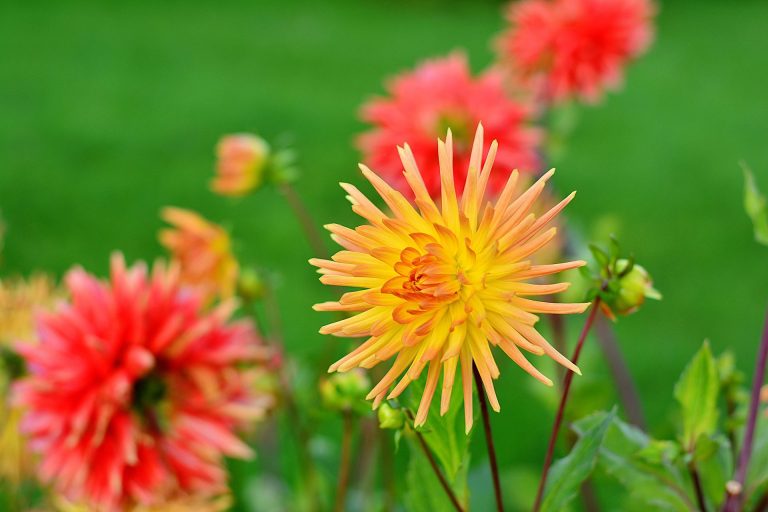
Drought resistant flowers make it possible to maintain a flourishing garden even in the peak of summer. With the right plants, you can enjoy a vibrant landscape despite relentless heat and minimal water. These resilient blooms offer a kaleidoscope of color without constant irrigation, making them perfect for dry spells or low-maintenance gardening.
The Secret to a Thriving Garden in Scorching Heat
 A summer garden doesn’t have to wilt under the weight of relentless sun. The key to success lies in selecting plants that are naturally adapted to withstand dry conditions. These floral warriors have evolved to store moisture, develop deep roots, and thrive where others struggle. With the right approach, your garden can be a dazzling oasis, even in the peak of summer.
Why Choose Drought Resistant Flowers for Your Garden
Water-wise gardening isn’t just practical—it’s a game-changer for anyone looking to save time, effort, and resources. Drought resistant flowers require little intervention, making them perfect for busy gardeners or those living in arid climates. Beyond their resilience, these plants attract pollinators, reduce water bills, and create a sustainable, eco-friendly landscape that flourishes with minimal input.
How These Flowers Conserve Water Without Sacrificing Beauty
Many drought resistant flowers have developed unique adaptations to conserve moisture. Some, like succulents, store water in fleshy leaves, while others have deep root systems that tap into underground reserves. Many feature narrow or silver-hued foliage to reflect sunlight and minimize water loss. Despite these survival mechanisms, they produce stunning blooms that rival their thirstier counterparts.
What Makes a Flower Truly Drought Resistant
 Not all flowers can handle prolonged dry conditions, but true drought resistant varieties share common traits. Deep root systems allow them to access moisture beneath the soil’s surface, while waxy or fuzzy leaves reduce evaporation. Some plants, like California poppies, complete their life cycle before the worst of the drought sets in, ensuring their survival year after year.
Sun-Worshipping Superstars How These Flowers Survive Extreme Heat
Drought resistant flowers don’t just endure the sun—they thrive in it. These plants have evolved to soak up every ounce of light while conserving their precious moisture. Many are native to arid regions, where they’ve adapted to harsh conditions through specialized leaf structures, heat-reflecting colors, and an ability to survive with infrequent watering.
Plant Once, Enjoy for Years The Perks of Low-Maintenance Blooms
 The best drought resistant flowers aren’t just tough; they’re also long-lasting. Many of these plants are perennials, returning year after year with minimal upkeep. Others self-seed prolifically, ensuring a continuous display without the need for replanting. Once established, they demand little attention, allowing gardeners to sit back and enjoy their beauty.
Best Soil and Sun Conditions for Drought Resistant Flowers
Well-drained soil is essential for drought resistant plants, as standing water can lead to root rot. Sandy or rocky soils work best, but amending heavier soil with compost or gravel improves drainage. Full sun is ideal for most drought-tolerant flowers, as they are adapted to bright, open spaces where they can soak up the light without wilting.
The 10 Best Drought Resistant Flowers for Effortless Gardening
Blanket Flower (Gaillardia): Fiery Blooms That Laugh at the Heat
 With daisy-like petals in rich hues of red, orange, and gold, blanket flowers bring a warm glow to any summer garden. These tough perennials bloom profusely from early summer into fall, drawing in butterflies and brightening dry landscapes with their fiery color palette.
Gaillardia thrives in full sun and well-drained soil, requiring little more than occasional deadheading to encourage continued flowering. Once established, it tolerates drought with ease, making it an excellent choice for low-maintenance gardeners.
🌿
Lavender: Fragrant, Pollinator-Friendly, and Virtually Unstoppable
 Lavender is the quintessential drought-tolerant flower, known for its soothing scent, silvery foliage, and striking purple blooms. Bees and butterflies adore its nectar-rich flowers, making it a pollinator favorite. Beyond its beauty, lavender is also prized for its culinary and medicinal uses.
Plant lavender in sandy, well-drained soil with plenty of sun. Overwatering is its biggest enemy, so let the soil dry between waterings. A simple pruning after flowering keeps it neat and encourages fresh growth.
🌿
Black-Eyed Susan (Rudbeckia): Golden Petals That Glow All Summer
 Black-eyed Susans create a golden sea of cheerful blooms, standing tall against summer’s harshest conditions. Their deep brown centers contrast beautifully with their bright yellow petals, making them a standout in any garden.
These rugged perennials are virtually carefree, thriving in poor soil and full sun. They self-seed readily, ensuring a continuous display year after year with little effort from the gardener.
🌿
Coneflower (Echinacea): Tough, Cheerful, and Loved by Butterflies
 Coneflowers are garden workhorses, boasting sturdy stems and bold, daisy-like flowers in shades of pink, purple, and white. Their raised centers provide a landing pad for pollinators, while their deep roots make them exceptionally drought-tolerant.
Echinacea prefers well-drained soil and plenty of sun. It requires little maintenance aside from deadheading to prolong blooms. Once established, it withstands heatwaves and dry spells without complaint.
🌿
Russian Sage: A Cloud of Lavender-Blue That Thrives in Dry Soil
 Russian sage produces billowing sprays of lavender-blue flowers atop silvery stems, adding an airy elegance to the garden. Its aromatic foliage deters pests while attracting beneficial pollinators.
This perennial thrives in poor, well-drained soil and full sun. It requires almost no water once established, making it an excellent border plant or filler for dry landscapes.
🌿
🌿
Yarrow: Vibrant Clusters That Keep Blooming with Minimal Care
 Yarrow’s flat-topped clusters of flowers appear in a range of colors, from sunny yellow to deep red. Its feathery foliage adds texture to the garden, while its blooms attract bees, butterflies, and other beneficial insects.
Plant yarrow in sandy or rocky soil where it can bask in full sun. It requires little more than occasional trimming to remove spent blooms and encourage fresh growth.
🌿
🌿
Sedum (Stonecrop): Succulent Charm That Requires Almost No Water
 Sedum comes in a variety of forms, from ground covers to upright, architectural varieties. Its thick, water-storing leaves make it one of the most drought-tolerant plants available.
This hardy perennial thrives in full sun and rocky or sandy soil. Virtually maintenance-free, it requires no additional watering once established and rewards gardeners with clusters of starry flowers in late summer.
🌿
🌿
Mexican Sunflower: Bold Blooms That Soak Up the Sun and Thrive
 Mexican sunflowers boast brilliant orange blooms that resemble small sunbursts. They attract butterflies and hummingbirds, adding a lively touch to hot, dry gardens.
This annual prefers full sun and well-drained soil. It grows quickly and reaches impressive heights, making it a great choice for back borders or pollinator-friendly spaces.
🌿
🌻Find Mexican Sunflower Seeds Here
🌿
🌿
Globe Thistle (Echinops): A Striking, Drought-Proof Pollinator Magnet
 Globe thistle stands out with its spherical, spiky blue flowers that contrast beautifully against its silvery foliage. Bees and butterflies flock to its nectar-rich blooms.
This resilient perennial flourishes in dry, well-drained soil and full sun. It requires little care beyond cutting back spent flowers to encourage more blooms.
🌿
🌿
🌿
California Poppy: Golden Blooms That Thrive in Poor, Dry Soil
 California poppies create a golden carpet of silky, sun-kissed blooms that thrive in the toughest conditions. They bloom profusely in spring and summer, then self-seed for the following year.
These hardy wildflowers need minimal attention, flourishing in sandy soil and full sun. They prefer dry conditions, making them perfect for water-wise gardening.
🌿
🌻Find California Poppy Seeds Here
🌿
Tips for Growing Drought Resistant Flowers Like a Pro
Drought resistant flowers may be low-maintenance, but a little planning and care can go a long way in ensuring they thrive. From choosing the right planting time to mastering water-wise techniques, a few simple strategies can help your garden flourish with minimal effort. By understanding their unique needs, you can create a lush, colorful space that requires far less water than a traditional garden.
The Best Time to Plant for Maximum Heat Resilience
 Timing is everything when it comes to planting drought resistant flowers. While many of these plants can handle extreme heat, they establish more successfully when planted during cooler seasons. Early spring and fall are ideal, allowing their roots to grow deep before the harsh summer arrives.
If planting in spring, aim for after the last frost but before the first major heatwave. Fall planting is particularly beneficial for perennials, as they can settle in during the cooler months and emerge stronger in the following season. Avoid planting in the peak of summer when young plants may struggle to adapt to high temperatures.
How to Water Smartly and Keep Your Flowers Thriving
Even drought resistant flowers need some water, especially during their establishment phase. The key is to water deeply but infrequently, encouraging plants to develop deep roots that can tap into underground moisture reserves.
A good rule of thumb is to water early in the morning or late in the evening to prevent evaporation. Drip irrigation or soaker hoses are excellent choices for delivering moisture directly to the roots while minimizing water waste. Once established, many drought-resistant plants can thrive on rainfall alone, requiring little to no supplemental watering.
Mulching Secrets for Locking in Moisture and Preventing Weeds
 Mulch is a game-changer in drought gardening. A thick layer of organic mulch—such as bark chips, straw, or shredded leaves—helps retain soil moisture, regulate temperature, and suppress weeds that compete for water.
For best results, apply a 2- to 3-inch layer around the base of your plants, leaving a small gap around the stems to prevent rot. Inorganic options like gravel or crushed stone also work well for heat-loving plants like lavender and sedum, reflecting sunlight while keeping roots cool.
Companion Planting Which Plants Pair Perfectly with These Blooms
Pairing drought resistant flowers with compatible plants can enhance their beauty and resilience. Many thrive alongside herbs like rosemary, thyme, and sage, which share similar water-wise characteristics and attract pollinators.
For a stunning yet functional combination, try planting yarrow with echinacea to create a pollinator paradise. Black-eyed Susans pair beautifully with ornamental grasses, while lavender’s silvery foliage makes an elegant contrast against the bright hues of coreopsis. By choosing plants with similar needs, you’ll create a thriving, self-sufficient ecosystem.
Common Mistakes to Avoid When Growing Drought Resistant Flowers
While these flowers are tough, they still require the right conditions to thrive. Overwatering is one of the most common mistakes, as many drought-resistant plants are adapted to dry soils and can suffer from root rot if kept too wet.
Another common misstep is planting in heavy, poorly drained soil. Amending clay-based soils with sand, gravel, or organic matter improves drainage and ensures your plants don’t sit in soggy conditions. Finally, avoid overcrowding—many drought-tolerant flowers need space for airflow and root expansion to reach their full potential.
Enjoy a Stunning, Water-Wise Garden All Summer Long
A garden filled with drought resistant flowers isn’t just practical—it’s breathtakingly beautiful. With an array of vibrant blooms, fragrant foliage, and pollinator-friendly plants, you can enjoy a lush, colorful landscape without the constant need for watering. Whether you’re designing a new flower bed or looking to reduce water use in your existing garden, these hardy plants make it easier than ever to cultivate a thriving, eco-friendly outdoor space.
Embrace the beauty of low-maintenance gardening, and let these sun-loving superstars transform your yard into a dazzling, water-wise haven!
FAQ: Growing a Stunning Drought-Resistant Garden
What makes a flower drought-resistant?
Drought resistant flowers have special adaptations like deep roots, water-storing leaves, and sun-reflecting foliage. These features help them thrive in dry conditions with minimal watering.
Why should I choose drought resistant flowers for my garden?
They save water, require less maintenance, attract pollinators, and keep your garden colorful even during dry spells. Plus, they help reduce your water bill and create an eco-friendly landscape!
Do drought-tolerant flowers still need watering?
Yes, but much less than other plants. Newly planted flowers need regular watering to establish strong roots. Once mature, they can often thrive on rainfall alone, with occasional deep watering during extreme heat.
What type of soil is best for drought resistant flowers?
Well-drained soil is essential. Sandy or rocky soils work best, but if you have clay soil, mix in compost or gravel to improve drainage.
Do drought resistant flowers need full sun?
Most thrive in full sun, as they are adapted to bright, open spaces. However, some can tolerate partial shade, especially in hotter climates.
When is the best time to plant drought resistant flowers?
Spring and fall are ideal planting times. This allows roots to establish before the intense summer heat. Avoid planting during peak summer, as young plants may struggle in extreme temperatures.
How can I help my drought-resistant garden retain moisture?
Apply a 2- to 3-inch layer of mulch around plants to retain moisture, regulate soil temperature, and suppress weeds. Organic mulch like straw or bark works best, but gravel also helps for plants like lavender and sedum.
What are the best drought resistant flowers for beginners?
Easy-care options include:
- Lavender – Fragrant and pollinator-friendly
- Black-Eyed Susan – Bright and cheerful
- Echinacea (Coneflower) – Hardy and colorful
- Sedum (Stonecrop) – Succulent and nearly indestructible
- California Poppy – Golden blooms that self-seed
Can I grow drought-tolerant flowers in containers?
Yes! Use well-draining soil and choose deep pots to allow roots to spread. Terracotta pots work well as they absorb excess moisture and prevent root rot.
What are common mistakes when growing drought resistant flowers?
- Overwatering – Too much water can cause root rot. Let the soil dry between waterings.
- Poor drainage – Planting in heavy, compacted soil can suffocate roots.
- Overcrowding – Give plants space to grow and allow air circulation.
Can I mix drought resistant flowers with other plants?
Absolutely! Pair them with herbs like rosemary, sage, and thyme, or ornamental grasses for a stunning, water-wise landscape.
How can I encourage more blooms from my drought resistant flowers?
Deadheading (removing spent flowers) encourages reblooming. Occasional trimming and a light application of compost can also keep plants healthy and vibrant.
Enjoy a thriving, water-wise garden all summer long with these resilient, sun-loving blooms! 🌸🌞🌿