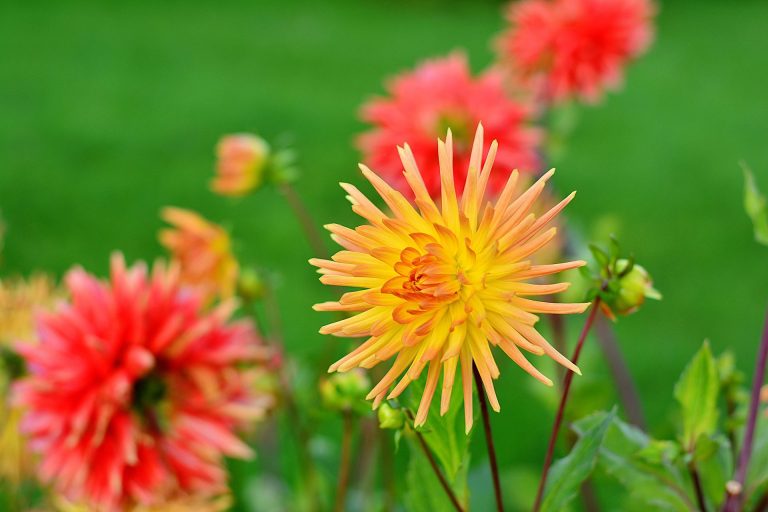
Growing your own cut flowers from seed is one of the easiest ways to enjoy fresh bouquets all season long. You do not need a large garden or expensive starts. Many cut flowers germinate quickly, bloom fast, and produce more stems the more you harvest.
This guide focuses on easy cut flowers that grow reliably from seed, even for beginners. These varieties are known for strong stems, repeat blooming, and simple care in home gardens. Most can be direct sown and thrive with basic watering and sunlight.
If you want flowers for bouquets without complicated growing methods, these cut flowers are a great place to start. Each one offers long lasting blooms and steady production, making them ideal for cutting gardens, raised beds, and backyard plots.
Why Grow Cut Flowers from Seed for Endless Bouquets

The Joy of Homegrown Blooms
There’s something magical about watching a tiny seed transform into a vibrant flower. Growing your own cut flowers brings an unmatched sense of satisfaction. Each bloom carries a personal touch, making every bouquet unique and meaningful. Plus, the ability to harvest fresh cut flowers daily allows for a constant refresh of color and fragrance indoors.
Cost-Effective and Abundant
Purchasing fresh cut flowers from a florist can be expensive, especially if you love having them year-round. Growing from seed provides an affordable alternative, yielding an abundance of blooms for just a few dollars per packet. With proper care, a single plant can produce dozens of cut flowers, ensuring a never-ending supply.
More Variety, More Beauty
Seed catalogs open up a world of possibilities beyond what’s available at garden centers. You can grow rare, heirloom, and unique varieties that aren’t commonly found in stores. From delicate, airy cosmos to bold, structural sunflowers, the diversity allows for endless creativity in floral arrangements.
Choosing the Best Easy-to-Grow Cut Flowers

Flowers That Bloom All Season Long
To keep bouquets coming, choose varieties that continuously produce flowers from spring through fall. These long-blooming champions ensure a steady flow of fresh blooms without major gaps in flowering. Some cut flowers, like zinnias and cosmos, bloom abundantly with minimal effort. Others, such as statice and snapdragons, provide an extended bloom period when properly maintained.
Top Picks for Beginner Gardeners
Some cut flowers are more forgiving than others, making them perfect for beginners. Zinnias, cosmos, and calendula are among the easiest to grow, thriving with minimal fuss. They tolerate a variety of soil conditions and reward gardeners with prolific blooms. Even first-time growers will enjoy success with sunflowers and bachelor’s buttons, as these resilient flowers grow quickly with little care.
Long-Lasting Vase Life Favorites
Not all flowers hold up well after being cut. If you want bouquets that stay fresh for over a week, opt for varieties like statice, scabiosa, and celosia. These cut flowers not only last long in a vase but also dry beautifully for everlasting arrangements. Stock, snapdragons, and marigolds are also excellent choices, offering both longevity and fragrance in floral displays.
Sowing Seeds Like a Pro

Direct Seeding vs. Starting Indoors
Some flowers thrive when sown directly in the garden, while others benefit from an early indoor start. Zinnias, cosmos, and marigolds prefer direct sowing, as they dislike root disturbance. In contrast, snapdragons and stock germinate better indoors where conditions are more controlled. Choosing the right method for each variety ensures strong, healthy plants that produce abundantly.
Best Soil Conditions for Strong Seedlings
Healthy soil is the foundation of vigorous plants. A well-draining, nutrient-rich soil mix is essential for strong roots and abundant blooms. Adding compost or aged manure improves fertility and moisture retention. Ensuring proper aeration also prevents root rot and allows for better nutrient absorption.
Tips for Speedy Germination and Healthy Growth
Keep soil consistently moist but not soggy, and ensure seeds have proper warmth for germination. Some flowers, like sweet peas, benefit from an overnight soak before planting. Thinning seedlings early prevents overcrowding and promotes robust plants. Providing adequate light and air circulation also helps prevent disease and encourages sturdy stems.
Must-Grow Easy Cut Flowers for a Continuous Harvest
With these 14 easy to grow cut flowers, you will have a never ending supply bouquets for your own home, and family, friends or even for special occassions.


Snapdragons: Adding Height and Drama to Arrangements
 A must-have for structured bouquets, snapdragons provide vertical interest and come in a spectrum of shades, from soft pastels to bold jewel tones. Their distinctive, dragon-like blooms bring a touch of whimsy to any floral display, making them a staple for florists and home gardeners alike. With their tall, sturdy stems, they serve as excellent focal points in arrangements, adding both height and texture.
Snapdragons grow best in cooler weather and perform exceptionally well in early spring and fall gardens. They prefer full sun and rich, well-drained soil with consistent moisture. To encourage continuous blooming, deadhead spent flowers regularly and pinch back young plants to promote bushier growth.
💐Find Snapdragon Seeds Here
Sweet Peas: Fragrant, Delicate, and Simply Stunning
 These climbing beauties offer incredible fragrance and old-fashioned charm, making them a favorite for cottage gardens and romantic bouquets. Their delicate, ruffled petals and intoxicating scent evoke nostalgia, bringing a vintage, storybook quality to floral arrangements. Available in soft pastels, deep jewel tones, and even bicolored varieties, sweet peas effortlessly elevate any bouquet with their grace and elegance.
Sweet peas thrive in cooler temperatures and should be planted in early spring or late summer in milder climates. They require a support structure, such as a trellis or netting, to climb and flourish. For the best results, soak the seeds overnight before planting to improve germination. Regular harvesting encourages more blooms and extends their flowering season.
💐Find Sweet Pea Seeds Here
Bachelor’s Buttons: Classic Cottage Charm
 These delightful blue flowers add a rustic, meadow-like quality to arrangements, making them a charming addition to casual and wildflower-inspired bouquets. With their daisy-like appearance and rich, true-blue hue, they contrast beautifully with other cut flowers, adding depth and texture to arrangements. Besides blue, they also come in shades of pink, white, and purple, offering versatility in floral design.
Bachelor’s buttons are incredibly easy to grow as cut flowers and thrive in full sun with well-drained soil. They are drought-tolerant once established and require little maintenance beyond occasional deadheading to encourage reblooming. For the best results, sow seeds directly in the garden in early spring or fall for continuous blooms.
💐Find Bachelor Button Seeds Here
Dahlias: Bold, Intricate, and Show-Stopping
 Dahlias offer some of the most striking blooms in the garden, ranging from petite pompons to massive dinner-plate varieties. With layers of intricate petals, they provide depth and texture in floral designs, making them a must-have for show-stopping arrangements. Their rich colors and varied forms allow for endless creativity in bouquets, from soft pastels to fiery sunset shades.
Dahlias grow from tubers and thrive in full sun with fertile, well-draining soil. They require staking for support, especially taller varieties, to prevent stems from bending under the weight of their large blooms. Regular deadheading and consistent watering encourage continuous flowering throughout the season.
💐Find Dahlia Tubers Here
Statice: Everlasting Beauty
 A florist favorite, statice boasts papery, vibrant blooms that dry beautifully, making it ideal for both fresh and dried bouquets. Its clustered flowers add a textural element to arrangements, enhancing their depth and visual appeal. Available in a variety of shades, including purple, blue, pink, and white, statice is a staple for long-lasting floral displays.
Statice thrives in full sun and well-drained soil, preferring dry conditions over excessive moisture. It’s best started from seed indoors and transplanted once the danger of frost has passed. Regular harvesting encourages continued blooming, and the flowers retain their color beautifully when dried.
💐Find Statice Seeds Here
Calendula: Cheerful and Resilient
 Bright and golden, calendula thrives in cooler weather, providing a continuous burst of color in the garden and in bouquets. Its daisy-like flowers range from pale yellow to deep orange and are known for their cheerful, sun-kissed appearance. Beyond its beauty, calendula has been valued for centuries for its medicinal and culinary uses.
Calendula prefers full to partial sun and grows best in well-draining soil with moderate moisture. It’s a hardy annual that can tolerate light frosts, making it an excellent choice for early spring or fall plantings. Regular deadheading extends the bloom season, ensuring an abundance of cut flowers.
💐Find Calendula Seeds Here
Celosia: Unique Texture and Color
 With its feathery plumes or coral-like blooms, celosia adds bold texture and a touch of the exotic to floral arrangements. The vivid shades of red, orange, yellow, and pink bring vibrancy and drama to bouquets, making them stand out in any setting. Celosia’s long-lasting blooms make it a favorite for both fresh and dried floral designs.
Celosia thrives in warm temperatures and requires full sun and well-drained soil to flourish. It’s best started from seed indoors and transplanted after the last frost. Minimal maintenance is needed beyond occasional watering and deadheading to encourage prolonged blooming.
💐Find Celosia Seeds Here
Nigella: Delicate and Intriguing
 Also known as Love-in-a-Mist, nigella offers airy foliage and fascinating seed pods, making it a captivating addition to floral designs. Its soft, intricate blooms come in shades of blue, pink, and white, lending an ethereal quality to bouquets. After the petals fade, the unique seed pods add an unexpected textural element to arrangements.
Nigella prefers cool weather and grows best when sown directly into the garden in early spring or fall. It thrives in full sun to partial shade and requires well-draining soil. Once established, it reseeds easily, ensuring a continuous supply of flowers year after year.
💐Find Nigella Seeds Here
Marigold ‘Starfire’: A Fiery Burst of Color
 This compact variety produces an abundance of warm-toned flowers in shades of gold, orange, and red. The star-shaped blooms add vibrancy and rustic charm to any bouquet, complementing both bold and delicate floral arrangements. Their long-lasting nature makes them a valuable addition to cut flower gardens.
Marigolds thrive in full sun and tolerate a wide range of soil conditions, making them one of the easiest flowers to grow. They require little maintenance beyond occasional watering and deadheading. Regular harvesting encourages more blooms, ensuring a continuous supply throughout the season.
💐Find Marigold ‘Starfire’ Seeds Here
Scabiosa: Soft, Elegant, and Whimsical
 Commonly called pincushion flower, scabiosa produces delicate, round blooms with a fluttering, butterfly-like effect in bouquets. Its soft pastel shades and intricate petal structure add an elegant touch to arrangements. Scabiosa also attracts pollinators, making it a valuable addition to any garden.
Scabiosa grows best in full sun with well-drained soil and moderate moisture. It benefits from deadheading to encourage reblooming and produces flowers continuously throughout the season when regularly harvested.
💐Find Scabiosa Seeds Here
🌿
Stock: Fragrant and Classic
 Stock is known for its intoxicating, clove-like scent and elegant, ruffled petals, making it a staple in romantic and classic floral arrangements. Available in soft pastels and rich jewel tones, it adds a sophisticated charm to bouquets. Its dense flower spikes make it an excellent choice for adding volume and fragrance to floral designs.
Stock thrives in cooler temperatures and should be planted in early spring or fall. It prefers full sun and fertile, well-draining soil. Regular watering and fertilization promote lush, healthy blooms, while deadheading encourages prolonged flowering.
💐Find Stock Seeds Here
🌿
Extending the Bloom Season for More Bouquets

Succession Planting: The Secret to Continuous Harvest
Sowing seeds every few weeks ensures a steady supply of fresh cut flowers. Staggering plantings prevents gaps in bloom production, keeping your garden full of cuttable stems. This works especially well for annuals like zinnias, cosmos, and sunflowers.
Mark your calendar to plant in small batches every two to three weeks. This method extends your harvest from early spring until frost, ensuring a nonstop supply of cut flowers for bouquets.
Deadheading and Pinching for Maximum Blooms
Removing spent flowers encourages plants to keep blooming instead of going to seed. Deadheading redirects energy into producing fresh buds, extending the flowering period.
Pinching young seedlings promotes bushier growth with multiple stems rather than a single stalk. This technique is especially useful for branching cut flowers like zinnias and dahlias.
Fertilizing and Watering for Lush Growth
Flowers thrive when well-fed and properly hydrated. A balanced liquid fertilizer every two to three weeks supports healthy growth and continuous blooming.
Deep, consistent watering—about an inch per week—prevents stress. Water at the base of plants to encourage strong roots and reduce disease risk. Mulching helps retain moisture and regulate soil temperature.
Harvesting Flowers for Long-Lasting Bouquets

When to Cut for Peak Freshness
Cut flowers in the early morning when they’re fully hydrated. Some flowers, like zinnias and sunflowers, should be harvested fully open, while others, like sweet peas and snapdragons, last longer when cut in bud form.
Use sharp, clean tools to cut stems at an angle for better water uptake. Immediately placing them in a bucket of cool water locks in freshness.
The Right Tools for the Job
Sharp, clean pruners prevent stem damage and reduce disease risk. Dull tools crush stems, making water absorption harder and shortening vase life.
Keep a bucket of clean, cool water nearby when harvesting. Flowers prone to wilting, like dahlias and hydrangeas, benefit from immediate hydration. Store blooms in a cool, shaded area before arranging.
Hydration Hacks to Keep Blooms Looking Fresh
Place stems in water immediately, remove excess foliage, and use floral preservatives to extend vase life. Stripping lower leaves prevents bacterial growth.
Change water every couple of days and recut stems at an angle to improve hydration. Woody-stemmed flowers like lilacs and hydrangeas absorb water better when their stems are split or dipped in boiling water.
Common Mistakes and How to Avoid Them

Overcrowding: Give Your Flowers Room to Thrive
Packed seedlings compete for nutrients, light, and airflow, leading to weak stems and fewer blooms. Overcrowding also increases the risk of disease.
Thin out seedlings early to ensure proper spacing. Following recommended guidelines allows plants to develop sturdy stems and high-quality blooms.
Ignoring Soil Health: The Foundation of Success
Poor soil weakens plants and reduces flowering. Nutrient-rich, well-draining soil supports strong root development and healthy blooms.
Regularly amend beds with compost and organic matter. A soil test can help identify deficiencies, while mulch helps retain moisture and improve structure.
Forgetting to Harvest: Keep Cutting for More Blooms
Many flowers stop blooming if not harvested regularly. The more you cut, the more they produce, so don’t hesitate to fill your vases often!
Harvest at the right stage and remove spent flowers to keep plants productive all season long. This ensures a continuous supply of fresh blooms for your arrangements.
Conclusion
Growing your own cut flowers is a rewarding way to bring beauty and joy into your home. With just a few seed packets and proper care, you can enjoy vibrant bouquets all season long.
Start planting today and experience the magic of homegrown flowers in every room!
FAQ: Growing Easy Cut Flowers from Seed
Why should I grow cut flowers from seed instead of buying plants?
Growing from seed is cost-effective, allowing you to cultivate a large number of plants for a fraction of the cost of nursery-grown plants. It also offers access to a wider variety of flowers, including unique and heirloom selections not commonly found in stores.
What are the easiest cut flowers to grow from seed?
Beginner-friendly cut flowers include zinnias, cosmos, calendula, bachelor’s buttons, sunflowers, and marigolds. These flowers are hardy, require minimal care, and bloom profusely.
How do I choose flowers for a continuous harvest?
Select long-blooming flowers like zinnias, cosmos, and snapdragons, and use succession planting—sowing new seeds every few weeks—to ensure a steady supply of blooms from spring to frost.
Should I start seeds indoors or sow them directly in the garden?
It depends on the flower variety. Flowers like zinnias, cosmos, and sunflowers prefer direct seeding, while snapdragons and stock benefit from an early indoor start for better germination and growth.
What soil conditions are best for growing cut flowers from seed?
A well-draining, nutrient-rich soil is essential. Adding compost improves fertility, moisture retention, and aeration, which helps support strong root growth and abundant flowering.
How often should I water my cut flowers?
Water deeply about once a week, ensuring soil remains moist but not soggy. Mulching around plants helps retain moisture and regulate soil temperature.
How can I speed up germination?
Keep soil consistently moist and warm. Some seeds, like sweet peas, benefit from an overnight soak before planting. Thinning seedlings early prevents overcrowding and promotes healthy growth.
What flowers have the longest vase life?
Flowers with extended vase life include statice, scabiosa, celosia, and stock. These varieties stay fresh in arrangements for a week or more and some, like statice, can also be dried for long-lasting displays.
How can I ensure my flowers keep blooming all season?
Regular deadheading (removing spent blooms) encourages plants to produce more flowers. Pinching young seedlings promotes bushier growth with multiple flowering stems.
How do I harvest cut flowers for the best results?
Cut flowers in the early morning when they are well-hydrated. Use sharp scissors or pruners and place stems in water immediately. Harvesting when blooms are just opening ensures the longest vase life.
Can I grow cut flowers in containers?
Yes! Many cut flowers, including zinnias, cosmos, and calendula, thrive in containers. Use well-draining potting mix, ensure adequate sunlight, and water regularly.
What’s the best way to extend my growing season?
Plant successively every few weeks, deadhead regularly, and provide proper fertilization. You can also start cool-weather flowers like sweet peas early in the season and warm-weather blooms later for continuous color.
Do cut flowers attract pollinators?
Yes! Flowers like zinnias, cosmos, and sunflowers attract bees, butterflies, and other beneficial pollinators, enhancing your garden’s ecosystem.
Can I save seeds from my flowers for next year?
Absolutely! Many flowers, such as zinnias and cosmos, produce viable seeds that can be collected, dried, and stored for planting the following season.
What are the best fertilizers for cut flowers?
Use a balanced liquid fertilizer every two to three weeks to support healthy growth and continuous blooms. Organic options like compost tea or fish emulsion work well.
Are there any flowers that dry well for arrangements?
Yes! Statice, celosia, and strawflowers are excellent choices for drying. Simply hang stems upside down in a dry, dark place until fully dried.
By growing cut flowers from seed, you can enjoy a continuous supply of fresh, homegrown blooms all season long—perfect for decorating, gifting, or even selling!