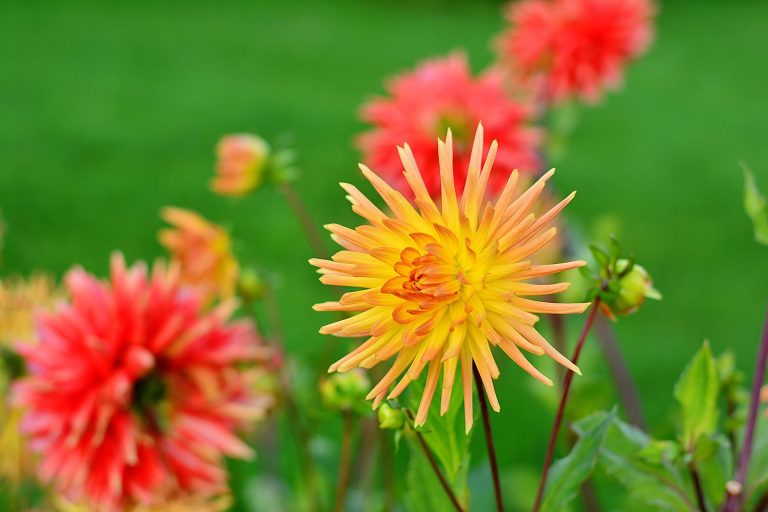
Every fall, I have to remind myself that gardening isn’t winding down, it’s just changing seasons. While the flower beds may look tired, this is when I do some of the most important work of the year. A few hours spent planting bulbs, sowing seeds, and dividing perennials now means a garden that’s ready to burst into bloom when spring arrives.
The plants you tuck in now, the bulbs you plant, and the perennials you divide before the ground freezes are all setting the stage for a garden that bursts into bloom earlier and fuller next year. A handful of well-timed tasks this fall means healthier root systems, better-established plants, and a spring garden that looks like it’s been cared for by someone with a lot more free time than you actually have.
The best part? None of these jobs take very long. Grab a cup of tea, a notepad, and let’s walk through the six tasks that will pay you back tenfold when the daffodils start poking through in March.
1. Order Spring-Flowering Bulbs Before the Best Varieties Sell Out
 If there’s one task on this list that beginner gardeners underestimate, it’s this one. Ordering your spring bulbs early feels almost too simple to matter, but timing here makes a real difference.
Why Order Early
Popular bulbs often sell out by late summer, especially specialty and heirloom varieties. I always order bulbs as soon as catalogs are released. I’ve waited too long more than once, only to discover the tulips I wanted had already sold out.
Bulb suppliers only grow a limited quantity each year, and once a variety sells out, it’s gone until next season. If you wait until October to start browsing, you’ll likely find the leftovers, mixed color tulips and generic daffodils, rather than the striking varieties you saw in that gorgeous garden photo online.
Ordering early also means better selection of unusual varieties. Want parrot tulips with feathery, ruffled petals? Species crocus in a shade you’ve never seen at the garden center? Fritillaria that looks like it belongs in a fairy tale? Those are the bulbs that disappear from inventory first.
The good news is that ordering early doesn’t mean planting early. You can order now and simply let the bulbs wait in storage until soil temperatures cool down later in fall, which is the ideal planting window (more on that in Task 4).
My Favorite Bulbs to Order
Tulips – endless color and form options, from classic cups to fringed and double blooms
Daffodils – reliably deer- and squirrel-resistant, and they naturalize beautifully
Alliums – those whimsical purple globes that pop up above other perennials
Hyacinths – incredibly fragrant, perfect near a doorway or patio
Crocus – some of the very first blooms to appear, often pushing through late snow
Fritillaria – a showstopper for gardeners wanting something a little unexpected
When Should You Plant Them?
Once your bulbs arrive, store them in a cool, dry, dark place, like a basement, garage, or unheated closet, until you’re ready to plant. Avoid the refrigerator if you’re also storing fruit; ripening fruit releases ethylene gas that can damage bulbs. Try to plant your bulbs 5 weeks before your ground freezes.
2. Order Hardy Annual Seeds Before They Sell Out
 While you’re placing that bulb order, add hardy annual seeds to your cart too. Hardy annuals are flowers that can handle a light frost and even a dusting of snow as young seedlings, which makes them perfect candidates for sowing directly in fall rather than waiting for spring.
I’m personally excited to try some new Peony Poppy varieties. Lilac Pompon, Pale Rose and Antique Shades are all on my list to seed this fall.
Ordering seeds early matters for the same reason bulbs do: popular seed varieties often sell out before winter, especially newer cultivars and unusual color forms that flower gardeners tend to snap up quickly. Seed companies typically see their biggest rush of orders in late summer and early fall, right as gardeners start planning next year’s cutting garden.
Favorite Hardy Annuals for Fall Sowing
Larkspur – tall spikes of blue, pink, and white that self-sow reliably
Bachelor Buttons – cheerful cornflower blue blooms that are nearly foolproof
Nigella (Love-in-a-Mist) – delicate, airy flowers with striking seed pods
Poppies – both Breadseed Peony and Shirley poppies love a fall sowing
Bells of Ireland – unique green spires that add texture to any bouquet
Calendula – bright, edible petals that bloom for months
Once you’ve got your seed packets in hand, you’re ready to move on to the actual sowing — which brings us to our next task.
3. Direct Sow Hardy Annuals

Why does fall sowing work so well? A few reasons:
Cold stratification – many hardy annual seeds actually need a period of cold, moist conditions to break dormancy. Sowing in fall lets winter do this naturally, rather than you having to fake it in the fridge.
Earlier blooms – seeds sown in fall germinate as soon as conditions allow in late winter or early spring, giving you a head start of several weeks compared to spring-sown seeds.
Stronger plants – fall-sown seedlings develop deep, resilient root systems over the cooler months, which typically makes them sturdier and more floriferous than their spring-sown counterparts.
Less indoor seed starting – no grow lights, no seed trays cluttering your kitchen table, no hardening-off schedule to juggle. Mother Nature handles it.
Planting Tips for Fall Sowing
Wait until temperatures stay cool – you want consistently cool weather so seeds don’t germinate too early and get zapped by a hard freeze. A good rule of thumb is after your first light frost, once nighttime temperatures are reliably in the 40s.
Prepare the soil first – clear away debris and loosen the top inch or two of soil so seeds can make good contact.
Mark your planting locations – it’s easy to forget where you scattered tiny seeds once winter arrives. Be sure to label the spot so you don’t accidentally disturb the area.
Water if conditions are dry – fall rains often take care of this, but if you’re in a dry spell, give the area a gentle watering after sowing to help seeds settle in.
4. Plant Spring-Flowering Bulbs
 Now it’s time to get those bulbs you ordered back in Task 1 into the ground.
Timing is everything with bulbs. You’ll want to wait until soil temperatures have cooled, typically once nighttime air temperatures are consistently in the 40–50°F range. Planting too early, while the soil is still warm, can cause bulbs to sprout prematurely or become more susceptible to rot. That said, you do need to get bulbs in the ground before it freezes solid, since they need a few weeks to establish roots before winter dormancy sets in.
Quick Bulb Planting Chart
Bulb | Planting Depth | Spacing |
|---|---|---|
Tulips | 6–8 inches | 4–6 inches apart |
Daffodils | 6 inches | 5–6 inches apart |
Alliums | 4–8 inches (varies by size) | 6–12 inches apart |
Hyacinths | 4–6 inches | 4–6 inches apart |
Crocus | 3–4 inches | 3 inches apart |
Fritillaria | 4–6 inches | 6–8 inches apart |
A general rule of thumb if you forget the chart: plant bulbs about three times as deep as the bulb is tall.
At planting time, work in a bulb-specific fertilizer (look for one with a higher phosphorus content, which supports root and bloom development) or a handful of bone meal into the bottom of the planting hole.
If squirrels or chipmunks are a problem in your garden, protect your bulbs by laying chicken wire over the planting area (bulbs will grow up through the holes just fine) or interplanting with daffodils, which rodents tend to avoid — their scent can help mask more “tasty” bulbs like tulips.
5. When to Dig Up Dahlias and Tender Bulbs for Winter Storage
 While spring bulbs are going into the ground, there’s an opposite job happening for gardeners in colder climates: digging up tender bulbs that won’t survive winter outdoors.
Unlike tulips and daffodils, which are perfectly hardy, plants like dahlias store their energy in tubers and corms that simply can’t handle a hard freeze. If left in the ground through winter in most climates, they’ll rot or freeze and won’t return next spring.
Plants That Typically Need Digging in Colder Zones
Dahlias
Gladiolus
Cannas
Elephant Ears
Tuberous Begonias
When to Dig
Wait until the first light frost blackens the foliage. This signals the plant is going dormant and redirecting its energy into the tuber or corm: exactly what you want before storage. Digging too early, while the plant is still actively growing, can mean smaller, less mature tubers.
How to Cure Them
I learned the hard way not to wash dahlia tubers before storing them. They kept much better once I switched to brushing off the soil and letting them cure naturally. This “curing” period toughens the outer skin and helps prevent storage rot.
Storage Methods
Once cured, store tubers and corms in a cardboard box or paper bag layered with peat moss, vermiculite, or dry wood shavings, and keep them in a cool (usually 40–50°F), dark space like a basement or unheated closet. Check on them periodically over winter.
Common Mistakes to Avoid
Digging too early, before a killing frost, which can shock the plant
Washing dahlia tubers with water, which encourages rot
Storing tubers somewhere too warm, which causes them to shrivel
Storing tubers somewhere too cold or damp, which causes rot
Forgetting to label varieties, leaving you guessing next spring
6. Divide Overcrowded Perennials
 Fall is one of the best times to divide many spring- and summer-blooming perennials, since it gives newly divided plants time to establish roots before the growing season ramps up again, without the stress of summer heat.
Why Bother Dividing at All?
If you’ve never divided a perennial before, it might feel like an unnecessary chore but it’s honestly one of the most rewarding jobs in the whole garden. A few of the biggest benefits:
Free plants. Every division is a brand new plant. Dig up one overgrown daylily clump and you might walk away with three or four new plants to tuck into other beds, share with neighbors, or swap with fellow gardeners.
Healthier blooms. Overcrowded perennials often produce smaller, sparser flowers because they’re competing with themselves for water and nutrients. Dividing gives each section room to breathe, which usually means bigger, more abundant blooms the following year.
Rejuvenates old clumps. Many perennials naturally decline in the center as they age, and dividing essentially resets the clock and you’re left with only the youngest, most vigorous growth to replant.
Fills empty garden spaces. Instead of buying new plants to fill a bare patch, you can simply use divisions from an established plant you already have. It’s an easy, budget-friendly way to make a young garden feel fuller.
I usually divide one or two perennials every fall instead of trying to tackle the whole garden at once. It’s much more manageable, and it keeps the job from feeling overwhelming. A little bit each year adds up to a much fuller garden over time.
Signs a Perennial Needs Dividing
Smaller blooms than in previous years
A dead, hollow, or bare center, with growth only around the outer edges
Reduced vigor or fewer flowers overall
Crowded clumps that are pushing into neighboring plants or losing their shape
Good Candidates for Fall Division
Daylilies
Hostas
Siberian Iris
Bee Balm
Shasta Daisies
Garden Phlox
To divide, simply dig up the entire clump, gently pull or cut it into smaller sections (each with healthy roots and a few growing points), and replant the divisions at the same depth they were growing before. Water well after replanting.
Note: not every perennial wants to be divided in fall. Plants like peonies actually prefer fall division, but many spring bloomers such as bearded iris are best divided in mid-to-late summer, while others like certain ornamental grasses do best when divided in spring, just as new growth emerges. When in doubt, it’s worth a quick check on the specific plant before you start digging.
🌿 Quick Tip: Label Plants Before Winter

Before your perennials disappear for the season, take a few minutes to mark where they’re growing. Come spring, it’s surprisingly easy to forget where dormant plants are hiding, especially if you’re eager to start planting.
One of my favorite ideas comes from a friend’s garden. Instead of using plastic plant labels that fade, break, or seem to vanish every year, she writes each plant’s name on a small, flat stone with a permanent marker and places it beside the plant. The stones blend beautifully into the garden, stay put through winter, and make it easy to identify plants when they begin emerging in spring.
Fall Garden Planning Checklist
 Print this out or screenshot it so you can check things off as you go:
• ☐ Order spring bulbs
• ☐ Order hardy annual seeds
• ☐ Direct sow hardy annuals
• ☐ Plant bulbs
• ☐ Dig tender bulbs
• ☐ Divide perennials
Keep Growing Your Fall Garden Knowledge
Looking for more fall gardening inspiration? These guides will help you choose the right bulbs, sow more flowers, and prepare your garden for a spectacular spring.
Spring Bulbs
Plant Spring Bulbs This Fall for a Garden Full of Blooms – Everything you need to know about choosing, planting, and caring for spring-flowering bulbs.
Fall Bulbs for Spring: Plant Now, Bloom Later – Discover some of my favorite bulbs for reliable spring color.
12 Squirrel-Resistant Flower Bulbs for Your Spring Garden – Beautiful bulbs that squirrels are more likely to leave alone.
12 Deer Resistant Bulbs Deer Won’t Touch (Even When Everything Else Is Dinner) – The best bulbs for gardens with hungry deer.
Bulbs for Naturalizing: 6 Easy Picks for Lasting Beauty – Bulbs that multiply and return year after year with very little effort.
Seeds and Fall Sowing
5 Flower Seeds to Plant This Fall for Stunning Blooms Next Season – My favorite hardy annuals to sow before winter.
Fall Head Over Heels for Love-in-a-Mist – Learn why nigella is one of my favorite flowers for fall sowing.
7 Self-Seeding Annuals That Return Like Magic Every Year – Flowers that reseed themselves and bring back color year after year.
Garden Maintenance
Divide Perennials to Double Your Flowers This Fall – When, why, and how to divide overcrowded perennials for healthier plants.
Fall Garden Preparation Made Easy: Your 5-Step Checklist – A simple guide to getting your flower garden ready for winter.
FAQ – Essential Fall Garden Tasks for More Flowers
When should I order spring-flowering bulbs?
Ideally in mid-to-late summer, as soon as bulb catalogs and online shops open for the season. This ensures you get first pick of popular and unusual varieties before they sell out.
Is September too early to plant flower bulbs?
In most regions, yes. Soil is often still too warm in September. Wait until soil temperatures cool, usually once nighttime air temperatures settle into the 40s, which is often October or later depending on your climate.
Which hardy annuals can be sown in fall?
Larkspur, bachelor buttons, nigella, poppies, bells of Ireland, and calendula are all excellent candidates, along with many other cool-season flowers that benefit from natural cold stratification.
What happens if I don’t dig up dahlias before winter?
In climates with hard freezes, dahlia tubers left in the ground will typically freeze and rot, meaning the plant won’t return next spring. Gardeners in warmer, frost-free climates can often leave them in place with a layer of mulch for protection.
Which perennials should not be divided in fall?
Plants that bloom in spring or early summer, like bearded iris, are generally better divided in summer, while ornamental grasses and a few other perennials tend to establish best when divided in spring. When in doubt, check the specific plant’s preferences.
Can I plant bulbs after the first frost?
Yes, in many cases. As long as the ground isn’t frozen solid, you still have time to get bulbs in the ground. Many gardeners successfully plant right up until the soil becomes too hard to dig.
Final Thoughts
I’ve learned that some of the most rewarding days in the garden happen long before the flowers bloom. The work you do in fall may not look exciting at the time, but every bulb you plant, every seed you sow, and every perennial you divide is an investment in next year’s garden. Spend a few hours checking off these six tasks before winter arrives, and you’ll be rewarded with a healthier, more colorful garden when spring returns.