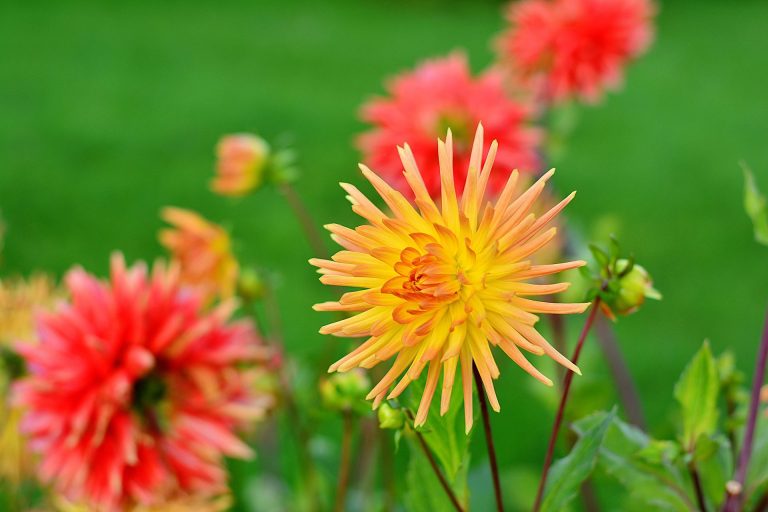
Hardy perennials are every gardener’s dream. There’s something magical about planting once and reaping the rewards for years to come. Hardy perennials bring that kind of enduring joy. They brave the frost, laugh in the face of heatwaves, and return each year with renewed vigor—no replanting required. For gardeners who crave beauty with backbone, hardy perennials are the unsung heroes of the flower bed.
Understanding What Makes a Perennial Hardy
 Not all perennials are created equal. A hardy perennial can withstand temperature swings, unpredictable rainfall, and the occasional neglectful gardener. These botanical champions survive winter underground, biding their time in dormancy before springing back to life with flair.
Benefits of Growing Hardy Perennials in Your Garden
From saving time and money to reducing your carbon footprint, hardy perennials offer a bouquet of benefits. They build a stable ecosystem, support pollinators, and become more established—and often more stunning—with each passing year. A hardy perennial garden is not just planted; it’s curated.
How I Chose My Favorite Hardy Perennials

The Criteria: Resilience, Beauty, and Ease
Each plant on this list earned its spot by being not only tough but irresistibly pretty and low-effort. I looked for varieties that require little fuss, survive erratic weather, and bloom their hearts out—no divas allowed.
Gardening Zones and Tough Weather Survival
My picks thrive across a range of USDA zones, mostly Zone 5 and colder, where winters bite and summers blaze. They’ve handled late frosts, sudden hail, and dry spells like true floral warriors.
Low Maintenance Appeal for Busy Gardeners
These perennials are perfect for gardeners who love their plants but don’t want to spend every weekend doting. Once established, most of them are nearly self-sufficient, needing little more than seasonal cleanup and the occasional drink.
Echinacea: The Bold Bloom That Keeps On Giving

Why Echinacea Thrives Through Drought and Heat
Echinacea, or coneflower, is like the superhero of the summer garden—immune to dry spells and blazing heat. Its deep taproot reaches down for moisture while the sturdy stems hold up flower heads like proud sentinels.
Color Variations and Companion Planting Ideas
Once only purple, Echinacea now dazzles in tangerine, raspberry, lemon, and cream. Pair with ornamental grasses, black-eyed Susans, or Russian sage for a prairie-chic vibe.
Deadheading Tips to Extend Bloom Time
Snip off spent blooms just above a set of leaves, and Echinacea will reward you with a second flush. Leave a few seed heads at season’s end for winter interest and finches.
🌸Find Echinacea Here
Lobelia: The Blue Beauty That Brightens Shade

How Lobelia Handles Moist Conditions with Grace
This shade-loving gem thrives in damp spots others avoid. Lobelia’s preference for moist soil makes it ideal for rain gardens or streamside plantings.
Perfect Pairings for a Woodland Garden Feel
Nestle it alongside hostas, ferns, and astilbes for a dreamy woodland palette. Its electric blue or violet blooms are the exclamation points in any shady space.
Annual vs Perennial Lobelia: What to Know
Perennial lobelia (like Lobelia siphilitica) stands apart from its annual cousins with hardier roots and a more naturalistic habit. Choose wisely if you want a long-term companion.
🌸Find Lobelia Here
Campanula: The Cheerful Bellflower That Keeps Coming Back

Favorite Varieties for Long-Lasting Blooms
From the sprawling Campanula portenschlagiana to the upright Campanula persicifolia, these blue and violet beauties offer weeks of bell-shaped blooms.
Tips for Preventing Flop in Taller Types
Support taller varieties with discreet stakes or plant them near bushy companions for natural scaffolding. A midseason trim can also encourage bushier growth.
Great Locations for Maximum Impact
Tuck Campanula along pathways, rock walls, or mixed borders where their bobbing bells can peek and nod with charm.
🌸Find Campanula Here
Aquilegia: The Whimsical Flower Loved by Pollinators

Why Columbine Is So Tough Yet Delicate Looking
Aquilegia may look dainty with its elfin spurs and nodding heads, but it’s a rugged survivor. It shrugs off late frosts and dry spells while attracting bees and hummingbirds.
Color Combos to Try in Spring Borders
Try plum with buttercream, scarlet with pale blue, or classic purple with white for spring drama. Their airy foliage pairs well with denser leafed companions.
Self-Seeding Secrets Without Losing Control
Let a few go to seed, then thin seedlings in early spring. You’ll get a naturalized look without a jungle. Bonus: new color combos often surprise you!
Primula: Early Bloomers That Defy Frost

How to Keep Primroses Coming Back Strong
Primula loves cool temperatures and moist, rich soil. Deadhead regularly and divide every couple of years to keep clumps robust and rejuvenated.
Moisture Needs and Mulching Tips
Consistent moisture is key—never let them dry out. Mulch with compost or shredded leaves to lock in water and feed the soil.
Perfect Places to Tuck in These Spring Stars
Edge shady paths or underplant deciduous shrubs. They wake up early, then rest in the heat of summer, making room for later bloomers.
🌸Find Primrose Here
Foxglove: Tall Drama with Surprising Toughness

Biennial or Perennial? Making Foxglove Last
Some foxgloves are true perennials (Digitalis grandiflora), while others (D. purpurea) act biennially. Let them self-seed freely and you’ll never be without their towering spires.
Creating a Cottage Garden Feel with Foxglove
Nothing whispers “storybook garden” like foxgloves nestled among roses, lady’s mantle, and delphiniums. Their vertical presence is pure poetry.
Is It Safe Around Pets and Kids? What to Know
All parts of foxglove are toxic if ingested. Plant them where curious hands and paws can’t reach, and enjoy them responsibly.
🌸Find Foxglove Here
Poppy: A Burst of Bold Color in Tough Conditions

Why Hardy Poppies Belong in Every Perennial Bed
Oriental poppies erupt with flaming color and then vanish gracefully. Their fuzzy foliage disappears midsummer, so pair with bushier neighbors that can take over the show.
Tips for Handling Their Dormant Period Gracefully
Plant nearby fillers like coreopsis or nepeta to disguise empty spots when poppies retreat. Resist the urge to water during dormancy.
Combining Poppies with Other Hardy Bloomers
Poppies pair beautifully with bearded iris, blue flax, and salvia. The contrast of silky petals and textured foliage is irresistible.
🌸Find Poppies Here
Platycodon: The Balloon Flower That Never Quits

What Makes Balloon Flowers Practically Bulletproof
Platycodon pops up late but never falters. It resists pests, survives drought, and blooms mid to late summer with fat buds that open like tiny fireworks.
How to Support and Divide Them for Longevity
Stake young stems early to prevent flopping. Divide every 4–5 years in spring to keep clumps healthy and encourage new growth.
A Fun Bloom for Kids and Curious Gardeners
Children adore the ballooning buds that swell before opening. It’s a small wonder in the garden, delighting young and old alike.
🌸Find Platycodon Here
Asclepia: The Monarch Magnet That Handles Heat

Milkweed Varieties That Come Back Year After Year
Asclepias tuberosa and A. incarnata are garden stalwarts, providing nectar for butterflies and beauty for humans. They tolerate poor soil and high heat with ease.
How to Encourage Pollinators Without Extra Work
Plant in sun, leave the seed pods, and skip the sprays. Butterflies, bees, and beneficials will do the rest.
Fall Prep to Keep Your Patch Healthy and Thriving
Cut back old stems in late fall or early spring. Mulch lightly and let some seedpods remain to naturalize your patch.
Sweet William: Classic Charm with Impressive Durability

Why This Cottage Favorite Stands the Test of Time
With fragrant, frilly clusters in hues of crimson, pink, and white, Sweet William is as charming as it is tough. It’s biennial, but reseeds reliably.
Deadheading and Dividing Tips for Fuller Blooms
Snip spent blooms to prolong flowering. Every few years, lift and divide clumps in early spring to invigorate your planting.
Blending Sweet William into Mixed Borders
It tucks in perfectly among peonies, irises, and lamb’s ear. Use it to bridge the gap between spring bulbs and summer perennials.
🌸Find Sweet William Here
Bonus Plant – Lupine: Spikes of Color That Stand Strong

Why Lupines Deserve a Spot in Your Hardy Lineup
Lupines are nitrogen-fixers, soil improvers, and absolute stunners. Their towering spires add drama, and they return year after year with minimal care.
How to Overcome Their Short Bloom Time
Deadhead for a possible second flush. Plant with later bloomers like rudbeckia or echinacea to keep the color going strong.
Pairing Lupines with Other Perennial Powerhouses
Mix them with delphiniums, alliums, or yarrow for a cottage garden that sings with structure and scent.
🌸Find Lupines Here
Designing with Hardy Perennials for Year-Round Beauty

Layering Heights and Bloom Times for Visual Interest
Combine low growers, midsize bloomers, and tall spires in waves. Aim for a succession of color from early spring to frost.
Combining Colors and Textures for Dynamic Beds
Pair silky with spiky, matte with glossy, cool hues with fiery tones. Hardy perennials let you be both artist and gardener.
Caring for Hardy Perennials Without the Fuss

Watering, Fertilizing, and Minimal Maintenance Tips
Once established, most hardy perennials only need deep watering during drought. Use compost instead of heavy fertilizers to keep roots happy and soil alive.
How to Divide and Multiply for Bigger Impact
Divide every few years in early spring or fall. You’ll get free plants and reinvigorate tired clumps—win-win!
When to Plant and How to Prepare Your Garden Beds

Best Seasons for Planting Hardy Perennials
Spring and fall are ideal, giving roots time to settle before extreme weather arrives. Avoid midsummer unless you’re a watering wizard.
Soil Preparation and Spacing for Long-Term Success
Loosen soil deeply, mix in organic matter, and space generously. These plants will grow—and they’ll need room to shine.
Pest and Disease Prevention for Tough Perennials
Common Issues and Easy Organic Solutions
Aphids, slugs, and powdery mildew happen—but neem oil, copper spray, and vigilant cleanup go a long way. Diversity in planting also prevents pest parties.
Why Healthy Soil Equals Healthy Plants
Feed the soil, not the plant. Compost, mulch, and minimal tilling support beneficial microbes that keep roots robust and diseases at bay.
Creating a Garden That’s Both Hardy and Stunning

Using My Top 10 Picks for a Resilient Garden Plan
Combine these favorites into a layered, bloom-filled design that survives storms and thrives with grace. Your garden can be both showstopping and stress-free.
Seasonal Highlights from Spring to Frost
From primroses in April to balloon flowers in August, this lineup ensures you’ll always have something blooming, buzzing, and beautiful.
Wrap-Up: Why These Perennials Deserve a Spot in Your Garden
Hardy perennials are the backbone of a sustainable, gorgeous garden. They return, they shine, and they ask so little in return. Whether you’re a seasoned green thumb or just getting started, these botanical stalwarts are a joyful place to begin.
Let your garden grow smarter, not harder—with perennials that prove year after year they’re in it for the long haul. Which one will you plant first?
🌿 FAQ: Hardy Perennials
Q: What exactly is a hardy perennial?
A hardy perennial is a plant that survives year after year, even in harsh climates. It dies back in winter, rests underground, and re-emerges in spring—no replanting needed!
Q: How are hardy perennials different from regular perennials?
Not all perennials are built for tough weather. Hardy perennials are the ones that laugh at frost, bounce back after heatwaves, and thrive with minimal care. Think of them as the superheroes of the flower world.
Q: What USDA zones do your favorite hardy perennials grow in?
Most of my picks thrive in Zone 5 and colder, though many do beautifully in warmer regions too. They’ve been tested in tough winters and unpredictable springs.
Q: Are hardy perennials really low maintenance?
Yes! Once established, they’re practically self-sufficient. A little seasonal pruning, occasional dividing, and deep watering during drought is all they ask.
Q: When is the best time to plant hardy perennials?
Spring and fall are ideal. These seasons give roots time to settle in before extreme weather hits. Avoid midsummer planting unless you’re ready to water consistently.
Q: How do I keep hardy perennials blooming longer?
Deadhead spent blooms, feed with compost, and divide clumps every few years. Some, like Echinacea and Lupine, may reward you with a second flush!
Q: Can hardy perennials help pollinators?
Absolutely! Plants like Asclepias, Aquilegia, and Echinacea are pollinator magnets. They support bees, butterflies, and even hummingbirds.
Q: What’s the secret to a stunning, resilient perennial garden?
Layer heights, stagger bloom times, mix textures, and plant in healthy soil. Choose combinations that shine from spring to frost—and give them room to grow!
Q: How do I prevent pests and diseases naturally?
Start with healthy soil, plant a mix of species, and keep things tidy. Organic helpers like neem oil, compost mulch, and beneficial bugs go a long way.
Q: Are all hardy perennials safe for pets and kids?
Not always. Plants like foxglove are beautiful but toxic if ingested. Always double-check before planting in family-friendly areas.
Q: Can I grow hardy perennials in containers?
Yes, many can thrive in large pots—just be sure to choose varieties that can handle limited root space and protect them in winter.
Q: How can I multiply my favorite hardy perennials?
Divide clumps in early spring or fall. It’s the easiest way to expand your garden without buying more plants—and keep your current ones happy.
Q: What’s your number one reason to grow hardy perennials?
They’re beautiful, dependable, and bring joy year after year with very little fuss. Gardening doesn’t have to be hard when your plants are!