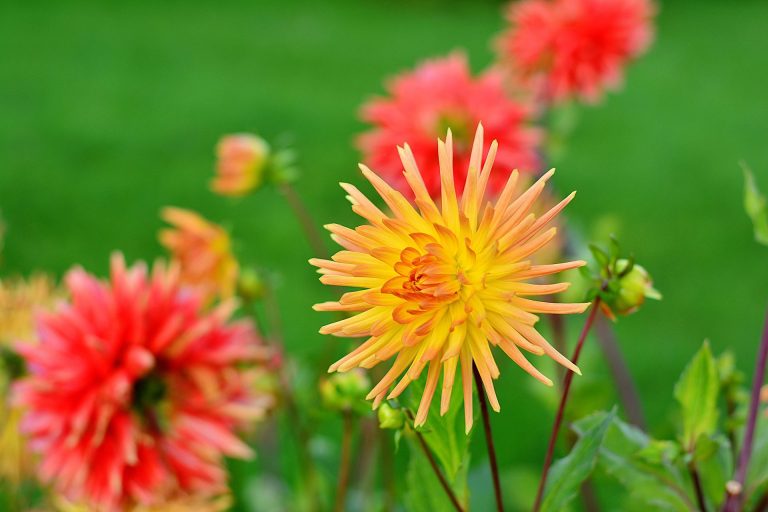
Poor soil is far more common than most gardeners expect. Heavy clay that cracks and hardens, sandy ground that dries out overnight, or compacted earth that resists every shovel all show up far more often than perfect loam. The good news is that flowers do not require ideal soil to thrive. With the right plant choices, even difficult ground can support color, movement, and reliable blooms year after year.
What Gardeners Mean When They Say “Bad Soil”
Urban development strips topsoil, new construction compacts the ground, and repeated tilling breaks down soil structure over time, a pattern well documented by Cornell Cooperative Extension in their guide to improving garden soil. Add natural conditions like glacial clay or coastal sand, and poor soil becomes the rule rather than the exception. Many gardeners quietly assume failure is their fault, when in truth the soil itself sets the limits.
What Poor Soil Really Means

Flowers That Grow in Clay Soil Without Amending
Clay soil feels dense and adhesive when wet, then hard as pottery when dry. Drainage is slow, oxygen levels are low, and roots can suffocate if plants lack resilience. Despite its reputation, clay holds nutrients well, which tough flowers can exploit once established.
Several flowers tolerate clay because their roots are strong enough to push through resistance rather than rot in place. Coneflower, black eyed Susan, and bee balm adapt well once they settle in, using clay’s nutrient density to fuel long bloom cycles. Daylilies and coreopsis also perform reliably, especially in sites that stay slightly moist but not waterlogged. These plants often struggle their first season, then improve dramatically as roots deepen and stabilize.
Flowers That Thrive in Sandy Soil
 Sandy soil drains rapidly and warms early in spring, yet it struggles to retain water or fertility. Nutrients leach away quickly, leaving shallow rooted plants stressed and short lived. Flowers suited to sand tend to grow lean and wiry, with roots designed to chase fleeting moisture rather than linger near the surface.
California poppy, blanket flower, and cosmos excel in sandy ground, blooming heavily without demanding rich soil. Yarrow and lavender also thrive here, benefiting from excellent drainage that prevents crown rot. These plants often look better in sand than in amended beds, producing stronger stems and more compact growth.
Flowers That Handle Compacted Soil
Compacted soil forms when particles are pressed tightly together, often from construction equipment or repeated walking. Water pools on the surface, roots stall near the top, and growth looks perpetually stressed. Plants that tolerate compaction often rely on persistence rather than speed.
Black eyed Susan, daylily, and ornamental grasses like switchgrass manage compacted soil better than most flowering plants. Their fibrous roots gradually work into tight ground, improving conditions over time. Zinnias and sunflowers can also succeed as annuals, especially when planted in loosened pockets rather than fully worked beds.
Flowers That Grow Without Fertilizer
 Some flowers seem unbothered by adversity. They grow, bloom, and return year after year with minimal complaint. In fact, overly rich soil can hinder flowering, pushing plants into lush foliage instead of blooms.
Yarrow, cosmos, blanket flower, and nasturtium are classic examples of flowers that perform best when nutrients are limited. Many native perennials also fall into this category, producing sturdier stems and longer lasting flowers when fertilizer is withheld. These plants are ideal for gardeners who want dependable color without constant feeding.
Perennial Flowers That Come Back in Poor Soil
 Coneflower, black eyed Susan, yarrow, and daylily are stalwarts in difficult ground. Their root systems adapt to resistance, pushing through clay or anchoring into sandy profiles. Once settled, these plants reward neglect with long bloom seasons and dependable form. Over time, they often spread gently, filling gaps where fussier plants fail.
Annual Flowers That Grow in Bad Soil
Cosmos, California poppy, nasturtium, and zinnia flourish where soil fertility is low. Excessively rich soil often produces foliage at the expense of flowers, so these annuals perform better when conditions are modest. Their quick life cycle makes them ideal for testing challenging spots, offering visual feedback within a single season.
Best Flowers for Poor Soil
| Flower | Soil Type | Sun | Maintenance Level | Planting Method |
|---|---|---|---|---|
| Coneflower | Clay, Compacted | Full Sun | Low | Bare Root Seed |
| Black Eyed Susan | Clay, Sandy | Full Sun | Low | Bare Root Seed |
| Yarrow | Sandy, Poor Loam | Full Sun | Very Low | Bare Root Seed |
| Daylily | Clay, Compacted | Full Sun to Part Shade | Low | Bare Root |
| Cosmos | Sandy, Poor Loam | Full Sun | Low | Seed |
| California Poppy | Sandy | Full Sun | Very Low | Seed |
| Nasturtium | Poor Loam | Full Sun to Part Shade | Low | Seed |
| Zinnia | Compacted, Poor Loam | Full Sun | Moderate | Seed |
Flowers That Survive Poor Soil and Drought
Flowers with deep or aggressive root systems access moisture and nutrients unavailable to shallow rooted plants. This subterranean reach grants them a measure of drought tolerance even in inhospitable soil. They remain upright during dry spells, resist heat stress, and recover quickly after neglect. Over time, these roots also loosen dense layers naturally, improving soil structure without intervention.
Shade Loving Flowers That Tolerate Poor Soil
 Shaded areas with poor soil often appear under trees or along woodland edges, where roots compete fiercely and leaf litter is sparse. Several flowers accept these conditions with grace. Foxglove, hellebore, lungwort, and epimedium handle low light and reluctant soil while adding texture and seasonal interest.
For more inspiration, explore
https://gracefulgardens.com/8-irresistable-shade-loving-perennials/
Gardens near black walnut trees face additional challenges. Guidance for those areas can be found at
https://gracefulgardens.com/grow-flowers-near-black-walnut-trees/
Frequently Asked Questions About Flowers for Poor Soil
Can flowers really grow well in poor soil?
Yes. Many flowers evolved in lean conditions and perform better without rich soil or heavy fertilizer. Poor soil often limits foliage growth while encouraging stronger blooms.
Is it better to amend poor soil or choose different plants?
In many cases, choosing plants adapted to existing soil works better than major amendments. Constantly altering soil can disrupt roots and reduce long term stability.
What is the hardest soil type for flowers to grow in?
Compacted soil is often the most challenging because it restricts roots, water, and oxygen. Some deep rooted and persistent plants still manage well over time.
Do flowers for poor soil need more water?
Not always. Many flowers suited to poor soil also tolerate drought once established. Overwatering can cause more problems than dry conditions.
When You Should Improve Soil and When You Shouldn’t
Small adjustments often outperform major overhauls. Adding a thin layer of compost as mulch improves moisture retention without disrupting existing roots. Avoid deep digging in compacted or clay soil, which can worsen structure when done repeatedly. In many cases, amending soil is unnecessary. Selecting plants adapted to existing conditions saves time, reduces labor, and produces a garden that feels settled rather than forced.
Poor soil does not signal defeat. It simply calls for a different palette. With resilient flowers and thoughtful placement, even the most reluctant ground can become a place of color, movement, and quiet abundance.