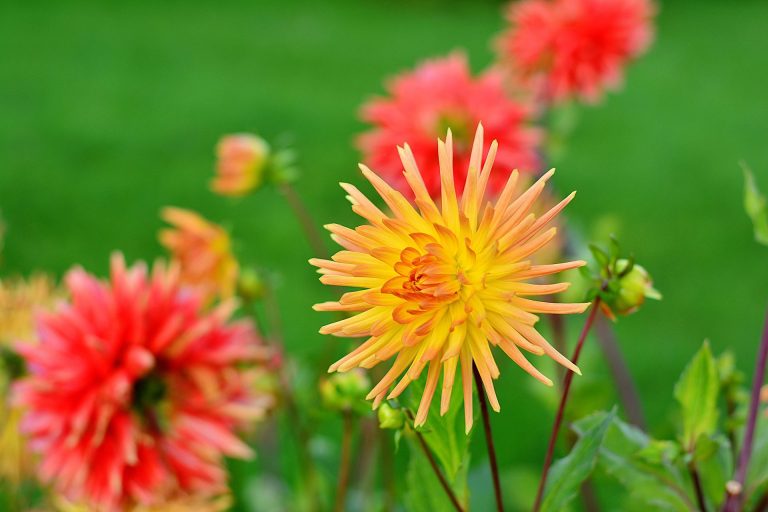
There are quite a few garden flowers that shrug off a light frost (temperatures dropping to around 28-32°F) without missing a beat. Pansies, violas, snapdragons, calendula, dianthus, sweet alyssum, stock, and ornamental kale all tolerate light frost, and several of them actually get sweeter blooms and deeper color once the nights turn cool.
I’ve pushed my own zone 5 beds well into October and even a few weeks past the first frost using this exact lineup, so here’s what actually holds up, plant by plant, and what to expect from each one.
Which flowers handle light frost best?
If I had to bet on five plants to still be blooming the morning after a 30°F night, it would be pansies, snapdragons, calendula, dianthus, and ornamental kale. These aren’t tender annuals limping along until frost kills them. They’re among the more reliable choices for a garden that may see a light frost.
Pansies and Violas
 Zone: Hardy as a cool-season annual in zones 4-8; true perennial behavior in zones 6-9.
Size: 6-9 inches tall, spreading 9-12 inches.
Bloom timing: Fall planting gives blooms from planting through several frosts, often into December here in zone 5 before they finally go dormant under snow. In my zone 5 garden, some return in March after overwintering beneath the snow.
Care details: I deadhead every 4-5 days during their active bloom window, more often than most gardeners expect, because pansies rebloom fastest when spent flowers are removed before they set seed. No division needed since they’re grown as annuals or short-lived perennials.
I grow mine in raised beds with good drainage because crown rot becomes a problem when pansies sit in cold, saturated soil through repeated freeze-thaw cycles. Learn more about growing pansies here.
🌱 Find Viola and Pansy Seed Here
Snapdragons
 Zone: 7-10 as a true perennial, but reliably grown as a cool-season annual in zone 5 and colder.
Size: Ranges from 6-inch dwarf varieties to 3-foot tall spikes depending on cultivar.
Bloom timing: Fall-sown snapdragons in my garden bloom from late September until a hard freeze in the low 20s finally takes them down. Light frost barely slows them.
Care details: Pinch the central stem when plants reach 4-6 inches to force branching, or you’ll get one tall spike instead of a full plant. No division since they’re annual here. Watch for rust, which shows up as orange pustules on the undersides of leaves in humid fall weather. I space mine further apart than the tag suggests, closer to 10 inches, specifically to keep air moving and rust down.
🌱 Find Snapdragon Seed Here
Calendula (Pot Marigold)
 Zone: Grown as a cool-season annual in nearly all zones, self-sows reliably in zones 5-9.
Size: 12-24 inches tall and about as wide.
Bloom timing: Calendula is one of the last things flowering in my beds most years, often going until a freeze in the low 20s. Cool weather doesn’t seem to bother calendula nearly as much as it bothers many summer annuals.
Care details: No pruning beyond deadheading, which also controls the aggressive self-seeding. If you want it to come back on its own next year, let the last few flushes go to seed.
Powdery mildew is the main issue in my garden by late September, and I thin plants to improve airflow rather than treat it, since spraying this late rarely helps. Check out my full guide to growing Calendulas here.
🌱 Find Calendula Seed Here
Dianthus (Pinks)
 Zone: 3-9 depending on species, most garden pinks are hardy to zone 4.
Size: 6-18 inches depending on type, with cushion-forming varieties staying low.
Bloom timing: A true perennial in my zone 5 garden, dianthus gives a strong flush in late spring and then a lighter but genuine rebloom in fall that laughs off light frost.
Care details: Some clump-forming dianthus varieties become woody or thin in the center after several years, so division can rejuvenate an older plant. Shear back by about a third after the first flush to encourage the fall rebloom. The biggest issue I see is crown rot in poorly drained soil over winter, so I plant in raised areas or well drained areas.
🌱 Find Dianthus Seed Here
Sweet Alyssum
 Zone: Grown as an annual almost everywhere, hardy perennial only in zones 9-11.
Size: 3-6 inches tall, spreading 12 inches or more.
Bloom timing: Sweet alyssum looks delicate, but it is surprisingly cold tolerant. Mine often keeps flowering through several light frosts before a sustained freeze finally ends the show.
Care details: I shear mine back by half in late summer if it’s gotten leggy, which pushes fresh growth and flowers right into fall. No division since it’s annual. Root rot from overwatering is the main problem, not cold.
🌱 Find Alyssum Seed Here
Stock (Matthiola)
 Zone: Cool-season annual everywhere, sometimes biennial in zones 7-9.
Size: 12-30 inches depending on variety.
Bloom timing: Fall-planted stock in my beds blooms from late September through the first couple of frosts, and the fragrance actually seems stronger in cool weather.
Care details: Taller varieties need staking before the flower spikes fill out, not after, or they flop. No pruning beyond removing spent spikes. Watch for aphids clustering on new growth in the cooler, damper weeks of fall.
🌱 Find Stock Seed Here
Ornamental Kale and Cabbage

Not a flower, but a fun way to add color to the fall garden.
Zone: Grown as a cool-season annual in all zones, actually improves in color after frost.
Size: 12-18 inches wide, low-growing rosettes.
Bloom timing: Not grown for flowers, but the foliage colors up dramatically after the first light frosts, which is really the whole point of planting it.
Care details: No pruning or division needed. Cabbage worms are the one pest I watch for before the first frost; once temperatures drop consistently, they stop being an issue on their own.
🌱 Find Ornamental Kale Seed Here
What temperature counts as a “light frost”?
 What gardeners call a light frost usually means temperatures near or just below freezing, often around 28 to 32°F, with the duration and weather conditions making a big difference in how much plant damage occurs. A brief dip to 30°F is very different from several hours below freezing.
The temperature matters more than the calendar date. A light frost in early October may cause little damage, while the same temperature later in the season can affect plants differently as growth slows and temperatures stay colder for longer.
Do I need to cover these flowers overnight?
Usually not, especially if the plants are healthy and well established. But if a particularly valuable plant is facing an unusually cold night, a layer of frost cloth can give you some extra protection. A lightweight row cover draped loosely (never plastic sheeting directly on foliage) buys you a few extra degrees if you’re trying to save a specific bed for one more weekend of blooms.
Should I plant these in spring or fall for frost tolerance?
 Both work, and it depends on what you want. Spring planting a few weeks before your last frost date gives these flowers a jump start and they’ll tolerate the tail end of spring frosts the same way they tolerate fall ones. Fall planting in late summer gives you blooms deep into the season after summer annuals have quit. I do both in my own zone 5 garden: pansies and calendula go in twice a year for exactly this reason.
FAQ – Which Flowers Survive a Light Frost
Will a light frost kill my flowering annuals?
Not the ones listed here. Tender annuals like impatiens and begonias will show damage at first frost, but pansies, snapdragons, calendula, dianthus, sweet alyssum, stock, and ornamental kale are built for it.
Can perennials like dianthus really rebloom after frost?
Yes, in my experience dianthus reliably pushes a second, lighter bloom flush in fall that tolerates several light frosts before finally going dormant for winter.
What’s the difference between frost-tolerant and frost-hardy?
Frost-tolerant plants survive light frost damage-free or with minor cosmetic damage, while frost-hardy usually refers to a plant’s ability to survive winter cold as a perennial. Some plants, like dianthus, are both.
Should I fertilize frost-tolerant flowers in fall?
I stop fertilizing by early September on all of these, since pushing tender new growth right before frost makes that growth more vulnerable, not less.
Can flowers survive more than one frost?
Yes. Frost tolerance isn’t usually an all-or-nothing event. Pansies, violas, snapdragons, calendula, and several other cool-season flowers can withstand repeated light frosts, although their growth slows as temperatures fall and a hard freeze can eventually cause significant damage.