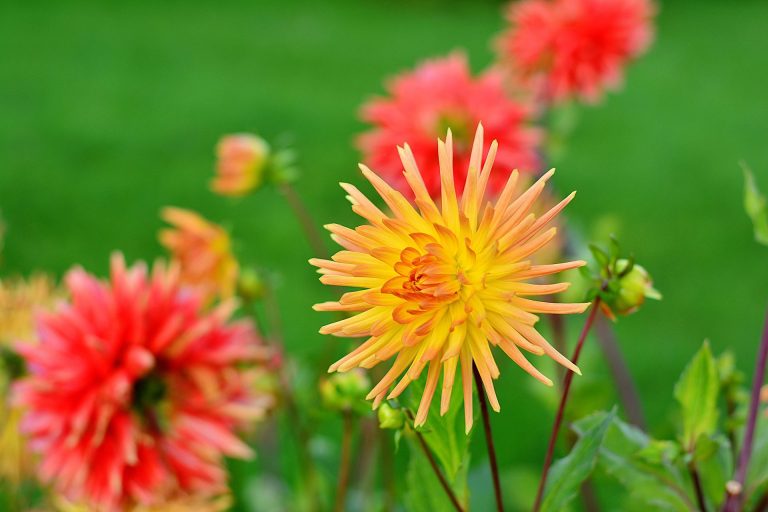
June ushers in that sweet spot of the gardening year—when spring’s unpredictability fades and summer stretches out with promise. The soil is warm, the daylight generous, and the garden responds with unrestrained vitality. Plant now, and you’ll set the stage for a dazzling display from midsummer into fall.
Why June is a Prime Planting Month
By June, the soil has shaken off its chill and is ripe for root development. The longer days mean more light for photosynthesis, giving young plants a jumpstart. Whether you’re sowing seeds or transplanting nursery starts, June offers the perfect balance of heat and growth potential.
Understanding Your Garden Goals
 Do you crave quick blooms, long-term investment, or habitat restoration? June lets you tailor your planting to your garden dreams. Annuals offer instant gratification. Perennials promise beauty for years to come. Wildflowers and natives nurture biodiversity.
Warm-Soil Wonders: The Science Behind June Success
Many plants are reluctant to grow in cold soil. Once temperatures reach 60°F or higher, roots accelerate their expansion and begin absorbing nutrients more efficiently. This means faster growth and quicker flowering—key to summer success.
Annuals vs. Perennials vs. Wildflowers
Annuals live fast and bloom hard. Perennials build their strength for future seasons. Wildflowers and natives are low-maintenance allies that support pollinators and adapt to your local climate. Mix all three for a garden that’s vibrant, diverse, and always blooming.
Best Annual Flowers to Plant in June
Zinnias: The Summer Workhorse
 Zinnias germinate quickly and bloom in a carnival of colors. They love full sun and heat, making them ideal for June planting. Bonus: butterflies can’t resist their nectar-rich blooms.
Zinnias thrive in well-drained soil and appreciate regular deadheading to keep the blooms coming. You can sow seeds directly into the garden and within weeks, you’ll have vibrant blossoms in shades ranging from ruby red to lemon yellow. These tough annuals are also mildew-resistant and make excellent cut flowers, bringing their joyful color indoors as well.
You can learn more about Zinnias from my post: Zinnias 101: Planting, Growing, and Loving Them.
🌸Buy Zinnia Seeds Here
Marigolds: Sunshine in Bloom
 Marigolds are cheerful, pest-resistant, and tough as old boots. Their golden hues light up borders and containers alike. Plant them now for a flush of blooms well into fall.
Cosmos: Effortless Elegance
 With feathery foliage and daisy-like flowers, cosmos add movement and grace. They thrive in lean soil and require almost no attention once established. Deadheading keeps them blooming for weeks on end.
Sunflowers: Tall, Bold, and Cheerful
 Sunflowers bring joy—and structure—to the garden. Kids love planting them, and birds feast on their seeds. Choose from towering giants or compact varieties perfect for pots.
Nasturtiums: Edible and Ornamental
 These trailing beauties deliver vivid color and edible flair. Nasturtiums grow well in poor soil, which actually enhances their flavor. Their peppery petals brighten salads and garden paths.
Petunias: The Color-Filled Classic
 Petunias spill, mound, and bloom their hearts out. They come in every color imaginable and are surprisingly drought-tolerant. A garden staple for good reason. Petunias flourish in containers, window boxes, and garden beds, making them incredibly versatile for summer displays.
They prefer full sun and benefit from regular deadheading to keep the blooms coming strong. Whether you choose the ruffled grandifloras or the trailing wave varieties, petunias will fill your garden with vibrant color and a subtle, sweet fragrance all season long.
You can learn more about growing Petunias from my post Petunias Unleashed: How to Plant, Grow, and Enjoy Them.
Best Perennial Flowers to Plant in June
Echinacea (Coneflower): Drought-Proof Beauty
 Coneflowers stand tall through heat and drought, with daisy-like blooms in purples, pinks, and whites. Bees and butterflies adore them, and so will you for their resilience and structure.
Coreopsis: Cheerful and Carefree
 Also known as tickseed, coreopsis blooms in buttery yellows and fiery oranges. These sun-lovers tolerate poor soil and bring months of carefree color to any garden.
Black-eyed Susan: Hardy and Radiant
 Rudbeckia’s golden petals and dark centers bring late-summer drama. These sturdy perennials can handle almost anything—heat, drought, and even deer.
Shasta Daisy: Timeless Charm
 With pristine white petals and golden centers, Shasta daisies are a garden classic. Plant them now and watch them return year after year with reliable grace.
Daylilies: Resilience in Bloom
 Daylilies are virtually indestructible. With thousands of hybrids available, there’s a size and color for every taste. Their blooms last only a day—but the show goes on for weeks.
Wildflower and Native Plant Options
Why Native Plants Matter
Native plants are adapted to your region’s climate and soil. They require less water, resist pests, and support local wildlife. June isn’t too late to plant them—especially in warmer zones.
California Poppy: West Coast Wonder
 These sunny orange blooms thrive in dry, sandy soil. They’re best suited for Zones 7–10 and bring effortless charm to borders and meadows alike.
Blanket Flower (Gaillardia): Bold and Breezy
 With their red and yellow petals, blanket flowers look like summer bonfires. They bloom nonstop and shrug off heat, drought, and neglect.
Bee Balm (Monarda): Pollinator Magnet
 Bee balm bursts with raspberry-shaped blooms and emits a minty fragrance. Hummingbirds, bees, and butterflies flock to it. It’s a wild garden favorite.
Choosing Flowers for Your USDA Zone
If you are unfamiliar with your growing zone, you can read about it from my post: What’s My Growing Zone? You can also go to the USDA website which offers an interactive map where you can input your zip code and pinpoint your exact zone.
Zones 3–5: Short Season Stars
In colder climates, time is of the essence. Choose fast-growing annuals like zinnias, cosmos, and marigolds to make the most of the warm months. Perennials like coreopsis can also establish quickly.
Zones 6–8: Versatility and Abundance
These temperate zones give you options. Mix annuals with summer-blooming perennials like daylilies and black-eyed Susans. June planting gives them time to settle in before fall.
Zones 9–11: Embrace the Heat
Avoid cool-season bloomers like pansies. Focus on drought-tolerant and sun-loving choices—echinacea, blanket flower, and bee balm are perfect for your blazing summers.
Sunlight and Soil: Matching Plants to Microclimates
Observe your garden’s light patterns. Full-sun flowers need at least six hours of direct light. Soil drainage matters, too—some plants thrive in sandy soil, others prefer clay. Amend where needed and plant accordingly.
Container Gardening in June
 June is ideal for refreshing pots with heat-tolerant annuals. Choose compact growers like petunias and nasturtiums. Use lightweight soil and water daily during hot spells.
Flower Bed Refresh: Late Spring Cleanup
Clear out spring bloomers, cut back tired foliage, and top dress with compost. This gives your June plantings a fresh foundation and ensures new growth isn’t crowded or overshadowed.
Mulching Tips for Summer Plantings
Mulch retains moisture, regulates soil temperature, and blocks weeds. Use shredded bark, straw, or composted leaves around your flowers—but keep it away from stems to prevent rot.
Watering Wisely in June
Newly planted flowers need consistent watering. Early morning is best to reduce evaporation. A deep soak encourages strong roots, while frequent shallow watering weakens them.
Fertilizer Facts for Flowering Success
Use a balanced fertilizer or one with a higher phosphorus ratio to promote blooms. Liquid feeds work quickly, while slow-release granules nourish over time. Avoid overfeeding—less is often more.
Deadheading for Extended Blooms
Snip off faded flowers to redirect energy toward new buds. This simple task keeps annuals like zinnias and cosmos blooming for weeks. Even perennials like coreopsis appreciate the attention. You can learn more about deadheading here.
Attracting Pollinators and Beneficial Insects
 Choose a mix of colors and bloom shapes to lure bees, butterflies, and ladybugs. Skip pesticides and let nature do its work. Flowers like bee balm and cosmos are irresistible to pollinators.
Mistakes to Avoid When Planting in June
Don’t plant too shallow or too deep. Avoid watering during the hottest part of the day. And resist the urge to overcrowd—young plants need room to breathe and grow.
Creating a Succession Plan for Continuous Blooms
Stagger your plantings and mix early, mid, and late-season bloomers. This keeps your garden alive with color from June to frost. Add a calendar reminder for late-season sowing to fill in gaps.
Final Thoughts: Cultivating Joy All Summer Long
A blooming summer garden starts with thoughtful June planting. Whether you favor bold sunflowers, elegant daisies, or native wildflowers, this month sets the stage for a season of beauty and delight. Dig in now, and let your garden tell its sunlit story.