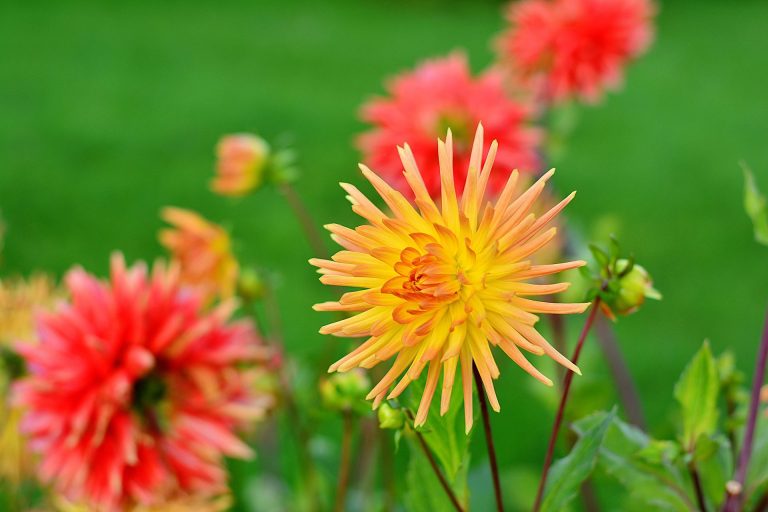
Gardening is about more than just growing plants—it’s about cultivating hope, healing communities, protecting biodiversity, and ensuring access to healthy food. Across the country, passionate nonprofits are doing just that. Whether through school gardens, urban farms, or seed preservation, these groups are using gardening as a powerful tool for change.
Here are 10 remarkable gardening nonprofits making a lasting impact—one plant, one person, and one plot at a time.
1. Seed Savers Exchange
📍 Decorah, Iowa
Mission: Preserve heirloom seeds and promote biodiversity.
What They Do:
Seed Savers Exchange maintains a vast collection of over 20,000 heirloom and open-pollinated seed varieties. By distributing these seeds and educating gardeners about seed saving, they help safeguard genetic diversity in our food system—protecting rare varieties from extinction and ensuring food sovereignty.
🌱 Example of Impact:
In 2022 alone, Seed Savers distributed more than 670,000 packets of heirloom seeds, many of which are rare or endangered varieties. Their seed bank in Iowa now conserves over 20,000 varieties, helping farmers and gardeners worldwide restore biodiversity and revive nearly-lost cultivars like the ‘Cherokee Trail of Tears’ bean and ‘Mortgage Lifter’ tomato.
How You Can Help:
Shop from their catalog, become a member, or donate to support the preservation of heritage seeds.
2. American Community Gardening Association (ACGA)
 📍 Nationwide (USA & Canada)
Mission: Build community by supporting community gardens.
What They Do:
ACGA provides vital support to community gardening projects—offering technical assistance, hosting training conferences, and connecting local garden leaders. Their work helps transform vacant lots into green oases where neighbors can grow food, flowers, and friendships.
🌻 Example of Impact:
ACGA helped launch the Detroit Black Community Food Security Network, which now manages a 7-acre farm and promotes food sovereignty in underserved neighborhoods. ACGA’s training and policy work have helped thousands of gardens take root across North America, many in food deserts and low-income communities.
How You Can Help:
Join as a member, attend events, or use their resources to start your own community garden.
3. The Edible Schoolyard Project
📍 Berkeley, California (and beyond)
Mission: Integrate garden-based learning into schools.
What They Do:
Founded by chef Alice Waters, this nonprofit brings “edible education” into public schools, using gardens and kitchens as classrooms. Their curriculum encourages children to explore science, health, and environmental stewardship through hands-on learning.
🍎 Example of Impact:
Their flagship program at Martin Luther King Jr. Middle School in Berkeley has inspired over 6,000 school garden programs nationwide. Students who participate show improved attitudes toward healthy eating and science, and many schools report higher engagement, especially among underserved youth.
How You Can Help:
Access their free resources for educators, donate, or support a local school garden initiative.
4. Slow Food USA
 📍 Nationwide (part of Slow Food International)
Mission: Promote good, clean, and fair food for all.
What They Do:
Slow Food USA works to protect traditional food cultures, including endangered plant varieties and farming practices. Their initiatives include seed exchanges, community gardening, school programs, and campaigns that highlight sustainable, local agriculture.
🥕 Example of Impact:
Through its “Plant a Seed” campaign, Slow Food USA provided heirloom seed kits to over 5,000 classrooms and families, empowering them to grow endangered crops like Jimmy Nardello peppers and Blue Hopi corn. Their Ark of Taste now catalogs over 300 culturally significant foods at risk of extinction.
How You Can Help:
Become a member, attend a local Slow Food event, or explore the Ark of Taste—a catalog of at-risk food species you can help preserve by growing and eating.
5. Urban Growers Collective
📍 Chicago, Illinois
Mission: Address food insecurity and economic injustice through urban agriculture.
What They Do:
With eight urban farms on Chicago’s South and West Sides, this BIPOC-led nonprofit creates jobs, youth training, and access to fresh produce in underserved communities. They combine farming with education, trauma healing, and job readiness programs to tackle systemic inequities.
🌾 Example of Impact:
In 2023, UGC grew and distributed over 35,000 pounds of produce through their mobile market to Chicago neighborhoods without access to fresh food. Their youth employment programs provide real job skills and mentorship to over 200 teens annually, many of whom go on to careers in food justice and agriculture.
How You Can Help:
Donate, volunteer, or attend a farmstand or community workshop.
6. Green Guerillas
 📍 New York City
Mission: Help people cultivate community gardens and food justice.
What They Do:
Since 1973, Green Guerillas has empowered New Yorkers to turn vacant lots into productive community gardens. They provide garden supplies, leadership training, technical assistance, and grants to help neighborhoods grow their own food and build resilience.
🌼 Example of Impact:
Green Guerillas helped save over 600 NYC community gardens from bulldozers in the early 2000s. Today, they continue to provide grants and training to gardens like La Finca del Sur, a women-led urban farm in the South Bronx that’s become a model for community resilience and food access.
How You Can Help:
Support their work with a donation or explore how your community group can partner with them.
7. AmpleHarvest.org
📍 Nationwide (online platform)
Mission: Connect home gardeners with local food pantries to reduce food waste.
What They Do:
AmpleHarvest.org helps gardeners donate their excess produce to food pantries by connecting them through a free online directory. This simple but brilliant idea prevents homegrown food from going to waste while fighting hunger at a local level.
🥦 Example of Impact:
More than 42 million gardeners are now able to donate food using their platform, and over 8,000 food pantries across the U.S. are registered to accept homegrown produce. This has diverted millions of pounds of fresh vegetables and fruits from going to waste and fed hungry families instead.
How You Can Help:
Search for a local pantry near you or encourage your local food pantry to register on the site.
8. National Garden Clubs, Inc.
 📍 Nationwide (headquartered in Missouri)
Mission: Promote gardening and environmental responsibility nationwide.
What They Do:
With thousands of member clubs across the U.S., NGC fosters community beautification, youth education, pollinator protection, and conservation. They offer grants, scholarships, and support for civic garden projects of all sizes.
🌺 Example of Impact:
Through its Blue Star Memorial Program, NGC has installed more than 3,000 garden memorials honoring veterans across the U.S. Its Pollinator Gardens Project has helped plant thousands of milkweed and nectar-rich gardens to support monarch butterflies and native bees.
How You Can Help:
Join a local club, apply for a grant, or participate in their youth contests and educational programs.
9. The Garden Conservancy
📍 Cold Spring, New York (serving nationwide)
Mission: Preserve and share America’s gardens for public education and inspiration.
What They Do:
The Garden Conservancy works to preserve exceptional private gardens and open them to the public. They help garden owners with long-term preservation plans and host events like the popular Open Days program, where you can explore hidden gems and historic estates.
🌳 Example of Impact:
They’ve helped preserve historic gardens like Alcatraz Island’s gardens, which were nearly lost to time, and have supported over 100 garden preservation projects. Their annual Open Days program gives the public access to unique private gardens, with over 75,000 visitors annually benefiting from inspiration and education.
How You Can Help:
Become a member, attend Open Days near you, or donate to support garden preservation.
10. Grow to Learn NYC
 📍 New York City
Mission: Bring gardens to every NYC public school.
What They Do:
This citywide initiative supports over 800 school gardens with funding, materials, and teacher training. These living classrooms help students learn about science, nutrition, ecology, and community care—right outside their classroom doors.
🌻 Example of Impact:
Since launching in 2011, Grow to Learn has funded more than 800 school gardens across New York City. Schools like P.S. 216 in Brooklyn now have outdoor classrooms, greenhouses, and composting stations, giving thousands of children a hands-on connection to healthy food and the environment.
How You Can Help:
Support NYC school gardens with a donation or volunteer to help plant, teach, or maintain a local school garden.
🌼 Dig in with Gardening Nonprofits and Make a Difference
These nonprofits prove that a small seed can spark big change. From school gardens to urban farms, heirloom seed banks to food pantries, their work reminds us that gardening is a force for good.
Whether you’re a backyard grower, a parent, a teacher, or just someone who believes in building a better world—there’s a way for you to get involved.
🌿 Know a local gardening nonprofit making waves in your community? Let me know in the comments—I’d love to help amplify their work!