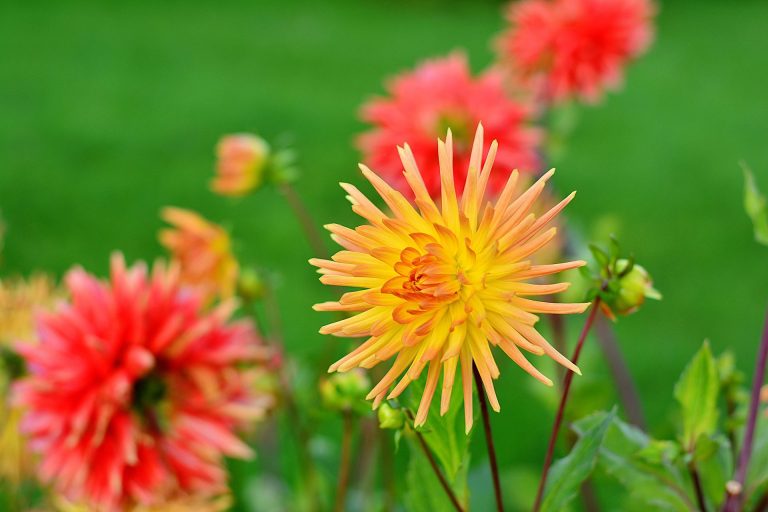
Daylilies earn their popularity because they perform year after year with very little attention. The varieties featured here were chosen for strong bloom cycles, reliable color, and the ability to thrive in a wide range of garden conditions. If you want bold flowers without constant care, these daylilies consistently deliver.
What Makes a Daylily a Garden Star?
Daylilies have undergone remarkable transformations through careful hybridization. Breeders have meticulously selected for traits like intense coloration, extended bloom periods, and disease resistance. This process has resulted in an explosion of varieties that not only captivate the eye but also stand up to diverse growing conditions. Modern hybrids boast intricate ruffled edges, striking color combinations, and even re-blooming capabilities, ensuring a garden filled with flowers from early summer to frost.
Introducing 5 New Daylilies That Wow
Strawberry Shake: A Berry Delight in Bloom
 Soft peachy-pink petals give way to deep fuchsia centers, creating a delectable color contrast. This variety exudes warmth, its ruffled edges adding a touch of elegance. Standing at an impressive 30 inches tall, it commands attention whether planted as a focal point or grouped en masse.
Ideal for mixed borders and beds, Strawberry Shake complements purples, blues, and silvers beautifully. Its strong stems make it an excellent cut flower, ensuring its charm can be enjoyed both in the garden and indoors.
🌿
🌻Find Strawberry Shake Daylilies Here
Tropical Surprise: An Exotic Color Fusion
 Apricot and purple tones swirl together like a tropical sunset, infusing the garden with a warm, luminous glow. Each bloom is a masterpiece, with dynamic hues that shift in the changing light. This variety is as reliable as it is stunning, thriving in borders and perennial gardens with minimal fuss.
Bees and butterflies are particularly drawn to its radiant blossoms, making it an ideal addition to pollinator-friendly plantings. Pair it with deep blues and yellows for a striking visual effect.
🌿
🌻Find Tropical Surprise Daylilies Here
Awesome Luck: A Fiery Double Delight
 Fiery orange double blooms, accented by a red eye and edges, create an explosion of color that is impossible to ignore. This reblooming variety offers a generous succession of 5-inch flowers throughout the season, ensuring an ongoing display of brilliance.
It thrives in both cottage gardens and contemporary landscapes, where its bold tones can be offset by softer pastels. Whether planted in drifts or used as a fiery accent, Awesome Luck brings undeniable energy to the garden.
🌿
🌻Find Awesome Luck Daylilies Here
Mini Pearl: Petite Blooms with Major Impact
 Delicate yet striking, Mini Pearl showcases soft peach-pink flowers with a greenish throat, lending an ethereal quality to the landscape. Despite its diminutive 3-inch blooms, it makes a major impact, particularly when planted in masses.
With a compact height of 20 inches, it’s a perfect choice for small gardens, edging pathways, or container planting. High bud counts ensure a prolonged bloom period, keeping your garden lively and inviting.
🌿
🌻Find Mini Pearl Daylilies Here
Booby Ruby: Bold Red Blooms with a Sunny Heart
 Deep red double flowers with cheerful yellow centers create a show-stopping display. This variety stays compact at 18 inches, making it ideal for front borders and edging. Its rich hue contrasts beautifully with silvery foliage and soft blues, offering a sophisticated color scheme.
Booby Ruby maintains its lush green foliage throughout the season, ensuring a polished look even when not in bloom. Its resilience and bold beauty make it a must-have for any garden.
🌿
🌻Find Booby Ruby Daylilies Here
Daylilies: The Versatile Gems of Any Landscape
 Few perennials can match the adaptability of the daylily. Thriving in both full sun and partial shade, these hardy plants can flourish in a range of soil types. Whether cascading down slopes, lining walkways, or filling in neglected corners, they provide lush, low-maintenance beauty. Their ability to endure drought and resist pests makes them a reliable choice for gardeners seeking vibrant color without constant upkeep.
Key Features That Make These Five Varieties Stand Out
The newest introductions to the daylily world showcase remarkable advancements in both aesthetics and performance. From bold reds to delicate pastels, these selections offer something for every taste. Each of these five varieties has been carefully chosen for its unique color, prolific blooming, and garden-worthy attributes.
The Perks of Planting Daylilies
Effortless Elegance: Thriving with Minimal Care
Daylilies are a dream for busy gardeners. Once established, they require little beyond occasional watering and division every few years. Their ability to naturalize means they can gradually fill a space with cheerful blooms without becoming invasive. Resistant to deer and tolerant of Black Walnut toxins, they stand strong where more delicate flowers might struggle.
Pollinator Magnets: Welcoming Bees and Butterflies
 These radiant blooms aren’t just eye-catching; they’re also a crucial nectar source for pollinators. Bees, butterflies, and hummingbirds flock to their open-faced flowers, ensuring your garden buzzes with life. By planting a mix of varieties with staggered bloom times, gardeners can provide a steady food source throughout the season.
Extended Blooming: A Summer-Long Color Parade
With careful selection, daylilies can keep a garden awash in color for months. Early, mid, and late-season bloomers can be strategically planted to ensure a continuous floral display. Many modern varieties offer re-blooming capabilities, adding even more longevity to their performance.
Adapting to Various Garden Designs: From Formal to Freeform
Whether you prefer a meticulously arranged flower bed or a naturalistic, meadow-inspired landscape, daylilies can fit seamlessly into any design. Their grass-like foliage provides structure, while their flowers add a splash of drama. Use them as border plants, mass them for impact, or weave them through a mixed bed for a more organic feel.
Caring for Your New Daylilies
Planting Time: Setting Roots for Success
Daylilies should be planted in early spring or fall, allowing their roots to establish before extreme temperatures set in. These seasons provide ideal growing conditions, giving the plants a strong start before summer heat or winter frost. Proper planting timing ensures vigorous growth and abundant blooms in the following season.
Soil and Light Preferences for Optimal Growth
 Slightly acidic to neutral soil enriched with compost will keep daylilies thriving by providing essential nutrients. Well-draining soil is crucial to prevent root rot, especially in wetter climates. While full sun is best for most varieties, some can tolerate light shade, particularly in hotter regions where afternoon shade can help prevent stress.
Watering Wisdom: Keeping Your Daylilies Hydrated Yet Happy
Once established, daylilies are remarkably drought-tolerant but still benefit from consistent moisture. Deep watering once a week encourages strong root development, helping the plants withstand dry spells. Avoid shallow, frequent watering, as it can lead to weaker roots and reduced bloom production.
Maintenance Tips: Deadheading and Dividing for Sustained Splendor
 Removing spent blooms not only keeps plants looking tidy but also encourages reblooming in certain varieties. Over time, daylily clumps can become overcrowded, leading to reduced flowering and vigor. Dividing them every three to five years rejuvenates their growth, ensuring lush foliage and plentiful blooms season after season.
Perfect Partners: Companion Plants for Daylilies
Daylilies pair beautifully with ornamental grasses, structural shrubs, and groundcovers to create a dynamic, layered garden. Their arching foliage provides a lovely contrast to plants with bold textures, such as hostas or sedums. Choosing companions with staggered bloom times ensures continuous color throughout the growing season.
Designing with Daylilies: Creative Garden Concepts
Experiment with mass plantings for a striking, bold display that showcases their vibrant colors. Incorporate them into mixed flower beds alongside perennials like echinacea and salvia for a natural, cottage-style effect. For a dramatic focal point, use taller varieties in the back of borders or along pathways where their cheerful blooms can be fully appreciated.
Final Thoughts
Infuse your garden with bold colors and effortless beauty by embracing these stunning new daylilies. With their easy-care nature, they provide months of cheerful blooms with minimal effort. Whether planted in beds, borders, or containers, daylilies bring a touch of magic to any outdoor space.