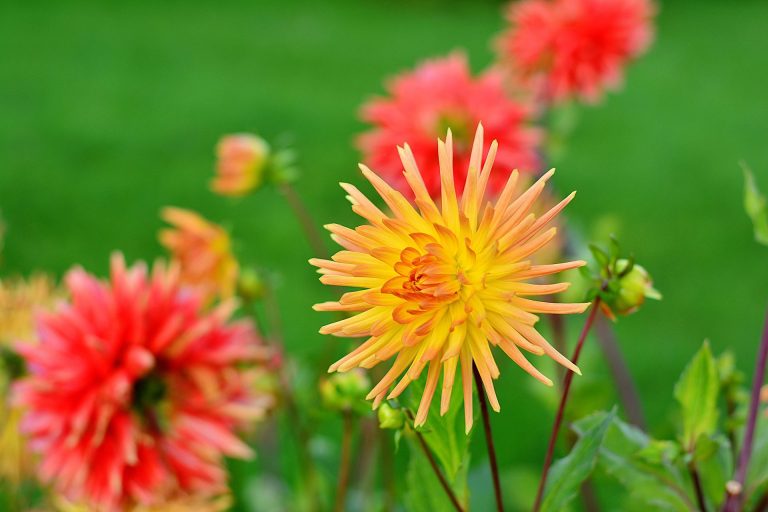
The Allure of Dianthus
The History and Charm of Dianthus in Gardens
Dianthus, often called “pinks” or “clove pinks,” has a rich history dating back to the ancient civilizations of Greece and Rome. Known for their pleasing fragrance, these flowers were often used in decorative garlands and as symbols of love and admiration. The charm of dianthus lies not only in its history but also in its versatility, adapting beautifully to various garden settings—from cottage gardens to formal floral arrangements. Its ability to add instant texture and color has made it a timeless favorite among gardeners throughout the ages.
What Makes Dianthus a Quintessential Cottage Flower

Dianthus effortlessly embodies the spirit of cottage gardens, with its romantic, often frilled petals that appear to have been plucked from a bygone era. These flowers are available in an array of vibrant colors, from soft pastels to deep, saturated hues, complementing the gentle, informal beauty of cottage-style gardens. Dianthus thrives in well-drained soil and full sun, conditions commonly found in traditional garden spaces, making it a practical choice that blends form and function. Its ease of care and long-lasting blooms make dianthus an ideal addition to any garden aiming for that quintessential cottage charm.
Fragrance and Form—the Irresistible Duo of Dianthus
What sets dianthus apart from many other flowers is its intoxicating fragrance. The sweet, clove-like scent fills the air on warm, sunny days, enhancing the sensory experience of any garden. Coupled with its unique form—frilled edges, soft petals, and often a striking bicolor effect—dianthus exudes an irresistible allure. This fragrance, combined with its delicate yet resilient form, makes dianthus a favorite of not only gardeners but also pollinators like bees and butterflies, further cementing its place as a cottage garden essential.
Varieties of Dianthus to Love
Cottage Pinks—Delicate and Romantic Blooms
Cottage pinks are the epitome of a classic cottage garden flower. With their small, delicate blooms in shades of pink, white, and lavender, these dianthus varieties exude an air of vintage elegance. Their compact growth habit and cheerful, slightly ruffled petals make them ideal for borders and containers, where they can be admired up close. Cottage pinks add a soft touch to any garden design, offering a natural look that blends beautifully with other plants.

Chinese Pinks – Babydoll Mix
This charming mix produces dainty, fringed blooms in soft pastels and rich pinks, adding a whimsical feel to flower beds. Their long bloom period ensures a steady display of color from late spring into early fall, making them a garden favorite. I plant them throughout my garden.
🌿
❤️Find Chinese Pinks Babydoll Seeds Here
🌿
🌿

Cottage Pink – Spring Beauty
A low-growing variety with highly fragrant pink blooms, ‘Spring Beauty’ creates a carpet of color, making it a stunning choice for edging, rock gardens, or window boxes. Its delightful clove-like fragrance attracts pollinators, enhancing the biodiversity of your garden.
🌿
❤️Find Cottage Pink Spring Beauty Seeds Here
🌿
🌿
Sweet William—Bold and Colorful Classics
Sweet William, a dianthus variety known for its striking, colorful blooms, offers a bold statement in any garden. These flowers come in a kaleidoscope of shades—rich reds, purples, pinks, and whites—often with a contrasting center. Sweet William adds a touch of vibrancy and drama, making it perfect for creating eye-catching displays or focal points within the garden. Their clustered blooms create a dramatic effect that’s both charming and attention-grabbing.

Sweet William – Herald of Spring Mix
A vibrant blend of Sweet William flowers in shades of pink, red, and white, this mix is perfect for brightening up garden beds and attracting pollinators. With its sweet fragrance and sturdy stems, it also makes an excellent cut flower for bouquets.
🌿
❤️Find Sweet William Herald of Spring Seeds Here
🌿
🌿

Sweet William – Tall Double Mix
With taller stems and lush double blooms, this variety is a fantastic choice for cutting gardens. The plants are biennial but often reseed themselves, ensuring a stunning floral display year after year. This is my favorite for cut flower bouquets.
🌿
❤️Find Sweet William Tall Double Seeds Here
🌿
🌿
Maiden Pinks—Petite Blooms with Big Impact
Maiden pinks (Dianthus deltoides) and Cheddar Pinks (Dianthus Gratianopolitanus) are perfect for smaller gardens or those looking to add a pop of color without overwhelming the space. Despite their small stature, these plants pack a big punch with their vibrant blooms and aromatic fragrance. Their low-growing nature makes them ideal for ground cover or as filler plants in a mixed flower bed, effortlessly enhancing the garden’s overall beauty with their soft hues and neat form.

Dianthus Deltoides White Arctic Fire
This variety stands out with its crisp white petals and a striking red center, creating a dramatic yet delicate look. It thrives in well-drained soil and spreads beautifully, making it a great choice for naturalizing in cottage gardens.
🌿
❤️Find Dianthus Deltoides White Arctic Fire Seeds Here
🌿

Dianthus Gratianopolitanus Cheddar Pink Flower
A beloved classic, this variety produces fragrant pink blooms above silvery-green foliage, making it an excellent ground cover option that also attracts butterflies. Its evergreen foliage provides year-round interest, even when not in bloom.
🌿
❤️Find Cheddar Pink Seeds Here
🌿
Carnations—Dianthus with a Touch of Elegance
Carnations, one of the most elegant members of the dianthus family, are often associated with formal floral arrangements. Their larger, more structured blooms can add sophistication to a cottage garden while still maintaining the relaxed, natural feel. Available in a wide range of colors, including pink, white, red, and yellow, carnations can be used to create focal points or add depth to mixed borders. Their long-lasting flowers make them a reliable choice for bringing both elegance and fragrance to the garden.

Carnation – La France
A soft pink variety with an old-fashioned, ruffled look, ‘La France’ is a romantic addition to any garden. Its sturdy stems and long vase life make it a top choice for cut flower enthusiasts who want lasting beauty indoors. The color is absolutely soothing!
🌿
❤️Find Carnation La France Seeds Here
🌿
🌿

Carnation – Grenadin Double Mix
This Carnation mix offers classic double blooms in a variety of colors, from deep reds to soft pastels. Not all Carnations are hardy but these cold-tolerant, carnations are ideal for gardeners looking for a long-lived, reliable perennial.
🌿
❤️Find Carnation Grenadin Double Mix Seeds Here
🌿
🌿
Planning Your Cottage Garden with Dianthus
Choosing the Right Dianthus Varieties for Your Space
The key to a successful cottage garden is selecting the right plants for your specific garden conditions. When choosing dianthus, consider factors such as flower color, plant height, and blooming period. For a classic look, opt for cottage pinks or sweet William. If space is limited, maiden pinks are perfect, while carnations can serve as focal points. Mix and match varieties to create a dynamic and harmonious display that reflects the rustic charm of a cottage garden.
Pairing Dianthus with Other Cottage Garden Favorites
Dianthus pairs beautifully with other cottage garden staples such as lavender, roses, and foxgloves. For a stunning contrast, combine the soft pinks and whites of dianthus with the vibrant hues of poppies or the cool, calming purples of lavenders. The varied textures and colors of these plants complement one another, creating a visual feast that looks both natural and thoughtfully arranged.
Designing Borders and Beds with Dianthus
Dianthus makes an excellent addition to garden borders and beds, where its compact form and colorful blooms can bring structure and interest. Plant taller varieties, like sweet William or carnations, toward the back of the bed, while placing shorter cottage pinks and maiden pinks toward the front for a layered, cascading effect. The key is to balance the heights and colors to ensure that every plant gets the attention it deserves while maintaining a cohesive design.
How to Grow Dianthus Successfully

The Ideal Growing Conditions for Dianthus
Dianthus flourishes in well-drained soil with a neutral to slightly alkaline pH. These plants enjoy full sun, ideally receiving at least six hours of sunlight per day. While they can tolerate drought once established, they perform best with regular watering, particularly during the warmer months. Ensuring that the plants are not overwatered is crucial, as dianthus is prone to root rot in overly wet conditions.
Soil Preparation Tips for Healthy Dianthus Plants
Before planting, improve your soil with organic matter such as compost or well-rotted manure to ensure good drainage and fertility. A slightly acidic to neutral pH is best, though dianthus can tolerate slightly alkaline soil. Be sure to loosen the soil to a depth of at least 6 inches to allow for proper root growth. For added protection against root rot, consider mixing in sand or perlite to improve drainage.
Sunlight Requirements for Vibrant Blooms
Dianthus thrives in full sun, which encourages abundant flowering and vibrant colors. In areas with hot summers, some afternoon shade can be beneficial, especially in more southern climates. However, too much shade can lead to spindly growth and fewer blooms, so it’s important to strike the right balance for your region.
Planting Dianthus in Your Garden

Starting Dianthus from Seeds for Budget-Friendly Gardening
Dianthus is easy to grow from seed, making it an excellent choice for budget-conscious gardeners. Start seeds indoors about 6–8 weeks before the last expected frost. Keep the soil moist and at a consistent temperature of around 70°F (21°C) for optimal germination. Once seedlings are large enough to handle, harden them off before transplanting outdoors to ensure a smooth transition.
Transplanting Dianthus Seedlings with Care
When transplanting seedlings, handle them gently to avoid damaging their delicate roots. Choose a planting site with well-drained soil and space them according to the variety’s recommended spacing. Typically, dianthus plants should be spaced 6–12 inches apart to allow for good air circulation and ample room for growth.
Spacing and Layout Tips for Lush Growth
Proper spacing is crucial for healthy dianthus plants. Too little space can result in overcrowding, which leads to poor air circulation and increased susceptibility to disease. Ensure that your plants have enough room to spread out and form a natural-looking clump. For a more formal appearance, space plants evenly in rows or grids to maintain symmetry.
Caring for Your Dianthus

Watering Essentials to Keep Dianthus Thriving
Dianthus enjoys consistent moisture, but it is essential to avoid overwatering. Water deeply and regularly, especially during dry spells, but ensure the soil has proper drainage to prevent waterlogged roots. During the hottest summer months, consider watering in the morning to avoid excess moisture sitting around the base of the plants overnight.
Fertilizing Tips for Abundant and Healthy Flowers
To encourage vigorous growth and abundant blooms, fertilize dianthus with a balanced, slow-release fertilizer in early spring. Avoid high-nitrogen fertilizers, as they can promote lush foliage at the expense of flowers. If your soil is naturally fertile, you may not need to fertilize frequently, but occasional feeding can boost plant health and flower production.
Deadheading Dianthus for Continuous Blooms
Regular deadheading—removing spent flowers—encourages dianthus to continue blooming throughout the growing season. Trim back any faded or dried flowers to the base of the plant to promote new growth and prevent the plant from wasting energy on seed production. This simple task can keep your garden looking fresh and vibrant for months.
Dianthus Through the Seasons

Spring Planting and Early Blooms of Dianthus
In spring, dianthus begins to awaken, offering early blooms that are a welcome sight after the long winter months. These flowers thrive in cooler temperatures, making them ideal for spring planting. As the days warm, dianthus continues to bloom profusely, filling the garden with color and fragrance.
Summer Care to Keep Dianthus Looking Its Best
Throughout the summer, dianthus may require some extra care to keep it looking its best. Regular deadheading and watering are essential to maintaining healthy growth. Dianthus may benefit from a mid-season trim to encourage a second flush of blooms and maintain its compact, tidy form.
Preparing Dianthus for Fall and Winter
As temperatures cool in the fall, dianthus will begin to wind down. Cut back any leggy growth and remove spent flowers. In colder climates, mulching around the base of the plants can help protect their roots from freezing temperatures. While dianthus is a hardy plant, it’s important to ensure it has a healthy root system going into winter to promote strong growth in the spring.
Creative Uses for Dianthus in Your Garden
Using Dianthus in Charming Container Displays
Dianthus thrives in containers, where its compact growth habit and vibrant blooms make it an excellent choice for patio gardens or window boxes. Pair dianthus with trailing plants or other short-statured flowers to create a layered effect. Containers also allow for easy mobility, so you can adjust the arrangement based on sun exposure or design preferences.
Dianthus as an Edging Plant for Pathways and Borders
Dianthus works beautifully as an edging plant along pathways or garden borders, creating a soft, colorful frame for your garden. Its neat, compact form and continuous blooms make it ideal for defining spaces and adding visual interest. Try alternating different dianthus varieties for a dynamic and eye-catching border.
Creating a Fragrant Cutting Garden with Dianthus
Dianthus is perfect for a cutting garden, offering long-lasting blooms that can be brought indoors to enjoy in vases. Its sweet fragrance and vibrant colors make it a favorite among florists and garden enthusiasts alike. Grow a dedicated patch of dianthus for a continuous supply of fresh flowers that will fill your home with beauty.
Troubleshooting Common Dianthus Problems
 Dealing with Pests and Diseases That Affect Dianthus
 Dealing with Pests and Diseases That Affect Dianthus
While dianthus is relatively pest-resistant, it can occasionally fall prey to aphids, slugs, or powdery mildew. Regular inspection and proper care can help prevent infestations. Insecticidal soap or natural remedies like neem oil can be effective against pests, while ensuring proper spacing and good airflow helps prevent mildew.
Preventing Wilting and Ensuring Healthy Foliage
Wilting can occur when dianthus is not receiving enough water or when roots are sitting in soggy soil. Ensure that plants are properly watered and well-drained, and consider adjusting watering schedules to avoid waterlogging. Additionally, maintaining consistent soil moisture can help keep foliage lush and vibrant.
Reviving Struggling Dianthus Plants
If your dianthus plants appear weak or unhealthy, consider trimming back leggy growth and providing additional nutrients. Sometimes, plants may need to be relocated to a spot with better sun exposure or improved soil conditions. With a little attention, even struggling dianthus can bounce back to full health.
Why Dianthus Complements the Cottage Style
Soft Hues and Rustic Appeal of Dianthus Flowers
The soft, pastel hues of dianthus—along with their romantic, frilled petals—complement the rustic, natural aesthetic of cottage gardens. These flowers enhance the informal, yet thoughtfully arranged look that defines cottage-style gardening. Whether used as a filler or a focal point, dianthus contributes to the relaxed, vintage charm of these gardens.
The Nostalgic Charm of Dianthus in Vintage Settings
Dianthus has long been associated with nostalgic, vintage settings, from traditional English gardens to timeless floral arrangements. Its elegant blooms and subtle fragrance evoke memories of classic gardens, where nature was cherished and appreciated for its beauty. Dianthus embodies this sentiment, making it the perfect addition to any vintage-inspired garden.
How Dianthus Adds Texture to Cottage Garden Designs
Beyond its color and fragrance, dianthus adds valuable texture to cottage garden designs. Its delicate, frilled petals contrast beautifully with the bold foliage of other plants, creating a dynamic visual balance. Whether planted alongside sprawling greenery or clustered in a more controlled arrangement, dianthus brings both depth and softness to the garden.
Final Thoughts
Frequently Asked Questions About Growing Dianthus
What is Dianthus?
Dianthus is a genus of flowering plants that includes cottage pinks, sweet William, carnations, and maiden pinks. Known for their fragrant blooms and vibrant colors, they are a popular choice for cottage-style gardens.
How do I grow Dianthus from seeds?
Start Dianthus seeds indoors 6–8 weeks before the last frost, keeping the soil moist and warm (around 70°F). Once seedlings develop, harden them off before transplanting outdoors in well-drained soil and full sun.
Where should I plant Dianthus in my garden?
Dianthus thrives in well-drained soil with full sun exposure. It works well in garden borders, rock gardens, containers, and as ground cover, depending on the variety.
How much sunlight does Dianthus need?
Dianthus requires at least six hours of direct sunlight daily. While it can tolerate some afternoon shade, too much shade may reduce blooming and cause leggy growth.
How often should I water Dianthus?
Water Dianthus regularly, allowing the soil to dry slightly between waterings. Avoid overwatering, as this can lead to root rot. During hot summer months, water in the morning to prevent moisture-related issues.
What type of soil does Dianthus prefer?
Dianthus grows best in well-drained, slightly alkaline to neutral soil. Amending the soil with compost or sand can improve drainage and fertility.
Does Dianthus need fertilizer?
Yes, apply a balanced, slow-release fertilizer in early spring to promote healthy growth and flowering. Avoid high-nitrogen fertilizers, which encourage excessive foliage at the expense of blooms.
How do I deadhead Dianthus?
To encourage continuous blooming, regularly remove spent flowers by snipping them off at the base of the stem. This prevents the plant from directing energy into seed production.
Can I grow Dianthus in containers?
Yes! Dianthus performs well in pots with good drainage. Use a well-draining potting mix and place the container in a sunny location.
How do I overwinter Dianthus?
In colder climates, mulch around the base of perennial Dianthus varieties to protect roots from freezing temperatures. Some varieties may die back in winter but return in spring.
Does Dianthus attract pollinators?
Yes! Dianthus is loved by bees and butterflies due to its sweet, clove-like fragrance and nectar-rich flowers.
What are some popular Dianthus varieties?
Cottage Pinks (Spring Beauty): Compact, fragrant blooms ideal for borders and rock gardens.
Sweet William (Herald of Spring Mix): Vibrant, colorful clusters perfect for cottage gardens and bouquets.
Maiden Pinks (White Arctic Fire): Low-growing, spreading variety ideal for ground cover.
Carnations (La France & Grenadin Double Mix): Large, elegant flowers with a long vase life for cut arrangements.
How do I prevent common Dianthus problems?
To avoid issues like powdery mildew or root rot, provide good air circulation, avoid excessive moisture, and remove any diseased or damaged foliage promptly. If pests like aphids appear, use insecticidal soap or introduce beneficial insects.
Can Dianthus be used as a cut flower?
Absolutely! Sweet William and carnations make excellent cut flowers due to their sturdy stems, long-lasting blooms, and delightful fragrance.
Does Dianthus reseed itself?
Some varieties, like Sweet William, may reseed naturally, creating a recurring floral display year after year. If you prefer controlled growth, deadhead spent blooms before they drop seeds.
What plants pair well with Dianthus?
Dianthus pairs beautifully with lavender, roses, foxgloves, and poppies, creating a harmonious cottage garden aesthetic with complementary colors and textures.
Can Dianthus be used for edging pathways?
Yes! Low-growing varieties like cottage pinks and maiden pinks create charming borders along walkways and garden beds.
How long does Dianthus bloom?
Depending on the variety, Dianthus blooms from late spring through early fall. Regular deadheading and proper care can extend the blooming period.
Can Dianthus tolerate drought?
Once established, Dianthus is moderately drought-tolerant but benefits from occasional deep watering during extended dry periods.
How do I propagate Dianthus?
Dianthus can be propagated through seeds, cuttings, or division. Take stem cuttings in summer or divide mature plants in early spring or fall for best results.
With these tips, you’ll enjoy a flourishing, fragrant Dianthus display that enhances your garden with timeless charm and color!