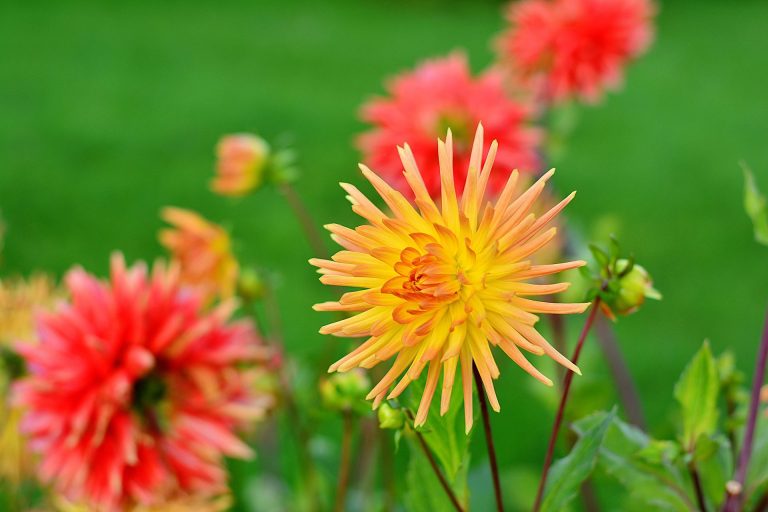
Native plants are often associated with wild meadows and restoration projects, but they also belong in traditional flower gardens. When chosen carefully, native flowers blend beautifully with perennials and annuals while offering stronger growth, fewer pest issues, and better support for local pollinators.
For home gardeners, growing native plants does not mean giving up color or structure. Many native flowers are well behaved, long blooming, and perfectly suited for borders, cottage gardens, and mixed beds. They handle local weather with ease and often outperform non native plants once established.
This guide focuses on using native plants intentionally in flower gardens. You will learn how to choose natives that complement your existing garden style, which types work best in beds and borders, and how to avoid common mistakes that make native plantings feel unruly instead of lush.
Selecting Native Plants for Flower Gardens That Actually Belong There

Researching Native Plant Species in Your Region
The first step in creating a native flower garden is to research which plants are native to your region. Local extension services, botanical gardens, and native plant societies can offer valuable insights into the best species for your area. Understanding which plants naturally thrive in your climate and soil will help you make informed choices and ensure a successful garden.
Considering Factors Like Soil Type, Sunlight, and Water Requirements
When selecting native flowers, consider the specific conditions of your garden. Soil type, sunlight exposure, and water availability are crucial factors that influence plant health. Choose species that match these conditions to create a thriving garden. For example, some native plants prefer full sun, while others thrive in shaded or wet areas.
Choosing Plants That Attract Pollinators and Wildlife
 Incorporate native flowers that attract pollinators and wildlife to enhance your garden’s ecological value. Plants with bright, tubular flowers or abundant nectar can draw hummingbirds and butterflies, while certain types of native grasses and shrubs offer shelter for birds and small mammals. Selecting a variety of plants that cater to different wildlife needs creates a dynamic and inviting habitat.
Designing Your Native Flower Garden
Native Flower Recommendations for Gardens in the Northeast United States

I live in upstate NY and grow all these native plants in my garden:
Black-eyed Susan (Rudbeckia hirta)
- Description: These cheerful perennial features golden-yellow petals with a dark brown center, and it’s a reliable favorite for attracting pollinators.
- Growing Conditions: Thrives in full sun and well-drained soil; drought-tolerant once established.
Eastern Purple Coneflower (Echinacea purpurea)
- Description: Known for its vibrant purple petals and spiky orange center, this perennial is both striking and beneficial for pollinators like bees and butterflies.
- Growing Conditions: Prefers full sun and well-drained soil; drought-resistant.
New England Aster (Symphyotrichum novae-angliae)
- Description: This late-blooming perennial showcases clusters of purple to pink flowers with yellow centers, providing a burst of color in late summer to fall.
- Growing Conditions: Grows well in full sun to partial shade and well-drained soil.
Bee Balm (Monarda)
- Description: Bee Balm produces clusters of lavender to pink tubular flowers that attract bees, butterflies, and hummingbirds.
- Growing Conditions: Prefers full sun to partial shade and well-drained soil; moisture-loving.
Cardinal Flower (Lobelia cardinalis)
- Description: Featuring bright red, tubular flowers, Cardinal Flower is a stunning addition that attracts hummingbirds and adds vibrant color to gardens.
- Growing Conditions: Thrives in full sun to partial shade and consistently moist soil.
Virginia Bluebell (Mertensia virginica)
- Description: Known for its lovely clusters of bell-shaped blue flowers, this spring ephemeral adds a touch of charm to shady woodland gardens.
- Growing Conditions: Prefers partial to full shade and moist, well-drained soil.
Trillium (Trillium spp.)
- Description: These woodland plants are known for their three-petaled flowers, which can be white, pink, or red. They add a graceful, understated beauty to shaded areas.
- Growing Conditions: Thrives in partial to full shade and rich, well-drained soil.
Butterfly Weed (Asclepias tuberosa)
- Description: With its bright orange, clustered flowers, Butterfly Weed is a magnet for butterflies and adds a vivid splash of color to garden beds.
- Growing Conditions: Prefers full sun and well-drained soil; drought-tolerant.
Bloodroot (Sanguinaria canadensis)
- Description: This early spring perennial features delicate white flowers with a bright yellow center, emerging from unique, deeply lobed leaves.
- Growing Conditions: Thrives in partial to full shade and moist, well-drained soil.
False Sunflower (Heliopsis helianthoides)
- Description: This hardy perennial resembles sunflowers with its bright yellow, daisy-like blooms and provides long-lasting color in the garden.
- Growing Conditions: Prefers full sun and well-drained soil; drought-resistant.
These native flowers not only enhance the beauty of Northeast gardens but also support local wildlife, promote biodiversity, and are well-suited to the regional climate and soil conditions. Native plants can be seamlessly integrated into existing landscapes. Whether you’re revamping a flower bed or adding native plants to an established garden, consider how they will complement the current design.
Native Flower Recommendations for Gardens in the Southeast United States

Purple Coneflower (Echinacea purpurea)
Description: Featuring eye-catching purple petals and a vibrant orange center, this perennial is a magnet for pollinators, attracting bees and butterflies alike.
Growing Conditions: Prefers full sun to partial shade and flourishes in well-drained soil.
Black-eyed Susan (Rudbeckia hirta)
Description: Sporting sunny yellow petals and a rich brown center, this vibrant flower is celebrated for its long-lasting blooms and hardy nature.
Growing Conditions: Loves full sun and well-drained soil; becomes drought-tolerant once established.
Butterfly Bush (Buddleia davidii)
- Description: This shrub produces large, fragrant clusters of flowers in shades of purple, pink, and white that are highly attractive to butterflies and other pollinators.
- Growing Conditions: Prefers full sun and well-drained soil; tolerant of drought and heat once established.
Butterfly Weed (Asclepias tuberosa)
Description: Renowned for its brilliant orange clusters, this plant is essential for monarch butterfly larvae and draws a variety of pollinators.
Growing Conditions: Thrives in full sun and well-drained soil; highly drought-tolerant.
Blanket Flower (Gaillardia pulchella)
- Description: This flower boasts bold, red and yellow daisy-like blooms. It’s heat-tolerant and thrives in a variety of soil conditions.
- Growing Conditions: Full sun and well-drained soil are ideal; drought-resistant.
Wild Geranium (Geranium maculatum)
- Description: Featuring delicate pink to lavender flowers, this perennial is a beautiful addition to woodland gardens and shady spots.
- Growing Conditions: Prefers partial to full shade and moist, well-drained soil.
Indian Pink (Spigelia marilandica)
- Description: This plant produces tubular red flowers with yellow interiors that are highly attractive to hummingbirds.
- Growing Conditions: Thrives in partial shade and well-drained, moist soil.
Cardinal Flower (Lobelia cardinalis)
- Description: Celebrated for its striking red blooms, this plant attracts hummingbirds and brings a bold pop of color to any garden.
- Growing Conditions: Thrives in full sun to partial shade and requires moist soil.
Sweetbay Magnolia (Magnolia virginiana)
- Description: This evergreen tree or shrub features creamy white, fragrant flowers and glossy green leaves. It’s perfect for adding structure to a garden.
- Growing Conditions: Prefers full sun to partial shade and moist, well-drained soil.
Southern Blue Flag Iris (Iris virginica)
- Description: Known for its elegant blue to purple flowers and sword-like leaves, this iris is great for wet or boggy areas.
- Growing Conditions: Prefers full sun to partial shade and consistently moist soil.
These native flowers not only enhance the visual appeal of Southeast gardens with their vibrant colors and unique forms but also serve a crucial ecological role. By incorporating native species into your garden, you create a welcoming habitat for local wildlife, including bees, butterflies, and birds, which rely on these plants for food and shelter. Native flowers are well-adapted to the region’s climate and soil conditions, making them resilient and low-maintenance choices that contribute to a more sustainable garden.
Native Flower Recommendations for Gardens in the Southwest United States

Desert Bluebell (Phacelia campanularia)
- Description: Known for its striking blue, bell-shaped flowers, Desert Bluebell adds a vibrant touch to arid gardens and attracts pollinators like bees and butterflies.
- Growing Conditions: Thrives in full sun and well-drained soil; highly drought-tolerant.
Prickly Poppy (Argemone mexica)
- Description: This unique plant features large, white to yellow flowers with spiky, thorny foliage. Its bold appearance and resilience make it a standout in xeriscape gardens.
- Growing Conditions: Prefers full sun and well-drained soil; drought-resistant.
Penstemon (Penstemon spp.)
- Description: Known for its tubular flowers in shades of pink, red, purple, or blue, Penstemon is a favorite among hummingbirds.
- Growing Conditions: Grows well in full sun and well-drained soil; drought-tolerant.
Apache Plume (Fallugia paradoxa)
- Description: This shrub has attractive white flowers followed by distinctive, feathery seed heads that add visual interest to the garden.
- Growing Conditions: Prefers full sun and well-drained soil; drought-resistant.
New Mexico Sage (Salvia nemorosa)
- Description: With its spikes of blue or purple flowers and aromatic foliage, this perennial adds both color and fragrance to southwestern gardens.
- Growing Conditions: Thrives in full sun and well-drained soil; drought-tolerant.
Desert Willow (Chilopsis linearis)
- Description: This small tree or large shrub produces showy, trumpet-shaped flowers in shades of pink, lavender, or white, and has a pleasant fragrance.
- Growing Conditions: Prefers full sun and well-drained soil; highly drought-resistant.
Evening Primrose (Oenothera spp.)
- Description: Known for its bright yellow to pink, cup-shaped flowers that open in the evening, it provides a beautiful display during cooler times of the day.
- Growing Conditions: Thrives in full sun and well-drained soil; drought-tolerant.
Gaillardia (Gaillardia pulchella)
- Description: Also known as Blanket Flower, this plant features vibrant red and yellow blooms that are both heat-tolerant and drought-resistant.
- Growing Conditions: Prefers full sun and well-drained soil; highly adaptable to dry conditions.
Indian Paintbrush (Castilleja spp.)
- Description: This striking plant features bright red or orange bracts that resemble a painter’s brush, creating a vivid display in gardens.
- Growing Conditions: Prefers full sun and well-drained soil; thrives in arid conditions.
Desert Lily (Hesperocallis undulata)
- Description: This bulbous perennial produces elegant, white trumpet-shaped flowers that bloom in early spring, adding a touch of grace to desert gardens.
- Growing Conditions: Grows well in full sun and well-drained soil; drought-tolerant.
These native flowers are ideally suited to the diverse climates of the Southwest, providing both beauty and resilience. They enhance local wildlife habitats and help conserve water, making them a sustainable choice for your garden.
Native Flower Recommendations for Gardens in the Northwest United States

Pacific Coast Iris (Iris douglasiana)
- Description: Known for its stunning blue to purple flowers with yellow or white markings, Pacific Coast Iris adds a dramatic touch to gardens with its elegant blooms.
- Growing Conditions: Prefers full sun to partial shade and well-drained soil.
Oregon Grape (Mahonia aquifolium)
- Description: This evergreen shrub features clusters of bright yellow flowers in early spring, followed by dark blue berries and attractive holly-like leaves.
- Growing Conditions: Thrives in full sun to partial shade and well-drained soil; tolerant of various soil conditions.
Red Columbine (Aquilegia)
- Description: With its striking red and yellow, nodding flowers, Red Columbine attracts hummingbirds and adds vibrant color to woodland gardens.
- Growing Conditions: Prefers partial shade and well-drained, moist soil.
Western Anemone (Anemone occidentalis)
- Description: This plant produces delicate white to pink flowers with a bright yellow center, adding a touch of grace to shaded or woodland areas.
- Growing Conditions: Grows well in partial shade to full sun and moist, well-drained soil.
California Poppy (Eschscholzia californica)
- Description: Known for its vibrant orange flowers, the California Poppy is a hardy perennial that blooms profusely and adds a splash of color to gardens.
- Growing Conditions: Prefers full sun and well-drained soil; drought-tolerant.
Douglas Aster (Symphyotrichum douglasii)
- Description: This perennial features a profusion of small, lavender to pink flowers, making it a lovely addition to meadows and prairies.
- Growing Conditions: Thrives in full sun and well-drained soil; adaptable to various soil types.
Nodding Onion (Allium cernuum)
- Description: Nodding Onion has distinctive, spherical clusters of pink or purple flowers that hang gracefully on tall stems, adding a unique visual element to gardens.
- Growing Conditions: Prefers full sun and well-drained soil; drought-resistant.
Lupine (Lupinus spp.)
- Description: Lupines produce tall spikes of colorful flowers, ranging from blue to purple, pink, and white. They are known for their attractive foliage and ability to enrich the soil with nitrogen.
- Growing Conditions: Thrives in full sun to partial shade and well-drained soil.
Hooker’s Onion (Allium acuminatum)
- Description: This species features small, purple to pink flowers in rounded clusters on slender stems. It’s well-suited for adding a touch of elegance to rock gardens.
- Growing Conditions: Prefers full sun and well-drained soil; drought-tolerant.
Bleeding Heart (Dicentra formosa)
- Description: Known for its delicate, heart-shaped pink flowers that dangle from arching stems, Bleeding Heart is perfect for shady, woodland gardens.
- Growing Conditions: Thrives in partial to full shade and moist, well-drained soil.
These native flowers are ideally adapted to the diverse climates and soil conditions of the Northwest, flourishing across a range of environments from coastal areas to mountainous regions. Their ability to thrive in local conditions means they require less water and maintenance compared to non-native species, making them both environmentally and economically beneficial. In addition to their visual appeal, these plants play a crucial role in supporting local wildlife. They provide essential nectar and pollen for pollinators like bees, butterflies, and hummingbirds, and offer habitat and food sources for birds and other wildlife.
Native Flower Recommendations for Gardens in the Midwest United States

Black-eyed Susan (Rudbeckia hirta)
- Description: These perennial features bright yellow petals and a dark brown center. It’s a resilient plant that adds a cheerful touch to any garden.
- Growing Conditions: Prefers full sun and well-drained soil; drought-tolerant.
Butterfly Weed (Asclepias tuberosa)
- Description: Known for its vibrant orange clusters of flowers, Butterfly Weed attracts butterflies and provides a bright pop of color.
- Growing Conditions: Thrives in full sun and well-drained soil; drought-resistant.
Purple Coneflower (Echinacea purpurea)
- Description: With its striking purple petals and orange center, this plant is a favorite among pollinators and adds a bold visual element to gardens.
- Growing Conditions: Prefers full sun and well-drained soil; drought-tolerant.
Bee Balm (Monarda)
Description: Also called Bee Balm, this plant showcases clusters of lavender to pink tubular flowers that entice bees, butterflies, and hummingbirds.
Growing Conditions: Flourishes in full sun to partial shade and prefers well-drained soil.
Compass Plant (Silphium laciniatum)
- Description: This tall perennial has large, deeply lobed leaves and bright yellow flowers. It’s known for its striking appearance and resilience.
- Growing Conditions: Prefers full sun and well-drained soil; drought-tolerant.
Prairie Dropseed (Sporobolus heterolepis)
- Description: This grass produces fine-textured, green foliage that turns golden in the fall. It’s ideal for adding texture and movement to garden beds.
- Growing Conditions: Thrives in full sun and well-drained soil; drought-resistant.
Joe-Pye Weed (Eutrochium purpureum)
- Description: Featuring large, dome-shaped clusters of pink to purple flowers, Joe-Pye Weed is a great choice for attracting butterflies and adding height to gardens.
- Growing Conditions: Prefers full sun to partial shade and moist, well-drained soil.
Blazing Star (Liatris spicata)
- Description: Known for its tall spikes of purple or pink flowers, Blazing Star adds vertical interest to gardens and attracts pollinators.
- Growing Conditions: Prefers full sun and well-drained soil; drought-resistant.
Cardinal Flower (Lobelia cardinalis)
- Description: With its brilliant red, tubular flowers, Cardinal Flower is perfect for adding a splash of color and attracting hummingbirds.
- Growing Conditions: Thrives in full sun to partial shade and consistently moist soil.
Wild Lupine (Lupinus perennis)
- Description: This perennial produces spikes of blue to purple flowers and is known for its attractive foliage and ability to enrich soil with nitrogen.
- Growing Conditions: Prefers full sun and well-drained, sandy soil.
These native flowers are ideally suited for the Midwest, bringing vibrant colors and dynamic beauty to a range of garden settings. Their ability to thrive in the region’s diverse climate and soil conditions—ranging from rich, loamy soils to sandy or clay-heavy environments—ensures that they remain resilient and visually striking throughout the growing season.
Importance of Native Plants in Garden Ecosystems
Native plants play a critical role in maintaining the health and balance of garden ecosystems. They provide essential resources for local wildlife, including food, shelter, and nesting sites. These plants are inherently more resilient to pests and diseases that are specific to their region, reducing the need for chemical interventions. By incorporating native plants into your garden, you contribute to the preservation of local biodiversity and help create a more sustainable environment.
Benefits of Native Flower Gardening

Supporting Local Wildlife and Pollinators
One of the most compelling reasons to embrace native flower gardening is its profound impact on local wildlife and pollinators. Native flowers offer the nectar and pollen that native bees, butterflies, and hummingbirds rely on for survival. By planting species that are part of the local food chain, you help sustain these crucial pollinators, which in turn supports the broader ecosystem.
Promoting Biodiversity and Ecosystem Health
Native flowers enhance biodiversity by supporting a range of species that interact within their natural habitats. A garden filled with native plants fosters a healthy ecosystem by promoting a balanced food web and encouraging a variety of organisms to thrive. This diversity helps protect against pest outbreaks and plant diseases, creating a more resilient garden environment.
Low Maintenance and Water-Efficient Gardening Option
Native flowers are often low maintenance, requiring less water and fertilizer than non-native species. Their deep root systems are adapted to local soil conditions, making them more drought-resistant and reducing the need for frequent irrigation. This water efficiency not only saves you time and resources but also contributes to the conservation of local water supplies.
Creating Habitat for Wildlife

Providing Food Sources for Birds, Butterflies, and Other Wildlife
Native flowers offer essential food sources for birds, butterflies, and other wildlife. Plants that produce seeds, nectar, or fruits help sustain various species throughout different seasons. By selecting a variety of native flowers, you can create a continuous supply of food that supports wildlife year-round.
Incorporating Native Grasses and Shrubs for Shelter and Nesting Sites
In addition to flowers, native grasses and shrubs play a vital role in providing shelter and nesting sites for wildlife. Grasses offer cover for small mammals and birds, while shrubs can serve as nesting areas. Including these elements in your garden creates a more comprehensive habitat that supports a broader range of species.
Avoiding Invasive Plant Species That Can Harm Local Ecosystems
Avoid introducing invasive plant species into your garden, as they can outcompete native plants and disrupt local ecosystems. Invasive species often spread quickly and can cause significant harm to native flora and fauna. Stick to native plants and consult local experts to ensure that your garden supports, rather than harms, the local environment.
Choosing Native Flowers for Different Garden Settings

Shade-Loving Native Flowers for Woodland Gardens
For woodland gardens with limited sunlight, choose shade-loving native flowers. Plants like wild ginger, bloodroot, and hostas thrive in low-light conditions and can add beauty to shaded areas. These species are adapted to thrive in the dappled light of forested environments.
Drought-Tolerant Natives for Xeriscaping and Dry Climates
In arid or dry climates, drought-tolerant native flowers are ideal. Look for species such as black-eyed Susans, coneflowers, and blanket flowers that are adapted to withstand low water conditions. Xeriscaping with these plants not only conserves water but also ensures a vibrant and resilient garden.
Wetland Natives for Rain Gardens and Water Features
For areas with high moisture levels or rain gardens, select wetland native flowers that thrive in these conditions. Plants like swamp milkweed, cardinal flower, and marsh marigold are well-suited for wet, boggy areas and can add striking beauty to water features.
Planting and Establishing Native Flowers
 Preparing the Soil and Amending as Needed
 Preparing the Soil and Amending as Needed
Before planting, prepare the soil by ensuring it is well-drained and suitable for the native species you’ve chosen. Amend the soil with organic matter if necessary to improve its texture and fertility. Proper soil preparation is crucial for the successful establishment of native plants.
Proper Spacing and Planting Depth for Native Plants
When planting, follow guidelines for spacing and planting depth to give each plant ample room to grow. Proper spacing prevents overcrowding and ensures good air circulation, reducing the risk of disease. Planting at the correct depth allows the roots to establish firmly and promotes healthy growth.
Mulching and Watering Techniques for Establishment
Apply mulch around newly planted native flowers to retain moisture, suppress weeds, and regulate soil temperature. Watering is essential during the establishment period, but avoid overwatering. Native plants generally require less water once they are established, so adjust your watering practices accordingly.
Maintaining Your Native Flower Garden
Regular Weeding
 Regular Weeding
Regular weeding is important to prevent invasive species from overtaking your native flower garden. Keep an eye out for weeds and remove them promptly to ensure that your native plants have the resources they need to thrive.
Deadheading Spent Blooms to Encourage Continuous Flowering
Deadheading, or removing spent blooms, encourages many native flowers to continue producing new flowers. This practice not only keeps your garden looking tidy but also extends the blooming period of your plants.
Pruning and Dividing Plants for Optimal Health and Growth
Pruning and dividing native plants as needed helps maintain their health and vigor. Remove any dead or damaged growth and divide overcrowded plants to promote better air circulation and growth. Proper care ensures that your garden remains vibrant and flourishing.
Attracting Pollinators to Your Native Garden
Selecting Nectar-Rich Flowers for Bees, Butterflies, and Hummingbirds
 Selecting Nectar-Rich Flowers for Bees, Butterflies, and Hummingbirds
Choose native flowers that are rich in nectar to attract bees, butterflies, and hummingbirds. Plants with tubular or clustered flowers are particularly effective at drawing these pollinators. By selecting the right flowers, you create a haven for these essential creatures.
Providing Nesting Sites and Host Plants for Pollinators
In addition to food sources, provide nesting sites and host plants for pollinators. For instance, certain native grasses and shrubs can offer nesting sites for birds, while host plants provide larval food for butterflies. This holistic approach supports the entire life cycle of pollinators.
Creating a Pesticide-Free Environment to Support Pollinator Health
Avoid using pesticides in your native garden, as they can harm pollinators and other beneficial insects. Opt for natural pest control methods and create a pesticide-free environment to ensure the health and safety of your garden’s pollinators.
Addressing Common Challenges in Native Gardening
Dealing with Deer and Other Wildlife That May Browse on Native Plants
 Dealing with Deer and Other Wildlife That May Browse on Native Plants
Deer and other wildlife may occasionally browse on your native plants. To mitigate this, consider using deer-resistant species or installing protective barriers. Additionally, employing natural deterrents can help keep wildlife from damaging your garden. Check out my detailed tips on deterring deer here.
Managing Invasive Plant Species That Threaten Native Plant Communities
Invasive plant species can pose a significant threat to native plant communities. Regularly monitor your garden for invasive species and take action to remove them before they spread. Staying vigilant helps preserve the integrity of your native garden.
Overcoming Misconceptions About the Aesthetics of Native Gardens
Some may have misconceptions about the aesthetics of native gardens, believing they are less attractive than traditional gardens. However, native gardens can be incredibly beautiful, with a rich tapestry of colors, textures, and forms. Educating others about the benefits and beauty of native plants can help shift perceptions and encourage broader adoption.
Conclusion
Native flower gardening offers numerous benefits, from supporting local wildlife and pollinators to enhancing biodiversity and reducing maintenance. By exploring and embracing native plant species, you not only create a stunning and sustainable garden but also contribute to the health of local ecosystems. Embrace the joys of native gardening and commit to nurturing our natural heritage through thoughtful, eco-friendly practices.