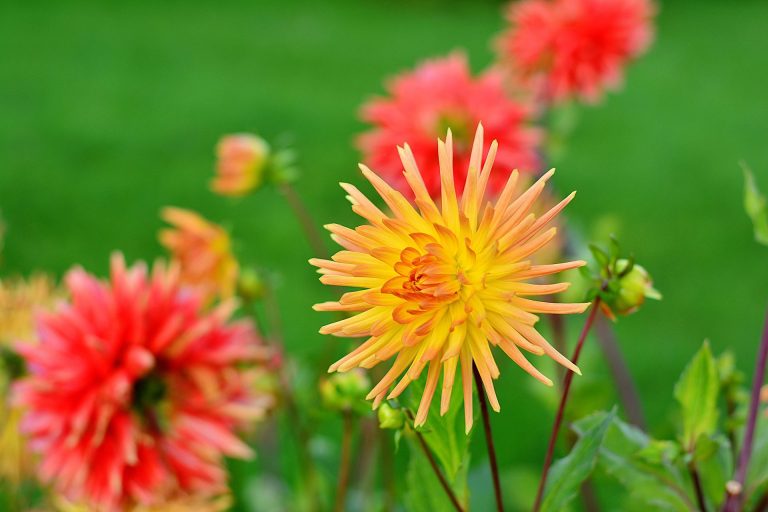
When summer turns up the thermostat, heat tolerant flowers rise to the occasion. These resilient blooms don’t just survive the sweltering sun—they thrive in it, flaunting vibrant petals and unstoppable energy. They breathe life into parched garden beds, spill joy from overflowing containers, and become the undeniable stars of the season.
Why Heat Tolerant Flowers Are a Summer Garden Essential
Hot weather is no match for heat tolerant flowers—blooms that were born for the sun. Heat tolerant flowers keep your landscape vivid and lively when other plants surrender to the scorch. They require less water, bounce back after dry spells, and often bloom longer than their delicate counterparts. These resilient plants are the backbone of a low-maintenance, high-impact summer garden.
How to Choose the Right Flowers for Hot, Dry Climates
Choosing heat tolerant flowers for high-heat areas starts with reading the sun like a map. Full-sun lovers are your allies—look for plants labeled drought-tolerant or sun-loving. Native species often have a built-in resistance to regional weather patterns. By selecting varieties with thick leaves, deep roots, or silvery foliage, you’ll set your garden up for success even during prolonged dry spells.
The Secret to Surviving the Sizzle

Understanding What Makes a Flower Heat-Tolerant
Heat tolerant flowers often have traits that help them regulate moisture and withstand intense rays. Think silvery or fuzzy leaves, deep root systems, and waxy coatings that trap hydration. Heat tolerant flowers are often equipped with these clever adaptations that help them thrive in summer extremes.
These botanical adaptations aren’t just beautiful—they’re brilliant survival tools. They allow plants to minimize water loss and remain upright when others wither.
Tips for Caring for Flowers During a Heat Wave
Even the toughest blooms need a little TLC in the dead of summer. Water deeply but less frequently to encourage root growth. Mulch generously to insulate the soil and prevent evaporation. Avoid watering in the midday heat to prevent scalding and wasted effort.
Best Soil, Sun, and Watering Practices for Hot Weather Blooms
For heat tolerant flowers, good drainage is key—soggy roots are a no-go. Amend soil with compost to retain moisture without becoming waterlogged. Position sun-loving varieties in spots that receive at least six hours of direct light, and consider drip irrigation for efficient watering during dawn or dusk. A little strategic planning goes a long way toward summer garden success.
Perennial Powerhouses That Love the Heat

Lavender Love: Fragrant, Fuss-Free, and Sun-Kissed
Lavender is the darling of sun-drenched gardens, exuding rustic charm and calming scent. Its silvery foliage reflects sunlight, while its blooms invite bees and butterflies. It’s a low-maintenance beauty with a high reward factor. With its graceful form and intoxicating aroma, lavender offers multi-sensory magic.
Why Lavender Makes the Perfect Mediterranean-Style Bloom
Modeled after its ancestral habitat, lavender thrives in dry, rocky soil and full sun. Pair it with terracotta pots, stone pathways, and herbs like rosemary for an effortless Mediterranean escape right outside your door. It’s ideal for xeriscaping and pairs beautifully with sun-loving companions like sage and thyme. The look is timeless and the maintenance blissfully minimal.
Best Lavender Varieties for Scorching Summers
Look for ‘Bandera’, ‘Spike’, and ‘Hidcote’—cultivars known for both intense fragrance and resilience. These varieties don’t flinch under the sun and are prized by florists and perfumers alike. Their compact forms and prolific blooms make them perfect for borders and cutting gardens. Plus, they’re deer-resistant and drought-tolerant.
💜Find Lavender Here
Echinacea Elegance: The Prairie Queen of Summer

Colorful and Carefree: Echinacea Varieties That Shine
Echinacea, or coneflower, bursts forth in purples, pinks, and fiery oranges. Its daisy-like shape and raised cone center add texture and drama to hot-climate beds. Hybrid varieties like ‘Cheyenne Spirit’ offer a carnival of color with minimal care. These flowers stand tall and unbothered even in blistering heat.
Pollinator Magnet: Echinacea’s Role in a Heat-Ready Ecosystem
Butterflies, bees, and even goldfinches flock to echinacea like it’s a summer buffet. Its long-lasting blooms support biodiversity and offer essential nectar during dry spells, making it both lovely and life-giving. In fall, the seed heads feed birds, adding ecological value that extends beyond the bloom. It’s a powerhouse for wildlife and beauty alike.
🩷Find Echinacea Here
Coreopsis Sunshine: The Smiling Face of the Heat

Golden Glow: Coreopsis Varieties That Beat the Heat
Coreopsis is sunshine in plant form—vivid yellows, bright oranges, and soft pinks on delicate stems. ‘Moonbeam’ and ‘Zagreb’ are garden staples, offering dense blooms and a cheerful disposition. These dainty flowers pack serious heat resistance, bouncing back after long days in the sun. They’re perfect for borders, wildflower gardens, and mixed containers.
Tips for Keeping Coreopsis Blooming All Season Long
Snip spent blooms to keep the flowers coming. Plant in well-drained soil and avoid overwatering, as these sun chasers prefer a dry root zone. Divide every few years to maintain vigor and prevent overcrowding. With minimal effort, you’ll enjoy waves of golden blooms for months.
💛Find Coreopsis Here
Black-Eyed Susans: Bold, Bright, and Built for Sun

How Black-Eyed Susans Add Drama to a Heat-Loving Garden
With golden petals and a dark central eye, Rudbeckia adds contrast and warmth to sunny landscapes. These hardy blooms sway with grace and look spectacular in wildflower meadows or structured beds. Their upright form and long bloom period make them garden workhorses. You’ll find them as striking as they are enduring.
Pairing Ideas for Black-Eyed Susans in Sunny Borders
Combine with Russian sage, yarrow, or ornamental grasses for a textured, high-impact display. Their bold shape and hue make them a natural focal point in mixed plantings. You can also mix them with purple coneflowers or asters for a harmonious, late-summer palette. They’re team players and solo stars alike.
🧡Find Rudbeckia Here
Liatris Spikes: Vertical Magic in Summer’s Blaze

The Bee-Friendly Beauty That Blooms Through the Heat
Liatris shoots upward like a wand of purple flame. Its bottlebrush blooms attract pollinators and withstand both heat and drought with ease. It’s a perennial that delivers both elegance and ecological value. Butterflies adore it, and its vertical lines add architectural flair to the garden.
Creating a Drought-Defiant Garden with Liatris
Interplant liatris with rudbeckia, coneflowers, and sedums for a resilient, water-wise palette. Its vertical form adds height without bulk, making it ideal for layered beds or borders. Once established, it needs little care and rewards you with striking late-summer color. It’s proof that tough can be stunning.
💜Find Liatris Here
Annual All-Stars That Sizzle and Shine

Portulaca Punch: The Juicy Succulent That Thrives on Sun
Also known as moss rose, portulaca dazzles with ruffled blooms and succulent leaves. It hugs the ground and spills over edges, creating a lush carpet of color with minimal fuss. It’s ideal for hot spots where other plants wilt in protest. Think sunny borders, hanging baskets, and rocky slopes.
Low-Maintenance, High-Impact Blooms for Rock Gardens and Pots
Perfect for xeriscaping, portulaca excels in neglected corners, rock gardens, or hanging baskets. It opens in full sun and closes at night, like a little miracle on a daily schedule. With its juicy stems and vibrant flowers, portulaca offers drama with zero drama. It’s a true garden gem for lazy days.
Portulaca Color Combos That Pop in Full Sun
Try hot pinks with yellows or fiery oranges beside white for a tropical vibe. Mixing colors creates a living confetti effect that feels festive and fresh. Use terra cotta pots or cobalt blue containers to elevate the brilliance of these blooms. The visual payoff is huge with almost no effort.
🩷Find Portulaca Here
Cosmos Craze: Airy Blooms That Dance in the Heat

How to Grow Cosmos for Nonstop Summer Color
Cosmos are easy-to-grow and self-sow like pros. Once established, they require very little attention but reward gardeners with delicate, lacy foliage and graceful blooms that sway in the breeze. Their resilience makes them ideal for beginners and pros alike. Scatter seeds in spring, and they’ll bloom until frost.
Best Heat Tolerant Varieties of Cosmos for Containers and Beds
‘Sensation’ offers classic pinks, while ‘Bright Lights’ adds warm oranges and reds. For tight spaces, try the compact ‘Sonata’ series, perfect for pots and patios. All varieties bring a lightness and joy to the summer garden. They’re the ballet dancers of the bloom world.
💜Buy Cosmos Here
Salvia Farinacea: Blue Blooms That Cool the Scene

A Pollinator’s Delight with Heat-Loving Style
This salvia’s electric blue flower spikes stand out in any sun-drenched plot. Butterflies and bees adore it, and it makes an excellent mid-height filler in mixed beds. It handles heat like a champion while bringing an almost icy calm to fiery borders. The blooms last for weeks on end.
Perfect Companions for Salvia in Sunny Flowerbeds
Pair with yellow marigolds, red zinnias, or silvery lamb’s ear for a color contrast that cools and delights. Its upright shape and long bloom time make it a garden favorite. Use it to anchor a hot-color scheme or provide relief in a wild palette. It never looks out of place.
💙Find Salvia Here
Ageratum Charm: Soft Blues That Handle the Heat

Adding Texture and Cool Tones with Heat-Loving Ageratum
Ageratum brings a soft, dreamy haze to gardens with its tufted blue blooms. Its low-growing habit makes it a wonderful border plant or filler between taller companions. It’s a perfect foil to bright oranges and reds, adding visual rest to high-energy spaces. The flowers stay tidy and dense all summer long.
Best Ways to Use Ageratum in Mass Plantings and Edges
Plant en masse for a river of blue, or intersperse with whites and purples for a peaceful palette. It’s especially effective in moon gardens and pathways where its texture catches the eye. Use it along edges, walkways, or containers for a cohesive look. The results are always soft and soothing.
💙Find Ageratum Here
Marigold Magic: The Classic Heat-Hardy Hero

Sun-Loving and Pest-Fighting Wonders for Summer Gardens
Marigolds are more than just pretty faces—they’re workhorses in the garden. Their pungent scent deters pests, while their golden-orange hues radiate cheer all summer long. They thrive in beds, borders, and vegetable plots alike. They’re functional beauty at its finest.
Marigold Varieties That Thrive in Hot and Humid Conditions
‘French Dwarf’, ‘African Crackerjack’, and ‘Signet Lemon Gem’ flourish in steamy weather. Mix sizes and colors to create vibrant swaths of sun-kissed charm. Whether you’re growing them for their beauty, usefulness, or both, marigolds never disappoint. They’re a summer staple for good reason.
🧡Find Marigolds Here
Designing with Heat in Mind
Combining Annuals and Perennials for Heat-Proof Beauty
Mixing heat tolerant flowers—both annual and perennial—ensures your garden always has something blooming. It also layers your garden with reliability and seasonal excitement. Think echinacea with cosmos, or lavender with portulaca. The mix keeps your garden fresh and future-ready.
Color Themes for Hot Weather Flower Gardens
Go bold with fiery reds, oranges, and yellows, or cool it down with purples, silvers, and soft blues. Heat-loving flowers offer an extraordinary range of palettes to match any mood. Use repetition for harmony and contrast for drama. Let your garden reflect your personality, even in a heat wave.
Creating Shade Illusions with Cool-Toned Heat-Lovers
Use pale blooms and silvery foliage to mimic the soothing effect of shade. These cool hues don’t lower the temperature—but they sure make it feel that way. Plant in clusters for maximum visual impact and relief. The result is a garden that feels fresh, even when it’s sizzling.
Beyond Beauty: Why Heat-Loving Flowers Matter

Supporting Pollinators When the Mercury Rises
In the dog days of summer, nectar can be scarce. Heat-hardy blooms offer a vital lifeline to bees, butterflies, and hummingbirds during the hottest months. Keeping pollinators fed keeps the entire ecosystem balanced. A flower-filled garden is a feast in more ways than one.
Sustainable Gardening with Low-Water Flowers
Planting flowers that need less water reduces your garden’s footprint and your utility bill. It’s a win-win for your wallet and the planet. Plus, they require less fuss and fewer resources. Sustainability never looked so good.
Building a Resilient Garden in the Face of Climate Change
With weather patterns shifting, heat tolerant flowers form the backbone of a future-forward garden. These hardy heroes adapt and persist—no matter how high the mercury climbs. Resilience is beauty, especially when it blooms through adversity. Plan now, and your garden will thrive for years to come.
Final Thoughts: Plant, Water, and Watch the Heat Bloom
Wrap-Up and Encouragement to Embrace the Summer Sun
Don’t let the heat steal your garden joy. With the right mix of heat tolerant flowers, your garden can stay vibrant and alive through every heatwave. Choose smart, plant boldly, and let your flower beds burn bright with color. Your garden deserves to thrive—even in triple digits.
Let the sun shine—your garden’s ready to dazzle.
FAQ for Heat Tolerant Flowers
What are heat tolerant flowers?
Heat tolerant flowers are plants specifically adapted to thrive in high temperatures and intense sunlight. They often feature characteristics like deep root systems, waxy or fuzzy leaves, and drought resistance. These flowers continue blooming even when other plants wilt, making them ideal for hot summer gardens.
Why should I plant heat tolerant flowers?
Planting heat tolerant flowers ensures your garden remains colorful and vibrant through the hottest months of the year. These hardy blooms require less water, recover quickly after dry spells, and generally need less maintenance than more delicate varieties. They’re perfect for creating a beautiful, resilient landscape.
Can heat tolerant flowers grow in containers?
Absolutely! Many heat tolerant flowers, such as portulaca, cosmos, and ageratum, perform beautifully in containers. Just be sure to use well-draining soil, choose pots with drainage holes, and water deeply but less frequently. Container gardening lets you move plants as needed and adds flexibility to sunny patios or decks.
How do I care for heat tolerant flowers during a heatwave?
During extreme heat, it’s best to water your flowers early in the morning or late in the evening to avoid evaporation. Mulching helps retain soil moisture and protect roots. Avoid overhead watering at midday, and consider adding shade cloth or grouping containers together for extra protection if needed.
Do heat tolerant flowers attract pollinators?
Yes, many heat tolerant flowers are pollinator magnets. Echinacea, liatris, lavender, and salvia are especially attractive to bees, butterflies, and hummingbirds. By planting these blooms, you not only beautify your space but also support local pollinator populations during their most active season.
What are the best heat tolerant flowers for beginners?
Some of the easiest heat tolerant flowers for beginners include marigolds, coreopsis, cosmos, and portulaca. These varieties are tough, forgiving, and bloom continuously with minimal effort. They’re great for gardeners who want maximum color with low upkeep.
Can I plant heat tolerant flowers in partial shade?
While most heat tolerant flowers prefer full sun, a few can handle partial shade, especially in very hot climates. Look for varieties labeled as sun-to-part-shade or experiment with planting in morning sun and afternoon shade. Even sun-lovers like ageratum and salvia can adapt if light conditions are right.
Are heat tolerant flowers good for xeriscaping?
Yes! Heat tolerant flowers are excellent choices for xeriscaping because they naturally require less water and thrive in dry conditions. Lavender, portulaca, and liatris are particularly well-suited to low-water landscapes. Incorporating these blooms helps create a sustainable and beautiful garden.
How can I design a garden with heat tolerant flowers?
Start by mixing perennials like echinacea and rudbeckia with annuals like cosmos and marigolds for long-lasting color. Layer heights, mix textures, and use color themes to create visual interest. Group plants with similar water and sun needs, and don’t forget mulch to keep roots cool and soil moist.
When is the best time to plant heat tolerant flowers?
The best time to plant most heat tolerant flowers is in spring after the danger of frost has passed. This gives them time to establish roots before summer heat peaks. You can also start seeds indoors or direct sow depending on the variety. Just make sure they’re well-watered while getting established.