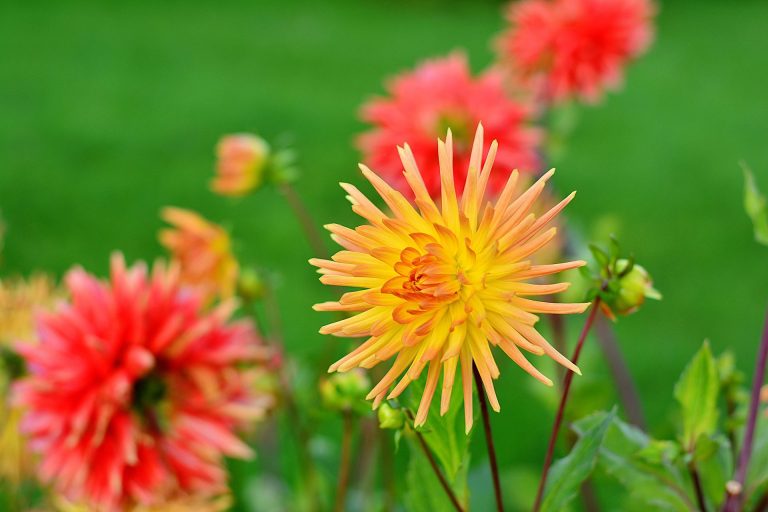
Every garden tells a story, and some of the most magical tales begin with heirloom flowers that time nearly left behind. These vintage blooms, once cherished in Victorian greenhouses and country gardens, are quietly staging a comeback. With their rich history, unique forms, and timeless appeal, heirloom flowers bring more than beauty—they bring soul.
Why Gardeners Are Falling for Old-Fashioned Flowers Again
In an age of mass-produced everything, gardeners are seeking authenticity and connection. Heirloom flowers offer a living link to the past—fragrant, flamboyant, and full of charm. These old-time blooms are winning hearts again with their quirky personalities, rich fragrances, and the stories tucked into every petal.
How Heirloom Flowers Add Personality and Charm to Modern Gardens
Contemporary landscapes can feel a bit…predictable. Heirloom flowers shatter the mold with wild textures, unpredictable forms, and a sense of history that adds emotional depth to flower beds. Their timeless charm complements sleek modern designs, bringing warmth and personality to even the most minimal plots.
The Timeless Appeal of Heirloom Flowers

What Makes a Flower Variety Get Forgotten?
When fashion shifts or commercial growers seek uniformity, many exquisite blooms fall out of favor. Shorter shelf life? Slight irregularities? These traits may doom heirloom flowers in today’s perfection-obsessed world. But what’s overlooked in the mainstream often shines the brightest in the home garden.
Benefits of Growing Rare and Rediscovered Blooms
Heirloom flowers are more than just pretty petals. They often have stronger fragrance, richer nectar for pollinators, and a built-in hardiness shaped by decades—sometimes centuries—of adaptation. Plus, growing them supports plant biodiversity and revives floral traditions worth saving.
Victorian Favorites That Deserve a Second Chance
Mignonette: The Humble Scent Powerhouse
 Though its blooms are small, Mignonette packs an olfactory punch. Once adored by Victorian ladies for its sweet, musky perfume, this heirloom flower is a hidden gem for fragrance.
Mignonette thrives in cool, mild climates and prefers full sun to light shade. Sow directly in well-drained soil after the last frost, or start indoors for a head start. This old-fashioned annual doesn’t mind poor soil, but regular deadheading will keep the blooms coming. It’s perfect along paths where its scent can surprise passersby.
🌸
Sweet Sultan: Papery Petals with a Soft Fragrance
 Delicate and dreamy, Sweet Sultan graces the garden with soft, tissue-like blooms and a nostalgic scent. It’s a forgotten heirloom flower that deserves center stage once more.
Sweet Sultan (Centaurea moschata) enjoys sunny spots and average garden soil with good drainage. Start seeds indoors 6–8 weeks before your last frost or sow directly once danger of frost has passed. This annual can grow up to 3 feet tall, so support may be needed in windy areas. It’s both fragrant and perfect for pollinator-friendly beds.
🌸
Annual Phlox: The Original Pop of Summer Color
 Long before flashy hybrids, annual phlox brought vibrant reds, pinks, and purples to summer gardens. With compact growth and dazzling hues, it’s the heirloom that never truly went out of style.
Phlox drummondii is a heat-tolerant annual that flourishes in full sun and rich, moist soil. Sow seeds directly after frost or start indoors for earlier blooms. Deadhead spent flowers to encourage continuous flowering. This compact plant is ideal for edging borders, filling containers, or creating vibrant drifts in cottage-style gardens.
🌸
Cottage Garden Classics Making a Comeback
Love-in-a-Mist: Airy Blue Blooms with Magical Seed Pods
 This romantic bloom floats among ferny foliage like something from a fairytale. Love-in-a-Mist is a charming heirloom flower with a twist—its intricate seed pods add texture long after the bloom fades.
Nigella damascena is an easy-to-grow annual that prefers full sun and light, well-draining soil. Sow directly where it will bloom, as it dislikes transplanting. The feathery foliage and otherworldly seed pods make it both a floral and textural treasure. Leave the seed heads in place for dried arrangements or self-sowing beauty.
🌸
Toadflax: Miniature Snapdragons in a Riot of Color
 Tiny snapdragon-like blossoms in pastel shades make Toadflax a cheerful heirloom option. It’s perfect for softening borders and tucking into any bare patch needing a bit of whimsy.
Toadflax (Linaria maroccana) is a fast-growing annual that loves cool weather and sunny spots. Scatter seeds directly onto bare soil and gently press them down—they need light to germinate. It performs beautifully in lean soil and doesn’t demand much fuss. Great for filling gaps, containers, and wildflower meadows.
🌸
Corncockle: The Graceful Pink Beauty of Yesteryear
 Corncockle once bloomed freely among grain fields, painting the countryside with elegance. This heirloom flower’s satiny petals and tall stature make it ideal for a nostalgic garden.
Corncockle (Agrostemma githago) prefers full sun and well-drained soil, thriving best when direct-sown in early spring. Its tall, graceful stems make it ideal for the back of a border or mixed into wildflower plantings. It reseeds readily, creating an ever-returning presence if allowed to naturalize.
🌸
Wildflowers with Old-School Charm
Blue Flax: A Whisper of Sky for Your Borders
 Blue Flax offers soft, sky-blue flowers that flutter in the breeze. These heirloom flowers bring a calm, meadow-like feel to any garden space.
Linum perenne is a perennial in mild zones and a reseeding annual elsewhere. Sow seeds directly in spring or fall, as it dislikes being transplanted. Blue Flax prefers full sun and sandy, well-drained soil, and once established, it’s drought tolerant. The fleeting blooms are replaced daily with fresh ones, making it a lovely constant in the garden.
🌸
Catchfly: Sticky Stems, Starry Flowers, and Tons of Nostalgia
 Catchfly’s shimmering petals and sticky stems may sound odd, but this wild heirloom has undeniable appeal. Its low-maintenance nature and abundant blooms make it a win for pollinators and gardeners alike.
Silene armeria does well in sunny spots with average to dry soil. It’s a hardy annual that reseeds freely and thrives with minimal care. Sow directly in early spring or fall, and give it room to spread. The sticky stems deter pests, while its candy-colored flowers draw in bees and butterflies.
🌸
Forgotten Fragrance Heroes
Wallflowers: Spring’s Sweet-Scented Secret
 Wallflowers once lined spring gardens with their rich colors and captivating scent. These early-season heirloom flowers fill the air with perfume and pair beautifully with tulips and daffodils.
Erysimum cheiri prefers full sun and well-drained soil, ideally with a bit of lime. Start from seed in midsummer and overwinter for spring bloom, or purchase young plants in fall. These biennials often act as short-lived perennials and benefit from deadheading. Plant near walkways to fully enjoy their spicy scent.
🌸
Evening Scented Stock: A Night Garden Treasure
 Delightfully fragrant from morning to night, this heirloom flower fills the air with sweet perfume all day long. Plant it near porches or patios for a twilight treat.
Matthiola longipetala prefers cool weather and partial shade, making it ideal for spring or fall planting. Sow seeds directly outdoors; they germinate quickly in moist, well-drained soil. This modest annual grows up to 18 inches tall and thrives in containers near patios or windows where its nighttime fragrance can shine.
🌸
Four O’Clocks: Perfumed Blooms That Open at Dusk
 As day fades, Four O’Clocks awaken. Their vivid trumpet-shaped flowers and citrusy scent transform evening gardens into perfumed sanctuaries.
Mirabilis jalapa is a tender perennial often grown as an annual in cooler zones. Start seeds indoors or sow directly after frost. It prefers full sun and rich, well-drained soil. The bushy plants can grow 2–3 feet tall and are generous self-seeders. Their blooms open in the late afternoon, delighting both gardeners and hummingbirds.
🌸
Heirloom Beauties for the Cutting Garden
Painted Tongue: Velvety Drama for Your Vase
 Painted Tongue’s bold blooms are streaked with rich veining in fiery shades. This dramatic heirloom flower adds vintage flair and a painterly effect to any bouquet.
Salpiglossis sinuata grows best in full sun and cool summer conditions. Start seeds indoors 8–10 weeks before last frost and transplant carefully to avoid root damage. It prefers fertile, moist but well-drained soil. With its upright habit and velvety texture, it makes an ideal addition to cutting gardens and flower borders.
🌸
Godetia: Silk-Like Petals in Rich, Romantic Tones
 Godetia dazzles with lustrous petals in pinks and purples. A stalwart of old-fashioned gardens, this heirloom flower offers romance in every ruffle.
Clarkia amoena prefers cool conditions and well-drained soil with moderate moisture. Direct sow in early spring or fall in mild climates. These heirloom flowers are known for thriving where others struggle, and they bloom prolifically with little maintenance. Excellent for cut flowers and pollinator gardens.
🌸
Perennials That Time Left Behind
Jacob’s Ladder: Elegant Blue Bells on Ferny Foliage
 With foliage like rungs on a ladder and soft blue blooms, Jacob’s Ladder is an heirloom perennial with elegance to spare. A perfect pick for shade or dappled light.
Polemonium caeruleum enjoys partial shade and moist, humus-rich soil. It tolerates cooler temperatures and can naturalize nicely in woodland gardens. Sow indoors or direct sow in early spring, and keep soil consistently moist. It pairs beautifully with ferns, bleeding hearts, and hostas.
🌸
Meadow Rue: A Whispery Cloud of Cottage Garden Grace
 Tall, airy, and utterly graceful, Meadow Rue blooms like a gentle fog over the garden. Its delicate texture and long season make it a beloved heirloom comeback.
Thalictrum species thrive in part shade and moisture-retentive, rich soil. They prefer cool summers and benefit from shelter from wind due to their tall, slender stems. Start from seed indoors with patience or plant established perennials. The airy flowers and delicate foliage add elegance to any cottage or shade garden.
🌸
Campanula Medium (Canterbury Bells): Tall Spires, Fairytale Appeal
 These stately blooms look plucked from a storybook. With their bell-shaped flowers and pastel palette, Canterbury Bells bring vertical magic to heirloom-inspired designs.
Campanula medium is typically grown as a biennial, forming a rosette in year one and flowering in year two. Sow seeds indoors or direct in summer for blooms the following spring. It needs rich, well-drained soil and full sun to partial shade. These bell-shaped beauties make excellent cut flowers and add vertical interest to garden beds.
🌸
Tips for Growing Heirloom Flowers from Seed

Where to Find Heirloom and Heritage Seeds
Seek out specialized seed companies, local seed libraries, and plant heritage organizations. Look for open-pollinated varieties with a history—and skip the overly hybridized selections.
How to Nurture These Time-Tested Treasures
Heirloom flowers often germinate more slowly but reward patience with resilience. Start them indoors if needed, provide good air circulation, and let them naturalize wherever possible. They’ll bloom their hearts out.
Designing a Nostalgic Garden

Pairing Heirloom Flowers with Modern Favorites
Blend heirloom charm with modern structure. Let tidy salvias play backdrop to sprawling phlox, or pair structured zinnias with the feathery frill of love-in-a-mist. It’s all about contrast and character.
Creating a Vintage Vibe with Color and Texture
Choose soft, layered hues—dusty rose, buttercream, faded blue. Mix fine textures with billowy forms, and add garden details like wrought-iron arches or antique containers to finish the look.
Saving the Past, One Petal at a Time

Why Growing These Flowers Helps Preserve Biodiversity
Every heirloom flower holds genetic stories and traits that may not exist elsewhere. Cultivating them helps ensure these threads of history continue blooming into the future.
How Forgotten Varieties Can Inspire the Future of Gardening
Heirloom flowers show us how beauty doesn’t always need to be perfect or predictable. They inspire a gardening philosophy rooted in heritage, sustainability, and heart.
Final Thoughts: Let’s Bring Back the Beauty
Let your garden be a stage for floral history. Heirloom flowers offer charm, fragrance, and a deep sense of continuity—connecting us to the gardeners who came before. Their beauty is timeless. Their stories are still unfolding. Your next favorite bloom might be an heirloom ready to shine again.
🌼 Heirloom Flowers FAQ
What are heirloom flowers?
Heirloom flowers are open-pollinated varieties that have been passed down through generations, often prized for their fragrance, form, and historical charm. Unlike modern hybrids, these blooms have retained their original traits and natural beauty.
Why are heirloom flowers making a comeback?
Gardeners are craving authenticity, character, and a connection to the past. Heirloom flowers deliver all three—plus unforgettable fragrance, pollinator appeal, and garden charm you can’t buy at big-box stores.
Are heirloom flowers harder to grow than modern varieties?
Not necessarily! While some heirlooms may germinate more slowly or grow irregularly, many are surprisingly tough. They’ve stood the test of time and often thrive with basic care and well-prepared soil.
Can heirloom flowers grow in modern gardens?
Absolutely! Their old-world beauty actually complements sleek, structured beds beautifully. Pair heirlooms with tidy modern perennials for contrast and depth.
Do heirloom flowers help pollinators?
Yes! Many heirlooms produce more nectar and fragrance than modern hybrids, making them ideal for bees, butterflies, and other beneficial insects.
What makes a flower variety become “forgotten”?
Trends, uniformity demands, and shorter shelf life can push once-loved flowers out of the spotlight. But what the market overlooks, the home gardener can rediscover and revive.
How do I start heirloom flowers from seed?
Many heirlooms prefer direct sowing, but starting indoors gives a head start. Use well-draining soil, provide gentle warmth and light, and be patient—some varieties take their time!
Can heirloom flowers reseed themselves?
Yes—many heirlooms like Corncockle, Catchfly, and Love-in-a-Mist will happily reseed if allowed, creating a naturalized, ever-evolving display.
Are there heirloom flowers suited for cutting gardens?
Definitely! Painted Tongue, Godetia, and Canterbury Bells are just a few heirlooms that make striking additions to bouquets with their unique colors and textures.
What’s the best way to design a nostalgic garden?
Think soft colors, romantic textures, and layered plantings. Pair heirlooms with vintage containers, rustic structures, and whimsical paths to enhance the old-fashioned feel.
Why is growing heirloom flowers important for biodiversity?
Each heirloom carries unique genetics, fragrances, and traits not found in modern hybrids. Growing them helps preserve living history and supports a more diverse, resilient plant world.
What’s the difference between heirloom and hybrid flowers?
Heirlooms are open-pollinated and true to type, meaning they can be saved and regrown year after year. Hybrids are bred for uniformity and may not produce reliable offspring.
Can I save seeds from heirloom flowers?
Yes! Saving seeds from heirloom varieties is one of their biggest benefits. Just be sure to avoid cross-pollination if you want to keep traits true.
How can I add fragrance to my garden with heirlooms?
Plant scented stars like Mignonette, Wallflowers, and Evening Scented Stock near walkways, windows, or patios. Their nostalgic perfumes will transform your outdoor space.