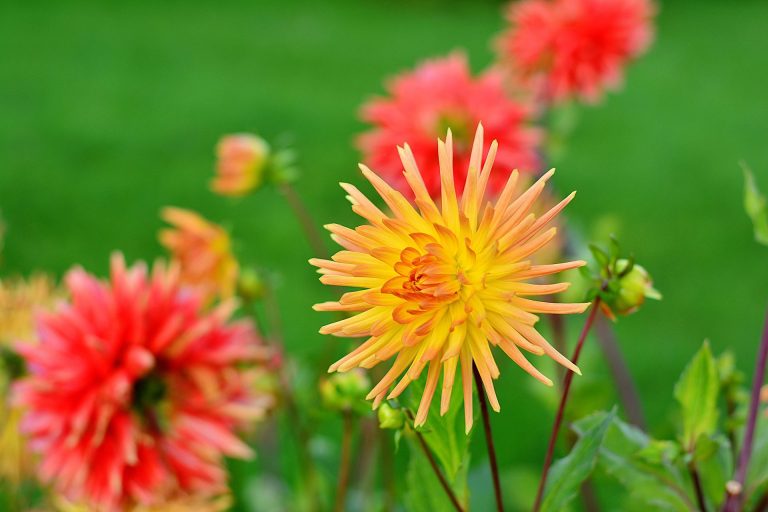
A garden full of color is pure joy. Every petal, hue, and fragrance has the power to lift my spirits and make my outdoor space feel alive. Over the years, I’ve learned that the secret to continuous garden color isn’t luck, it’s planning. With the right mix of perennials, annuals, and care, your garden can deliver an all season bloom that starts in early spring and lasts until the final days of fall.
Start with a Plan for Continuous Garden Color
Keeping your garden in bloom all season long begins with understanding bloom times. Think of your garden as a year-round canvas. Spring plants wake everything up, summer brings rich saturation, and fall provides those warm, glowing tones that close the year beautifully. I like to group plants by bloom period and layer them so something is always taking center stage.
Pay attention to sunlight, soil type, and how your color palette flows from one season to the next. Combine early bloomers with long-flowering perennials and fill gaps with annuals that provide steady color. The result is a landscape that looks fresh, balanced, and full of life no matter the month.
Spring Bloomers: The First Burst of Color

Spring is when everything begins, and I always want my garden to wake up in a blaze of color. This is the season for bulbs, cheerful perennials, and cool-weather favorites that bring hope after winter’s gray.
Tulips (Tulipa spp.)
Nothing says spring quite like tulips. I plant bulbs in the fall, knowing that by early spring they’ll reward me with a brilliant show of color. They come in nearly every shade imaginable, making them perfect for designing coordinated color themes. In areas where deer are a problem, I pair tulips with daffodils for protection.
👉Find Tulip Bulbs Here
Daffodils (Narcissus spp.)
Dependable, cheerful, and totally unfazed by cold weather, daffodils are among my favorite spring perennials. They multiply year after year, are deer-resistant, and bloom right when you need a reminder that warmer days are on the way.
👉Find Daffodil Bulbs Here
Crocus (Crocus spp.)

When crocuses peek through melting snow, I know the gardening season has begun. Their jewel-toned flowers brighten even the dullest beds and naturalize beautifully over time.
👉Find Crocus Bulbs Here
Primrose (Primula spp.)

Primroses love cool weather and partial shade. They’re perfect along paths or at the front of garden borders where their bright petals can be admired up close. With their wide color range, they bring playful garden color early in the year.
👉Find Primula Here
New Favorite: Hellebores (Helleborus spp.)
In recent years, I’ve added hellebores to my spring lineup. They bloom incredibly early, sometimes even in late winter, and their elegant downward-facing flowers keep the garden colorful when almost nothing else dares to bloom.
👉Find Hellebores Here
Late Spring to Early Summer: Building Momentum
As the days grow longer, the garden shifts from delicate pastels to bolder tones. This is the time for structure, texture, and color layers that carry through summer.
Poppy (Papaver spp.)

Poppies are like confetti in the late spring garden. Their paper-thin petals and bold colors make every bed look alive. Although each bloom is fleeting, the plants make up for it with charm and ease of care. To learn more about growing this amazing flower see my post Grow Poppies For A Garden Full of Joy.
👉Find Poppies Here
Foxglove (Digitalis spp.)

Tall, stately foxgloves add vertical beauty to any garden. Their tubular blooms invite hummingbirds and bees, and they often reseed lightly, filling your borders naturally over the years. Check out my post How to Grow Foxglove: Magical Garden Touch to learn more about growing this gorgeous flower.
👉Find Foxglove Here
Lupine (Lupinus spp.)

Lupines add drama with their spires of blue, purple, and pink. They thrive in well-drained soil and actually help improve it by fixing nitrogen. After their first bloom, I cut the spent spikes back to encourage a second flush of flowers later in the season. Learn more about growing Lupine here: How to Grow Lupine: From Seed to Spectacular.
👉Find Lupines Here
New Addition: Columbine (Aquilegia spp.)
Columbine adds whimsical, nodding blooms that attract pollinators in early summer. Modern varieties come in stunning color combinations, making them perfect for bridging the gap between spring bulbs and midsummer perennials.
👉Find Columbine Here
Summer Stars: The Height of the Season
Summer is when my garden truly shines. I focus on hardy, long-blooming perennials that can handle heat and keep the color show going strong.
Lavender (Lavandula spp.)

Lavender is timeless and essential. Its silvery foliage looks good all season, and when the purple flowers open, they fill the air with fragrance. I shear mine lightly after the first bloom, and it rewards me with another wave later in the summer.
👉Find Lavender Here
Coneflowers (Echinacea spp.)

These sturdy favorites bloom from midsummer right through fall. Butterflies and bees love them, and newer varieties now come in pink, orange, red, and white. They’re also drought-tolerant, making them ideal for low-maintenance color.
👉Find Echinacea Here
Hollyhocks (Alcea spp.)

Hollyhocks bring old-fashioned charm to the garden with tall spires of colorful flowers. I let them self-sow where they please, creating natural drifts that look effortless. They are a mid-summer treat in my garden and spring up naturally around our barn.
👉Find Hollyhock Here
Black Eyed Susans (Rudbeckia spp.)

If I had to pick one plant that defines late summer garden color, it would be Rudbeckia. Their golden petals and dark centers brighten borders for months. They’re easy to grow, self-sufficient, and blend perfectly with grasses and asters later in the year.
👉Find Rudbeckia Here
New Favorite: Salvia ‘Caradonna’
This modern cultivar has striking purple stems and deep violet blooms that last from early summer through fall with regular deadheading. It adds height and contrast to mixed borders.
👉Find Salvia Here
Fall Favorites: A Grand Finale of Color
When cooler air moves in and the light softens, I turn to plants that thrive late in the year. These fall bloomers make sure the garden color lasts until frost.
Asters (Aster spp.)

Asters are indispensable for an all season bloom. Their daisy-like flowers in shades of lavender, pink, and blue provide essential nectar for late-season pollinators. They fill the garden just as summer flowers fade.
👉Find Asters Here
Sedum (Sedum spp.)
Sedum, often called stonecrop, is my reliable transition plant. Its fleshy leaves look great in summer, and by late August it bursts into bloom with rosy clusters that deepen to rust-red. Even when dry, the flowers remain attractive through winter.
👉Find Sedum Here
Chrysanthemums (Chrysanthemum spp.)
No fall garden feels complete without mums. Their cheerful blooms come in every color from pumpkin orange to deep burgundy. I plant hardy garden varieties in spring so they have time to establish strong roots before their show-stopping autumn display.
👉Find Chrysanthemums Here
New Favorite: Japanese Anemones (Anemone hupehensis)
 These graceful perennials bloom from late summer through fall, producing delicate white or pink flowers that sway gently in the breeze. They’re perfect companions for asters and ornamental grasses.
👉Find Japanese Anemones Here
Annuals for Instant Impact and Continuous Color
Perennials create the structure, but annuals keep the party going. I love tucking them into gaps or using them in containers for quick, season-long color. Annuals are especially helpful when weather delays or shortens perennial bloom times.
Cleome

Also known as spider flower, cleome adds airy height and texture. Its large blooms last all summer, even in heat and drought. I plant it in sunny spots that need a little drama.
👉Find Cleome Here
Cosmos

Cosmos are effortless charmers. Their feathery foliage and abundant blooms in pink, white, and magenta make them a staple in my cutting garden. Deadheading keeps them producing flowers until frost.
👉Find Cosmos Here
Nicotiana

Nicotiana, or flowering tobacco, adds elegance and fragrance to the evening garden. Its trumpet-shaped blooms attract hummingbirds, and some varieties even tolerate cooler nights late into fall.
👉Find Nicotiana Here
Marigolds

Marigolds are tough, bright, and generous bloomers. They thrive in sun, deter pests, and fill beds with cheerful orange and gold color. I often use them to edge vegetable gardens too.
👉Find Marigolds Here
Milkweed or Asclepia

The annual Asclepias, also known as tropical milkweed (Asclepias curassavica), is a vibrant addition to gardens, with its showy clusters of red, orange, or yellow flowers. Native to the American tropics, this milkweed species attracts a plethora of pollinators, including butterflies and bees, with its abundant nectar reserves.
👉Find Milkweed Here
Nasturtiums

These cheerful trailers bloom all summer and add edible beauty to your garden. Both their peppery leaves and flowers are delicious in salads. They grow best in poorer soils, which makes them both easy and economical. Learn more about growing Nasturtiums here.
👉Find Nasturtiums Here
New Addition: Zinnias
 Zinnias have become one of my favorite modern annuals for nonstop garden color. The newer varieties bloom longer, resist disease, and come in every color from lime green to coral pink. A quick trim midseason keeps them blooming right through fall. You can learn more about growing zinnia in my post Zinnias 101: Planting, Growing, and Loving Them.
👉Find Zinnias Here
Maintenance Tips for All Season Bloom
Even the best plant combinations need regular care to keep the show going. I’ve found that small, consistent tasks make a big difference in extending bloom time and overall garden color.
Watering Wisely
Keep the soil evenly moist but not soggy. Morning watering is best to reduce disease and give plants strength through the day. Drought-tolerant perennials like lavender and coneflowers prefer drier soil, while shallow-rooted annuals may need more frequent watering.
Feed the Soil
Healthy soil equals healthy blooms. I add compost each spring and use a slow-release, balanced fertilizer for steady nutrition. Overfeeding can lead to lush foliage with fewer flowers, so moderation is key.
Pruning and Deadheading
Removing faded flowers keeps plants looking tidy and encourages new growth. I deadhead weekly, especially zinnias, salvias, and marigolds. A quick snip above a healthy leaf node is all it takes to trigger another round of blooms. For a complete guide to deadheading see my guide: Deadheading Flowers: The Garden Hack You Need to Try.
Seasonal Cleanup
As one plant finishes blooming, trim it back and fill the space with something new. Continuous cleanup not only maintains visual appeal but also prevents disease and gives late bloomers room to shine.
Designing for Year-Round Interest
Garden color isn’t just about flowers. I like to think in layers of texture, shape, and foliage tone. Plants like coral bells, ornamental grasses, and hostas add depth even when blooms are sparse. Pair silvery or deep-green leaves with bright flowers for contrast, and mix heights to create movement and rhythm through the garden.
I also use containers to add flexibility. If one bed feels dull midseason, I move a pot of bright annuals nearby to refresh the look instantly.
Final Thoughts
Creating a garden that blooms all season long is a mix of planning, patience, and a little creativity. By combining early, mid, and late-season plants, mixing perennials with annuals, and giving everything proper care, you can enjoy a steady parade of color from spring’s first crocus to autumn’s final mum. Every year brings new favorites and surprises, but one thing remains constant: the joy of stepping outside to find your garden bursting with life.
FAQ – How to Keep Your Garden Blooming All Season Long
How do I plan a garden for color all season?
Group plants by bloom time, choose a mix of perennials and annuals, and fill gaps with foliage plants for texture and year-round interest.
What are the best spring flowers for early garden color?
Tulips, daffodils, hellebores, and crocuses provide vibrant early-season color and are reliable in most climates.
Which perennials bloom longest during summer?
Coneflowers, black-eyed Susans, salvias, and lavender are top choices for continuous summer blooms and pollinator appeal.
How can I extend color into fall?
Plant asters, sedum, mums, and Japanese anemones to keep your garden glowing well into autumn.
What annuals provide nonstop garden color?
Zinnias, marigolds, cosmos, and cleome are low-maintenance annuals that bloom tirelessly all season.
How does deadheading help my garden bloom longer?
Deadheading removes faded flowers, redirecting energy toward new blooms rather than seed production.
Can I keep my garden colorful with minimal maintenance?
Yes. Choose drought-tolerant perennials, amend your soil annually, and focus on low-care plants like sedum and rudbeckia.
How much sunlight do blooming plants need?
Most flowering plants need at least six hours of sun daily, though some spring bloomers like primrose prefer partial shade.
What should I do between bloom cycles?
Feed, prune, and fill gaps with quick-growing annuals. This keeps the garden looking full while new buds form.
Which plants attract pollinators all season?
Lavender, coneflowers, foxgloves, and milkweed offer nectar for bees and butterflies from spring through fall.