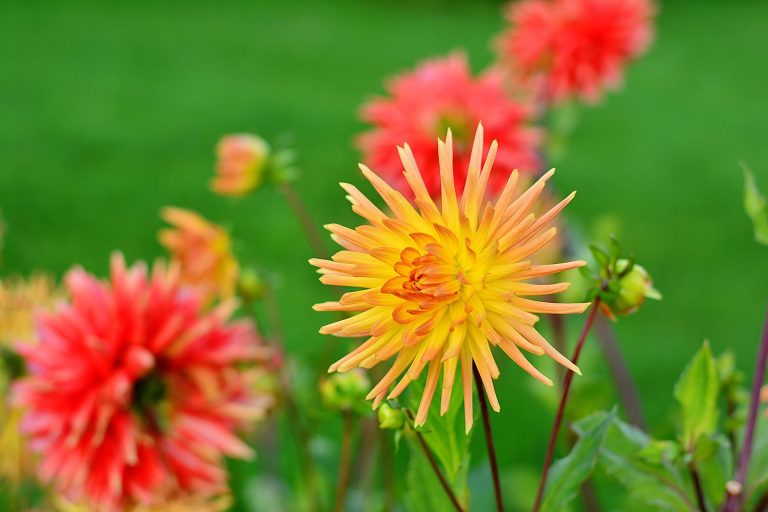
Japanese beetles can turn a thriving summer garden into a ragged mess within days. I’ve walked outside in July and found hollyhock leaves shredded overnight, basil leaves turned into lace, and zinnias covered in metallic green beetles by mid-morning. I’ve learned that staying ahead of them naturally is one of the most important parts of my midsummer garden routine.
The good news is that natural Japanese beetle control really does work when you stay consistent and start early. I don’t rely on harsh chemical sprays that wipe out pollinators along with pests. Instead, I focus on layered organic methods that reduce beetle populations over time while still keeping bees, butterflies, and beneficial insects safe in the garden.
When you understand the habits of Japanese beetles, they are much easier to manage. They are predictable insects with a very specific life cycle, favorite plants, and feeding patterns. Once I started working with nature instead of against it, my garden became healthier and far more resilient during beetle season.
How to Get Rid of Japanese Beetles Fast
 If you want the fastest natural solution, handpicking remains the most effective method I have ever used. It may sound simple, but daily removal makes an enormous difference in reducing population growth before beetles begin attracting larger swarms.
I head into the garden early in the morning while the beetles are sluggish from cooler nighttime temperatures. I carry a bucket filled with soapy water and gently tap the beetles into the container. Once the day heats up, they become much quicker and harder to catch.
I also remove heavily damaged blooms and leaves during outbreaks. Beetles are strongly attracted to feeding activity and damaged plant tissue, so cleaning up affected areas can help slow the cycle. Even spending five minutes each morning removing beetles can dramatically reduce the overall infestation later in the season.
Do Japanese Beetles Bite?
Every summer, gardeners ask the same question: do Japanese beetles bite people? Thankfully, they do not bite, sting, or spread diseases. They are strictly plant pests.
While they are harmless to humans and pets, they can devastate flowers, vegetables, shrubs, and fruit plants surprisingly quickly. Their metallic green and copper coloring may look beautiful at first glance, but their feeding damage is anything but attractive.
I always remind new gardeners not to panic when they see them crawling on plants. They are frustrating, but they are manageable with steady organic control methods.
My Favorite Organic Japanese Beetle Control Methods

After years of trial and error, I have found that combining several methods works far better than relying on one miracle product. Japanese beetle control is really about creating pressure from multiple directions while interrupting their life cycle.
These are the methods I rely on most:
- Daily handpicking
- Beneficial nematodes
- Milky spore treatments
- Neem oil sprays
- Companion planting
- Beetle resistant plants
- Lawn moisture management
- Regular garden inspections
Consistency matters more than perfection. I do not aim for total eradication because that usually is not realistic in active gardening regions. Instead, my goal is keeping populations low enough that plants remain healthy and productive.
I also avoid broad-spectrum insecticides. Those sprays may kill Japanese beetles temporarily, but they can also harm bees, butterflies, ladybugs, lacewings, and other beneficial insects that help support a balanced garden ecosystem.
How to Control Japanese Beetle Grubs Naturally
 Grub control is one of the most effective long-term strategies for anyone dealing with recurring infestations every summer. I strongly prefer organic grub control methods because they work beneath the soil without disrupting the rest of the garden ecosystem.
The two most popular natural options are beneficial nematodes and milky spore. Both target grubs underground, but they work very differently.
Beneficial Nematodes
Beneficial nematodes are microscopic organisms that actively hunt and kill grubs in the soil. Once applied, they enter the grub and release bacteria that quickly eliminate the pest.
I like nematodes because they begin working fairly quickly. They are especially useful when grub populations are already high and immediate reduction is needed. I usually apply them during warm weather when soil moisture remains consistent, since dry soil reduces their effectiveness.
Nematodes can target several types of soil pests beyond Japanese beetles, which makes them a versatile garden tool. The downside is that they may need periodic reapplication because they usually do not establish permanently in the soil.
👉 Find Beneficial Nematodes Treatment Here
Milky Spore
Milky spore is a naturally occurring bacteria that specifically targets Japanese beetle grubs. Unlike nematodes, milky spore works more slowly and often takes a few years to fully establish in the soil.
What makes milky spore appealing is its long-term potential. Once established, it can continue suppressing Japanese beetle grub populations for many years with minimal maintenance. I think of it as a gradual investment in future garden health rather than a quick fix.
Milky spore works best in regions with consistently high Japanese beetle populations. In colder climates or areas with lower infestations, results may vary more from year to year.
👉 Find Milky Spore Treatment Here
Which Is Better, Nematodes or Milky Spore?
When gardeners ask me whether nematodes or milky spore is better, I usually explain that the answer depends on their goals.
If you want faster results and broader pest control, beneficial nematodes are often the better choice. They begin working relatively quickly and can reduce active grub populations within the same season.
If you are focused on long-term suppression and are willing to wait for results, milky spore can provide multi-year control once it becomes established.
I think the best outcome is from combining both approaches when infestations are severe. I use nematodes for quicker short-term reduction while allowing milky spore to establish gradually for future protection.
Neem Oil for Japanese Beetles
Neem oil has become one of my favorite tools for natural pest control because it works without creating widespread damage to pollinators when used properly. Neem oil disrupts feeding and reproduction, making it harder for Japanese beetles to continue damaging plants.
When I use neem oil for Japanese beetles, I spray in the evening after pollinators have become less active. I focus on coating the foliage thoroughly, especially underneath leaves where beetles often gather during hot afternoons. Calm weather helps reduce accidental drift onto nearby flowers.
Neem oil works best when infestations are still manageable. If plants are already covered with dozens of beetles, I combine neem oil with handpicking and physical removal for better results. I also avoid spraying open blooms whenever possible to help protect visiting bees.
👉 Find Neem Oil Treatment Here
What Plants Attract Japanese Beetles the Most?

Some plants act almost like magnets for Japanese beetles. If you grow these favorites, it becomes extremely important to monitor them closely beginning in late June.
The plants I see attacked most often include:
- Roses
- Zinnias
- Dahlias
- Basil
- Grapes
- Hibiscus
- Hollyhocks
- Raspberries
- Beans
I still grow many of these plants because I love them too much to give them up completely. Instead, I spread them throughout the garden rather than clustering them together. This helps reduce concentrated feeding zones that can attract larger swarms.
Checking susceptible plants several times a week allows me to catch infestations early before serious damage develops.
Beetle Resistant Plants Worth Growing

One of the smartest ways I naturally reduce Japanese beetle damage is by mixing resistant plants throughout my flower beds. Resistant varieties help break up feeding patterns and reduce the number of heavily targeted areas in the garden.
Some of my favorite beetle resistant plants include:
- Lavender
- Salvia
- Catmint
- Dusty miller
- Ferns
- Begonias
- Yarrow
These plants are not completely immune during severe outbreaks, but they generally stay much cleaner through summer than highly susceptible flowers. I especially love using lavender and catmint because they also attract pollinators while helping create texture and fragrance throughout the garden.
Mixing resistant plants among vulnerable flowers creates a more balanced planting design overall.
Should You Use Japanese Beetle Traps?
Japanese beetle traps are one of the most debated garden products for good reason. They absolutely catch beetles, but they can also attract more beetles into your yard than you originally had.
I only recommend traps if they are placed well away from flower beds and vegetable gardens. Hanging traps beside roses or zinnias can accidentally increase damage nearby.
In smaller gardens, I would skip traps entirely and focus on direct removal instead. For larger properties, traps positioned far from valuable plants may help reduce population pressure somewhat.
Understanding the Japanese Beetle Life Cycle

Learning the beetle life cycle completely changed how I approach prevention. Adult beetles emerge in early summer and begin feeding almost immediately. After mating, females lay eggs in moist lawn soil.
Those eggs hatch into white grubs that feed underground on grass roots during late summer and fall. The grubs overwinter in the soil before becoming active again during spring. By early summer, they pupate and emerge as adult beetles ready to repeat the cycle.
This is why treating grubs can dramatically reduce future beetle populations. If you only focus on adult beetles, you are missing a major opportunity for long-term control.
Why Japanese Beetles Become Such a Big Problem
Japanese beetles are aggressive feeders that attack more than 300 plant species. Their favorite targets often include roses, zinnias, grapes, basil, hibiscus, beans, dahlias, and hollyhocks. They feed in groups, which is why damage can escalate so quickly once the first beetles arrive.
One of the biggest reasons infestations explode is because feeding beetles release pheromones that attract even more beetles to the same plant. I have watched a perfectly healthy rose bush go from untouched to completely swarmed within a day or two. That is why early intervention matters so much when learning how to get rid of Japanese beetles effectively.
The adults usually emerge between late June and August depending on your climate. Warm weather speeds up their activity, especially during sunny afternoons. By the height of summer, they can seem relentless if you are not staying ahead of the problem.
Lawn Care Tips That Help Prevent Japanese Beetles
Overwatering lawns creates ideal conditions for egg laying. Female beetles prefer moist soil when selecting places to deposit eggs, so constantly saturated lawns can encourage larger grub populations.
If you water your lawn do it less frequently but more deeply. This encourages stronger root growth while making the lawn less inviting for egg laying during peak beetle season.
Adding compost also improves soil health and microbial activity naturally. Healthier soil often supports stronger plants that recover faster from both grub and beetle damage.
Avoid excessive nitrogen fertilizer during summer because lush tender growth tends to attract more pests overall.
Companion Plants That May Help Repel Beetles

Companion planting has become one of my favorite ways to support natural pest management. Strongly scented herbs and flowers may help confuse or deter Japanese beetles around vulnerable plants.
I often tuck chives, marigolds, tansy, and mint in my flower beds. These plants also attract beneficial insects, which helps create a healthier overall garden environment.
Companion planting alone will not eliminate infestations completely, but it absolutely strengthens a broader organic control plan. I also love how these combinations make flower beds feel fuller, softer, and more natural looking during summer.
Diverse gardens almost always perform better than monocultures when pest pressure increases.
Why Early Intervention Matters So Much
The gardeners who struggle most with Japanese beetles are usually the ones who wait too long to act. Once beetles begin feeding heavily, they release aggregation pheromones that attract even more beetles into the area.
I inspect vulnerable plants several times a week starting in late June. Catching the first wave early often prevents those massive midsummer explosions that strip plants almost overnight.
Even simple daily habits make a huge difference. Five minutes of handpicking every morning can save hours of frustration later in the season.
Final Thoughts on Japanese Beetle Control

Learning how to get rid of Japanese beetles naturally completely changed the way I approach summer gardening. Instead of reacting with panic every July, I now focus on prevention, consistency, and building a healthier garden ecosystem overall.
Handpicking remains my first line of defense because it works immediately and protects pollinators at the same time. From there, I strengthen my strategy with neem oil, grub control, companion planting, resistant flowers, and smarter lawn care practices.
Japanese beetles may never disappear entirely, but they absolutely can be managed naturally without drenching your garden in harsh chemicals. Small daily actions add up quickly during beetle season.
If Japanese beetles return to your garden every year, start your prevention plan early this season. A little effort in late June can protect your flowers, vegetables, and shrubs for the rest of summer.
And if you have discovered a natural Japanese beetle control method that works especially well in your own garden, I would love to hear about it in the comments.
Frequently Asked Questions About Japanese Beetles
How do you get rid of Japanese beetles naturally?
The best natural methods include handpicking, neem oil sprays, beneficial nematodes, milky spore, companion planting, and regular monitoring throughout summer.
What is the fastest way to get rid of Japanese beetles?
Handpicking beetles into soapy water early in the morning remains one of the fastest and safest methods for immediate control.
Does neem oil kill Japanese beetles?
Neem oil disrupts feeding and reproduction, helping reduce Japanese beetle populations over time when applied consistently.
Do Japanese beetles bite humans?
No, Japanese beetles do not bite or sting people. They only feed on plants.
What plants attract Japanese beetles the most?
Roses, zinnias, grapes, basil, hibiscus, raspberries, beans, and dahlias are some of their favorite plants.
Are Japanese beetle traps worth using?
Traps can work if placed far away from gardens, but traps placed too close to plants may attract additional beetles into the area.
How often should I spray neem oil for Japanese beetles?
Most gardeners reapply neem oil every seven to ten days, especially after rainfall.
What kills Japanese beetle grubs naturally?
Beneficial nematodes and milky spore are two of the most popular organic grub control methods.
When do Japanese beetles appear each year?
Adult Japanese beetles usually emerge between late June and August depending on weather and climate conditions.
Can plants recover from Japanese beetle damage?
Many healthy plants recover surprisingly well if infestations are caught early and feeding damage is reduced quickly.