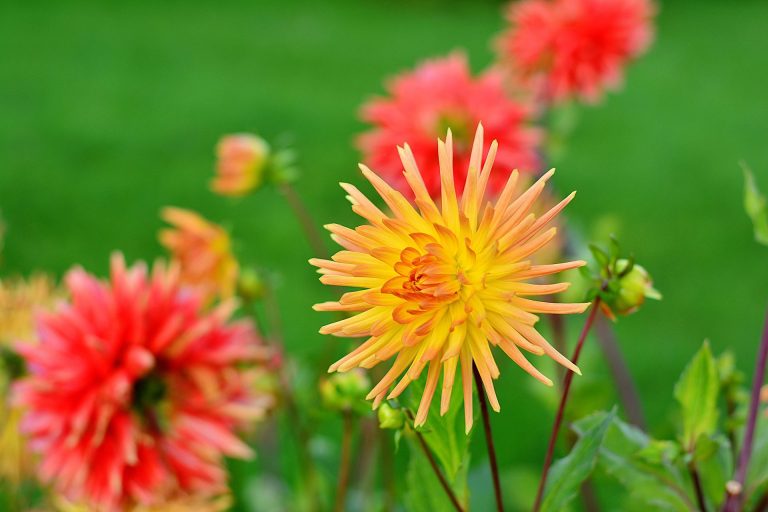
Monarda Bee Balm: A Garden Gem
Monarda Bee Balm, with its vibrant blooms and aromatic foliage, is a true gem for any garden. Its lush, spiky flowers burst forth in shades of red, pink, purple, and white, creating a mesmerizing display that can transform even the most modest patch of earth into a botanical spectacle. The allure of Bee Balm extends beyond its visual appeal; its fragrance is equally captivating, a delightful mix of mint and oregano that infuses the garden with a sense of tranquility and freshness.
Why Monarda is a Must-Have for Pollinator Gardens
 Pollinators adore Monarda, making it an essential addition to any garden aimed at supporting these vital creatures. Bees, butterflies, and hummingbirds are irresistibly drawn to its nectar-rich blooms. As pollinators flit from flower to flower, they help fertilize plants, ensuring the production of seeds and fruits. By planting Monarda, you’re not only enhancing the beauty of your garden but also playing a crucial role in sustaining the ecosystem.
A Splash of Color: The Visual Appeal of Bee Balm
Monarda’s vivid blooms provide a striking splash of color that can enliven any garden. The flowers, which resemble fireworks, burst forth from dense clusters of aromatic foliage. This perennial plant offers a prolonged blooming period, ensuring that your garden remains a vibrant haven for pollinators throughout the summer months. Whether used as a border plant or a centerpiece, Bee Balm’s flamboyant colors are sure to attract attention.
Understanding Monarda: A Botanical Overview
 Monarda, commonly known as Bee Balm, belongs to the mint family (Lamiaceae). Native to North America, this hardy perennial thrives in a variety of climates and soil conditions. Its botanical characteristics include square stems, opposite leaves, and tubular flowers that form in dense whorls. The foliage, when crushed, emits a distinctive aroma, further enhancing its appeal. Monarda’s ability to attract pollinators while adding aesthetic value makes it a beloved plant among gardeners.
Bee Balm Basics: Varieties to Consider
There are several varieties of Monarda, each offering unique characteristics. Here are my sources for the different varieties of Bee Balm:
- Monarda didyma Mix: Known for its bright red flowers along with pink, white and purples. Here is a source for only red Monarda.
- Monarda fistulosa (Wild Bergamot): Features lavender to pink blooms.
- Monarda citriodora (Lemon Bee Balm): Has a citrusy fragrance and pale purple flowers.
- Monarda punctata (Spotted Bee Balm): Recognized by its yellow flowers with purple spots.
Choosing the right variety depends on your garden’s aesthetic and ecological goals.
Choosing the Right Monarda for Your Garden
 When selecting Monarda for your garden, consider factors such as bloom color, plant height, and fragrance. Scarlet Bee Balm adds a bold splash of red, while Wild Bergamot’s lavender hues offer a more subdued elegance. Lemon Bee Balm’s citrus scent is a refreshing addition to any garden, and Spotted Bee Balm’s unique coloration can serve as a conversation starter. Choose varieties that complement your existing plants and cater to the specific needs of your local pollinators.
The Power of Pollinators: How Bee Balm Attracts Beneficial Insects
 Bee Balm’s tubular flowers are perfectly designed for pollinators. Their shape allows easy access to nectar for long-tongued bees and butterflies. The plant’s vibrant colors act as a beacon, drawing pollinators from far and wide. By providing a steady source of nectar, Monarda supports the health and proliferation of bees, butterflies, and hummingbirds, making it a cornerstone of any pollinator-friendly garden.
Preparing Your Garden: Soil and Site Selection
To ensure the success of your Bee Balm, it’s essential to choose the right location and prepare the soil properly. Monarda thrives in well-draining soil rich in organic matter. Select a site that receives full sun to partial shade. Before planting, amend the soil with compost or well-rotted manure to enhance fertility and structure. Proper soil and site preparation lay the foundation for healthy, vigorous plants.
Sunshine and Shade: Finding the Perfect Spot for Monarda
Monarda prefers a location that receives at least six hours of direct sunlight daily. However, it can tolerate partial shade, especially in hotter climates where some afternoon shade can prevent heat stress. Finding the right balance of sun and shade ensures that your Bee Balm will thrive, producing abundant blooms and robust foliage.
Soil Preparation: Creating a Nutrient-Rich Bed
 Creating a nutrient-rich bed for your Bee Balm involves more than just basic tilling. Remove any weeds and debris from the planting area. Incorporate organic matter, such as compost or aged manure, to improve soil structure and fertility. If your soil is heavy clay or sandy, amend it with additional organic material to enhance drainage and moisture retention. This thorough preparation will provide a hospitable environment for your Bee Balm to flourish.
Starting from Scratch: Sowing Bee Balm Seeds
Growing Bee Balm from seed is not difficult. Start by selecting high-quality seeds from a reputable supplier. For best results, sow the seeds indoors 8-10 weeks before the last expected frost. Use a seed-starting mix and plant the seeds just below the surface. Maintain consistent moisture and warmth until germination occurs. For more information on how to start seeds, check out my post here.
Indoor Starts vs. Direct Sowing: Pros and Cons
Starting Bee Balm seeds indoors allows for a controlled environment and an early start to the growing season. This method is ideal for regions with short growing seasons. Direct sowing, on the other hand, mimics natural conditions and can be more convenient. It also avoids the potential for transplant shock. Both methods have their advantages, so choose the one that best suits your gardening style and climate.
Step-by-Step Guide to Sowing Bee Balm Seeds
- Prepare Soil: Ensure the soil is loose, well-draining, and enriched with organic matter.
- Sow Seeds: Plant seeds just below the surface and cover lightly with soil.
- Water Gently: Keep the soil consistently moist but not waterlogged.
- Thin Seedlings: Once seedlings emerge, thin to 12-18 inches apart to prevent overcrowding.
- Monitor Growth: Protect seedlings from pests and extreme weather.
Nurturing Your Seedlings: From Germination to Growth
 Once your Bee Balm seeds have germinated, it’s crucial to nurture the young seedlings. Ensure they receive ample light and maintain consistent moisture. As they grow, gradually acclimate them to outdoor conditions by placing them outside for a few hours each day. This hardening-off process prepares them for the transition to the garden.
Watering Wisdom: Keeping Your Bee Balm Happy
Watering Bee Balm requires a balance of moisture. Deep soaking encourages strong root development, while overwatering can lead to root rot. Water deeply but infrequently, allowing the soil to dry slightly between waterings. Mulching around the base of the plants helps retain moisture and regulate soil temperature.
Feeding Frenzy: Fertilizing for Fabulous Blooms
Bee Balm benefits from periodic fertilization, but it’s essential to avoid overfeeding. Use a balanced fertilizer in early spring and mid-summer to support growth and blooming. Organic options, such as fish emulsion or compost tea, provide gentle nourishment without the risk of over-fertilizing. Proper feeding results in lush foliage and abundant blooms.
Transplanting Triumphs: Moving Bee Balm Outdoors
Wait until the seedlings have at least two sets of true leaves and outdoor temperatures are stable. Choose a cool, overcast day to minimize transplant shock. Dig a hole slightly larger than the root ball, gently place the seedling in the hole, and backfill with soil. Water thoroughly to settle the soil around the roots.
Caring for Growing Monarda: Essential Tips

Consistent care is essential for maintaining healthy Bee Balm plants. Mulch around the base to retain moisture and suppress weeds. Deadhead spent blooms to encourage continuous flowering. Monitor for pests and diseases, and take action promptly to address any issues. Providing support for taller varieties prevents wind damage and keeps your garden looking neat.
Pruning and Deadheading: Encouraging Continuous Blooms
Pruning and deadheading Bee Balm encourage a longer blooming season and prevent the plant from becoming leggy. Remove spent flowers by cutting the stem just above a leaf node. This practice stimulates the plant to produce more blooms. In late fall, cut back the entire plant to about 6 inches above the ground to promote healthy growth in the spring.
Pest Patrol: Protecting Bee Balm from Common Threats
Bee Balm is generally hardy, but it can fall prey to pests and diseases. Common pests include aphids, spider mites, and powdery mildew. Regularly inspect your plants and treat infestations promptly with organic insecticides or insecticidal soap. Proper spacing and good air circulation help prevent powdery mildew, a common fungal disease.
The Blooming Season: What to Expect and When
 Bee Balm typically blooms from mid-summer to early fall. The exact timing can vary depending on the variety and growing conditions. During the blooming season, expect a riot of color and a flurry of pollinator activity. Regular deadheading can extend the blooming period, ensuring your garden remains vibrant for as long as possible.
Harvesting Bee Balm: Tips for Future Gardens
Harvesting Bee Balm is a simple process that can benefit future gardens. Allow some flowers to go to seed and collect the seeds for future planting. Harvest leaves and flowers for culinary and medicinal uses. Cut stems in the morning when essential oils are at their peak for the best flavor and aroma.
Drying and Storing Bee Balm for Tea and Crafts
Drying Bee Balm preserves its flavor and fragrance for use in teas, potpourri, and crafts. Harvest leaves and flowers, then bundle and hang them in a dark, well-ventilated area. Once dry, store in airtight containers away from direct sunlight. Properly dried Bee Balm retains its aromatic qualities and can be enjoyed year-round.
Revitalizing Your Garden: Dividing and Propagating Bee Balm
Dividing Bee Balm every few years keeps plants vigorous and prevents overcrowding. In early spring or fall, dig up the plant and gently separate the root clumps. Replant divisions at the same depth, and water thoroughly. Propagating Bee Balm through division is an easy way to expand your garden and share plants with friends.
Creating a Pollinator Paradise: Designing Your Garden with Monarda
 Designing a garden with Monarda involves thoughtful placement and companion planting. Create clusters of Bee Balm to attract pollinators and provide a visually stunning display. Integrate a variety of plants to offer continuous blooms and diverse nectar sources. Consider the needs of local pollinators and aim to create a habitat that supports their lifecycle.
Conclusion: Enjoying the Beauty and Benefits of Monarda Bee Balm in Your Garden
Monarda Bee Balm is more than just a plant; it’s a vibrant addition that brings color, fragrance, and ecological benefits to your garden. By cultivating Bee Balm, you create a pollinator paradise that supports essential insects and enhances the biodiversity of your garden.
Monarda Bee Balm: FAQ
Why is Monarda a must-have for pollinator gardens?
Monarda attracts bees, butterflies, and hummingbirds with its nectar-rich blooms. These pollinators help fertilize plants, ensuring the production of seeds and fruits, which is crucial for sustaining the ecosystem.
What are the botanical characteristics of Monarda Bee Balm?
Monarda, or Bee Balm, belongs to the mint family (Lamiaceae). It has square stems, opposite leaves, and tubular flowers that form in dense whorls. When crushed, its foliage emits a distinctive aroma.
What varieties of Monarda are available?
Popular varieties include:
- Monarda didyma (Scarlet Bee Balm): Bright red flowers.
- Monarda fistulosa (Wild Bergamot): Lavender to pink blooms.
- Monarda citriodora (Lemon Bee Balm): Citrus fragrance with pale purple flowers.
- Monarda punctata (Spotted Bee Balm): Yellow flowers with purple spots.
How does Monarda attract beneficial insects?
Monarda’s tubular flowers are designed for pollinators, allowing easy access to nectar for long-tongued bees and butterflies. Its vibrant colors act as a beacon for pollinators.
What are the ideal soil and site conditions for planting Monarda?
Monarda thrives in well-draining soil rich in organic matter. Choose a site with full sun to partial shade. Amend the soil with compost or well-rotted manure before planting.
How much sunlight does Monarda Bee Balm need?
Monarda prefers at least six hours of direct sunlight daily but can tolerate partial shade, especially in hotter climates.
How should I prepare the soil for planting Monarda?
Remove weeds and debris, incorporate organic matter to improve soil structure, and amend heavy clay or sandy soil with additional organic material to enhance drainage and moisture retention.
Can I grow Bee Balm from seeds?
Yes, you can grow Bee Balm from seeds. Sow seeds indoors 8-10 weeks before the last expected frost or directly sow them in the garden. Ensure consistent moisture and warmth until germination.
What are the pros and cons of indoor starts vs. direct sowing for Bee Balm seeds?
Starting seeds indoors offers a controlled environment and an early start, ideal for short growing seasons. Direct sowing mimics natural conditions and avoids transplant shock. Choose the method that best suits your gardening style and climate.
How should I water Bee Balm plants?
Water deeply but infrequently, allowing the soil to dry slightly between waterings. Deep soaking encourages strong root development, while overwatering can lead to root rot.
What type of fertilizer should I use for Bee Balm?
Use a balanced fertilizer in early spring and mid-summer. Organic options like fish emulsion or compost tea are ideal as they provide gentle nourishment without the risk of over-fertilizing.
When and how should I transplant Bee Balm seedlings?
Transplant when seedlings have at least two sets of true leaves and outdoor temperatures are stable. Choose a cool, overcast day to minimize transplant shock, dig a hole larger than the root ball, place the seedling, and water thoroughly.
How do I protect Bee Balm from pests and diseases?
Inspect plants regularly and treat infestations promptly with organic insecticides or insecticidal soap. Ensure proper spacing and good air circulation to prevent powdery mildew.
When does Bee Balm typically bloom?
Bee Balm typically blooms from mid-summer to early fall. The exact timing can vary depending on the variety and growing conditions. Regular deadheading can extend the blooming period.
How do I divide and propagate Bee Balm?
Divide Bee Balm every few years in early spring or fall. Dig up the plant, gently separate the root clumps, replant the divisions at the same depth, and water thoroughly. This method helps keep plants vigorous and prevents overcrowding.
What wildlife does Monarda attract?
Monarda attracts bees, butterflies, and hummingbirds with its nectar-rich blooms, enhancing the biodiversity of your garden.