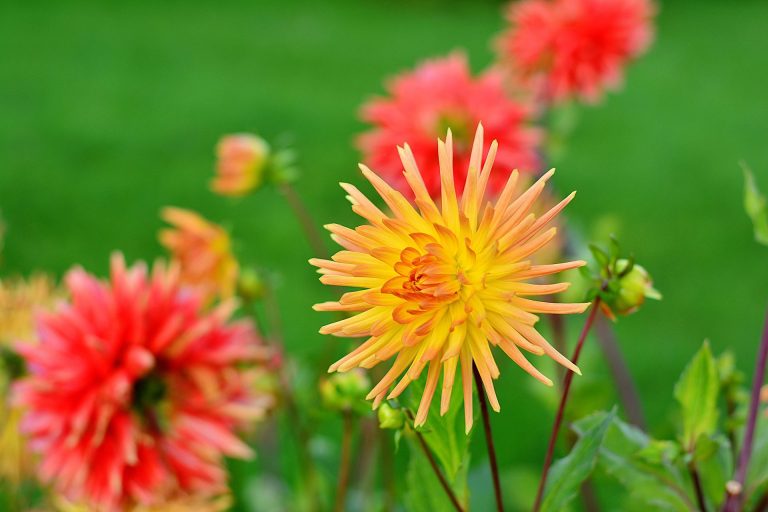
Japanese anemones bring a calm elegance to my late season garden, and every year I look forward to their airy blooms rising above the fading summer color. They glow in soft shades of white, pink, and rose, and they always seem to float in the breeze with an effortless charm. These plants shine when many others are winding down, which makes them such dependable anchors for fall borders.
In this guide I will share my favorite varieties, how I grow them in my zone 5 garden, and simple tips to keep them thriving year after year. Whether you want a soft cottage look or a graceful woodland feel, Japanese anemones can bring that gentle autumn magic to your beds and borders.
If you are curious about the spring blooming varieties, I wrote a separate post called Anemone Flower Magic for Your Spring Garden. It explores the vibrant spring types that pair beautifully with the late season Japanese anemones you see here.
Meet the Fall Garden’s Best Kept Secret
 Every year, as September settles in, I notice how quickly other flowers begin to bow out. Japanese anemones rise to the moment instead. Their petals unfurl with fresh energy, creating pockets of soft pinks, creams, and whites against the richer greens of fall foliage. They never feel heavy or tired. Instead, they look bright and lively, which makes the rest of the garden feel refreshed.
This ability to shine when other plants fade is what makes them such a reliable star. They hold their blooms for weeks, which prolongs the season in the most beautiful way. They also provide structure at a time when many borders look a bit thin. For gardeners who want a late season lift, Japanese anemones are a treasure.
Types of Japanese Anemones You’ll Love
Japanese anemones come in a range of shapes and styles. Some carry simple single petals that feel clean and classic. Others present semi double blossoms that bring extra fullness and texture. Their colors can vary from crisp white to gentle pink, lavender, or rose. Every variety adds its own personality, which makes them easy to tailor to the mood of your garden.
There is something delightful about choosing among these subtle differences. Some varieties feel airy and romantic. Others make a bolder statement with saturated hues. No matter which ones you choose, Japanese anemones bring consistent beauty and movement to late season beds.
Japanese Anemone Honorine Jobert
 Japanese Anemone Honorine Jobert is the variety to reach for when you want pure simplicity in the garden. Her bright white petals and sunny yellow centers glow as the light softens toward evening. This variety grows with a naturally elegant posture, which makes it perfect for borders that need clarity and brightness late in the season. It has been a beloved choice for more than a century because it performs with dependable grace.
 Buy Japanese Anemone Honorine Jobert Here
 Buy Japanese Anemone Honorine Jobert Here
Japanese Anemone Queen Charlotte
 Japanese Anemone Queen Charlotte brings a soft rose pink that adds warmth to autumn borders. The petals are slightly ruffled, giving each bloom a gentle, feminine look. I appreciate this variety because it carries an uplifting tone just when the garden begins to lean toward deeper colors. Queen Charlotte grows tall and sturdy, which allows the flowers to rise above surrounding plants with a graceful lift.
This variety pairs nicely with ornamental grasses and deeper toned plants. I often use it in cottage style gardens because the color blends so naturally with other fall bloomers. Queen Charlotte is also a reliable performer that returns with enthusiasm each year. Its soft color and steady blooming habit make it a favorite for many gardeners.
Buy Japanese Anemone Queen Charlotte Here
Japanese Anemone Serenada
 Japanese Anemone Serenada offers lovely semi double petals that create a more layered appearance. The flowers have a sweet blush tone that feels gentle but still eye catching. I enjoy Serenada because it balances elegance with a bit of fullness, which gives mixed borders a soft, billowy effect. The blooms stand up well on their stems and remain attractive even as the weather cools.
Buy Japanese Anemone Serenada Here
Japanese Anemone Bressingham Glow
 Japanese Anemone Bressingham Glow brings deeper rose pink blooms that show up beautifully in low light. I love using this variety near paths and seating areas because its saturated color draws the eye, especially late in the day. The flowers have a vibrant intensity that feels cheerful without overpowering surrounding plants. Its color and shape make it a standout for gardeners who want a bit more drama in the fall garden.
Bressingham Glow also has a dependable growth habit, forming strong clumps that bloom generously. It complements grasses, dark foliage plants, and autumn toned shrubs. When I want to give my borders more presence in September and October, this variety consistently provides that extra spark of color.
Buy Japanese Anemone Bressingham Glow Here
Japanese Anemone Mix
 Japanese Anemone Mix is a fun and practical option for gardeners who enjoy variety. A mix typically includes colors ranging from white to soft pink to medium rose tones. I enjoy planting mixes in drifts because they create a natural, meadow like feeling as the different colors move with the breeze. They also allow gardeners to experience several favorite forms at once.
This approach works well for larger borders or areas where you want the flowers to feel spontaneous. Mixes tend to bloom over a long period, which keeps the display fresh and lively. If you enjoy a more relaxed planting style, a mix brings playful diversity that always feels charming in the autumn garden.
Buy Japanese Anemone Mix Here
Japanese Anemone Prince Henry
 Japanese Anemone Prince Henry is a bold and cheerful variety with bright semi double magenta petals. It stands out even from a distance, which makes it a great choice for gardeners who love vivid fall color. I appreciate how Prince Henry adds richness to borders that need energy during the shift into autumn. The blooms are generous, and the color remains vibrant throughout the season.
This variety grows with strength and forms solid clumps that return each year. Prince Henry looks beautiful with low mounding perennials, dark foliage, and ornamental grasses. Its lively color makes it a standout for gardeners who want Japanese anemones with a bit more presence. It is one of the most cheerful fall flowers I grow.
Buy Japanese Anemone Prince Henry Here
When Do Japanese Anemones Bloom
Japanese anemones typically begin blooming in late summer and continue well into October. Their timing is one of my favorite things about them. Just when the summer garden starts to look tired, these flowers step in with refreshing energy. Their season bridges the gap between summer and winter, which keeps the garden vibrant longer.
This reliable bloom time also makes them valuable in mixed borders. Place them between earlier blooming perennials to keep the display interesting throughout the year. Their long season and steady flowering habit make them an essential part of my fall lineup.
Where to Plant Japanese Anemones for Best Results
 Japanese anemones thrive in partial sun, especially areas that receive gentle morning light and shade later in the day. This balance keeps their roots cool and their blooms bright. I have had great success placing them along woodland edges, beneath tall shrubs, and in north facing borders. They love spots where light and shade trade places throughout the day.
Their natural grace makes them suitable for both formal and informal plantings. They adapt well to cottage style borders, naturalistic gardens, or more refined layouts. Once they find a comfortable home, they tend to settle in and grow beautifully.
Soil Tips for Happy Anemones
Rich, well drained soil with generous organic matter is ideal for Japanese anemones. They like soil that stays consistently moist but never soggy. I always work compost or leaf mold into the planting area because it improves texture and supports healthy root development.
Well prepared soil results in stronger plants and more abundant blooms. Even though Japanese anemones can adapt to average soil, they truly flourish when given a nutrient rich foundation. If the soil drains too quickly, adding additional organic matter helps retain moisture in a gentle, balanced way.
How to Plant Japanese Anemones in the Garden
 When planting Japanese anemones, I dig a hole that is twice as wide as the root ball. I set the crown level with the soil surface, backfill gently, and press the soil to remove air pockets. Once planted, I water the area thoroughly to help the roots settle. A layer of mulch keeps the soil moist and prevents weeds from competing.
This careful planting method encourages quick establishment. Japanese anemones grow from rhizomes, so giving them room to spread improves long term performance. A little attention at planting time sets them up for many years of healthy growth.
Watering and Feeding Your Anemones
Young plants appreciate even moisture while they establish. Once mature, Japanese anemones are fairly forgiving about water needs, although they still grow best in soil that does not dry out completely. I check moisture during hot, dry periods to keep them comfortable.
In spring, you can apply a slow release fertilizer to encourage vigorous growth. Avoiding heavy feeding prevents stems from becoming floppy. With the right balance, Japanese anemones remain sturdy and upright through the season.
Support and Staking, Keeping Them Upright
Most Japanese anemone varieties stand tall without help, but some taller types benefit from early support in windy gardens. I prefer to add discreet stakes or rings while the plants are still small. This way, the foliage grows around the support and keeps it hidden.
Supporting them early preserves their natural shape. It also prevents stems from bending during storms. Thoughtful staking gives taller varieties the chance to shine without interrupting the flow of your garden design.
Do Japanese Anemones Spread
Japanese anemones do spread over time through creeping rhizomes. This trait can be an asset or a challenge depending on your planting area. In the right spot, they form beautiful drifts that look natural and effortless. If you want to keep them contained, plant them in defined spaces or divide the clumps every few years.
Dividing them helps maintain vigorous growth and keeps the patch looking tidy. I often share divisions with friends or move them to new areas of the garden. Their steady spread makes them perfect for natural borders.
Companion Plants That Pair Beautifully
Japanese anemones mingle gracefully with a wide range of fall plants. Pairing them with asters, sedums, and ornamental grasses will look lovely. The feathery plumes of Miscanthus add movement, while the rich purples of Aster novae angliae provide striking contrast. These combinations create a layered, textured look that suits the season perfectly.
They also partner well with evergreen shrubs. The contrast between glossy foliage and soft petals is especially lovely. Whether you prefer bold pairings or gentle harmonies, Japanese anemones add depth and dimension to mixed plantings.
Design Ideas Using Japanese Anemones
Planting Japanese anemones along a path creates a romantic, inviting atmosphere. Their light, airy blooms soften hard edges and encourage you to wander through the garden. I enjoy placing them near benches or seating areas where their movement is easy to appreciate.
They also make stunning mass plantings. A sweep of Japanese anemones across a border brings a painterly quality to late season displays. If you enjoy mixed textures, try combining them with hydrangeas, monkshood, and tall grasses for a garden vignette that celebrates fall.
Growing in Containers, Can It Be Done
Japanese anemones can grow in containers as long as the pot is deep and has excellent drainage. I would choose a rich potting mix and water consistently to keep moisture balanced. Container grown plants may be less vigorous, but they still offer beautiful blooms.
Winter protection is important for potted plants. Insulating the pot or moving it to a sheltered spot helps the rhizomes survive cold weather. For gardeners with limited space, container planting is a charming way to enjoy these elegant flowers.
Pests and Problems to Watch For
Japanese anemones are generally trouble free. Powdery mildew may appear in crowded or humid conditions, so good airflow is helpful. Slugs or caterpillars may nibble now and then, but serious damage is rare.
Healthy soil and thoughtful spacing prevent most issues. I find them to be one of the easier fall blooming perennials to maintain. Their resilience is another reason I rely on them year after year.
Are Japanese Anemones Deer Resistant
 One of the best things about Japanese anemones is that deer tend to leave them alone. This makes them a favorite for gardeners in rural or wooded areas. Their foliage is not appealing to deer, so the plants usually remain untouched even when other perennials get sampled.
Having a reliable deer resistant flower for fall brings peace of mind. I appreciate knowing that my autumn borders will look just as I planned.
Winter Prep and Seasonal Care
As winter approaches, cut Japanese anemone stems back to the soil after the first frost. A light mulch helps protect the crown during cold weather. In mild climates, the foliage may remain partially evergreen. Either way, the plants rest over the winter and return strong in spring.
This simple seasonal routine keeps them healthy and productive. With just a little care, they come back bigger and better each year.
Dividing and Propagating Your Plants
Japanese anemones can be divided in early spring or late fall. Lifting and dividing helps control their spread and rejuvenates older clumps. Each division should have strong roots and at least a few shoots.
Sharing divisions is a lovely way to pass on their beauty. They establish quickly and continue to thrive for years.
Japanese Anemones for Pollinator Friendly Gardens
Bees and butterflies flock to Japanese anemones because the open flowers provide easy access to nectar. In late summer and early fall, pollinators appreciate the extra food source. Adding Japanese anemones to your garden supports wildlife and extends the feeding season for beneficial insects.
Final Thoughts, A Fall Garden Glow Up
Japanese anemones brighten the garden at a time when color feels especially meaningful. Their gentle movement, soft tones, and long lasting blooms carry the garden toward winter with elegance. Plant them once and they become a beloved part of the landscape year after year. For me, they are the finishing touch that makes the autumn garden shine.
FAQ Growing Japanese Anemones
How tall do Japanese anemones grow?
Most Japanese anemones grow between two and four feet tall. Some varieties stretch even higher in rich soil. Their height gives them a lovely floating appearance above shorter plants.
Are Japanese anemones invasive?
They are not invasive, but they do spread by rhizomes. In small gardens, dividing them every few years keeps the patch contained. In larger spaces, their spread creates beautiful natural drifts.
Do Japanese anemones need staking?
Most varieties stand well on their own, but taller types may need subtle support. Adding stakes early keeps the look natural. Good soil and balanced moisture also help them stay upright.
Are Japanese anemones good for shade?
Japanese anemones thrive in partial shade. Morning sun and afternoon shade give them ideal conditions. Full shade reduces bloom count, while full sun can cause stress in hot climates.
When should I plant Japanese anemones?
Spring and fall are the best times to plant them. The soil is cool and moist during these seasons. This helps young plants establish strong roots before summer heat or winter chill.
How often should Japanese anemones be watered?
Water young plants regularly to keep the soil evenly moist. Mature plants need less frequent watering but still appreciate consistent moisture. Avoid letting the soil dry out completely.
Do Japanese anemones attract pollinators?
Yes, Japanese anemones attract bees, butterflies, and other beneficial insects. Their open blooms provide easy access to pollen and nectar. They are valuable for late season pollinator support.
Can Japanese anemones grow in containers?
They can grow in containers with proper care. Choose deep pots with good drainage and use rich potting mix. Winter protection is important to protect the rhizomes.
What soil is best for Japanese anemones?
Rich, well drained soil with organic matter is ideal. They prefer soil that stays moist without becoming waterlogged. Adding compost improves both structure and nutrients.
How long do Japanese anemones bloom?
They typically bloom from late summer through October. Their long season adds beauty when other perennials begin to fade. This extended bloom time is one of their greatest strengths.