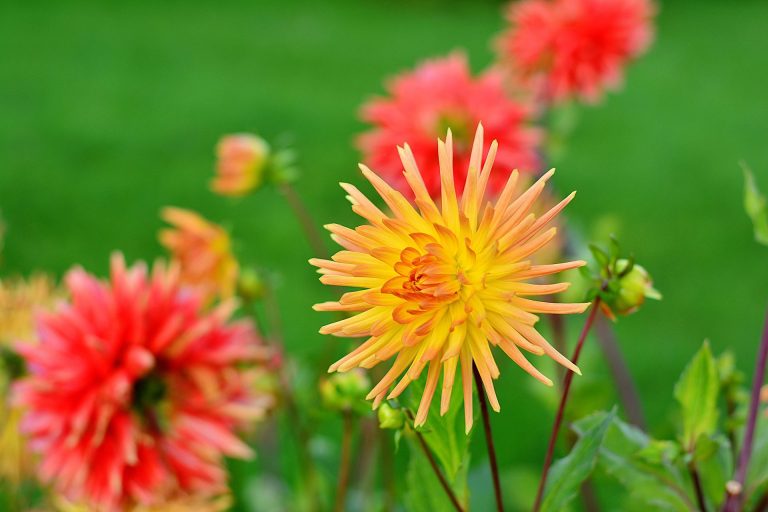
July perennials unfurl like a grand finale—vivid, bold, and unapologetically dramatic. Perennials reach their peak, painting the garden in broad, confident strokes of color. With long daylight hours and warm soil, everything seems to flourish overnight, creating a stage for nature’s most extravagant performances.
My garden doesn’t whisper in July—it shouts. It’s the month when perennials prove their staying power, returning year after year to dazzle with more gusto than before.
Morning Coffee, Petals, and Pollinators
How My Garden Comes Alive with Color and Buzz Each Day
Each morning begins with the soft clink of a coffee cup and the hum of wings. Bees weave between the coneflowers, methodical and focused, while butterflies move with unhurried grace from one bloom to the next. The air carries the faint sweetness of blooms, and the quiet hum of life is only interrupted by the occasional rustle of wings or birdsong overhead.
It’s not just a garden—it’s a gathering place for life. And I wouldn’t trade my morning porch view for all the world’s skylines.
The Magic of July Perennials
What Makes July Blooms So Special Compared to Spring or Fall
Spring brings promise. Fall brings closure. But July? July brings glory. Midseason perennials are the garden’s powerhouse bloomers—robust, vibrant, and unshaken by the heat. Unlike delicate springtime blossoms or the deeper tones of fall, these flowers thrive in sunshine and burst with unapologetic confidence.
They’ve weathered the unpredictability of spring and aren’t yet fading like autumn’s last sigh. July’s flowers are fully present—and proud of it.
Echinacea: The Queen of the Coneflowers

Colors, Pollinators, and the Power of a Prairie Favorite
With spiky crowns and daisy-like grace, Echinacea reigns supreme. Its purples, pinks, and creams attract pollinators in droves, turning each bloom into a buzzing metropolis of bees, butterflies, and beneficial bugs.
Rooted in prairies but perfect in gardens, Echinacea brings both beauty and resilience. Its architecture is striking, its stamina unmatched, and its presence in July feels both royal and wild.
From Seed to Showstopper: How I Grow Echinacea for Maximum Blooms
It all begins in early spring with a sprinkle of seeds on moist, well-drained soil and a bit of patience. Echinacea prefers not to be pampered—just sunlight and space to grow deep roots. By July, those tiny seedlings are full-grown masterpieces.
The secret? Don’t crowd them, resist overwatering, and give them lean soil. They thrive on a bit of adversity, growing tougher and more floriferous with each season. Learn all about growing Echinacea from my post: Growing Echinacea: From Seeds to Stunning Flowers.
Rudbeckia’s Golden Glow
Why Black-Eyed Susans Light Up Every Border
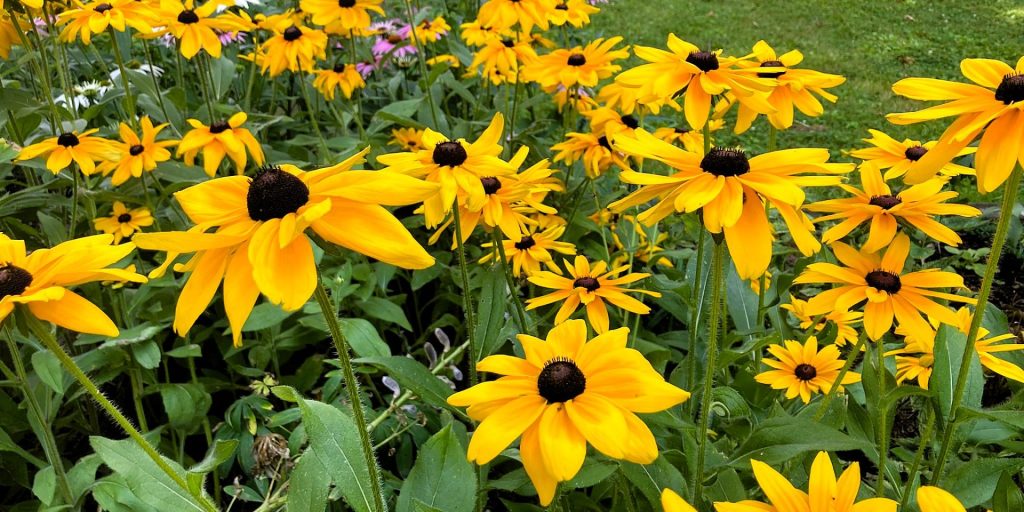
Rudbeckia is sunshine in flower form. Its golden petals and dark chocolate centers beam across the garden like miniature suns, bringing warmth even on cloudy days. These flowers are tireless bloomers and cheerful companions to nearly every perennial around them.
Whether in tidy beds or a wilder border, their vibrant presence instantly lifts the entire space.
Tips to Keep Rudbeckia Blooming Through Late Summer
Snipping spent blooms is the golden rule. Deadheading not only tidies the plant but also encourages a longer bloom season. Rudbeckia responds well to this gentle nudging, producing flush after flush of new flowers.
A quick weekly once-over with garden shears, plus a deep watering in dry spells, keeps these golden beauties glowing all the way into September. See my post Rudbeckia Black Eyed Susan: How to Grow Sunny Flowers to learn more about growing these beauties.
Platycodon’s Pop of Blue
Meet the Balloon Flower That Never Fails to Impress
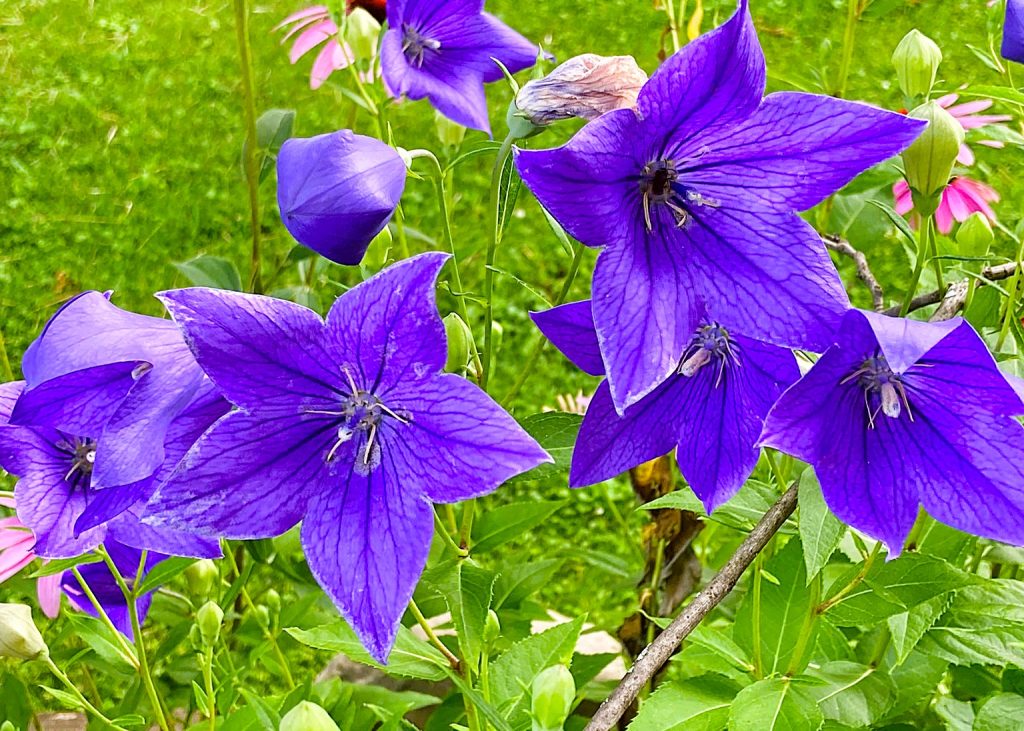
Balloon flowers are like hidden gems—often overlooked, but absolutely unforgettable once discovered. Their buds swell into whimsical balloons before bursting open into star-shaped blooms in rich shades of blue, lavender, and white.
They add a cool contrast to July’s fiery palette, and their geometric precision offers a delightful visual break from ruffled petals and sprawling stems.
Why Platycodon Buds are the Most Fun to Watch Open
There’s something magical about a balloon flower in waiting. Each bud swells with visible anticipation, practically trembling before it pops open in a gentle puff. It’s a small garden drama, perfect for patient observers or curious children.
Timing is everything with Platycodon—too early, and you miss the show. But catch it at the right moment, and you’ll witness one of nature’s quietest delights.
Hollyhocks by the Garden Gate

Towering Blooms That Add Cottage Garden Charm
Hollyhocks are the show-stealers of July. With towering spires lined in saucer-sized blooms, they turn any fence line or corner into a vintage vignette. Their old-fashioned charm evokes memories of grandmother’s garden, full of bees and soft breezes.
They come in colors both soft and bold—from pastel pinks to velvety maroons—making them as versatile as they are stunning.
How I Keep Hollyhocks Looking Their Best in July
Tall and proud, hollyhocks need a bit of guidance to stay upright. Staking early prevents midseason topples, and wide spacing ensures good air flow to fend off dreaded rust.
Weekly checks and bottom-leaf cleanups help, too. With just a bit of care, these giants can stand tall and glorious through the height of summer. Check out my post Hollyhock Happiness: Easy Steps to Grow Hollyhock and learn all about growing them.
Heliopsis: Sunny and Reliable

The Unsung Hero of My Mid-Summer Border
Heliopsis may not have the flash of some perennials, but it offers something even better—consistency. Its golden daisy-like blooms stand proudly above sturdy stems, unfazed by heat or drought. It thrives quietly, offering color long after others begin to fade.
This low-maintenance stalwart deserves more fanfare than it gets. It’s the reliable friend every garden needs.
Why I Always Make Room for Heliopsis in My Cutting Garden
Heliopsis lasts beautifully in bouquets, adding a splash of sunshine to any summer arrangement. Its long stems, prolific blooms, and cheerful hue make it a must-grow for cutting gardens.
It’s not just garden gold—it’s floral currency, traded weekly in vases on my kitchen table and shared with neighbors up and down the lane.
Playing Favorites: A Garden Tour

Which Perennial Stole the Show Last Year (and Why)
Every year, one flower claims the title of crowd favorite. Last July, Echinacea ‘Cheyenne Spirit’ wore the crown. Its kaleidoscope of sunset shades—coral, tangerine, and rose—stopped every visitor in their tracks.
Though competition was stiff, that variety stole hearts (and Instagram likes) all season long.
Color Combos I Can’t Stop Loving

Pairings That Make Each Bloom Pop Even More
Pink Echinacea beside golden Rudbeckia or just look at my blue Platycodon with the pink coneflower. What a gorgeous sight! The secret to a mesmerizing border lies in contrast—warm and cool, tall and mounding, bold and soft.
These color pairings don’t just look good—they sing. Together, they create harmony that feels both wild and intentional.
My Favorite Pollinator Moments

Bees, Butterflies, and the July Perennials They Can’t Resist
Watching a hummingbird dart between hollyhock blooms is pure joy. Monarchs sipping from Echinacea, bees crawling deep into Platycodon stars—it’s pollinator theater at its finest.
These moments remind me that a thriving garden isn’t just about aesthetics. It’s about offering sustenance to the tiniest of visitors.
July Garden Tasks to Keep the Show Going
Watering, Mulching, and Other Midseason Must-Dos
As blooms reach their zenith, it’s easy to forget the behind-the-scenes work. Deep watering (not daily sprinkles), fresh mulch to lock in moisture, and light fertilizing keep the show running strong.
A little upkeep now ensures the encore lasts into August—and maybe even beyond.
Looking Ahead: Perennials That Will Shine Next
What’s Budding for Late Summer and Early Fall
While July dazzles, I’m already eyeing the next act. Phlox, Sedum, and Japanese Anemones are getting ready backstage, ready to take the baton from July’s headliners.
It’s a rolling wave of beauty, and the rhythm never stops.
Closing Thoughts from a Flower-Filled Porch
Reflections on Growth, Beauty, and July Magic
There’s something profound about a garden in full bloom. It speaks of patience, persistence, and the quiet reward of nurturing beauty over time. July may be fleeting, but its blossoms linger in memory. I feel deeply grateful—for the blooms, the bees, and the moments that grow alongside them.
FAQ: July Perennials Stealing the Garden Spotlight
Which perennials bloom best in July?
Some of the top performers in July include Echinacea (coneflowers), Rudbeckia (black-eyed Susans), Platycodon (balloon flowers), Hollyhocks, and Heliopsis. Each offers unique texture, color, and form, making them essential players in a midseason garden.
How do I attract pollinators to my July garden?
Choose nectar-rich flowers like Echinacea, Rudbeckia, and Hollyhocks. Pollinators love bold, open blooms in vibrant colors. Avoid using pesticides, provide water sources, and stagger plant varieties for continuous bloom throughout the season.
What’s special about Echinacea in midsummer?
Echinacea is not only beautiful, with its spiky centers and petal skirt, but it’s also incredibly tough. It thrives in lean soil, handles drought well, and draws pollinators in swarms. By July, it’s often in full bloom, anchoring the garden with structure and color.
Can I grow Echinacea from seed?
Yes! Echinacea grows well from seed, though it takes patience. Start seeds indoors in early spring or sow directly outdoors once the soil warms. Provide sun, space, and well-drained soil—Echinacea doesn’t need fuss, just room to root.
Why is Rudbeckia a must-have for July?
With golden-yellow petals and rich dark centers, Rudbeckia lights up the landscape like a row of suns. It blooms endlessly if deadheaded regularly and is known for attracting bees and butterflies while asking very little in return.
What does deadheading mean, and why is it important?
Deadheading is the practice of removing spent blooms. For perennials like Rudbeckia and Hollyhock, it encourages new growth, extends blooming, and keeps the plant tidy. It’s an easy chore with big rewards.
What makes Platycodon (balloon flower) unique?
Platycodon forms balloon-like buds that pop open into star-shaped blooms—an absolute delight to watch. Their cool blue and lavender tones provide visual relief in a garden full of warm hues, making them excellent companions in colorful borders.
How do I care for tall plants like Hollyhocks?
Hollyhocks benefit from early staking to prevent flopping. Plant them with good air circulation to reduce rust, and trim lower leaves if needed. With some simple care, they’ll stand proudly, adding height and nostalgia to your space.
Is Heliopsis the same as Rudbeckia?
Though often confused, Heliopsis (false sunflower) is a distinct species. It features smaller, more delicate blooms and tends to bloom slightly longer into the season. Both are golden and cheerful, but Heliopsis is often preferred for cutting gardens due to its longer vase life.
What are some great July flower combinations?
Pair cool tones like blue Platycodon with warm Echinacea or Rudbeckia for contrast. Combine tall spires like Hollyhocks with mounded plants for visual balance. Bold and soft, light and deep—variety is key to a dynamic garden design.
Which July perennial attracts the most pollinators?
Echinacea tops the list, especially in mixed shades like ‘Cheyenne Spirit.’ Its rich nectar and broad landing pad appeal to butterflies, bees, and even hummingbirds. But all five featured perennials bring pollinator magic to the garden.
What maintenance does a July perennial garden need?
Water deeply once or twice a week, especially during dry spells. Apply mulch to conserve moisture and suppress weeds. Deadhead spent blooms, fertilize lightly, and check for pests or fungal issues. A little effort goes a long way this time of year.
What blooms after July perennials begin to fade?
Late summer and early fall bring Phlox, Sedum, Japanese Anemones, and Asters. These bridge the gap between the vibrant July show and the soft glow of fall, keeping the garden lively through September and beyond.
Can I use July perennials as cut flowers?
Absolutely! Echinacea, Rudbeckia, and Heliopsis are wonderful in vases, especially when harvested in the cool of the morning. Their long stems and bold colors bring summer joy indoors and last surprisingly long with proper care.
How can I create a July garden with continuous bloom?
Layer plants with overlapping bloom times, and include early, mid, and late-season varieties. Keep pollinators in mind, and vary plant heights and colors. Add reliable bloomers like those featured here, and you’ll enjoy a seamless, ever-changing display.