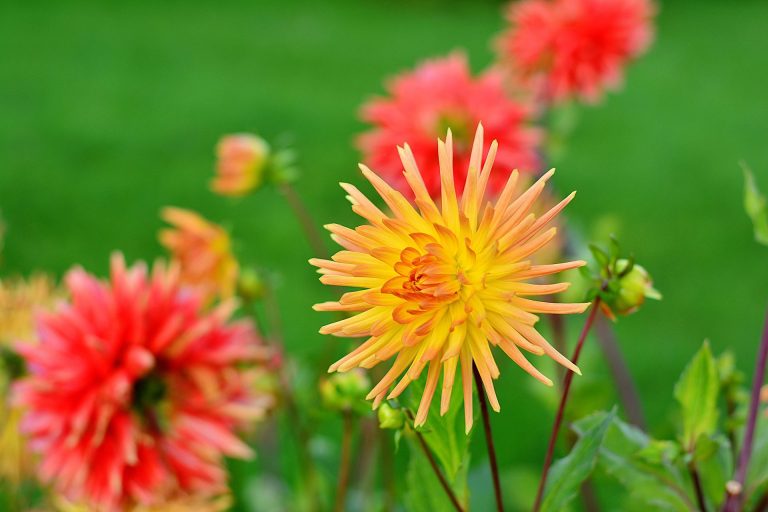
There’s something deeply grounding about a garden filled with native flowers. These time-honored species have evolved alongside the land, whispering stories of centuries past through their foliage and flowers. They carry with them a wildness, a sense of place, and a subtle harmony that imported blooms rarely match.
Landscapes That Belong: Embracing the Grace of Native Flora
Native landscapes possess a quiet majesty. From rolling meadows dotted with echinacea to shaded woodland paths draped in wild ginger, these environments exude a natural elegance that feels effortlessly right. They’re not curated—yet they’re cohesive, guided by the gentle hand of nature rather than a designer’s blueprint.
How Native Flowers Reconnect Us with Nature’s Rhythm
Gardening with native plants invites a deeper awareness of seasonal shifts and ecological cycles. It’s a partnership, not a performance. Instead of forcing nature to bend to human will, native plant gardening allows the land to speak in its own dialect—one filled with pollinator dances, rustling grasses, and symphonic rains.
What Are Native Flowers and Why Do They Matter?
 Native flowers are those that have grown in a region for hundreds, even thousands, of years without human introduction. They’ve developed a symbiotic relationship with the local climate, wildlife, and soil. Their presence supports a resilient and interconnected ecosystem that foreign species often disrupt.
Understanding Native vs. Non-Native vs. Invasive Species
Not all non-native plants are harmful, but they lack the intimate ecological ties that natives have. Invasive species go a step further, overpowering native flora, depleting resources, and unsettling the balance of local habitats. Understanding this spectrum is crucial for making responsible choices in our gardens and landscapes.
The Ecological Importance of Planting What Belongs
Planting native species helps reweave the frayed fabric of local ecosystems. They offer food, shelter, and breeding grounds for countless species that rely on them—some of which can only survive in their presence. Choosing what belongs ensures that gardens become sanctuaries, not sterile displays.
The Benefits of Native Flowers in Your Garden
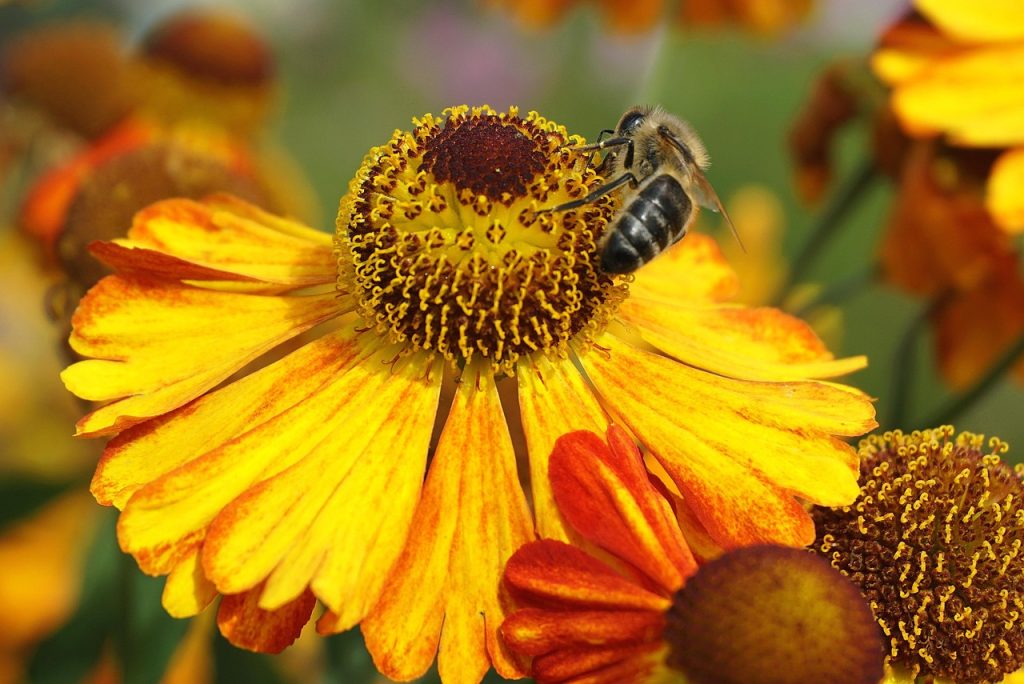 Native plants aren’t just ecologically virtuous—they’re practical, too. They bring a unique aesthetic richness that mirrors the land’s true identity. With the right selections, a native garden can be as lush and vibrant as any exotic showcase—only with less water, fewer chemicals, and more life.
Low Maintenance, High Reward
Once established, native flowers thrive with minimal intervention. They’re adapted to local rainfall, temperatures, and pests, which means you can forget the endless watering schedules and constant fertilizing. Instead of micromanaging your garden, you’ll be free to enjoy it.
Better Soil Health and Water Retention
Native roots run deep—sometimes several feet into the soil. These extensive root systems aerate the earth, reduce erosion, and help the soil retain moisture more efficiently. Over time, they enrich the land, making it more fertile and forgiving.
Built-In Pest and Disease Resistance
 Because they’ve co-evolved with local pests and pathogens, native plants are naturally equipped to defend themselves. That means fewer outbreaks, less reliance on pesticides, and a healthier environment for beneficial insects like ladybugs and lacewings. Nature has fine-tuned its own system of checks and balances.
Seasonal Interest Without the Fuss
From spring’s early bursts to winter’s frosted silhouettes, native plants offer a year-round display. Their colors shift with the seasons, offering an ever-changing palette that requires little human input. It’s a garden that tells time through its own blooms and textures.
Creating Balance: The Role of Native Flowers in Biodiversity

Biodiversity flourishes when native plants are present. They support a wide array of organisms—from pollinators and decomposers to songbirds and amphibians. When we plant natives, we create living corridors that restore fractured habitats and allow species to thrive in tandem.
Supporting Local Pollinators, Birds, and Wildlife
Pollinators like bees, butterflies, and hummingbirds flock to native flowers with an almost magnetic pull. So do birds seeking berries and shelter. Each plant becomes a miniature refuge, humming with life and purpose beyond just visual appeal.
Why Native Plants Are the Backbone of Ecosystems
Take away native plants, and ecosystems begin to unravel. They form the foundational layer that supports food webs, stabilizes climates, and cycles nutrients. Their quiet presence underpins the health and resilience of entire landscapes.
Seasonal Stars: Native Flowers That Shine Year-Round

Spring Bloomers to Wake Up the Garden
As winter recedes, plants like bloodroot, wild columbine, and pasqueflower bring an early burst of life. Their delicate petals and bold textures announce the arrival of spring with grace and exuberance. These harbingers remind us that rebirth often begins in small, subtle ways.
Summer Powerhouses Bursting with Life
In high summer, natives like purple coneflower, bee balm, and black-eyed Susan dazzle with color and pollinator activity. These plants create a kaleidoscope of texture and motion—humming, fluttering, and shimmering in the sun. Their bloom cycles stretch long into the heat, offering consistent drama.
Autumn Showstoppers in Fiery Hues
 Goldenrods, asters, and native grasses blaze with fall color while offering vital food for migrating birds and late-season insects. The fading light seems to set them ablaze, casting warm glows across the garden. It’s nature’s grand finale before winter’s hush.
Winter Interest with Seed Heads and Structure
Even dormant, native plants remain sculptural. Stiff goldenrod stems, wild bergamot seed heads, and switchgrass tufts add texture and shadows to frosty mornings. These architectural remnants provide shelter for overwintering insects and a striking silhouette against snow.
Native Plants That Attract Pollinators

Butterfly Magnets and Bee Favorites
Milkweed is the monarch’s lifeline, while wild bergamot draws in bees by the hundreds. Blanketflower, blazing star, and penstemon offer nectar in abundance. Planting a mix ensures that different pollinators find sustenance throughout the growing season.
Creating a Continuous Nectar Feast
A thoughtful native garden staggers its bloom times so something is always flowering. Early bloomers like serviceberry segue into summer sunflowers and finish with fall’s goldenrod and aster. This uninterrupted buffet keeps pollinators energized and ecosystems robust.
Where to Begin: Finding Quality Native Plant Seeds

Starting your native plant journey is easier when you have a trusted source for seeds. Look for a supplier that specializes in regionally adapted native varieties, with a reputation for quality and sustainable harvesting practices.
Whether you’re planting a pocket prairie or a pollinator patch, choosing the right seeds is the first step toward a thriving, balanced garden that truly belongs. I recommend:
👉North American Native Wildflower Seed Mix from the Eden Brothers.
🌿
The Cultural Heritage of Native Flowers

Plants with Deep Roots in Indigenous Traditions
Many native plants have been used for centuries by Indigenous communities for food, medicine, and ceremony. Yarrow, sweetgrass, and elderberry are more than ornamental—they’re threads in the fabric of cultural memory. Honoring these roots brings depth and reverence to the garden.
Honoring History Through Plant Choices
Planting native species can be an act of remembrance and respect. It’s a way to acknowledge the land’s original stewards and keep ancestral knowledge alive. Each bloom becomes a quiet tribute to history, tradition, and resilience.
Final Thoughts: A Garden That Gives Back

Finding Beauty in Balance
Native plant gardens are not just beautiful—they’re meaningful. They blend wildness with intention, creating spaces where beauty and biodiversity coexist. Every rustling leaf, every buzzing bee is a sign that balance has returned.
Becoming a Steward of the Land Through Planting Choices
Choosing native plants is a quiet but profound act of stewardship. It means gardening with empathy, planting with purpose, and nurturing not just a garden—but a living, breathing ecosystem. And in doing so, we help restore the wild heart of the land. For more information on choosing native plants for your area, see my post, Lush and Local: Grow Native Plants in Your Flower Garden.
Frequently Asked Questions: Native Plants for Wild Beauty and Balance
1. What exactly are native flowers?
Native flowers are species that have naturally evolved in a particular region over hundreds or thousands of years. They form intricate relationships with the local climate, wildlife, and soil, making them perfectly suited to thrive without outside intervention. These plants are the quiet heroes of healthy ecosystems.
2. Why should I choose native plants over ornamental or exotic varieties?
Native plants offer far more than beauty—they support pollinators, birds, and beneficial insects that exotic plants often ignore. They’re typically lower maintenance, require less water and fertilizer, and are naturally resistant to local pests and diseases. Plus, they help restore ecological balance right in your backyard.
3. Are all non-native plants bad for the environment?
Not necessarily. Many non-native plants are well-behaved and can coexist peacefully. However, some become invasive, aggressively spreading and outcompeting native species for light, space, and nutrients. Choosing non-invasive species and prioritizing natives helps protect local biodiversity.
4. Do native flowers really require less care?
Yes—once established, native plants are remarkably self-sufficient. They’re adapted to local rainfall, temperature fluctuations, and natural pest cycles, which means less watering, fewer chemicals, and more free time for you to simply enjoy your garden.
5. Can I still have color and visual interest with native plants?
Absolutely. Native gardens change with the seasons, offering vibrant blooms in spring and summer, fiery foliage in fall, and sculptural seed heads in winter. With thoughtful planning, a native garden can be as visually dynamic as any ornamental landscape.
6. How do native flowers support pollinators?
Pollinators have evolved alongside native plants and often depend on them for food and reproduction. For instance, monarch butterflies need milkweed, and many native bees rely on specific flowers for nectar. Native gardens provide a continuous buffet for these vital creatures.
7. What are some easy native plants for beginners?
Purple coneflower (Echinacea), black-eyed Susan, wild columbine, and butterfly milkweed are great starters. They’re hardy, attractive, and loved by pollinators. Start with a few tried-and-true natives, and your garden will soon hum with life.
8. Can native plants improve my soil and water usage?
Yes. Many native plants have deep root systems that help break up compacted soil, prevent erosion, and retain moisture. Over time, they enhance soil structure and reduce the need for irrigation and synthetic inputs.
9. Will native plants look too “wild” or unkempt?
Not at all. While they may lean into a natural aesthetic, native gardens can be designed with intention and structure. Use layering, repetition, and thoughtful borders to blend their wild spirit with a clean, cohesive look.
10. Where can I learn which native plants are right for my region?
Start by checking with local native plant societies, botanical gardens, or extension services. For tailored tips and inspiration, see Lush and Local: Grow Native Plants in Your Flower Garden.