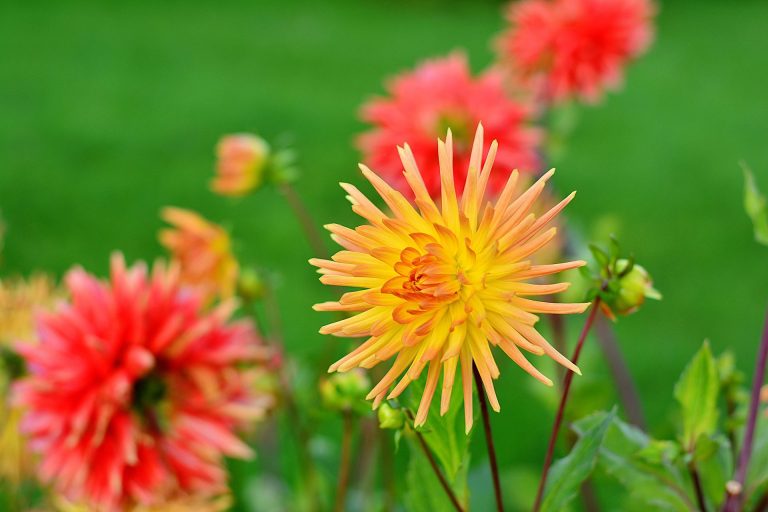
A pollinator garden is one of the most rewarding things you can grow. With the right plants, you can turn any yard into a haven for bees, butterflies, and other beneficial insects. In this guide, you’ll learn which flowers bees love most, how to design a pollinator-friendly garden, and simple planting tips that help pollinators thrive from spring through fall.
What is a Pollinator Garden?
A pollinator garden is a carefully curated blend of plants specifically chosen to attract and sustain pollinators. Unlike conventional gardens, which may focus solely on aesthetics, a pollinator garden is rooted in purpose. It features flowers, shrubs, and trees that provide nectar, pollen, shelter, and even nesting sites, creating a safe haven for species that are integral to the natural process of pollination. These gardens bridge beauty with ecology, offering an irresistible invitation to pollinators.
What Flowers Do Bees Like Best?
Bees are among the most essential pollinators, and they adore flowers rich in nectar and pollen. A bee-friendly zone not only enhances your garden’s productivity but also supports an insect vital to global food security. Here are some of my top picks for bee-friendly flowers:
Lavender
 Bees love lavender for its abundant nectar, vibrant fragrance, and long blooming period, making it an irresistible food source. Lavender thrives in well-drained soil with a pH of 6.0 to 8.0. Select a sunny location, as this aromatic perennial loves full sun and requires at least 6 hours of sunlight daily. Water young plants regularly until established, but be cautious not to overwater, as lavender prefers drier conditions. Prune after flowering to maintain shape and encourage new growth.
➡️ BUY LAVENDER HERE
Cosmos
 Bees are drawn to cosmos for their bright, open flowers that provide easy access to nectar and pollen throughout the summer. Cosmos are easy to grow from seed, thriving in poor to average soil conditions and requiring full sun. Sow seeds directly in the garden after the last frost, or start indoors 4-6 weeks prior. These hardy annuals are drought-tolerant once established, so water sparingly. Deadheading spent flowers will encourage continuous blooming throughout the summer.
➡️ BUY COSMOS HERE
Gaillardia
 Gaillardia attracts pollinators with its vibrant, daisy-like blooms that are rich in nectar and easy for them to access. Also known as blanket flowers, gaillardia flourishes in well-draining, sandy soils with full sun exposure. Start seeds indoors or sow directly in the garden after the last frost. These resilient perennials are drought-tolerant and prefer lean soil, so avoid heavy fertilization. Cut back spent blooms to promote a longer flowering season.
➡️ BUY GAILLARDIA HERE
Echinops
 Echinops, or globe thistle, entices pollinators with its unique, spherical flowers that provide abundant nectar and pollen throughout the summer. Known as globe thistle, echinops thrives in well-drained soil and full sun. Start seeds indoors or sow directly in the garden after the last frost. Once established, it’s quite drought-tolerant, requiring minimal watering. These perennials can become quite tall, so plant them towards the back of borders for a striking display. Divide plants every few years to promote healthy growth.
➡️ BUY ECHINOPS HERE
Asters
 Asters attract bees with their vibrant, daisy-like flowers that bloom in late summer and fall, providing a crucial food source when other flowers have faded. These flowers prefer rich, well-draining soil and thrive in full sun to partial shade. Plant them in early spring or fall, ensuring the crown of the plant sits at soil level. Regular watering is essential, especially during dry spells, but avoid soggy soil to prevent root rot. Deadhead spent flowers to encourage more blooms and reduce self-seeding.
➡️ BUY ASTERS HERE
Flutter into Action: Plants Butterflies Love
Butterflies are as graceful as they are essential to pollination. To create a butterfly habitat, I use these brightly colored perennial bloomers:
Milkweed (Asclepia)

➡️ BUY MILKWEED HERE
Purple Coneflower (Echinacea purpurea)
 The bright, daisy-like flowers of echinacea provide ample nectar, attracting butterflies looking for a reliable food source during their feeding activities. Purple coneflower is adaptable to a range of soils but prefers well-draining conditions and full sun. Sow seeds directly in the garden in spring or start indoors 6-8 weeks prior. This perennial is drought-tolerant and benefits from minimal fertilization. Deadheading encourages prolonged blooms, and it thrives best with occasional division every few years. For more information on growing Echinacea, see my recent post: Growing Echinacea: From Seeds to Stunning Flowers.
➡️ BUY ECHINACEA HERE
Black-Eyed Susan (Rudbeckia)
 Black-eyed Susans adapt well to a range of soil types but perform best in rich, well-drained soil under full sun, where they’ll show off their vibrant blooms. Plant seeds directly outdoors after the last frost, or start them indoors 6-8 weeks prior to give them a head start. While these hardy perennials are generally low-maintenance, they benefit from regular watering during their first growing season to develop strong roots. Once established, they become more drought-tolerant, making them an excellent choice for resilient, sunny borders.
Deadheading spent blooms not only promotes additional flowering but also keeps plants looking tidy throughout the season. These cheerful flowers are fantastic for pollinator gardens, as they attract bees and butterflies while adding long-lasting color to your garden.
➡️ BUY RUDBECKIA HERE
Bee Balm (Monarda)
 The vibrant, tubular flowers of bee balm offer abundant nectar, making it an irresistible attraction for butterflies seeking a nourishing food source. Bee balm, also known as Monarda, flourishes in moist, well-draining soil and prefers full sun to partial shade. Start seeds indoors 6-8 weeks before the last frost or sow directly after frost. Regular watering is essential, particularly in dry conditions. I like to prune my plants to promote bushy growth, and I remove spent blooms to extend the flowering period.
Bee balm also attracts beneficial insects, making it a garden favorite. If you want more growing information check out my article: How to Grow Monarda Bee Balm: Tips for Pollinator Paradise. It is one of my favorite plants!
➡️ BUY MONARDA HERE
Blazing Star (Liatris spicata)
 Blazing star, also known as Liatris, is beloved by pollinators, attracting bees, butterflies, and hummingbirds with its striking, spike-like flower clusters. These vibrant blooms range in color from rich purples to soft pinks and white, adding vertical interest and texture to garden beds. For optimal growth, space plants about 12-15 inches apart to allow good airflow, reducing the chance of mildew.
While blazing star is drought-tolerant once established, a light layer of mulch can help retain moisture during hot summers and protect corms over winter in colder zones. This hardy perennial also naturalizes well, gradually spreading to fill in spaces with minimal effort. Perfect for both cottage and prairie-style gardens, blazing star brings a touch of wild beauty to any landscape.
➡️ BUY LIATRIS HERE
Flowers Hummingbirds and Moths Love
Hummingbirds and moths seek flowers with tubular shapes that can accommodate their long tongues. Moths, often nocturnal, are drawn to white or pale-colored flowers that stand out in moonlight. Here are my top plant recommendations for these pollinators:
Cardinal Flower (Lobelia cardinalis)
 Cardinal flowers are a favorite for pollinators, particularly hummingbirds, which are drawn to their vivid red blooms. These tall, slender plants create a stunning focal point in shade or woodland gardens, adding a bold splash of color from mid to late summer.
Although generally hardy, cardinal flowers appreciate a layer of mulch to retain moisture and moderate soil temperature, especially in hotter climates. They also perform well near water features or in rain gardens, as they can tolerate wet soils better than many other perennials. As they tend to self-seed, leaving some spent flowers can encourage natural propagation, gradually expanding your cardinal flower display without the need for replanting.
➡️ BUY CARDINAL FLOWER HERE
Datura
 Datura, also known as “Devil’s Trumpet,” is admired for its striking, trumpet-shaped blooms that unfurl in the evening, filling the garden with an enchanting fragrance. The flowers, which can be white, purple, or yellow, add a touch of exotic beauty to beds and borders.
While Datura is relatively low-maintenance, it benefits from occasional feeding with a balanced fertilizer to support robust growth and abundant flowering. This plant thrives in warm climates and can be grown as an annual in cooler areas, where it will still reach an impressive size over a single season. However, given its toxicity, Datura is best suited for gardens away from pets and children, and gloves are recommended when handling it. In addition to attracting moths, Datura’s mysterious blooms make it a unique choice for night gardens, creating a captivating focal point in moonlight.
➡️ BUY DATURA HERE
Columbine (Aquilegia)
 Columbine, with its delicate, nodding blooms in shades ranging from deep purples to bright yellows and reds, brings charm and elegance to woodland and cottage gardens. These plants are a magnet for hummingbirds, bees, and butterflies, making them a wonderful choice for pollinator-friendly spaces.
Columbine also naturalizes well, spreading slowly over time to create a soft, colorful drift in partly shaded areas. Although they are short-lived perennials, columbines readily self-seed if allowed, ensuring fresh blooms each season without replanting.
➡️ BUY COLUMBINE HERE
.
Coral Bells (Heuchera sanguinea)
 Hummingbirds just love my Coral Bell plants! In late spring and early summer, delicate, bell-shaped flowers rise on slender stems, attracting hummingbirds and pollinators to the garden. Coral bells prefer well-drained soil and thrive in partial shade. Plant in spring or fall, spacing them to allow for their spread. These perennials are relatively drought-tolerant once established but benefit from regular watering during hot periods. The foliage provides year-round interest, and deadheading spent flowers encourages a longer blooming period.
➡️ BUY CORAL BELLS HERE
.
Evening Primrose (Oenothera biennis)
 Evening primrose prefers well-drained soil and full sun. Sow seeds directly in the garden in early spring or fall. This biennial thrives in poor soil conditions and is drought-tolerant once established. The plant will bloom in its second year, attracting nocturnal pollinators. Deadheading is not necessary, as it self-seeds readily for future growth.
➡️ BUY EVENING PRIMROSE HERE
Why Pollinator Gardens are Essential for the Ecosystem
Pollinator gardens play a critical role in maintaining ecological balance. As pollinators visit flowers, they transfer pollen, enabling plants to produce fruits and seeds. This process not only supports plant reproduction but also provides food for countless other species, including humans. With habitat loss and environmental challenges on the rise, pollinator gardens act as refuges that help sustain populations of these vital creatures. Every flower planted contributes to the resilience of the planet.
Selecting the Right Plants for Maximum Attraction

Native Plants: The Secret to a Thriving Pollinator Garden
Native plants are powerhouses in pollinator gardens. Adapted to local climates and soil, they’re often more resilient to pests and diseases. Native species, such as milkweed for monarch butterflies or black-eyed Susans for bees, have co-evolved with local pollinators, offering them optimal food and habitat. By choosing native plants, you enhance biodiversity and support pollinators in a way that non-native species simply can’t replicate.
A Rainbow of Blooms: Choosing Plants by Flower Color
Color is a magnet for pollinators, each hue attracting specific species. Bees are drawn to blues and purples, butterflies prefer reds and oranges, and hummingbirds are enchanted by deep reds. Incorporate a spectrum of colors to lure a diverse pollinator crowd. A rainbow of blooms not only enlivens your garden visually but also maximizes its appeal to a variety of pollinators.
Seasonal Planting: How to Keep Pollinators Happy Year-Round
Pollinators need consistent food sources, so stagger your planting to provide blooms throughout the year. Early-blooming bulbs, like crocuses, nourish pollinators emerging in spring, while summer perennials, like lavender and echinacea, sustain them through the warmer months. Late-bloomers like asters and goldenrod are invaluable for fall foragers. Planting with the seasons ensures that your garden supports pollinators throughout their life cycles.
Adding Water Features to Quench Their Thirst
Why Pollinators Need Water: The Overlooked Necessity
Pollinators need water to stay hydrated, regulate temperature, and aid in digestion. Despite this necessity, many gardens overlook water features. By adding small, accessible water sources, you provide an essential resource that keeps pollinators energized and active.
Simple Water Sources: Bird Baths, Puddling Stations, and Beyond

Bird baths, shallow dishes, or puddling stations filled with water and pebbles create safe places for pollinators to drink. Butterflies, in particular, appreciate shallow puddling stations, which allow them to absorb minerals from the wet soil. Adding water features like this exquisitely designed copper basin requires minimal effort but offers significant benefits.
The Power of Pesticide-Free Gardening
Why Going Organic Makes Your Pollinator Garden Thrive
Synthetic pesticides pose a serious threat to pollinators, often poisoning them directly or contaminating their food sources. An organic, pesticide-free garden is a safer environment for pollinators and promotes natural resilience. Embrace organic practices, allowing beneficial insects to flourish and naturally manage pests.
Natural Pest Control Solutions for a Healthy Garden
Combat pests with eco-friendly solutions like companion planting, introducing ladybugs, or using neem oil sparingly. These methods control pests without jeopardizing the health of pollinators. By fostering a balanced ecosystem, natural pest control methods keep your garden thriving.
Creating Shelter for Pollinators
Providing Safe Spaces: Bee Hotels and Butterfly Houses
Bee hotels and butterfly houses provide critical shelter for pollinators. Construct bee hotels with hollow stems or wooden blocks drilled with small holes. Butterfly houses with narrow slits protect butterflies from predators and weather. These structures add charm to your garden and ensure pollinators have a safe place to rest.
Hiding in Plain Sight: Using Foliage as Shelter
Pollinators often seek refuge in dense foliage or under plant leaves. Include plants with broad leaves, such as hostas, or clumping grasses, which create shaded, protected areas. Foliage shelters offer a natural, inconspicuous refuge that enhances garden biodiversity.
Creating a Night Garden for Nocturnal Pollinators

Flowers That Bloom at Night: Attracting Moths and Bats
Select flowers that bloom at dusk, such as moonflower or evening primrose, which attract moths and bats. These nocturnal pollinators play a unique role, especially in warmer regions where bats are common. Night-blooming flowers create a mysterious, elegant garden atmosphere.
The Beauty of a Pollinator Garden Under the Moonlight
A night garden has a tranquil, ethereal quality. Pale blooms glow in the moonlight, while fragrant flowers like jasmine add a sensory dimension. This type of garden invites you to enjoy pollinator activity in a new way, revealing the beauty of nature’s night shift.
How Your Pollinator Garden Helps Combat Climate Change

The Connection Between Pollinators and Carbon Sequestration
Pollinator gardens indirectly contribute to carbon sequestration by enhancing plant growth and soil health. Healthy soil captures carbon more effectively, while flowering plants increase biomass, helping mitigate climate change.
How Growing a Pollinator Garden Reduces Your Carbon Footprint
By planting a pollinator garden, you reduce your carbon footprint. Local plants often require less maintenance, water, and resources than non-natives. Your garden’s self-sustaining nature also reduces reliance on artificial inputs, making it a green contribution to the planet.
Your Pollinator Garden’s Ripple Effect
Creating a pollinator garden is a joyful, meaningful act that reverberates beyond your backyard. It supports ecosystems, fosters biodiversity, and combats climate change, while offering a peaceful retreat. Every bee that lands on a flower, every butterfly that flutters by, reminds us of the beauty in supporting life. Your pollinator garden is not just a gift to the earth; it’s a legacy of harmony and hope.
FAQ – Creating a Pollinator Garden
What is a pollinator garden?
A pollinator garden is a collection of plants specifically chosen to attract and support pollinators like bees, butterflies, and hummingbirds. These gardens provide essential resources such as nectar, pollen, and shelter, creating a habitat that encourages these creatures to thrive.
Why are pollinator gardens important?
Pollinator gardens help sustain vital pollinator populations, which play a key role in plant reproduction and food production. By providing a refuge for pollinators, these gardens help combat habitat loss, support biodiversity, and contribute to the health of ecosystems.
What are the best plants for a pollinator garden?
Native plants are ideal for pollinator gardens, as they’ve evolved with local pollinators. Flowers like milkweed, lavender, black-eyed Susan, and bee balm are all excellent choices, as they attract a range of pollinators and thrive in various climates.
How does flower color affect pollinator attraction?
Different colors attract specific pollinators: bees prefer blues and purples, butterflies are drawn to reds and oranges, and hummingbirds favor vibrant reds. A mix of colors ensures that your garden appeals to a variety of pollinators.
Can I attract pollinators year-round?
Yes! Choose plants that bloom at different times of the year to provide food throughout the seasons. Early bloomers like crocuses support spring pollinators, while late bloomers like asters sustain them into fall.
How can I make my garden bee-friendly?
To create a bee-friendly area, plant flowers with abundant nectar and pollen, like lavender and cosmos. Avoid using pesticides and ensure there are areas with bare soil or bee hotels for nesting.
What should I plant to attract butterflies?
Butterflies are attracted to brightly colored flowers such as milkweed, purple coneflower, and black-eyed Susan. These plants provide nectar, while milkweed serves as a crucial host plant for monarch caterpillars.
How can I provide water for pollinators?
Small, shallow water features like bird baths, dishes with stones, or puddling stations offer safe drinking areas. Butterflies and bees especially benefit from these features during dry spells.
Are pesticides harmful to pollinators?
Yes, synthetic pesticides are harmful and can poison pollinators or contaminate their food. Opt for organic gardening methods, such as companion planting or using natural pest deterrents like neem oil.
How can I provide shelter for pollinators?
Bee hotels, butterfly houses, and dense plantings offer safe spots for pollinators to rest. Broad-leaved plants and shrubs also provide shaded, protected areas.
What’s a night garden, and how does it help pollinators?
A night garden includes night-blooming flowers like moonflower and evening primrose, which attract moths and bats. These nocturnal pollinators play a crucial role, especially in warmer regions.
Does a pollinator garden help with climate change?
Yes! Pollinator gardens improve plant growth, enhance soil health, and support native plants that often require less maintenance, thereby reducing carbon footprints and aiding in carbon sequestration.