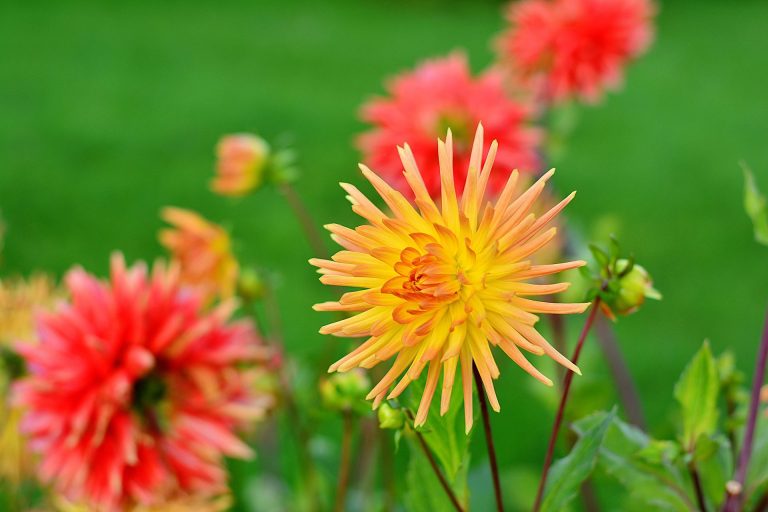
If you want hummingbirds to notice your garden quickly, red flowers make the biggest impact. These blooms are easier for hummingbirds to spot, often produce abundant nectar, and consistently outperform mixed-color plantings. Below are eight red flowers that reliably attract hummingbirds and keep them returning throughout the season.
Perennials: Long-Lasting Beauty for Hummingbird Gardens

Perennial flowers are a fantastic choice for hummingbird gardens, offering reliable blooms year after year with minimal effort. Once established, these plants return each season, providing a steady nectar source for visiting hummingbirds. The varieties below feature stunning red hues and tubular or nectar-rich flowers that are irresistible to these tiny pollinators.
Monarda ‘Bee True’
 Monarda, commonly known as Bee Balm, is a pollinator magnet, and the ‘Bee True’ variety is no exception. Its bright red, fringed blossoms burst open in midsummer, creating a fiery display that hummingbirds simply can’t ignore. The fragrant foliage adds another layer of appeal, releasing a minty scent when brushed against—making it as delightful for gardeners as it is for pollinators. With its long bloom period and ability to thrive in sunny borders, this perennial is a must-have for anyone looking to create a hummingbird-friendly space.
‘Bee True’ thrives in well-drained soil and full sun, though it can tolerate partial shade. Regular deadheading encourages continuous blooming, while dividing the clumps every few years ensures vigorous growth. Pair it with other nectar-rich perennials like Echinacea and Black-eyed Susans for a vibrant and lively pollinator haven.
❤️Find Monarda ‘Bee True’ Here
Columbine ‘Crimson Star’
 With its striking red and white blooms, Columbine ‘Crimson Star’ is a springtime delight that serves as an early-season food source for hummingbirds. The elegant, spurred flowers are perfectly shaped for their long beaks, allowing the birds to extract nectar with ease. This variety adds a touch of charm to woodland edges, rock gardens, and cottage-style borders, standing out beautifully against its deep green foliage.
A hardy perennial, ‘Crimson Star’ prefers well-drained soil and dappled sunlight, making it an excellent choice for partial shade gardens. It self-seeds readily, ensuring a return of blooms year after year. Pair it with other spring bloomers like Bleeding Hearts or Virginia Bluebells to extend the color in your garden and keep the hummingbirds coming back for more.
❤️Find Columbine ‘Crimson Star’ Here
Phlox ‘Red Riding Hood’
 Compact yet dazzling, Phlox ‘Red Riding Hood’ is a powerhouse of color and nectar. Its clusters of vibrant red flowers bloom from midsummer to early fall, offering a sustained feeding station for hummingbirds during their peak migration periods. The sweetly fragrant blooms not only attract birds but also entice butterflies and beneficial pollinators, adding even more life to your garden.
Thriving in full sun and well-drained soil, ‘Red Riding Hood’ is a resilient choice for borders, containers, or mass plantings. It resists powdery mildew better than many other Phlox varieties, ensuring a healthy, lush display throughout the season. For a striking combination, plant it alongside ornamental grasses or late-blooming perennials like Rudbeckia to create a layered, textural effect.
❤️Find Phlox ‘Red Riding Hood’ Here
Crocosmia ‘Firestars Firestarter’
 A true showstopper, Crocosmia ‘Firestars Firestarter’ sends up arching stems adorned with fiery red-orange blooms that seem to glow in the sunlight. Hummingbirds are naturally drawn to its tubular flowers, which provide ample nectar throughout the summer months. This variety is known for its vigorous growth and eye-catching presence in garden beds, borders, and even cut flower arrangements.
Crocosmia thrives in full sun and well-drained soil, producing sword-like foliage that adds a dramatic flair even when not in bloom. Once established, it is drought-tolerant and low-maintenance, making it an easy choice for gardeners looking to attract pollinators with minimal fuss. Plant it in clusters for maximum impact, or pair it with tall perennials like Agastache or Russian Sage for a dynamic, layered look.
❤️Find Crocosmia ‘Firestars Firestarter’ Here
Annuals: Bold, Season-Long Color for Hummingbirds
 Annual flowers are a great way to add immediate bursts of color and nectar to your garden, ensuring a non-stop buffet for hummingbirds. Unlike perennials, these plants complete their life cycle in one season, but their rapid growth and abundant blooms make them invaluable for attracting pollinators. The following red-flowered annuals are particularly beloved by hummingbirds, providing easy-to-grow options for any garden space.
Morning Glory ‘Scarlett O’Hara’
 Morning Glory ‘Scarlett O’Hara’ is a climbing beauty that delivers an explosion of red, trumpet-shaped flowers throughout the summer. Each bloom lasts just one day, but the plant continuously produces new blossoms, creating a rolling wave of color that hummingbirds find irresistible. The vining habit makes it ideal for trellises, fences, or arbors, where the delicate tendrils can weave a tapestry of crimson splendor.
This fast-growing annual thrives in full sun and well-drained soil. It requires little maintenance beyond occasional watering, though regular deadheading can encourage even more blooms. Morning Glories also self-seed easily, meaning you may find pleasant surprises in your garden next season. Pair them with other vertical growers like Sweet Peas or Black-eyed Susan Vine for a dramatic climbing display.
❤️Find Morning Glory ‘Scarlett O’Hara’ Here
Scarlet Sage (Salvia coccinea)
 Scarlet Sage is a pollinator favorite, with its spiky red blooms providing nectar from spring until the first frost. Unlike some other Salvias, this variety thrives as an annual in cooler climates, making it an excellent choice for seasonal hummingbird gardens. Its airy, branching stems and non-stop flowering habit make it a versatile addition to borders, containers, and even wildflower meadows.
This hardy bloomer performs best in full sun and well-drained soil, tolerating heat and drought conditions with ease. It pairs beautifully with other hummingbird-friendly plants like Lantana or Verbena, creating a dynamic mix of textures and colors. Scarlet Sage’s ability to attract butterflies and bees alongside hummingbirds makes it an essential component of any pollinator-friendly space.
❤️Find Scarlet Sage Here
Zinnia ‘Benary’s Giant Scarlet’
 Zinnias are known for their easy-growing nature and vibrant colors, and ‘Benary’s Giant Scarlet’ is one of the boldest varieties available. Its large, dahlia-like blooms are packed with layers of scarlet-red petals, offering both beauty and nectar-rich sustenance for hummingbirds. Blooming from early summer until the first frost, this variety ensures a continuous food source when many other flowers start to fade.
These heat-loving annuals thrive in full sun and require minimal care beyond occasional deadheading to encourage new blooms. Zinnias make excellent cut flowers, so you can enjoy their brilliance indoors as well as in the garden. Plant them in clusters for maximum impact, or mix them with other butterfly-attracting flowers like Cosmos for a pollinator-friendly paradise.
❤️Find Zinnia ‘Benary’s Giant Scarlet’ Here
Four O’Clock ‘Red’
 As its name suggests, Four O’Clock (Mirabilis jalapa) blooms in the late afternoon, offering a fresh nectar source for hummingbirds as the day cools. Its deep red, trumpet-like flowers release a subtle fragrance that attracts pollinators well into the evening, making it a unique addition to a hummingbird-friendly garden.
This adaptable annual thrives in sun or partial shade and grows well in both containers and garden beds. Once established, it is relatively drought-tolerant, making it a low-maintenance choice for busy gardeners. Its bushy growth habit and self-seeding nature ensure that even if treated as an annual, it may make an unexpected return the following year. Pair it with Moonflowers or Nicotiana for an enchanting twilight garden filled with hummingbird activity.
❤️Find Four O’Clock ‘Red’ Here
Why Red Flowers Work So Well for Hummingbirds

Hummingbirds are especially drawn to red and orange flowers because these colors stand out sharply against green foliage. Many red blooms also produce generous nectar, which reinforces the birds’ preference over time. Their ability to perceive ultraviolet light further enhances the visibility of red flowers, helping them locate food sources quickly and efficiently.
How to Create a Hummingbird Paradise in Your Garden

Sun, Shelter, and the Perfect Setup for Hummingbird Visits
A well-designed hummingbird garden goes beyond planting flowers. These birds need access to sunny, open spaces where they can easily spot blooms, as well as shaded areas for resting. Incorporating native plants, shrubs, and trees creates an environment that provides both food and safety.
The Best Way to Arrange Red Flowers for Maximum Attraction
Grouping red flowers together increases visibility, helping hummingbirds spot their food source from a distance. Layering flowers at different heights, from ground level to treetops, ensures a constant food supply and makes your garden irresistible to these winged jewels.
Tips for Keeping Your Blooms Fresh and Full of Nectar
Regular deadheading encourages continuous flowering, ensuring a steady nectar supply. Providing supplemental food sources, such as hummingbird feeders filled with homemade nectar (a simple sugar-water mix), guarantees that your garden remains a favorite feeding stop.
Tips for Keeping Your Hummingbird Garden Thriving

The Best Fertilizing Practices for Vibrant Red Blooms
Use organic, slow-release fertilizers to nourish your plants without overwhelming them. A light feeding in early spring and midsummer supports healthy growth and abundant flowers. Personally, I use a lot of rich compost when I can and when I can’t do that, I use Dr. Earth Flower Girl Bud & Bloom Booster. Works like a charm!
Deadheading, Pruning, and Other Tricks for Continuous Flowers
Regular deadheading and occasional pruning encourage new blooms, keeping nectar sources plentiful throughout the growing season. Removing spent flowers prevents plants from diverting energy into seed production, allowing them to focus on generating fresh, nectar-rich blossoms that will continue attracting hummingbirds.
For perennials like Monarda and Phlox, snipping off faded blooms just above a set of healthy leaves can promote a second flush of flowers. Annuals like Zinnias and Scarlet Sage respond well to frequent deadheading, rewarding gardeners with an extended display of vivid red blooms.
Avoiding Pesticides to Keep Your Garden Safe for Hummingbirds
Chemical pesticides can be harmful to hummingbirds and their food sources. Opt for natural pest control methods like companion planting and introducing beneficial insects. Neem oil, insecticidal soaps, and handpicking pests can also help manage infestations without disrupting the delicate ecosystem that supports these tiny pollinators.
Additional Ways to Attract More Hummingbirds

Providing Fresh Water with a Birdbath or Misting Fountain
Hummingbirds love to bathe in shallow water or mist. Adding bubbling fountain or a gently misting device offers them a refreshing place to cool off. If you have a birdbath already, consider adding a solar fountain pump. The birds love them!
Creating a Layered Habitat with Trees, Shrubs, and Flowers
A mix of trees, flowering shrubs, and red nectar plants creates a rich environment where hummingbirds can feed, nest, and find shelter. Tall trees provide perches for resting and surveying their territory, while dense shrubs offer protection from predators and harsh weather. Incorporating a variety of bloom times ensures a continuous food supply, keeping your garden a hummingbird haven from early spring to late fall.
Common Mistakes to Avoid in a Hummingbird Garden

Overcrowding Flowers and Reducing Accessibility
Dense plantings may limit hummingbird movement. Space flowers appropriately to allow easy hovering and feeding.
Neglecting Seasonal Bloom Succession for Year-Round Attraction
Plan your garden with staggered bloom times to ensure a continuous nectar supply from early spring through late fall. This is why I like having both annual and perennial flowers. The supply of blooms will be continuous.
Wrapping Up – Your Personal Hummingbird Haven
Encouraging Daily Visits with the Right Flower Choices
By selecting nectar-rich red flowers and designing a layered garden, you create a habitat that hummingbirds will return to season after season. Providing fresh water sources, avoiding pesticides, and planting for seasonal bloom succession ensures a thriving hummingbird sanctuary.
Whether starting from scratch or enhancing an existing garden, incorporating these vibrant red blooms guarantees a dynamic, pollinator-friendly oasis teeming with life.
FAQ: Why Hummingbirds Can’t Resist Red Blooms
Why do hummingbirds prefer red flowers over other colors?
Hummingbirds have a heightened sensitivity to red and orange hues, making these flowers stand out against green foliage. Over time, they’ve learned to associate red blooms with high nectar content, reinforcing their preference.
Do hummingbirds only visit red flowers?
No, while red is their favorite, hummingbirds will also visit flowers in shades of pink, orange, purple, and even white, as long as the blooms provide ample nectar.
Can I attract hummingbirds if I don’t have red flowers in my garden?
Yes! While red flowers are highly attractive, you can also plant other nectar-rich blooms, use red-colored feeders, or include red garden decorations to catch their attention.
What’s the best way to arrange red flowers for maximum hummingbird attraction?
Planting red flowers in clusters makes them more visible from a distance. Incorporating different heights—such as low-growing plants, shrubs, and vines—also increases their appeal and accessibility.
How does a hummingbird’s vision help them find flowers?
Hummingbirds can see ultraviolet light and have an exceptional ability to distinguish red from green, allowing them to quickly locate high-contrast, nectar-rich blooms.
Do hummingbirds have a good memory for food sources?
Yes! Hummingbirds remember where they found nectar-rich flowers and will return to reliable feeding spots year after year.
What are the best red flowers to plant for hummingbirds?
Perennials like Monarda ‘Bee True,’ Crocosmia ‘Firestars Firestarter,’ and Phlox ‘Red Riding Hood’ are excellent choices. For annuals, consider Scarlet Sage, Zinnias, and Four O’Clocks.
8. How can I ensure a steady nectar supply for hummingbirds?
Deadhead flowers regularly to encourage reblooming, stagger plant varieties with different bloom times, and supplement with homemade sugar-water feeders.
Do hummingbirds rely on flowers alone for food?
While nectar is their primary energy source, hummingbirds also eat small insects for protein, which helps with their overall nutrition.
How can I make my garden more inviting for hummingbirds beyond planting flowers?
Provide fresh water with a misting fountain or shallow birdbath, avoid pesticides, and create a layered habitat with trees and shrubs for shelter and nesting.