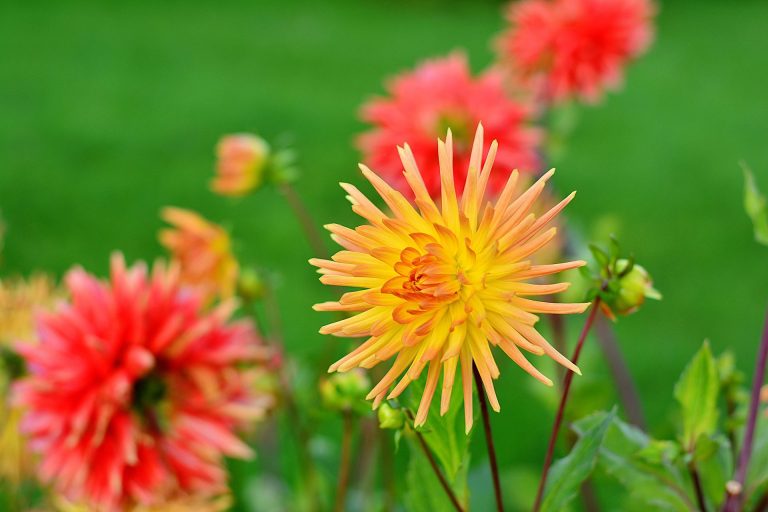
Self seeding flowers are a dream come true for gardeners who want beautiful results without constant upkeep. These easygoing plants drop their own seeds, return year after year, and quietly fill your garden with color while you do less work. Instead of replanting every season, you get a garden that naturally refreshes itself with vibrant blooms. It is a simple, satisfying way to create a full, lively garden that feels effortless and wonderfully alive.
The Charm of a Self-Sustaining Garden
A self-sustaining garden is not just a place of beauty; it’s a living, breathing ecosystem that requires minimal intervention. By choosing flowers that reseed themselves, you create a garden that evolves naturally, with each season bringing fresh waves of color and texture. As plants drop their seeds, they take root in the soil, sprouting into new life without the need for replanting. The result is a garden that is ever-changing, effortlessly vibrant, and undeniably enchanting.
Why Self Seeding Flowers Are Perfect for Busy Gardeners
 For those with packed schedules, self-seeding flowers are a dream come true. These low-maintenance beauties eliminate the need for annual replanting, allowing you to enjoy a lush garden without the time commitment. Once established, these flowers will return each year, often spreading to fill in bare spots and create a fuller, more abundant landscape. For busy gardeners, self seeding flowers offer the perfect balance of ease and aesthetic appeal.
How to Create a Flourishing Garden with Minimal Effort
Achieving a low-maintenance garden is easier than you might think. The key lies in selecting the right plants and giving them the conditions they need to thrive. Choose flowers that are well-suited to your climate and soil, and let them do the rest. Once planted, these flowers will take care of themselves, reseeding and regenerating year after year. With just a bit of thoughtful planning, you can create a flourishing garden that practically maintains itself.
What Are Self Seeding Flowers?
Self-seeding flowers are nature’s gift to the hands-off gardener. These flowers have the remarkable ability to drop their seeds at the end of their blooming cycle, which then germinate and grow into new plants the following season. It’s like nature’s version of recycling—one generation of flowers giving rise to the next, with no need for human intervention. Understanding how self seeding flowers work will help you unlock the secret to a garden that’s both dynamic and self-sustaining.
Understanding the Magic of Self Seeding
 Self-seeding is a process that allows certain flowers to spread their seeds naturally, without any help from gardeners. Once the flowers have finished blooming, they form seed pods that eventually release seeds into the soil. These seeds lie dormant until the conditions are just right—usually the following spring—when they begin to sprout. Over time, self seeding flowers can create a dense, thriving garden that fills itself in with little effort on your part.
How Self Seeding Flowers Work: Nature’s Effortless Garden Assistants
Nature has perfected the art of self-seeding. When a flower goes to seed, the wind, insects, or even gravity help disperse the seeds to new locations. Some flowers, like poppies and cosmos, scatter their seeds far and wide, while others, like foxgloves, gently drop them at their base. As long as the soil conditions are favorable, these seeds will germinate and grow into new plants, continuing the cycle year after year. This natural regeneration makes self-seeding flowers the ultimate garden assistants.
Self Seeding Annual Flowers That Return Without Replanting
Annual flowers that reseed themselves are the perfect way to keep your garden colorful throughout the year. These flowers bloom quickly, often within a few weeks of planting, and then reseed to ensure a continuous display of color. They’re ideal for gardeners who want an ever-changing landscape with minimal effort.
Why Annual Self-Seeders Are a Gardener’s Best Friend
Annual self-seeders are fast-growing and prolific, making them a gardener’s best friend. They bloom quickly, often producing flowers within just a few weeks of planting, and then drop their seeds to create a new generation the following year. This makes them perfect for filling in gaps and adding bursts of color throughout the growing season.
Cleome: The Spider Flower That Keeps Giving
 Cleome, with its distinctive spider-like blooms, is a flower that thrives on neglect. Its tall, spindly stems are topped with clusters of delicate pink, purple, and white flowers that bloom all summer long. Cleome easily reseeds itself, making it a perfect choice for gardeners who want a flower that keeps on giving, year after year.
Unique Spider-Like Blooms That Thrive on Neglect
Cleome’s unique blooms are unlike anything else in the garden. The spider-like petals create a striking silhouette, adding height and drama to any flower bed. Best of all, Cleome is incredibly easy to care for. It thrives in poor soil and requires very little water, making it the perfect low-maintenance addition to any garden. You can learn more about growing Cleome here.
How Cleome Easily Reseeds for Effortless Vertical Interest
Cleome’s tall, upright stems add vertical interest to the garden, and its ability to reseed itself ensures that it will return year after year. Once the flowers have finished blooming, they drop their seeds, which germinate the following spring. With very little effort, you can enjoy a garden full of towering, spider-like blooms season after season.
➡️ BUY CLEOME SEED HERE
~~~
Calendula (Pot Marigold): Bright, Bold, and Always Blooming
 Calendula, also known as pot marigold, is a cheerful, hardy flower that brings a pop of bright color to any garden. Its vibrant orange and yellow blooms are not only beautiful, but they also attract pollinators and help repel garden pests, making it a valuable addition to any eco-conscious gardener’s plot.
Cheerful Orange and Yellow Blooms That Keep Returning
Calendula’s bright, sunny blooms are a joy to behold. These hardy flowers thrive in a variety of conditions, and once they’ve been planted, they’ll reseed themselves and return year after year. Their cheerful colors brighten up the garden, even on the dullest of days. Find more information about growing Calendula here.
Calendula’s Benefits for Pollinators and Pest Control
Calendula is more than just a pretty flower. Its blooms attract beneficial pollinators like bees and butterflies, while its scent helps repel garden pests like aphids and whiteflies. Planting calendula not only adds color to your garden, but it also helps create a healthier, more balanced ecosystem.
➡️ BUY CALENDULA SEED HERE
~~~
Larkspur: Delphinium’s Carefree Cousin
 Larkspur, with its tall, spired blooms and vibrant colors, is often considered the carefree cousin of the more finicky delphinium. It’s a flower that thrives with minimal care, reseeding itself each year to create a stunning display of color and height.
Tall, Spired Blooms in Vibrant Shades
Larkspur’s tall, spired blooms come in a range of colors, from deep purples and blues to soft pinks and whites. These elegant flowers add height and drama to the garden, and their ability to reseed themselves ensures that they’ll return year after year, creating a natural, effortless display.
Larkspur’s Impressive Ability to Self-Seed and Naturalize
Larkspur is a prolific self-seeder, meaning it can quickly naturalize in your garden. Once established, it will spread its seeds each year, creating a lush, dense display of tall, spired blooms. This makes it a great choice for gardeners who want a flower that will take root and thrive with minimal intervention.
➡️ BUY LARKSPUR SEED HERE
~~~
Poppies: The Wildflower That Adds Drama
 Poppies are the epitome of wildflower beauty. Their delicate, fluttering petals and vibrant colors create a sense of drama and movement in the garden. Poppies are also incredibly easy to grow, reseeding themselves each year to fill in garden gaps with little to no effort on your part.
Dramatic, Fluttering Blooms in Every Color
Poppies come in a wide range of colors, from classic red to soft pink, purple, and even blue. Their delicate petals seem to flutter in the breeze, creating a sense of movement and drama in the garden. Once planted, poppies will reseed themselves, ensuring that these dramatic blooms return year after year.
How Poppies Fill in Garden Gaps with Zero Effort
Poppies are excellent for filling in gaps in the garden. Once they’ve been planted, they’ll drop their seeds and reseed themselves, often spreading to fill in any bare spots. This makes them a great choice for gardeners who want a lush, full garden without the need for constant replanting.
➡️ BUY POPPY SEED HERE
~~~
Cosmos: The Feather-Light Flower with Staying Power
 Cosmos is a light, airy flower that thrives in even the poorest of soils. Its delicate blooms and feathery foliage add a sense of lightness and movement to the garden, while its ability to reseed itself ensures that it will return year after year, providing a long-lasting display of beauty.
Airy, Delicate Flowers That Thrive in Poor Soil
Cosmos is a flower that thrives where others might struggle. It prefers poor, well-drained soil, and once planted, it requires very little water or care. Its delicate, daisy-like blooms come in shades of pink, white, and purple, and they add a sense of lightness and grace to the garden. Learn more about growing Cosmos here.
How Cosmos Reseeds to Create Long-Lasting Seasonal Beauty
Cosmos is a prolific self-seeder, meaning that once it’s been planted, it will continue to return year after year. Its seeds are easily dispersed by the wind, allowing it to spread and fill in any bare spots in the garden. With minimal care, cosmos will provide long-lasting seasonal beauty that evolves naturally over time.
➡️ BUY COSMOS SEED HERE
~~~
How to Mix Annuals and Perennials for a Dynamic Display
Combining self-seeding annuals with perennials creates a garden that’s both dynamic and low-maintenance. The annuals provide quick, vibrant color, while the perennials offer structure and longevity. Together, they create a garden that changes with the seasons, offering a constant source of interest.
Self-Seeding Perennial Flowers: Year-After-Year Perfection
Perennial self-seeding flowers are the backbone of any sustainable garden. These hardy plants come back year after year, often spreading to create a dense, lush landscape. Combining self-seeding perennials with annuals can create a balanced garden that’s both dynamic and low-maintenance.
Why Perennial Self-Seeders Are the Backbone of a Sustainable Garden
Perennial self-seeders are the foundation of a sustainable garden. These hardy plants return each year, often spreading to create a fuller, more lush landscape. By combining perennials with self-seeding annuals, you can create a garden that’s both dynamic and low-maintenance, offering beauty and structure throughout the seasons.
Columbine (Aquilegia): The Wild Beauty That Never Disappoints
 Columbine, with its graceful, spurred blooms and vibrant colors, is a flower that never disappoints. It’s a wild beauty that thrives in both sun and shade, and its ability to reseed itself ensures that it will return year after year, spreading naturally throughout your garden.
Graceful, Spurred Blooms in Vibrant Shades
Columbine’s delicate, spurred blooms come in a range of vibrant colors, from deep purples and blues to soft pinks and whites. These graceful flowers add a touch of wild beauty to the garden, and their ability to reseed themselves ensures that they’ll return year after year. You can read my full guide about growing Columbine here.
How Columbine Spreads Without Taking Over
Columbine is a prolific self-seeder, but it’s not aggressive. It spreads naturally, filling in bare spots and creating a dense, lush display of blooms without crowding out other plants. This makes it a great choice for gardeners who want a flower that will take root and thrive without becoming invasive.
➡️ BUY COLUMBINE SEED HERE
~~~
Echinacea (Coneflower): The Pollinator Magnet
 Echinacea, also known as coneflower, is a vibrant, hardy flower that attracts pollinators like bees and butterflies. Its large, daisy-like blooms come in shades of pink and purple, and its ability to reseed itself ensures that it will return stronger each year, creating a garden that’s both beautiful and beneficial for wildlife.
Vibrant Pink and Purple Flowers That Love Dry Soil
Echinacea’s large, daisy-like blooms come in vibrant shades of pink and purple, adding a bold pop of color to the garden. This hardy flower thrives in dry, well-drained soil, making it a great choice for low-maintenance gardens. Once established, Echinacea requires very little water, and its blooms will return year after year. Find out more about how I grow Echinacea here.
Echinacea’s Ability to Return Stronger Each Year
Echinacea is a self-seeding perennial, meaning that it will return stronger each year. Its seeds are easily dispersed by the wind, allowing it to spread and fill in any bare spots in the garden. With minimal care, Echinacea will create a vibrant, thriving display of blooms that attracts pollinators and enhances the beauty of your garden.
➡️ BUY ECHINACEA SEED HERE
~~~
Lupine: Tall Spires of Color for Dramatic Impact
 Lupine’s tall, spired blooms create a dramatic impact in the garden. These stunning flowers come in shades of purple, blue, and pink, and their ability to reseed themselves ensures that they’ll return year after year, creating a bold, colorful display.
Stunning Blooms in Purple, Blue, and Pink
Lupine’s tall, spired blooms are a sight to behold. These stunning flowers come in a range of colors, from deep purples and blues to soft pinks and whites. Their dramatic height and vibrant hues make them a standout in any garden, and their ability to reseed themselves ensures that they’ll return year after year. See my full post Growing Lovely Lupine from Seed: A Complete Guide for Every Garden for more info.
How Lupines Naturalize and Reseed with Little Care
Lupines are prolific self-seeders, meaning that they can quickly naturalize in your garden. Once established, they’ll drop their seeds and spread, creating a dense, lush display of tall, spired blooms. With minimal care, lupines will thrive and spread, creating a bold, colorful display that lasts for years.
➡️ BUY LUPINE SEED HERE
~~~
Foxglove (Digitalis): Elegant Spires That Add Height
 Foxglove’s tall, elegant spires of bell-shaped blooms bring vertical interest to the garden. This stately flower thrives in woodland and cottage gardens, where its ability to reseed itself ensures that it will return year after year, adding height and structure to your garden. You can learn more about growing Foxglove here.
Bell-Shaped Blooms That Bring Vertical Interest
Foxglove’s bell-shaped blooms come in shades of purple, pink, and white, creating a stately, elegant display in the garden. These tall, upright flowers add vertical interest to any garden, and their ability to reseed themselves ensures that they’ll return year after year, creating a natural, effortless display of height and beauty.
Why Foxgloves Are Perfect for Woodland or Cottage Gardens
Foxgloves thrive in woodland and cottage gardens, where their tall, elegant spires add a touch of old-world charm. Their ability to reseed themselves ensures that they’ll return year after year, creating a natural, effortless display that adds height and structure to your garden.
➡️ BUY FOXGLOVE SEED HERE
~~~
Rudbeckia (Black-Eyed Susan): Sunshine in a Flower

Rudbeckia, also known as Black-Eyed Susan, is a cheerful, hardy flower that brings a burst of sunshine to any garden. Its golden yellow petals and dark centers create a striking contrast, and its ability to reseed itself ensures that it will return year after year, attracting pollinators and adding color to your garden.
Golden Yellow Petals with Dark Centers That Never Quit
Rudbeckia’s golden yellow petals and dark centers create a stunning contrast that adds a pop of color to any garden. This hardy flower thrives in a variety of conditions, and once planted, it will reseed itself and return year after year, creating a garden full of sunshine and color. Learn more about how I grow rudbeckia here.
Rudbeckia’s Ability to Self-Seed and Attract Pollinators Effortlessly
Rudbeckia is not only a beautiful flower, but it’s also a magnet for pollinators. Its bright blooms attract bees and butterflies, while its ability to reseed itself ensures that it will return year after year, creating a garden that’s both beautiful and beneficial for wildlife.
➡️ BUY RUDBECKIA SEED HERE
~~~
Combining Self-Seeding Perennials with Annuals for a Balanced Garden
A balanced garden is one that combines the long-lasting structure of perennials with the quick-growing color of annuals. Self-seeding perennials provide a reliable foundation, while annuals add bursts of color and interest. Together, they create a garden that’s ever-changing, yet always beautiful.
Benefits of Planting Self Seeding Flowers
The benefits of self-seeding flowers go far beyond their low-maintenance nature. These flowers offer effortless beauty that endures year after year, without the need for replanting. They also help create a biodiverse garden, attracting pollinators like bees, butterflies, and birds. Best of all, self-seeding flowers require very little water once established, making them a sustainable choice for eco-conscious gardeners.
Effortless Beauty Year After Year
 Self-seeding flowers provide a steady supply of blooms year after year, without the need for replanting. Once they’ve been introduced to your garden, they will continue to reseed and grow, offering a constant display of color and life. This means less work for you and more time to enjoy the beauty of your garden.
Reduced Need for Replanting
One of the most appealing benefits of self-seeding flowers is their ability to reduce the need for annual replanting. Instead of having to start fresh each spring, you can sit back and let these flowers take care of themselves. As they reseed, they’ll fill in any gaps and create a fuller, more lush garden with each passing season.
Attracting Pollinators and Enhancing Biodiversity
 Self-seeding flowers are a magnet for pollinators, which helps to enhance the biodiversity of your garden. By attracting bees, butterflies, and birds, these flowers help to support local ecosystems and contribute to the health of your garden as a whole. The result is a vibrant, thriving environment that benefits both plants and wildlife.
Low Water and Maintenance Requirements
Once established, self-seeding flowers are incredibly drought-tolerant, requiring very little water to thrive. This makes them an excellent choice for gardeners looking to reduce their water usage. Additionally, because they reseed themselves, there’s less need for ongoing maintenance. With just a little care, these flowers will continue to bloom and spread year after year.
Choosing the Right Spot for Self-Seeding Flowers
The success of your self-seeding flowers depends largely on where you plant them. While many of these flowers are adaptable, choosing the right spot can help ensure they reseed and thrive year after year. Consider soil conditions, sunlight, and how you want your garden to evolve when selecting planting locations.
Ideal Soil Conditions for Successful Reseeding
Most self seeding flowers prefer well-drained soil that’s rich in organic matter. Loamy soil is often the best choice, as it provides the right balance of nutrients and drainage. However, many self-seeders, like cosmos and poppies, will also thrive in poor soil conditions, making them a versatile option for a variety of garden settings.
The Importance of Sunlight: Find the Right Balance
 Sunlight is crucial for the success of self seeding flowers. Most of these flowers thrive in full sun, where they can soak up the light they need to produce seeds. However, some varieties, like foxgloves and columbines, prefer partial shade. Understanding the light requirements of each flower will help you place them in the ideal spot for reseeding success.
How to Create Naturalistic Planting Schemes for Self-Seeders
When designing a garden with self-seeding flowers, consider creating a naturalistic planting scheme. This approach allows the flowers to spread and grow in a way that mimics their natural habitats. Mixing self-seeding annuals and perennials can create a dynamic, ever-changing garden that feels both wild and intentional.
How to Encourage Self-Seeding in Your Garden
While self-seeding flowers are low-maintenance, there are a few steps you can take to encourage them to thrive. Letting the flowers go to seed, mulching appropriately, and establishing a low-maintenance weeding routine can all help your garden flourish without much effort.
Letting Flowers Go to Seed: Timing and Technique
To encourage self-seeding, it’s important to let your flowers go to seed at the end of their bloom cycle. This means resisting the urge to deadhead them too early. Instead, allow the flowers to wither and drop their seeds naturally. This will give the seeds the best chance to germinate and grow into new plants the following season.
Best Practices for Mulching and Ground Cover
Mulching is important for retaining moisture and keeping the soil cool, but it’s also essential to leave some bare patches for the seeds to settle. Too much mulch can prevent seeds from reaching the soil, so be strategic in where you place it. Ground cover plants can also be a helpful way to protect the soil without smothering your self-seeders.
Creating a Low-Maintenance Weeding Routine
Weeds can compete with your self seeding flowers for nutrients and space, so it’s important to establish a low-maintenance weeding routine. Pulling weeds early in the season, before they have a chance to take hold, will help your flowers spread and reseed more effectively.
How to Manage Self-Seeding Flowers in Your Garden
Self-seeding flowers are a joy to have in the garden, but it’s essential to manage them properly to avoid overcrowding or unwanted spread. With a few simple techniques, you can maintain a thriving garden that strikes the perfect balance between wild beauty and orderly growth.
Preventing Over-Seeding and Crowding
While self-seeding flowers add a natural charm, they can sometimes become too enthusiastic. Preventing over-seeding is key to maintaining garden harmony. Thin out seedlings in the spring if they become too dense, and remove any unwanted plants before they go to seed. This ensures that your garden remains lush without becoming overwhelmed.
How to Collect and Store Seeds for Future Seasons
If you want to control where your flowers reseed or share them with fellow gardeners, collecting seeds is a great option. Allow the seed heads to dry on the plant, then carefully harvest them. Store seeds in a cool, dry place, preferably in labeled paper envelopes or glass jars, to keep them viable for future planting.
The Benefits of Deadheading Versus Leaving Flowers to Seed
Deadheading is the process of removing spent flowers to encourage more blooms. For gardeners who prefer a neater look or want to prolong blooming, deadheading can be beneficial. However, leaving some flowers to go to seed ensures a new generation of plants for the following year. Strike a balance by deadheading selectively while allowing a few flowers to seed naturally. For more information on deadheading, check out this article from Penn State.
Designing a Self Seeding Flower Garden
Designing a garden with self-seeding flowers requires thoughtfulness to create a space that looks both vibrant and intentional. By choosing the right plants and arranging them thoughtfully, you can achieve a garden that’s not only beautiful but also easy to maintain.
Best Combinations of Annuals and Perennials for Year-Round Blooms
Mixing annual and perennial self-seeders provides continuous blooms throughout the growing season. Pair annuals like poppies and cosmos with perennials such as echinacea and rudbeckia for year-round color. This blend offers the quick results of annuals while ensuring long-term beauty with perennials.
How to Create Layers and Textures with Self-Seeding Flowers
A well-designed garden features layers of varying heights and textures. Use tall plants like foxglove and larkspur at the back or center of a bed, medium-height blooms like echinacea in the middle, and shorter flowers like calendula along the edges. This layering effect creates depth and visual interest, making your garden look lush and full.
The Art of Allowing Nature to Take Its Course
A self seeding flower garden is all about embracing a naturalistic approach. Letting nature guide your garden’s evolution can create unexpected beauty. Some of the best garden designs happen when plants are allowed to self-seed freely, mingling together in new and surprising combinations each year.
Troubleshooting: Common Issues with Self-Seeding Flowers
While self-seeding flowers are generally low-maintenance, there are a few common challenges that gardeners might face. Fortunately, most issues are easy to manage with a bit of attention and care.
When Flowers Don’t Reseed as Expected
Sometimes, flowers that typically reseed fail to return. This can happen if the seeds were eaten by birds, washed away by rain, or simply didn’t germinate due to unfavorable conditions. To ensure reseeding success, leave a few seed heads on the plants each season and avoid over-mulching, which can smother seeds.
Dealing with Aggressive Reseeders
While most self seeding flowers behave well, some can become overly aggressive and take over your garden. To manage this, keep an eye on prolific seeders and remove excess seedlings in the spring. If necessary, limit their spread by planting them in containers or designated areas where you can control their growth.
How to Handle Garden Pests and Diseases Naturally
Self seeding flowers are generally hardy, but they’re not immune to pests and diseases. Encouraging biodiversity in your garden can help keep these issues in check. Companion planting with pest-repellent flowers like calendula, attracting beneficial insects, and using organic treatments like neem oil can keep your garden healthy without resorting to harsh chemicals.
Final Thoughts
Creating a garden filled with self seeding flowers is the ultimate way to enjoy nature’s effortless beauty. With minimal care and a little planning, you can cultivate a garden that returns year after year, evolving with the seasons and providing endless color and interest. Let nature lead the way, and your garden will become a self-sustaining haven of blooms, buzzing with pollinators and brimming with life.
FAQ About Self-Seeding Flowers
What are self-seeding flowers?
Self-seeding flowers are plants that naturally drop their seeds at the end of their blooming cycle, allowing new plants to grow the following season without human intervention. They create a self-sustaining garden that evolves over time.
How do self-seeding flowers work?
These flowers disperse their seeds through wind, insects, or gravity once they go to seed. The seeds lie dormant until the right conditions arise, typically in spring, leading to new growth each year.
What are the benefits of planting self-seeding flowers?
Self-seeding flowers offer low maintenance, continuous blooms, enhanced biodiversity by attracting pollinators, and reduced water needs once established, making them an eco-friendly choice for gardeners.
What are some popular self-seeding flowers?
Popular options include Echinacea (Coneflower), Calendula (Pot Marigold), Larkspur, Poppies, Cosmos, Cleome, Columbine, and Lupine. Each of these flowers adds unique beauty and has its own benefits.
How can I encourage self-seeding in my garden?
To encourage self-seeding, allow flowers to go to seed naturally, practice strategic mulching, and maintain a low-maintenance weeding routine to give seeds the best chance to germinate and grow.
What soil conditions do self-seeding flowers prefer?
Most self-seeding flowers thrive in well-drained soil rich in organic matter. However, many can also adapt to poorer soil conditions, making them versatile for various garden settings.
How much sunlight do self-seeding flowers need?
Most self-seeding flowers prefer full sun for optimal growth, though some, like foxgloves and columbines, can thrive in partial shade. Understanding the specific light needs of each variety will help ensure their success.
Are self-seeding flowers suitable for all garden types?
Yes! Self-seeding flowers can fit into various garden styles, including cottage gardens, wildflower gardens, and more structured designs. They can create a naturalistic look while providing color and life.
Do self-seeding flowers require a lot of maintenance?
No, self-seeding flowers are generally low-maintenance. Once established, they require minimal care, such as occasional weeding and watering, allowing gardeners to enjoy their beauty without much effort.
Are self seeding flowers perennials or annuals?
Most self seeding flowers are annuals or biennials that return by dropping seed, even though the original plant completes its life cycle. Some perennials also self seed, which adds to their staying power and helps fill gaps naturally over time.
Do self seeding flowers spread too much?
They can spread generously, but they are usually easy to manage. Unwanted seedlings can be pulled while small, and spacing improves naturally when you thin plants early in the season.
Are self seeding flowers good for beginners?
Yes, they are one of the easiest choices for new gardeners. Self seeding flowers forgive small mistakes, require less planning, and reward beginners with reliable blooms season after season.