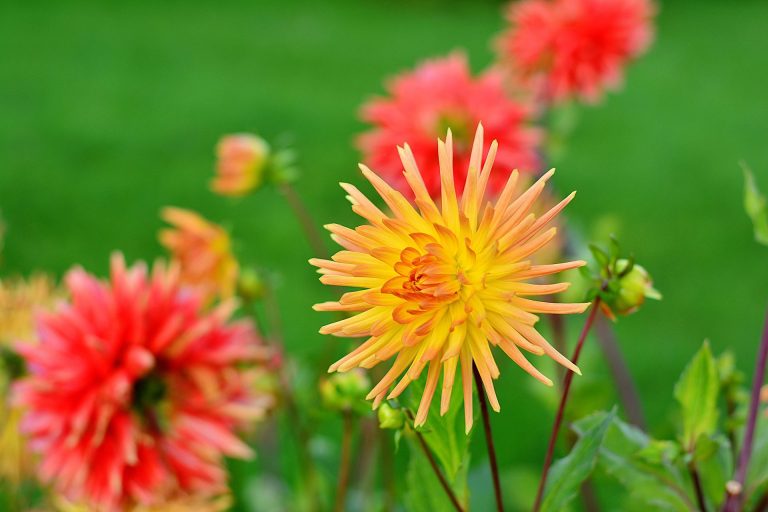
I walk my own woodland trails often, and every season I’m reminded how many remarkable wildflowers grow right under my feet. The canopy keeps the light soft, the leaves underfoot settle into a familiar earthy scent, and pockets of color appear in places I’ve passed a hundred times. These wildflowers aren’t showy, but they stand out in their own steady way. They brighten shady corners, mark the progress of the seasons, and make each walk feel like a small discovery.
The Magic of Woodland Blooms
How shade-loving flowers bring color and charm to forest paths
Shade-loving wildflowers are masters of subtlety. They don’t compete with the sun-drenched brilliance of open meadows; instead, they glow from within, their hues enriched by the soft-filtered light. Blues seem deeper, whites more luminous, and reds richer against the forest’s muted greens and browns. Together, they stitch a tapestry of color across the woodland floor, guiding your steps like a living mosaic.
The role of native plants in supporting woodland ecosystems
Native wildflowers are more than just beautiful—they’re ecological keystones. Their blooms feed pollinators that have evolved alongside them for centuries, while their roots knit soil together and recycle nutrients. These plants offer shelter to insects, food for songbirds, and stability for the entire forest ecosystem. When woodland wildflowers flourish, the whole woodland hums with life.
Virginia Bluebells in Bloom

From pink buds to blue blossoms: a springtime transformation
Virginia Bluebells offer a spectacle of transformation. Their buds blush pink before opening into clusters of soft, trumpet-shaped flowers in the clearest sky-blue. This gentle shift from one hue to another feels like watching spring itself unfurl.
Ideal woodland conditions for thriving bluebells
They flourish in moist, fertile soils along shaded streambanks and floodplains. Plant them in places that mimic these conditions, and you’ll have a dependable sea of blue every spring.
👉Buy Virginia Bluebells Here
Trillium Treasures

The signature three-petaled beauty of Trillium
Few sights rival the elegance of a Trillium in bloom. With its iconic three petals and three leaves, this spring ephemeral stands as a symbol of purity and balance. The blooms can be pristine white, delicate pink, or a deep, regal maroon, each appearing like a forest jewel atop a slender stem.
Tips for spotting white, pink, and maroon varieties in the wild
Trilliums often form colonies, carpeting forest floors in a painter’s palette of color. Look for them in moist, rich soils beneath deciduous trees, especially in April and May. White Trilliums often fade to pink as they age, while maroon varieties tend to favor slightly drier, upland slopes.
👉Buy Trilliums Here
Bloodroot’s Brief but Brilliant Show

Why Bloodroot is among the first to bloom in spring
Bloodroot wastes no time when winter releases its grip. Its pristine white petals and golden centers appear before the forest canopy fully leafs out, capturing every drop of sunlight. The flowers last only a few days, making each sighting a fleeting gift.
Fascinating folklore behind its name and red sap
Its name comes from the vivid red-orange sap that seeps from its rhizome when cut. Indigenous peoples once used this pigment for dyes and ceremonial paints, adding a layer of human history to its botanical charm.
👉Buy Bloodroot Here
Jack-in-the-Pulpit’s Curious Charm

Unveiling the hooded spathe and its “preacher” inside
With its striped hood curving over a central column, Jack-in-the-Pulpit looks as if a tiny preacher is delivering a sermon to the forest congregation.
How this plant adapts to shady, moist woodland soils
This perennial thrives in rich, damp soils, often near streams or in low-lying areas. Remarkably, it can change gender from year to year depending on its energy reserves, a botanical quirk few plants share.
👉Buy Jack-in-the-Pulpit Here
Mayapple’s Umbrella Canopy

Large leaves that create their own shady world
Mayapples sprout in colonies, each plant hoisting a single or double umbrella-like leaf. From above, they form a miniature green canopy across the forest floor.
The secret white flower hidden beneath the foliage
Beneath those leaves hides a solitary, waxy white flower, often missed by passersby. By midsummer, the blooms give way to yellow fruits enjoyed by wildlife.
👉Buy Mayapples Here
Wild Geranium’s Woodland Glow

Soft blue-lavender petals that light up dappled shade
Wild Geranium blooms in clusters of five-petaled flowers, their veined petals catching the light in ways that make them seem almost luminous.
Encouraging natural colonies for a carpet of blooms
Once established, they gently self-seed, creating expansive drifts that return reliably each year.
👉Buy Wild Geranium Here
Dutchman’s Breeches Dangling Delight

The quirky, pant-shaped flowers along arching stems
Looking like tiny white trousers hung out to dry, Dutchman’s Breeches dangle in neat rows along arching stems.
Why they are a pollinator favorite in early spring
Their nectar-rich blooms are a feast for early-emerging bumblebees, which have the tongue length needed to reach inside the narrow flowers.
👉Buy Dutchman’s Breeches Here
Solomon’s Seal’s Elegant Arches

Graceful stems with dangling white bells
Solomon’s Seal forms elegant, arching stems from which pairs of creamy white bells sway gently in the breeze.
Pairing with other woodland plants for layered beauty
It pairs beautifully with ferns, hostas, and foamflowers, creating a layered understory reminiscent of natural woodlands.
👉Buy Solomon’s Seal Here
Columbine’s Colorful Spires

Red and yellow blooms that lure hummingbirds
Columbine’s nodding flowers look like tiny lanterns, glowing in vibrant red and sunny yellow. Hummingbirds can’t resist their sweet nectar.
Thriving on the edges of shady trails
Columbine prefers the transition zone between forest and clearing, where it receives morning light and afternoon shade. For more information on growing Columbine see my post Aquilegia Columbine: The Perfect Choice for Shady Spots.
👉Buy Columbine Here
Bee Balm’s Burst of Summer Color

Spiky blooms in shades of pink, purple, and red
Bee Balm is summer’s exclamation point in the woodland garden, its whorled flowers alive with bees and butterflies.
How to keep Bee Balm healthy in partial woodland shade
Provide good air circulation to prevent powdery mildew, and cut back after blooming for a second flush of flowers. For a complete guide to growing Monarda, see my post How to Grow Monarda Bee Balm: Tips for Pollinator Paradise.
👉Buy Bee Balm Here
Creating Your Own Shady Trail Garden
When choosing the right location for a woodland-inspired bed select a spot beneath deciduous trees where filtered light reaches the soil, and where moisture remains consistent.
Layer plants for year-round interest. Mix spring ephemerals with mid- and late-season bloomers to keep the garden vibrant from thaw to frost.
Seasonal Guide to Woodland Wildflowers

Early-spring ephemerals that vanish by summer
Bloodroot, Dutchman’s Breeches, and Trillium herald the season, disappearing as tree leaves block the sun.
Mid-season bloomers that carry the show
Wild Geranium, Columbine, and Solomon’s Seal keep the trails colorful in late spring and early summer.
Late-season color to close the year in style
Bee Balm and woodland goldenrods ensure the forest floor glows into autumn.
Caring for Woodland Wildflowers

Soil preparation and moisture needs for shade gardens
Work in organic matter to mimic the rich humus of natural woodlands, and ensure steady moisture without waterlogging.
Mulching and leaf litter: mimicking the forest floor
Allow autumn leaves to decompose in place. They’re nature’s mulch, protecting roots and feeding the soil.
Wildlife Wonders

Butterflies, bees, and hummingbirds adore woodland blooms. From early bumblebees to migrating hummingbirds, woodland wildflowers sustain a vibrant web of life.
Wildflowers support forest biodiversity. Each species plays a role in supporting the insects, birds, and mammals that call the forest home.
Conservation and Responsible Foraging
Native wildflowers should never be dug up from the wild. Many woodland species take years to mature and are easily destroyed if removed. Buy from reputable native plant nurseries and help preserve these treasures in their natural homes.
Final Thoughts
In the hush of the woods, woodland wildflowers shine brightest. They bring joy to the wandering soul, feed the forest’s creatures, and remind us that beauty often thrives in the most unexpected, shaded places. To walk among them is to step into a quieter, richer world, one worth cherishing, protecting, and revisiting season after season.
FAQ About Woodland Wildflowers
How much shade do woodland wildflowers really need?
Most woodland wildflowers thrive in partial to full shade, especially under deciduous trees where spring light filters through before the canopy fills in.
Can I grow woodland wildflowers in a regular garden bed?
Yes, as long as you recreate woodland conditions with rich soil, steady moisture, and protection from harsh afternoon sun.
Do woodland wildflowers spread on their own?
Many do. Plants like Wild Geranium, Trillium, and Solomon’s Seal gradually form colonies through rhizomes or gentle self seeding.
What time of year do woodland wildflowers bloom?
Bloom times vary by species, but many begin in early spring before trees leaf out, with others extending bloom into summer and early fall.
Are woodland wildflowers good for pollinators?
Absolutely. These plants support early emerging bees, hummingbirds, and a wide range of woodland insects.
Do I need special soil to grow woodland wildflowers?
They prefer humus rich soil with plenty of organic matter, similar to what you’d find naturally on a forest floor.
Can I collect woodland wildflowers from the wild?
It’s best not to. Many species are slow growing and sensitive to disturbance. Always purchase from ethical native plant nurseries.
Which woodland wildflowers are easiest for beginners?
Wild Geranium, Columbine, Solomon’s Seal, and Bee Balm adapt well to garden settings and are fairly low maintenance.
How do I keep my woodland garden looking good all season?
Combine early spring ephemerals with mid and late season bloomers, and leave leaf litter in place to protect the soil and roots.
Are woodland wildflowers deer resistant?
Some are more resistant than others. Plants like Bee Balm, Solomon’s Seal, and Wild Geranium tend to be less appealing to deer.