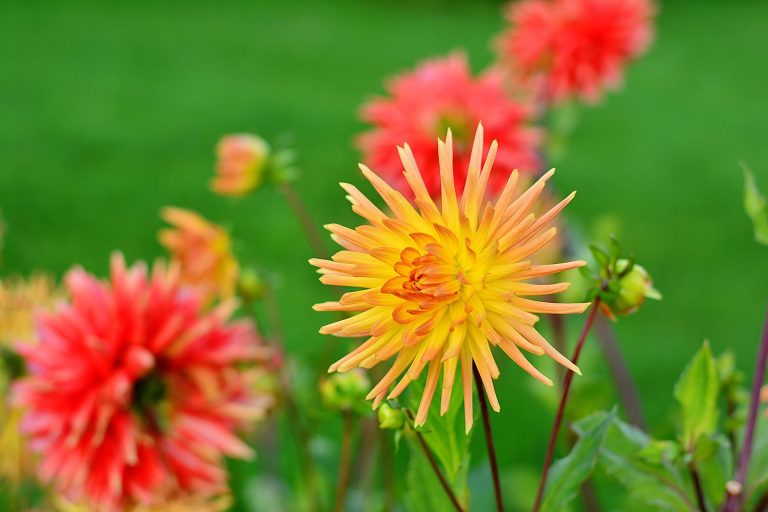
Zinnias not blooming is a common problem that frustrates many gardeners, especially when plants appear healthy but produce few flowers. In most cases, the problem comes down to too much nitrogen, not enough sunlight, overcrowding, or simply waiting for the plants to mature.
The good news is that most blooming problems can be corrected, and zinnias often rebound quickly once growing conditions improve.
Do Zinnias Need Full Sun to Bloom?

Zinnias are sun-loving annuals that need at least 6 to 8 hours of direct sunlight each day. Plants grown in partial shade often produce lots of leaves but very few flowers.
If nearby trees, shrubs, or taller plants are blocking the sun, your zinnias may struggle to bloom. The more sunlight they receive, the more flowers they typically produce.
Can Too Much Fertilizer Stop Zinnias From Blooming?
One of the most common reasons zinnias fail to bloom is excessive nitrogen. High-nitrogen fertilizers encourage lush green growth, but they can delay flower production.
If your plants are tall, leafy, and dark green but have few buds, too much nitrogen may be encouraging foliage at the expense of flowers. In this situation, I prefer using Dr. Earth Flower Girl Bud & Bloom Booster 4-10-7 because it is designed to support flowering plants rather than excessive leafy growth. The higher phosphorus content can help zinnias focus more energy on producing blooms.
Recommended: Dr. Earth Flower Girl Bud & Bloom Booster 4-10-7 Fertilizer
I use this fertilizer when plants are producing lots of foliage but need encouragement to set more flower buds.
Are Crowded Zinnias Less Likely to Flower?
 Crowded zinnias compete for sunlight, water, and nutrients. Poor air circulation can also increase disease problems that weaken the plants.
Depending on the variety, most zinnias benefit from spacing of 6 to 18 inches apart. Thinning overcrowded plants can improve flowering and overall plant health.
How Long Do Zinnias Take to Bloom?
Some gardeners become concerned before their zinnias have had enough time to mature. Most varieties begin blooming about 60 to 80 days after planting from seed.
If your plants look healthy and are growing steadily, patience may be all that’s required. Once blooming starts, many varieties continue producing flowers until frost.
Should You Deadhead Zinnias for More Flowers?
 Zinnias are prolific bloomers when encouraged to keep producing new flowers. Allowing old blooms to remain on the plant can slow down future flowering.
Regular deadheading signals the plant to produce more buds instead of focusing on seed production. Simply snip faded flowers just above a set of leaves.
Can Drought Stress Reduce Zinnia Blooms?
 While zinnias tolerate heat well, prolonged dry conditions can reduce blooming. Plants under stress often focus on survival rather than flower production.
Water deeply when the top few inches of soil become dry. Consistent moisture helps support continuous flowering throughout the summer.
Do Zinnia Diseases Affect Flower Production?
Powdery mildew and other fungal diseases can weaken zinnias and reduce flower production. Infected plants may have yellowing leaves, white powdery growth, or stunted development.
Proper spacing, good air circulation, and watering at the base of the plant can help prevent many common diseases.
How to Fix Zinnias Not Blooming
 If your zinnias are not blooming well, try these simple steps:
- Make sure they receive full sun.
- Avoid high-nitrogen fertilizers.
- Deadhead faded flowers regularly.
- Water during extended dry periods.
- Thin overcrowded plants.
- Remove diseased foliage promptly.
Many gardeners see improved flowering within a few weeks after correcting these issues.
Related Zinnia Articles
For more help growing healthy zinnias, check out these guides:
- Zinnias 101: Planting, Growing, and Loving Them
- Pinching Zinnias: The Simple Trick That Doubles Your Blooms
- If your Zinnias get Japanese Beetles: How to Get Rid of Japanese Beetles Naturally Without Harming Pollinators
- Best Cottage Garden Companion Plants for Zinnias
FAQ: Zinnias Not Blooming?
Will zinnias bloom after being fertilized too much?
Yes. If excessive nitrogen is the problem, reducing fertilizer applications often encourages flower production once the plants redirect energy toward blooming.
Should I pinch zinnias to get more flowers?
Pinching young plants can encourage branching, which often results in more flowering stems and a larger display later in the season.
Do zinnias bloom in partial shade?
They may bloom, but flowering is usually reduced. Full sun produces the best results.
How long do zinnias take to bloom from seed?
Most zinnia varieties begin flowering about 60 to 80 days after planting, although some bloom sooner.
Can overwatering prevent zinnias from blooming?
Excessively wet soil can stress plants and contribute to disease issues. Zinnias prefer well-drained soil and moderate watering.
Why Are My Zinnias Growing but Not Blooming?
Healthy growth without flowers is often caused by too much nitrogen fertilizer, insufficient sunlight, or plants that have not reached maturity. Zinnias need plenty of direct sun and balanced nutrition to produce abundant blooms.
Why Do Zinnias Have Leaves but No Flowers?
When zinnias produce lots of foliage but few flowers, the most common causes are excess nitrogen, overcrowding, or too much shade. Correcting these conditions usually encourages bud formation and flowering.
Can Too Much Nitrogen Prevent Zinnias From Blooming?
Yes. Nitrogen promotes leafy growth, but excessive amounts can delay or reduce flowering. If your zinnias are tall, lush, and green but lack blooms, switching to a balanced fertilizer may help.
Why Are My Zinnia Plants Tall but Not Flowering?
Tall zinnias with few flowers are often receiving too much nitrogen or are stretching for additional sunlight. Make sure plants are growing in full sun and avoid overfertilizing to encourage more blooms.
Final Thoughts on Zinnias Not Blooming
Most cases of zinnias not blooming can be traced to too much nitrogen, insufficient sunlight, overcrowding, or plants that simply need more time to mature. Once you identify the cause and make a few adjustments, zinnias often reward gardeners with weeks of colorful blooms through summer and into fall.