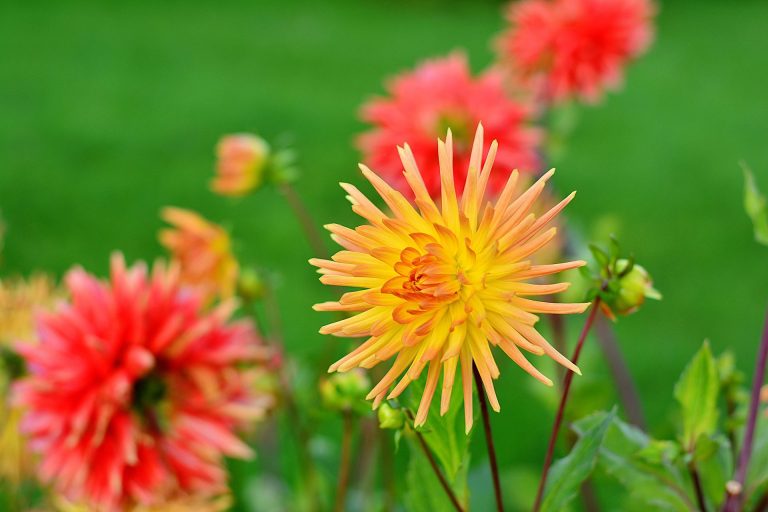
Is painted daisy worth growing? Absolutely! Painted daisy (Ismelia carinata), also known as tricolor daisy, is an easy annual that has earned a permanent spot on my grow-again list. I direct sowed the seeds for the first time this year, had 100% germination, and enjoyed a summer full of colorful blooms. Even better, my plants kept flowering after a hard frost.
That is quite a performance from a flower I had never grown before. Next year, I plan to sow more and find a few additional places for it in the garden.
If you are looking for an easy annual that brings cheerful color to a cottage garden, painted daisy is well worth trying. Here is what I learned growing it, along with the planting and care tips I would want to know if I were starting from scratch.
Painted Daisy Quick Facts
- Botanical name: Ismelia carinata, formerly Chrysanthemum carinatum
- Common names: Painted daisy, tricolor daisy, annual chrysanthemum
- Plant type: Hardy annual
- Growing zones: Can be grown as an annual in all zones
- Mature size: Typically 18-24″ inches tall and 10-12 inches wide, depending on the variety and growing conditions
- Bloom time: Early summer until frost under favorable conditions
- Light: Full sun
- Soil: Average, well-drained soil
- Water: Regular watering while young, then supplemental water during dry spells
- Maintenance: Low to moderate, with occasional deadheading and optional pinching
- Possible problems: Aphids, leaf miners, powdery mildew, and floppy stems
What Is Painted Daisy?
 Painted daisy is an annual flower with cheerful, daisy-shaped blooms decorated with contrasting rings of color. Depending on the variety, the flowers may feature combinations of white, yellow, red, and orange surrounding a darker center. The distinctive markings give the flowers their painted appearance and explain the common name tricolor daisy.
The foliage is bright green and finely divided, giving the plants a soft, almost feathery look. Plants develop branching stems and can grow into attractive, flowering clumps that bring plenty of color to a sunny border.
Painted daisy fits beautifully into a cottage garden, where its informal shape and colorful flowers blend naturally with other annuals and perennials. It is also worth considering for a cutting garden, since the long stems make it useful for adding a little garden color to bouquets.
What appeals to me most is how much this flower gives without requiring a complicated growing routine. Sometimes the best garden discoveries are the plants that quietly outperform your expectations.
How I Grew Painted Daisy From Seed
 I direct sowed painted daisy seeds in the garden for the first time this year, and every seed germinated. That was a wonderful surprise! I expected a few seeds might fail, but I couldn’t have asked for a better start.
I direct sowed my painted daisy seeds in the garden for the first time this year, and every seed germinated. That was a wonderful surprise! If you would like to grow painted daisy in your own garden, you can find painted daisy seeds here:
👉 Buy Painted Daisy Seed Here
When to Sow Painted Daisy Seeds
Sow seeds in spring as soon as the soil can be worked. Painted daisy is a hardy annual that tolerates cool conditions and light frost, so there is no need to wait until the weather is consistently warm.
In my Zone 5 garden, spring sowing worked beautifully. Your exact planting time will depend on your climate, soil conditions, and local spring weather.
How to Plant the Seeds
- Choose a sunny spot with well-drained soil.
- Prepare the planting area by loosening the soil and removing weeds.
- Scatter the seeds or sow them where you want the plants to grow.
- Cover the seeds lightly with about 1/8 inch of soil.
- Water gently and keep the soil evenly moist until the seedlings emerge.
- Thin the seedlings to approximately 8-12 inches apart, allowing room for the plants to branch.
Germination commonly takes one to three weeks, depending on soil temperature and growing conditions. Avoid letting the seedbed dry out completely during this period.
Can You Start Painted Daisy Indoors?
Yes. You can start painted daisy indoors if you want more control over planting time or prefer to get a head start on the season. Sow the seeds in containers a few weeks before your intended outdoor planting date, then harden off the seedlings before transplanting.
However, I found direct sowing so easy that I see little reason to add the extra steps next year.
Growing from seed is also economical. A single packet can provide plenty of flowers for a sunny border, and you can save seed from mature flower heads for future sowings.
When Does Painted Daisy Bloom?
 Painted daisy generally begins flowering in early summer and can continue until frost, provided growing conditions remain favorable. It prefers cooler weather and may slow down during hot summer conditions, particularly in warmer climates.
My experience in Zone 5 was better than I expected. The plants bloomed prolifically throughout the summer and continued flowering after a hard frost. I was impressed by how long they kept going when other flowers were beginning to fade.
Of course, one garden season does not guarantee the same results everywhere. Temperature fluctuations, rainfall, variety, and growing conditions can all influence flowering. Still, my plants proved to be wonderfully persistent.
For gardeners who want a long season of color without continually replacing annuals, painted daisy is worth considering.
Sun, Soil, and Water Requirements
 Painted daisy is relatively easy to grow when you give it the right conditions. A sunny location, well-drained soil, and sensible watering are the main ingredients for success.
Sunlight
Choose a spot that receives at least six hours of direct sunlight daily. Full sun encourages abundant flowering and helps the stems grow sturdier.
Plants grown in too much shade may become stretched, weak, and more likely to flop over.
Soil
Average, well-drained garden soil is ideal. Painted daisy does not need especially rich soil, and it will not appreciate sitting in waterlogged ground.
If your soil drains poorly, improve the planting area before sowing. Good drainage is especially helpful during wet spring weather.
Watering
Keep the soil consistently moist while seeds germinate and seedlings establish themselves. Once the plants are growing well, water during extended dry spells.
Aim to provide approximately an inch of water per week from rainfall and irrigation when conditions are dry, adjusting for your soil and weather. Water near the base of the plants when possible, rather than repeatedly wetting the foliage.
Fertilizing
You do not need to pamper painted daisy with heavy feeding. Excessively rich soil or too much nitrogen can encourage leafy growth at the expense of flowers and may contribute to weak stems.
A little compost worked into the soil before planting is generally sufficient if your garden soil is reasonably fertile.
Deadheading and Pruning Painted Daisy
 One of the advantages of growing painted daisy is that it does not require much pruning. A little attention during the growing season can help keep the plants attractive and encourage continued flowering.
Should You Deadhead Painted Daisy?
Yes, deadheading is useful if you want to encourage repeat blooms and keep the plants looking tidy.
Remove faded flowers before they develop seeds, cutting the stem back to a healthy leaf or side shoot. This encourages the plant to direct its energy toward producing additional flowers.
You do not have to remove every spent bloom immediately. If you are busy in the garden, simply deadhead when you have time. The plants can still be enjoyable without constant attention.
Should You Pinch Painted Daisy?
Pinching young plants is optional, but it can encourage branching and create a fuller shape.
When the seedlings are established and approximately 6 inches tall, pinch out the growing tip if you want bushier plants. This encourages side shoots to develop, potentially increasing the number of flowering stems.
The trade-off is that pinching can delay the first flowers slightly. If you prefer to see blooms as early as possible, you can leave the plants alone.
Tall plants may also benefit from discreet support if they begin to lean, particularly in exposed locations or after heavy rain.
What Should You Do With Painted Daisy at the End of the Season?
Painted daisy is an annual, so there is no need to prepare it for another growing season as a perennial.
Once frost finally ends the display, pull the plants and add healthy material to your compost if appropriate. Alternatively, leave a few mature flower heads to dry if you want to collect seed or allow some seeds to fall naturally.
If you enjoyed your plants as much as I enjoyed mine, saving seed is an easy way to prepare for next year’s garden.
Does Painted Daisy Need Dividing?
 No. Painted daisy is an annual, meaning it completes its life cycle in a single growing season. Unlike perennial flowers, it does not need to be divided every few years to maintain its vigor.
Instead, you grow new plants from seed each spring.
If you want a longer display, consider making a second sowing a few weeks after the first. Staggered sowings can spread the flowering season, although the results will depend on your local climate and how much warm weather remains.
You can also collect seed from mature flower heads. Allow the heads to dry thoroughly before harvesting and storing the seeds in a cool, dry place. If you grow a named variety, saved seed may not produce plants identical to the original.
Common Painted Daisy Problems
 Painted daisy is an easygoing annual, but a few problems can occasionally affect its appearance. Most are manageable with good planting conditions and a little observation.
Flopping Stems
Tall stems may lean or fall over because of shade, excessive nitrogen, overcrowding, or wind and rain.
What helps: Grow plants in full sun, avoid overfertilizing, thin seedlings properly, and pinch young plants if you want a bushier shape. Add support if necessary.
Powdery Mildew
Powdery mildew appears as a white, powdery coating on leaves. Humid weather, poor air circulation, and crowded plants can make the problem worse.
What helps: Space plants adequately, avoid unnecessary overhead watering, and remove heavily affected leaves. Dispose of diseased foliage rather than leaving it around the plants.
Aphids
Aphids sometimes gather on tender new growth and flower buds. Check the undersides of leaves and the tips of stems if you notice distorted growth.
What helps: A firm spray of water can dislodge small colonies. Repeat as needed, and encourage beneficial insects in the garden. For more advice, see my guide to getting rid of aphids.
Leaf Miners
Leaf miners create pale, winding trails inside leaf tissue. Although the damage can look alarming, a few affected leaves usually do not mean the entire plant is in trouble.
What helps: Remove badly affected leaves when practical and dispose of them appropriately. Monitor new growth to see whether the problem continues.
Slugs on Young Seedlings
Tender seedlings can be vulnerable to slugs, particularly during cool, wet spring weather.
What helps: Check the planting area regularly, remove hiding places nearby, and protect seedlings if slugs are damaging them.
Good Companion Plants for Painted Daisy
Painted daisy works especially well in an informal cottage garden. Its rounded, colorful blooms provide a lovely contrast to tall flower spikes, airy foliage, and other daisy-shaped flowers.
Here are a few companion plants worth considering.
Delphiniums
Tall delphinium flower spikes create beautiful vertical accents beside painted daisy. The blue flowers of delphiniums are especially attractive with the warm colors of many painted daisy varieties.
Choose a sunny location with suitable soil for both plants, and give taller delphiniums the support they need.
Cosmos
Cosmos has an airy, informal appearance that blends naturally with painted daisy. Both bring a relaxed cottage garden feel, and their flowers can be used together in summer bouquets.
Cosmos also helps create a soft, layered planting rather than a border made up of separate clumps.
Foxgloves
Foxgloves add height and architectural interest, with their tall flower spikes rising above lower-growing flowers. They are a lovely cottage garden partner, although their preferred growing conditions vary by species and variety.
Remember that foxgloves are toxic if ingested, so choose plants carefully if pets or children may chew garden foliage.
For more ideas, see my growing guides to delphiniums, foxgloves, and cosmos.
Why Painted Daisy Is Going on My Grow-Again List
 After one growing season, painted daisy has made a very good impression on me.
The seeds germinated beautifully when I sowed them directly in the garden. The plants produced an abundance of flowers throughout the summer, and they continued blooming after a hard frost. Best of all, they did it without demanding much attention.
That combination is hard to beat. I enjoy growing flowers that make the garden feel generous and colorful without adding a long list of chores to my gardening schedule.
Next year, I plan to sow more painted daisy and work it into additional spots in the garden. I may also experiment with combining it with more blue and purple flowers to create some contrasting color combinations.
If you are looking for an easy annual to grow from seed, especially for a sunny cottage garden, I recommend giving painted daisy a try. Mine has earned its place on my grow-again list, and I am looking forward to seeing it return next summer.
Painted Daisy FAQ
Is painted daisy deer-resistant?
Yes, painted daisy is considered deer-resistant. Deer tend to leave it alone, making it a good choice for gardens where deer browsing is a problem. However, no flower is completely deer-proof, and hungry deer may eat plants they would normally avoid.
Is painted daisy an annual or a perennial?
Painted daisy is an annual flower. It completes its life cycle in one growing season, so you grow new plants from seed each year. In suitable conditions, some plants may self-sow.
What is the botanical name for painted daisy?
Painted daisy was traditionally known as Chrysanthemum carinatum and is now generally classified as Ismelia carinata. Seed packets and older gardening references may use either name.
Can you grow painted daisy from seed?
Yes. Growing painted daisy from seed is easy, and direct sowing is a convenient option. I direct sowed mine for the first time this year and had 100% germination.
Does painted daisy need full sun?
Painted daisy grows best in full sun, ideally with at least six hours of direct sunlight each day. Adequate light encourages flowering and helps prevent weak, floppy stems.
Should you deadhead painted daisy?
Deadheading spent flowers can encourage continued blooming and keep plants looking tidy. Remove faded flower heads before they develop seeds if you want to encourage more flowers.
Do you need to divide painted daisy?
No. Painted daisy is an annual, so there is no need to divide it. Sow fresh seed each spring, or save mature seed from your own plants.
Will painted daisy bloom after frost?
My Zone 5 plants continued blooming after a hard frost this year. However, frost tolerance varies with the severity and duration of the cold, and a hard freeze can end flowering. My experience was particularly encouraging, but it should not be considered a guarantee in every garden.
Is painted daisy a good flower for a cottage garden?
Yes. Its colorful, daisy-shaped blooms and informal growth habit make it a natural fit for cottage garden borders. It pairs well with delphiniums, cosmos, and other sun-loving annuals and perennials.
How tall does painted daisy grow?
Painted daisy typically reaches about 18-24 inches tall, although the final size depends on the variety and growing conditions. Give plants enough space and adequate sunlight to help them grow well.