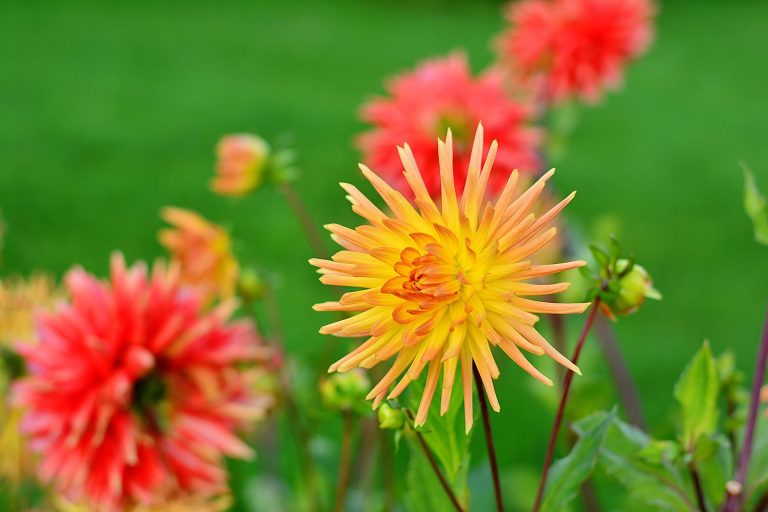
If you’ve ever dreamed of a garden that looks gorgeous all summer long without requiring endless watering, pruning, and pleading with the plants to behave then welcome to my world. After years of tending everything from finicky delphiniums to stubborn dahlias, I’ve learned that some flowers are just naturally self-sufficient. They bloom reliably, shrug off pests, and look amazing with only a little care.
I call them my petal-powered plants. These flowers thrive even when I’m too busy to fuss over them. In this post, I’m sharing ten of my favorite low-maintenance flowers that practically take care of themselves. Whether you’re a beginner gardener or a seasoned grower ready for an easier season, these beauties will help your garden shine with less work.
Why Easy-Care Flowers Are a Gardener’s Secret Weapon

I used to think a lush garden meant the constant effort of deadheading, fertilizing, and fighting off aphids like a warrior queen. But I’ve discovered the real secret: choosing flowers that want to grow in your conditions.
Easy-care flowers adapt beautifully to your local soil and weather, meaning fewer struggles with disease, drought, or pests. They’re not just low-effort; they’re resilient, dependable, and rewarding. Best of all, they create those long-lasting waves of color that make a garden feel alive all season.
So if you’d rather spend your summer enjoying your flowers instead of working for them, these blooms will quickly become your best friends.
How to Choose the Right “Set-and-Forget” Flowers
 Before you start filling your cart with every carefree flower in sight, take a moment to think about your garden’s personality. Is your soil sandy and fast-draining, or heavy and clay-based? Do you get blazing sun all afternoon, or gentle morning light?
Here’s what I always consider:
Match plants to your zone. A flower that thrives in Zone 8 might struggle in Zone 5. Check the USDA zone recommendations before you plant.
Look for key traits. Drought-tolerant, pest-resistant, or self-seeding plants are your low-maintenance MVPs.
Go native when possible. Native or well-adapted plants naturally handle your local weather swings.
Think in layers. Mix perennials and self-seeding annuals for a garden that fills itself year after year.
A little thoughtful choosing goes a long way toward creating a stress-free garden that stays beautiful through heatwaves, rainstorms, and everything in between.
Petal Power Lineup: 10 Low Maintenance Flowers
Let’s meet the stars of the show! Each of these flowers brings personality, resilience, and plenty of charm to your garden. No green thumb required!
1. Coneflower (Echinacea)
 Coneflowers are the dependable workhorses of my summer garden. They’re drought-tolerant, bloom for months, and attract every pollinator under the sun: bees, butterflies, and even the occasional hummingbird.
Want to grow bigger, longer-blooming plants? Read my full guide on growing Echinacea for more planting tips, varieties, and care advice.
I plant them in full sun with well-drained soil and then mostly ignore them. They don’t mind dry spells, and if I forget to deadhead, they reward me with self-seeded babies the following spring. Plus, those spiky seed heads add winter interest and feed goldfinches long after the petals have faded.
👉 Shop Coneflowers for effortless summer color
2. Black-Eyed Susan (Rudbeckia)
 If you want a flower that radiates happiness, Black-Eyed Susans are it. Their bright golden petals and chocolate-brown centers light up the garden from midsummer to frost. If you love these cheerful golden blooms, take a look at my complete Rudbeckia growing guide for even more easy-care varieties and garden inspiration.
They thrive in poor soil, handle drought like pros, and multiply each year with little help from me. I just give them a sunny spot and a little room to spread, and they repay me with endless cheerful blooms.
👉 Shop Black-Eyed Susans for nonstop golden blooms
3. Daylily (Hemerocallis)
 Daylilies are the ultimate “plant it and forget it” flower. They tolerate heat, humidity, and even occasional neglect, yet still burst into brilliant color every summer. I’ve also shared my favorite Daylily varieties and simple care tips in this detailed Daylily growing guide.
I love mixing different varieties for a rainbow effect of corals, yellows, pinks, and deep purples all mingling together. Each bloom lasts only a day, but the plants keep sending up new buds for weeks on end. Once they’re established, they need almost no attention except a spring cleanup.
👉 Shop Daylilies for easy, reliable beauty
4. Sedum (Stonecrop)
 If you have a dry, sunny spot where nothing seems to grow, try Sedum. This succulent perennial loves lean soil and full sun, and it never complains about drought.
I especially adore Autumn Joy, which starts the season with green buds that gradually turn to deep rosy red as fall approaches. The fleshy foliage looks good all summer, and even the spent flower heads add winter texture. Truly a zero-fuss gem.
👉 Shop Sedum for drought-proof garden color
5. Coreopsis
 Coreopsis, also known as tickseed, is one of my happiest discoveries. It blooms nonstop from early summer to frost, creating cheerful mounds of yellow or pink flowers that seem to glow in the sun.
It thrives on neglect and too much fertilizer or water actually makes it floppy. I love it for filling gaps in the border and for how easily it reseeds, popping up in new spots each year like little gifts from nature.
👉 Shop Coreopsis for carefree blooms all summer
6. Lavender
 Lavender is one of those plants that practically begs you to ignore it. The less I fuss, the better it performs. It loves full sun, dry soil, and wide open air circulation. For more help growing healthy, fragrant plants, check out my post How to Grow Lavender and Fill Your Yard with Fragrance.
Beyond its silvery foliage and fragrant blooms, lavender attracts bees while repelling deer and rabbits. Truly a gardener’s dream combination! I plant it along walkways where I can breathe in its lovely scent every time I pass by.
👉 Shop Lavender for fragrance and easy elegance
7. Yarrow (Achillea)
 Yarrow is tough as nails and just as beautiful. It thrives in poor soil, laughs at heat and drought, and fills the garden with clusters of tiny, long-lasting blooms.
My favorite varieties range from sunny yellows to coral pinks and soft whites. I love how the feathery foliage adds texture, and the blooms make excellent cut or dried flowers. Once established, yarrow practically maintains itself. Just cut it back in late fall, and it’s ready to go again next year.
👉 Shop Yarrow for tough blooms that thrive anywhere
8. Lobelia (Lobelia siphilitica)
 Blue Lobelia is one of those easygoing native flowers that quietly steals the show in late summer. Its tall spikes of vivid blue blooms bring fresh color to the garden just when many other flowers are starting to fade, and bumblebees absolutely adore it. If you’re thinking about adding this native beauty to your garden, don’t miss my complete Blue Lobelia growing guide.
I love planting Blue Lobelia and also Red Lobelia in areas that stay slightly moist because it thrives with very little effort once established. Unlike fussier plants, it rarely needs staking, handles humidity beautifully, and returns reliably year after year. The rich blue flowers pair especially well with Coneflowers, Black-Eyed Susans, and ornamental grasses for a natural, meadow-style look that feels effortless and full of movement.
👉Shop Blue Lobelia for vivid late-summer color
9. Shasta Daisy
 There’s something timeless about Shasta daisies. Their crisp white petals and sunny centers make any garden feel cheerful and classic.
They thrive in full sun, need very little water once established, and bloom for weeks. I often cut a few stems for fresh arrangements as nothing brightens a kitchen table faster. When they’re done blooming, I trim them back, and they reward me with healthy, tidy mounds of green foliage until frost.
👉 Shop Shasta Daisies for classic cottage garden charm
10. Russian Sage (Perovskia)
 If your garden bakes in summer heat, Russian Sage is your hero. It thrives in full sun, poor soil, and dry conditions. Basically all the spots other plants avoid. For planting ideas, pruning advice, and my favorite varieties, read my complete Russian Sage care guide.
Its silvery foliage and airy lavender-blue spikes give the garden a romantic, windswept feel. I love planting it behind shorter perennials where it creates a shimmering backdrop that catches the light beautifully. Best of all, I never have to water it once it’s established.
👉 Shop Russian Sage for airy color and texture
A Simple Routine to Keep Them Thriving (Without the Effort)
Even low-maintenance flowers appreciate a little love now and then. Here’s the simple routine I follow:
Water wisely: Instead of frequent light watering, I water deeply once a week (or less). This encourages deep roots and more drought-resistant plants.
Feed lightly: Most of these flowers prefer average to lean soil. Skip the heavy fertilizer. Too much nitrogen can make them leggy.
Deadhead selectively: Some (like Coreopsis) bloom longer if you snip off spent flowers, while others (like Coneflower) look lovely left alone.
Mulch for the win: A two-inch layer of mulch keeps weeds down, moisture in, and maintenance minimal.
A little smart care goes a long way and there’s no complicated schedules or constant upkeep required.
Design Ideas for a Carefree Flower Garden
 Low-maintenance doesn’t mean boring! With a little planning, you can create a garden that looks layered, colorful, and full of life without adding to your workload.
The Pollinator Patch: Plant Echinacea, Coreopsis, and Yarrow together for a pollinator-friendly bed buzzing with color.
Cottage Garden Magic: Combine Shasta Daisies, Daylilies, and Lavender for a dreamy, classic cottage mix.
Drought-Defying Border: Group Russian Sage, Sedum, and Yarrow in your sunniest, driest spot for a stunning display that thrives in heat.
Mixing these flowers by height, bloom time, and color creates effortless beauty that keeps evolving through the seasons and all without breaking a sweat.
Common Myths About “Easy” Flowers
Let’s clear up a few misunderstandings I hear all the time:
Myth 1: Easy-care means no care. Even the toughest plants appreciate a little watering and a trim now and then.
Myth 2: Low-maintenance equals boring. Hardly! These flowers come in every color, texture, and style imaginable.
Myth 3: You can plant them anywhere and they’ll thrive. They still need the right light and drainage, but once they’re happy, they’ll reward you for years.
The truth is, a little attention at planting time gives you seasons of effortless beauty later on.
Sit Back, Relax, and Watch Your Garden Bloom
The older I get, the more I appreciate a garden that gives back more than it takes. These ten flowers have earned a permanent place in my garden because they make it easy to enjoy what gardening is really about: peace, color, and connection with nature.
So if you’ve been craving a lush garden without the constant upkeep, give one (or all!) of these petal-powered favorites a try. They’ll reward you with color, fragrance, and pollinator visits, all while asking for little more than sunshine and space to grow.